
By Monica Macoubrie, Wildlife Education Specialist
When the days start getting cooler and the trees begin showing off their fall colors, I remember to keep an eye on the ground. I’m hoping to spot a tiny, fuzzy caterpillar.
Found throughout North America, the banded woolly bear is one of the most recognizable caterpillars of fall. You may spot one inching across a trail at a Nebraska state park, crawling through your backyard or making a determined attempt to cross a country road.
Though small, woolly bears have some impressive tricks for surviving the changing seasons.
What Is a Woolly Bear?
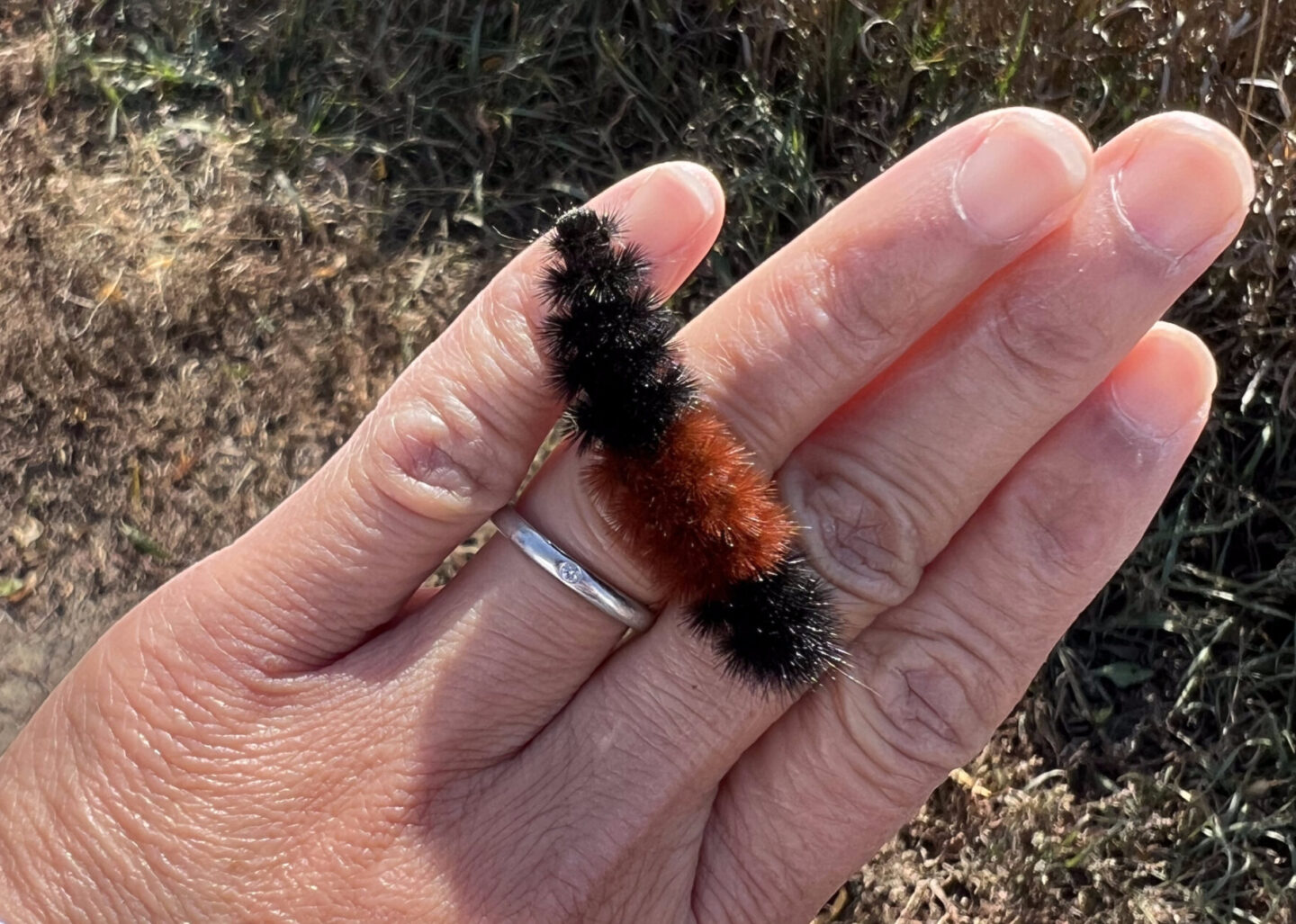
“Woolly bear” is a common name for several species of fuzzy caterpillars, but the banded woolly bear is one of the most familiar. It is the caterpillar, or larval stage, of the Isabella tiger moth (Pyrrharctia isabella), a member of the tiger moth family, Erebidae. These caterpillars grow to about 2 inches long and are hard to miss.
Banded woolly bears typically have black coloring at both ends with a rusty or reddish-brown band in the middle. Their bodies are covered in bristle-like structures called setae, giving them their fuzzy appearance. But those “hairs” aren’t actually hair. Mammals are the only animals with true hair. A caterpillar’s setae are made of chitin, the same tough, flexible material that forms the exoskeletons of insects, spiders and other arthropods. Chitin is made from glucose derivatives and gives these tiny bristles their structure.
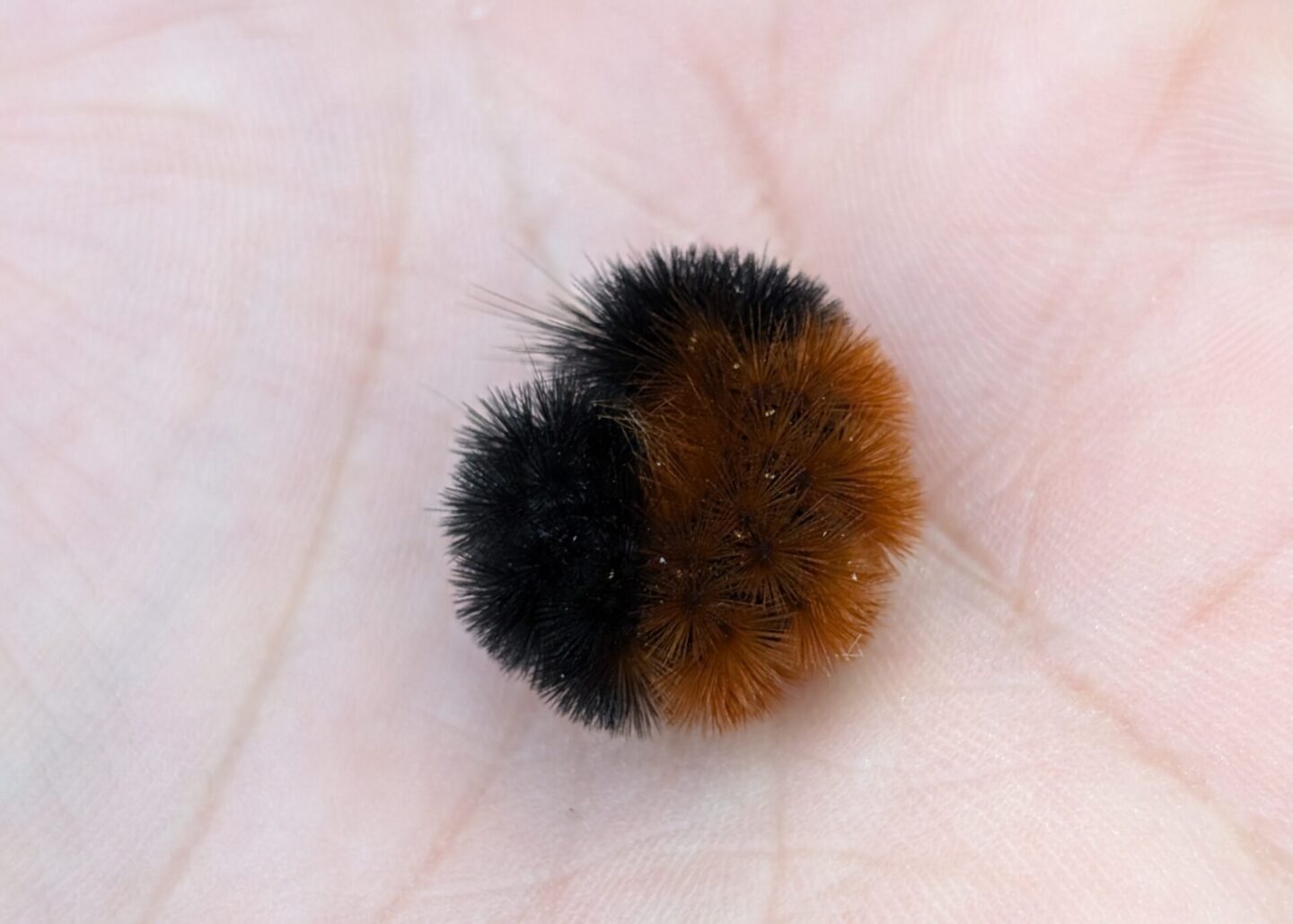
When disturbed, a banded woolly bear will often curl up into a little ball, using its fuzzy body as a first line of defense against potential predators.
Why Are They Everywhere in the Fall?
Why do woolly bears seem to suddenly appear once autumn arrives? As temperatures begin to drop, mature woolly bears search for protected places where they can spend the winter. That can mean crawling beneath leaves, bark, rocks or other natural debris.
This is why you may see them crossing roads, sidewalks and trails in Nebraska during the fall. They’re not necessarily headed toward a specific destination. They’re simply looking for a good place to hunker down. If you want to see woolly bears in your yard, remember to leave the leaves.
How Woolly Bears Survive Winter
Instead of migrating or finding a warm place to stay, woolly bear caterpillars hibernate right where they are.
As temperatures drop, woolly bears crawl under leaves, logs, rocks or other protected spots and enter a dormant state called diapause. Their metabolism slows down, allowing them to survive for months without eating.
Even more impressive, woolly bears can survive being frozen, with ice forming around—but not inside—their cells. Their bodies produce natural chemicals called cryoprotectants, which act like antifreeze and help protect their cells from damage. Banded woolly bears can survive temperatures around -30°F, and some studies have found that certain species can survive even colder temperatures.
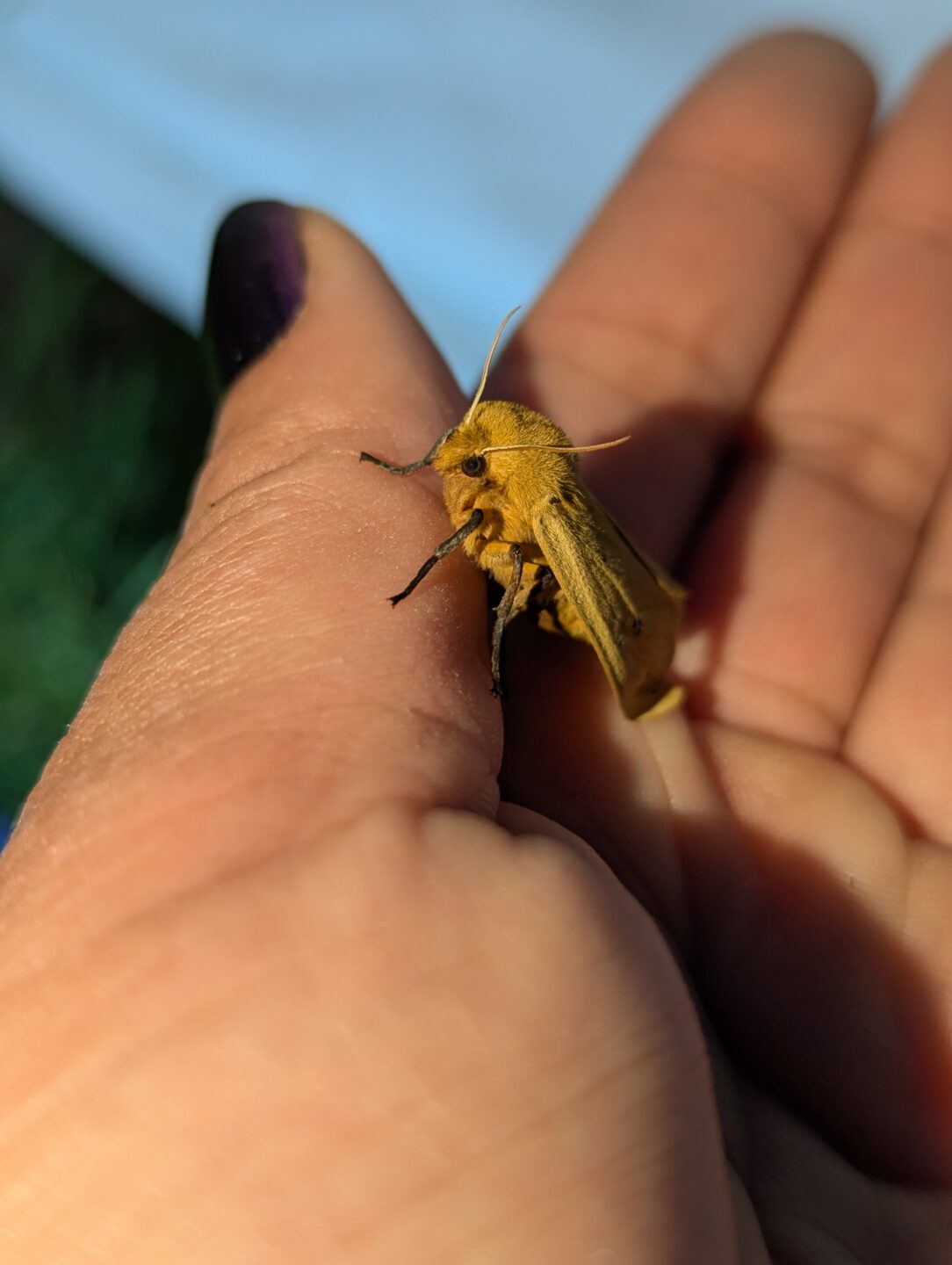
Banded woolly bear caterpillars remain in this state until temperatures begin to warm in spring. Once they thaw, they become active again and start feeding before eventually forming a cocoon and transforming into an Isabella tiger moth.
Woolly Bear Folklore and Science
Most of us who grew up in the Midwest — or even New England —have probably heard that if you want to know what winter has in store, just find a woolly bear caterpillar.
According to folklore, the amount of black and brown on a woolly bear can predict the severity of the upcoming winter. A narrow brown stripe supposedly means a harsh winter, while a wider brown stripe signals a milder one. Longer black bands are said to predict a longer, snowier and more severe winter.
Some versions of the legend even say that if the head end is dark, winter will be especially cold, while a dark tail means the end of winter will be cold. And because woolly bears are often said to have 13 body segments, some traditional forecasters claim those segments correspond to the 13 weeks of winter.
It’s a fun fall tradition, but don’t cancel your winter coat order based on one caterpillar!
Woolly bears can’t predict the weather. Their coloring has more to do with their age, species and how long they have been feeding. In fact, their changing colors can tell us more about their past than their future. Woolly bear caterpillars molt six times before reaching their adult size, and with each molt, their coloring changes, often becoming less black and more reddish-brown.
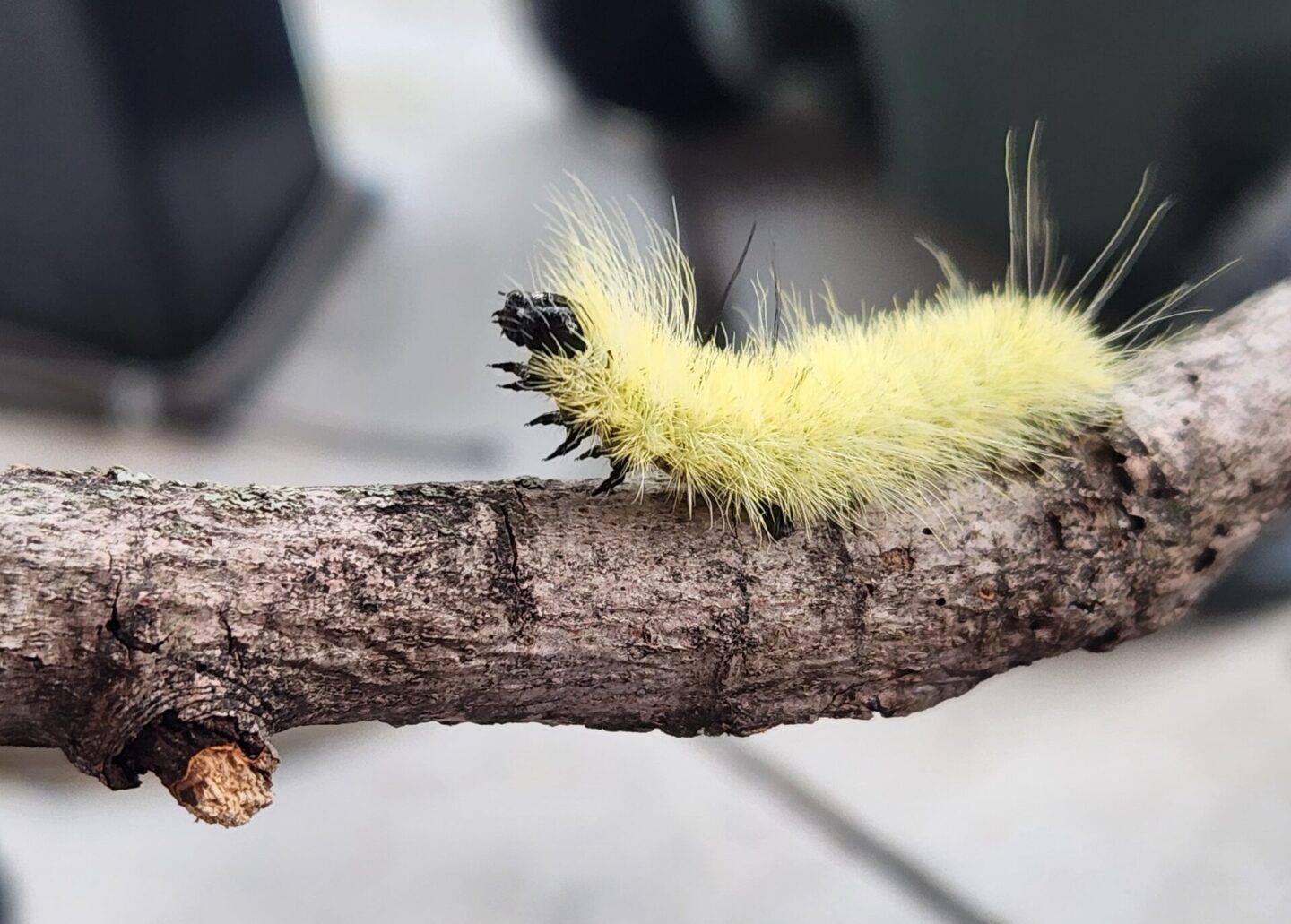
Species also play a role. There are approximately 260 species of tiger moths in North America, and their caterpillars can have different colors, patterns and hair coverings. So, some of the variations we see in woolly bears each fall are simply differences between species.
So, while a woolly bear might not be able to tell us whether we’re in for a snowy winter, it can still tell us an interesting story about its own life.
This fall, as you explore Nebraska’s parks, trails and backyards, keep an eye on the ground. You might spot a woolly bear making its way through the leaves, searching for a safe place to spend the winter.