

By Monica Macoubrie, Nebraska Game and Parks Commission
As a parent to a six-year-old daughter, I’m no stranger to crafting. We’ve used just about every material you can think of, tried every adhesive on the shelf, and learned pretty quickly what holds together — and what doesn’t. But after visiting an Oddities Expo with coworkers, I realized there was a whole different side of crafting I hadn’t explored. The creations I saw made my projects seem so tame.
Bone crafting is one of the oldest human art forms. Long before metal tools or plastic, people shaped bones into needles, fishhooks, beads, combs, tools and ceremonial objects. Today, crafting with bones continues as an artistic practice and a way to honor animals though intentional use. Working with bones not only requires skill, but also demands respect, legal awareness and ethical consideration.
For some people, bone art seems morbid. For others, it’s grounding — a reminder that life and earth are part of the same cycle. Nothing synthetic. Nothing wasted.
In a world of plastic, bone feels honest.
Ethics Matter Most
Before you even think about crafting with bones, you need to know where they come from.
Ethical sources usually fall in the following categories:
- Animals harvested for food and using what would otherwise be discarded
- Farm or butcher leftovers
- Bones from species that died from natural causes and are legal to possess
- Shed antlers, which animals drop naturally each year
What’s not okay:
- Bones collected from state parks, national parks or refuges
- Possessing parts of a protected species — even if you “just found it.” In the U.S., non-game native bird parts, such those from a bluejay, cardinal, hawk or owl, are typically illegal to possess under federal law, even if you found an already-deceased animal. Always check regulations.
- Buying bones of questionable origin online
Another important consideration: Never collect remains that have cultural, archaeological or spiritual importance. This most often applies to human remains or burial items, but it can also include objects found with them, such as beads, tools, pottery or animal bones placed intentionally as part of a burial or ceremonial practice. If animal bones are part of an archaeological site, a historic homestead or a burial, they are no longer considered wildlife remains — they are cultural artifacts.
For example, if you find bones eroding out of a riverbank, bluff or prairie hillside, you cannot assume they are animal bones. In Nebraska and across the U.S., many areas contain historic and prehistoric Indigenous burial sites. Removing anything from those locations — even accidentally — can disturb a gravesite and is illegal under state and federal laws such as the Native American Graves Protection and Repatriation Act.
Beyond legality, there’s a deeper question: Are you treating the remains with respect?
If the goal is shock or aesthetics without thought, it shows.
If the goal is education, sustainability or honoring the life of the animal, that shows, too. For example, if an animal is already being used for food, turning the bones into something useful or beautiful can be seen as honoring the whole animal.
Intention matters.
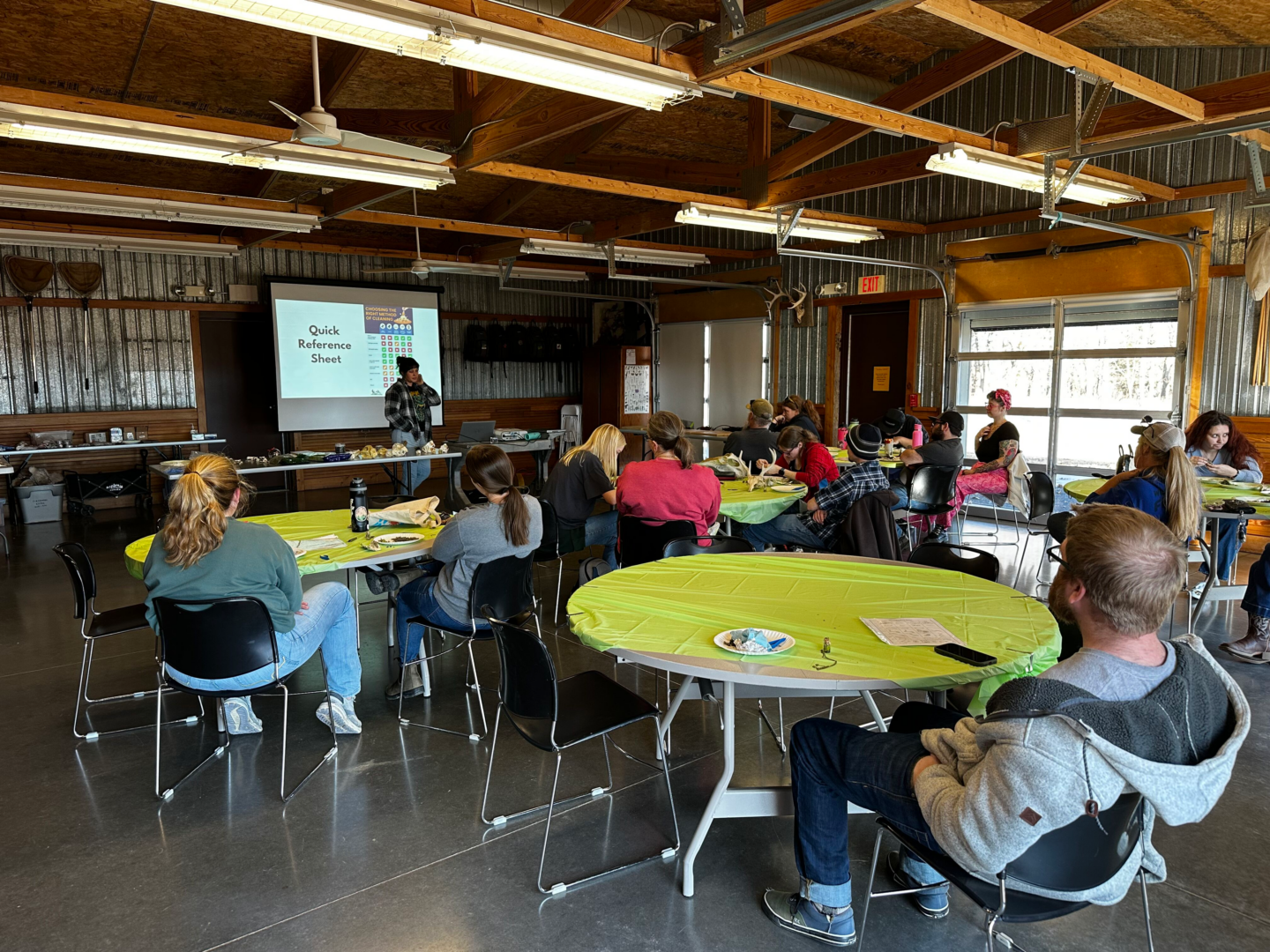
Collection
When collecting animal remains, safety should be your top priority. Always wear gloves and use hand sanitizer after handling specimens, as some animals can carry diseases that are transmissible to humans.
Store remains in a secure container, such as Tupperware, Ziploc bags or a lidded bucket, and avoid collecting near busy roads or highways.
It’s also important to understand the rules and regulations around collecting roadkill. While some states prohibit it, roadkill can be collected in Nebraska, though big game species require contacting the Nebraska Game and Parks Commission for a salvage tag. If a big game animal is hit by a vehicle, the driver has the first right to the carcass, but the meat cannot be donated or sold.
Preparing Bones the Right Way
1. Cleaning
You need to remove all soft tissues. Sometimes, nature handles this if the remains have been outside long enough. Other times, you’ll need to gently remove remaining tissue with gloves and basic tools. Avoid aggressive boiling, as this weakens bones and drives grease deeper inside.

2. Don’t Skip Degreasing
Bones hold oils. If you skip degreasing, those oils will seep out later and leave yellow stains. To remove grease, soak the bones in warm water with dish soap and change the water regularly. Be patient. Large mammal bones can take weeks — this is not fast crafting.
You’ll know bones are fully degreased when their appearance and texture change. They should dry to an even matte white or off-white color with no translucent or yellow patches, and they shouldn’t feel slick or waxy to the touch.
The soaking water will also begin to stay mostly clear between changes, and the bone won’t develop new yellow spots or an oily feel after drying for a day or two.
Also, properly degreased bones have little to no odor — if they still smell faintly rancid or look shiny, they need more time soaking.
3. Optional Whitening
There are a few options for making your bones whiter – which is optional. One way is to use Hydrogen Peroxide 3% or 30 Vol. hair developer. NEVER use bleach. Bleach damages bone structure and makes it extremely brittle over time. You can also make a paste with baking soda and peroxide for whitening larger skulls.
Soak, rinse and air dry completely.
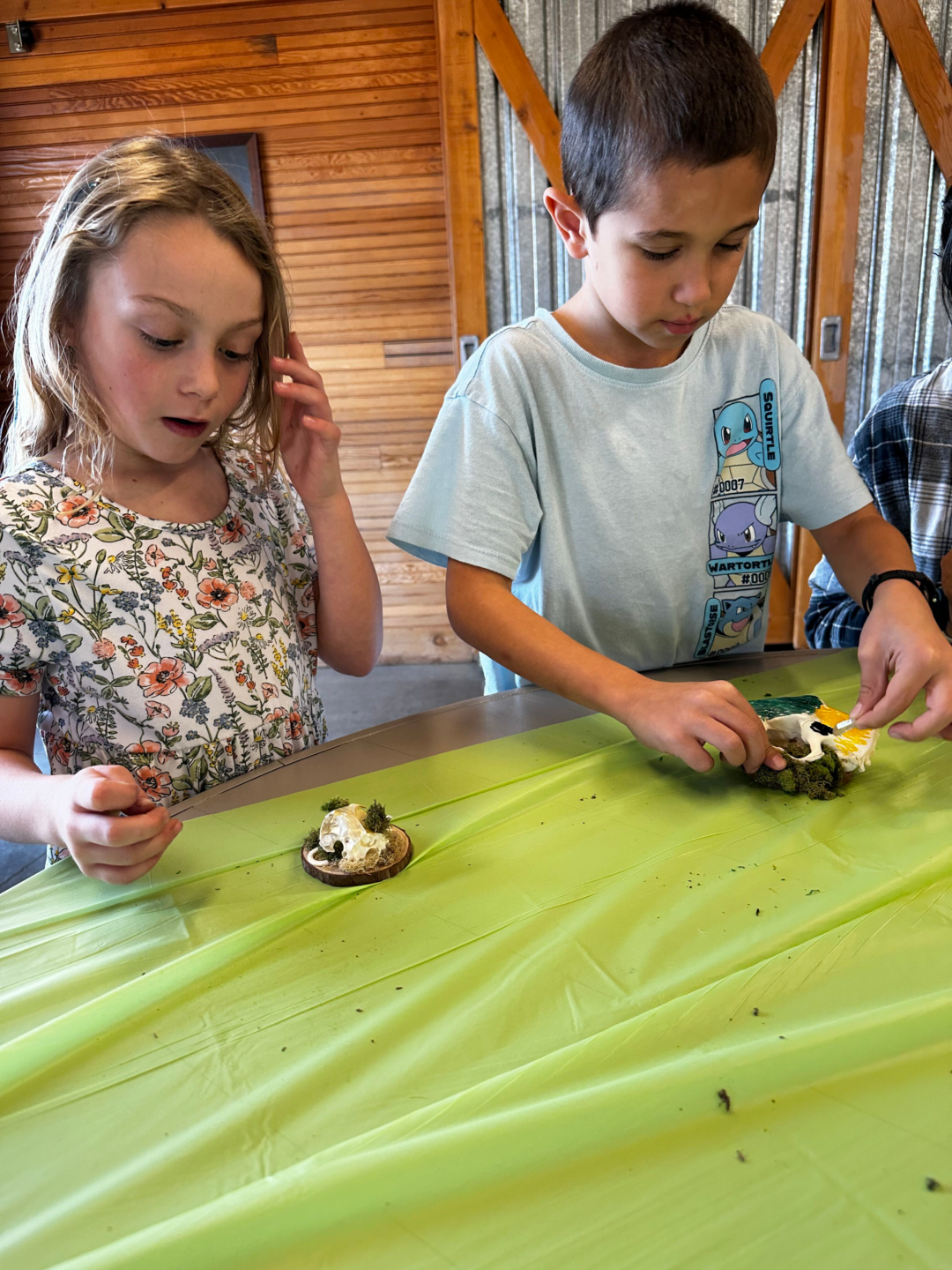
4. Drying
Let bones dry completely in the open air for several days, because trapped moisture can cause problems later. Bacteria can grow and the bone may develop a sour smell or even mold. It can also pull leftover grease to the surface, causing new yellow stains, and in some cases, the bone may crack or dry unevenly over time.
Tools Needed
Working with bone is a lot like working with dense hardwood.
Basic tools you’ll need:
- Fine saw
- Rotary tool (like a Dremel)
- Sandpaper (start coarse, work finer)
- Small dill bits
- Files
And please, wear eye protection and don’t breathe in bone dust. Protect yourself by wearing a mask or respirator. Although bone is natural, cutting through bone produces particulate material that can damage your lungs.
What You Can Make
After going to the Oddities Expo last year, I saw plenty of things I’d love to try making with bones — and just as many that definitely weren’t my style. I had no idea there were so many possibilities.
Jewelry – Bone beads are one of the oldest forms of adornment. Vertebrae make incredible natural shapes. Long bones can be cut into smooth pendants. Teeth can be drilled and polished. You can leave bone matte and organic or polish it to a soft ivory sheen.
Scrimshaw – Engraving fine designs into bone and rubbing ink into the lines is a beautiful, patient art form if you enjoy detailed work.
Tools – Bone has a slight flexibility that made it incredibly useful long before the invention of steel. Historically, bone was used to make sewing needles, awls, fishing hooks, knife handles and hair pins.
Educational Pieces – If you love natural history, articulated skeletons, labeled anatomy pieces or shadowbox skull displays can be powerful teaching tools. Seeing how a jaw hinges or how vertebrae stack changes how many of us understand animals.
Contemporary Expression
I follow many Instagram accounts that show different types of bone art, from ancient crafts to contemporary expression. There are carved pendants and beads, sculptural skull pieces with engraved patterns, and even mixed media works where bone meets metals, resin or leather.
Some creators focus on honoring the animals’ life by showcasing how they source and prepared the material. Others push boundaries with bold graphic designs. On Instagram, the community around bone art also talks openly about ethics and legality, so alongside the photos of finished pieces, you’ll also often find captions about respect, sustainable sourcing and the stories behind the bones. The result is an online community that’s both creative and thoughtful, blending tradition with modern aesthetics.

Not for Everyone
Bone art is not for everyone, and that’s OK.
It’s an art form that requires patience, research and comfort with mortality. It also requires following wildlife laws carefully. So, when done legally and respectfully, this art form is about stewardship. It’s about using what already exists, and it’s about paying attention.
Working with bones forces you to look closely. You see how thin bird bones are. How perfectly engineered a joint is. How teeth fit together with precision. It makes you respect the architecture of life.
Done thoughtfully, it’s not about being edgy — it’s about stewardship, using what already exists, and honoring the life behind the bone.