
By Monica Macoubrie, Wildlife Education Specialist
It’s summertime, which means you’re probably headed outdoors to hike, kayak, fish, stargaze and enjoy countless other nature activities. Spend enough time outside and you’d likely see an animal do something that, at least to us, makes no sense: A goose honking incessantly in midair. A squirrel running straight into traffic. A prairie dog screaming at seemingly nothing.
To humans, many wildlife behaviors can look ridiculous, wasteful or overly dramatic. But in nature, there is usually a reason behind the behavior. If you’ve read enough of my articles, you’d know that nature rarely does anything by accident.
Squirrels Running into Oncoming Traffic
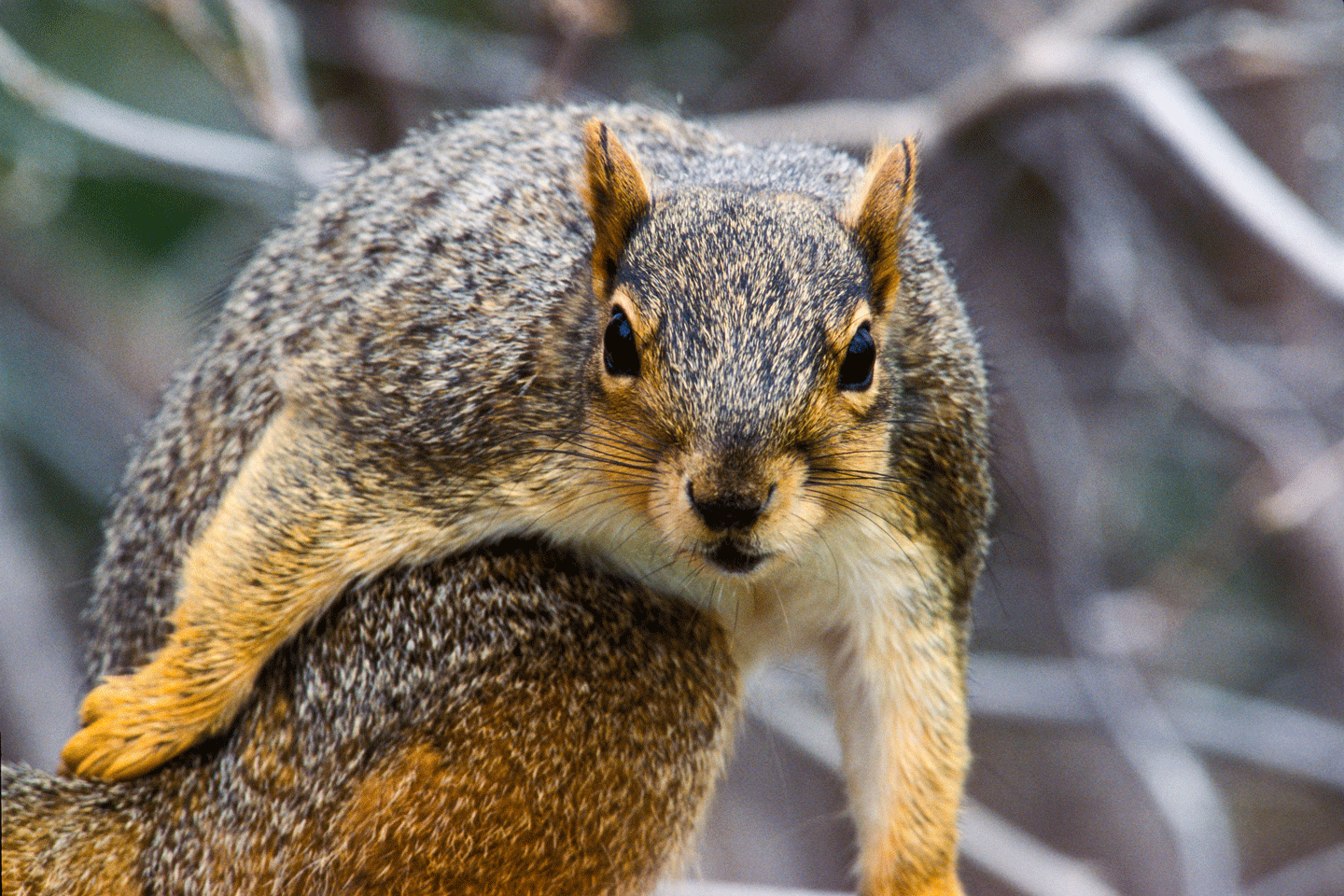
Few animal behaviors seem more senseless than watching a squirrel safely sitting on one side of the road only to suddenly sprint directly in front of an oncoming vehicle. To humans, it looks like the squirrel made the worst possible decision. However, we have to remember that squirrels are acting on their instincts to escape natural predators — not two-ton trucks moving at 45-plus miles per hour.
When threatened by a hawk, fox, coyote or dog, squirrels escape by making sudden, unpredictable movements. Their quick stops, sharp turns and last-second directional changes help confuse predators that rely on tracking moving targets. In forests and wooded areas, this strategy works well.
But against moving vehicles, unfortunately this tactic does not work. A squirrel often locks onto an escape route and commits to it, even if the vehicle is already too close. Sometimes, they also freeze because their brains are overloaded trying to track the speed and direction of something far faster than any predator they’ve evolved alongside.
So, while it looks like squirrels have no traffic awareness, they’re actually using survival instincts designed for a completely different world — one without roads cutting through their homes.
River Otters Juggling Rocks
If you’re lucky enough to spot a river otter, usually near major rivers such as the Elkhorn, Missouri or Platte, you might catch it doing something that looks completely pointless: floating around, tossing a rock in the air, catching it, dropping it and doing it all over again. It can look like pure goofiness, almost as if the otter is just juggling to entertain itself. But that “play” is work.
The North American river otter uses stones as tools. They’ll rub, roll and juggle rocks to help clean and sharpen their teeth, break open hard-shelled prey such as mussels and crayfish, and even practice coordination skills they’d need when hunting underwater. In a fast-moving river environment, being able to manipulate objects quickly can mean the difference between catching dinner and going hungry.
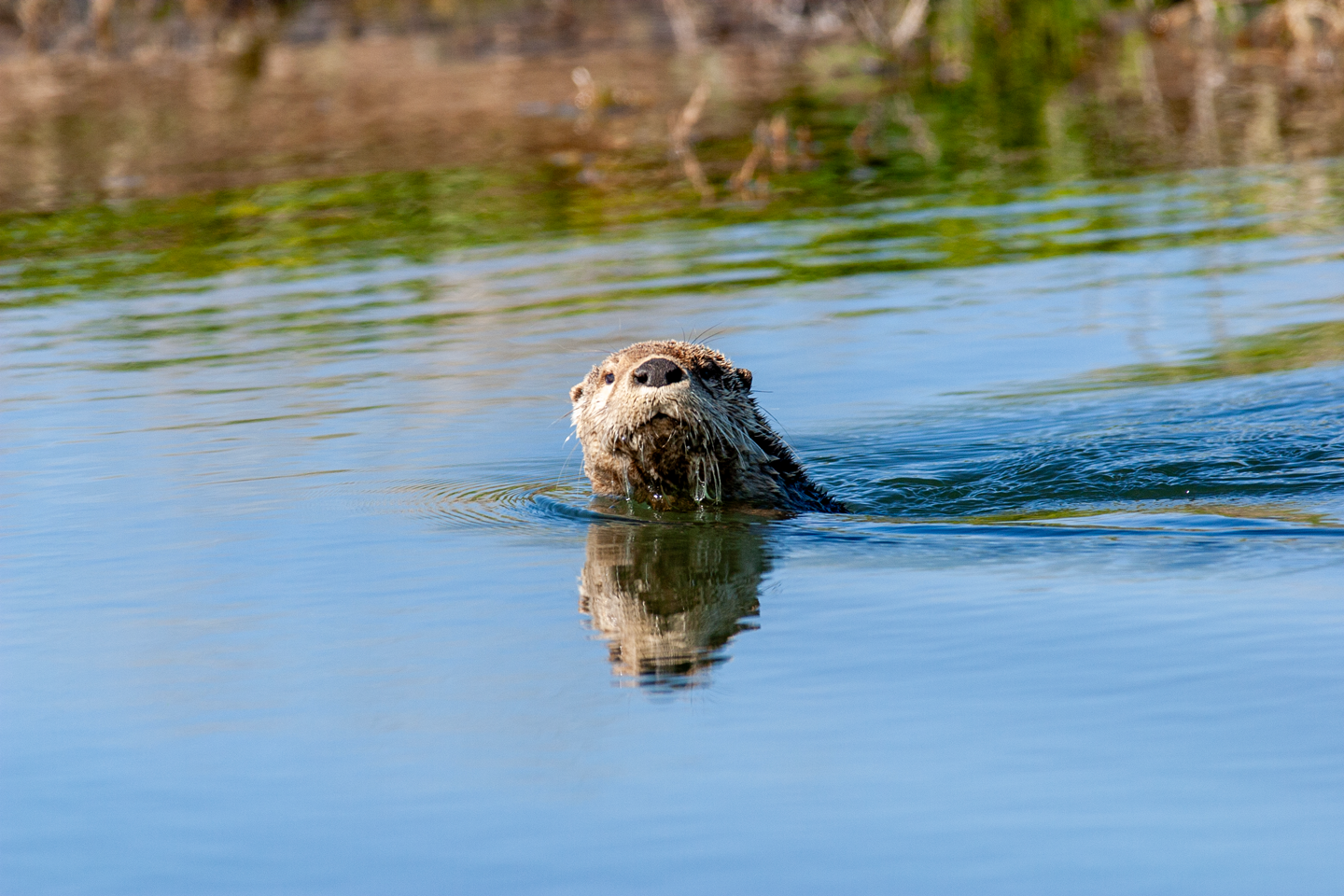
Play is also how young otters learn. Juveniles spend huge amounts of time wrestling, sliding and stone-handling without any immediate goal. It builds strength, improves swimming skills and teaches them how to use their environment effectively into adulthood.
Prairie Dog Jump-Yip
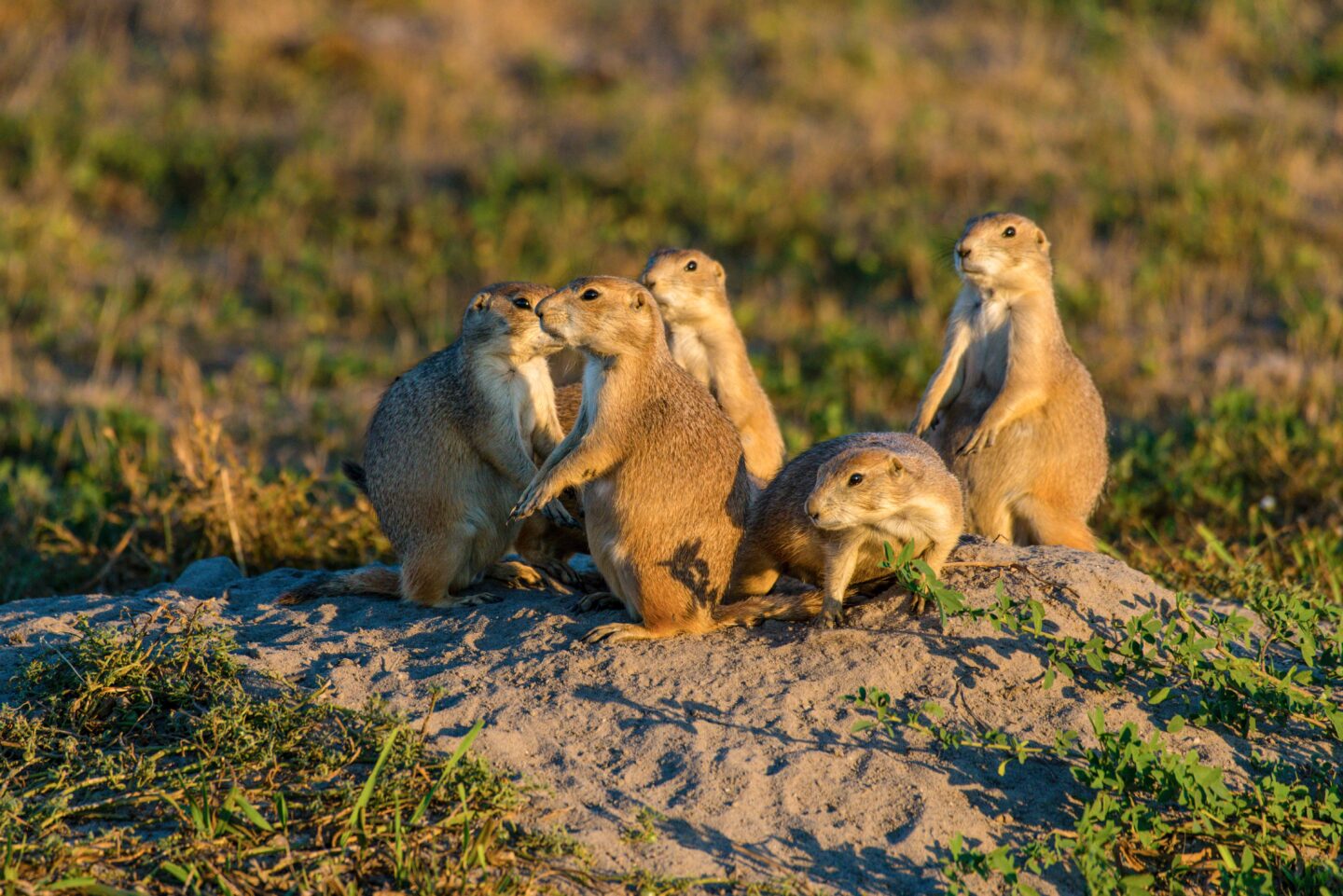
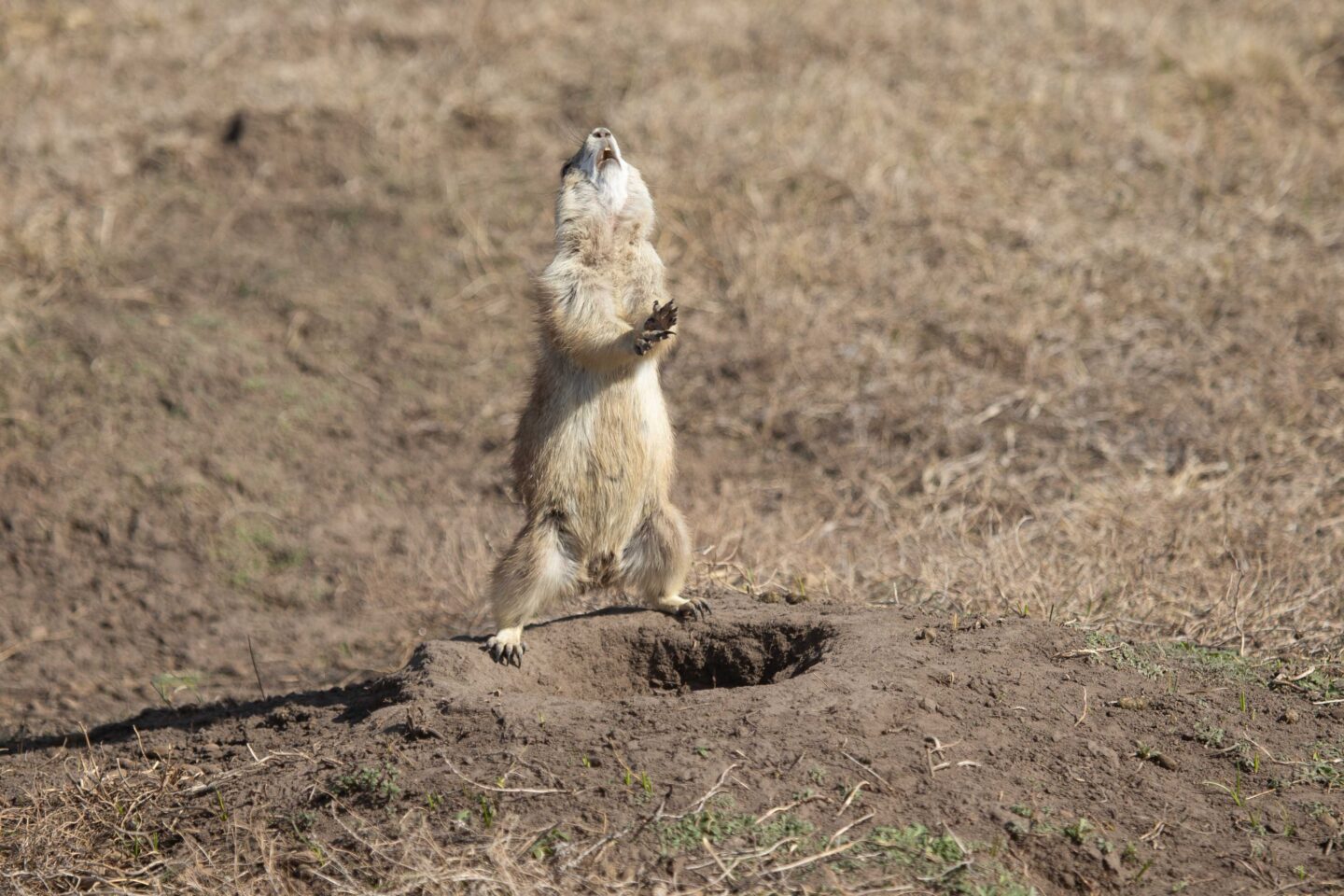
One of the most eye-catching behaviors in Nebraska prairie dog towns is the “jump-yip,” when a prairie dog suddenly stands upright, throws its front paws into the air and lets out a sharp bark before dropping back down like nothing happened. It looks like random excitement or even a tiny victory dance in the middle of the prairie. But it isn’t just for show.
The jump-yip is a form of communication used to signal across the colony and sometimes between neighboring prairie dog towns on the open plains. It can help establish territory boundaries, coordinate group awareness or simply reinforce social bonds within the colony. Because Nebraska prairies are so wide open, sound and visual signals can travel far — so a single dramatic “yip” can carry information across a surprising distance. What looks like a miniature rodent doing unnecessary acrobatics is actually part of a complex system of survival messaging.
Canada Geese Honking Chaotically
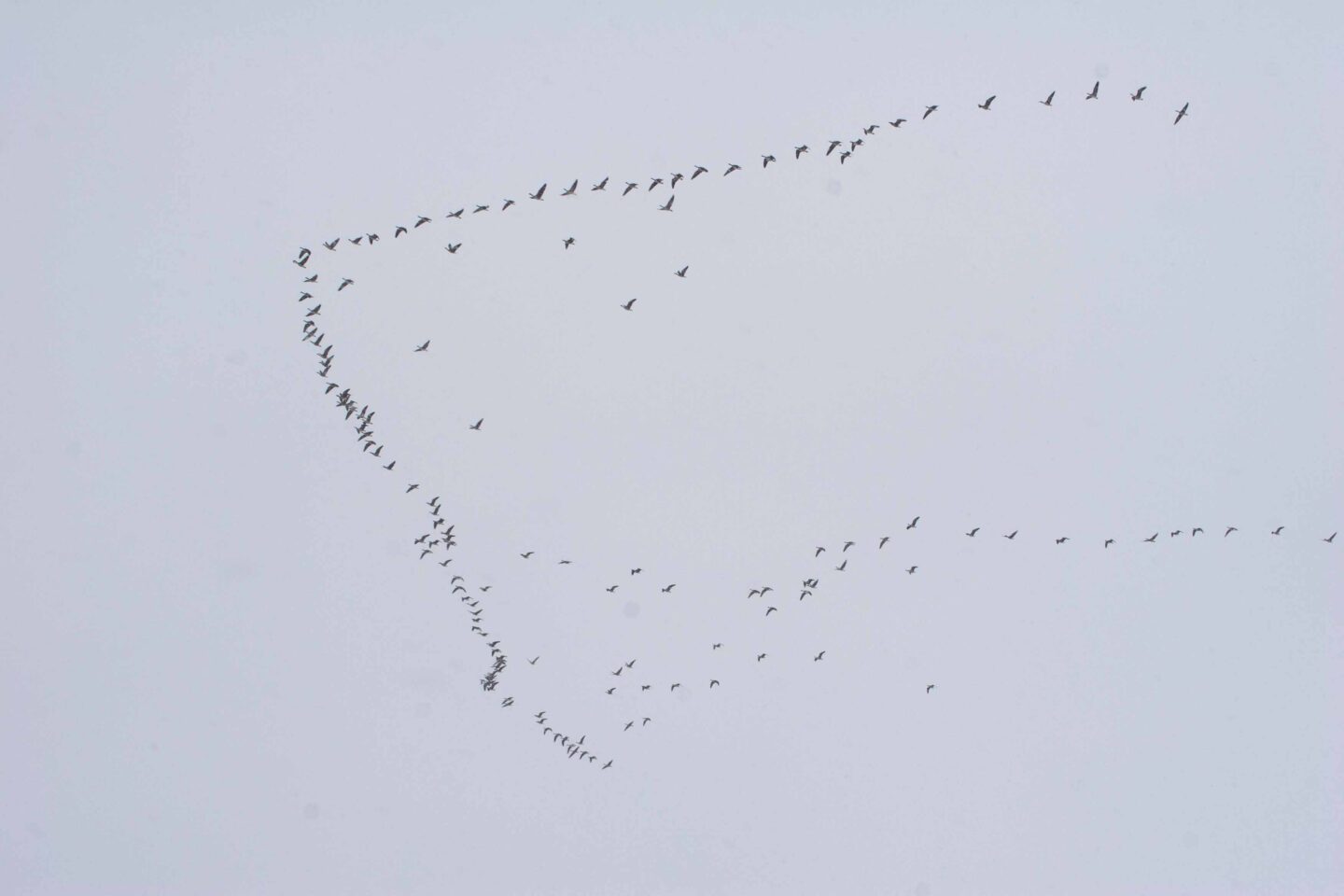
Few Nebraska sights are as familiar, or as loud, as flocks of Canada geese flying overhead in a perfect V-shape formation, constantly honking as they go. It might sounds like chaos from the ground, like the birds are arguing the entire flight or narrating every single wingbeat for no reason. But that nonstop noise is a key part of how the flock stays organized during long migrations across Nebraska’s rivers, lakes and farm fields.
Each goose is communicating. The honking helps maintain spacing within the formation, with each bird adjusting its position based on the calls of birds in front of them and beside them. If a goose starts to fall behind, vocalizations help it reconnect with the group’s rhythm. The formation itself is also highly efficient: By flying in a V, each bird reduces wind resistance by riding slightly on the lift created by the bird ahead, conserving energy over long distances.
The lead goose, which works the hardest by breaking the wind, rotates out when it tires, and the rest of the flock uses both sound and positioning to coordinate that shift without breaking formation. What looks like a sky full of noisy disagreement is a highly coordinated system of teamwork, endurance and real-time communication.
Wilson’s Phalaropes Spinning in Circles
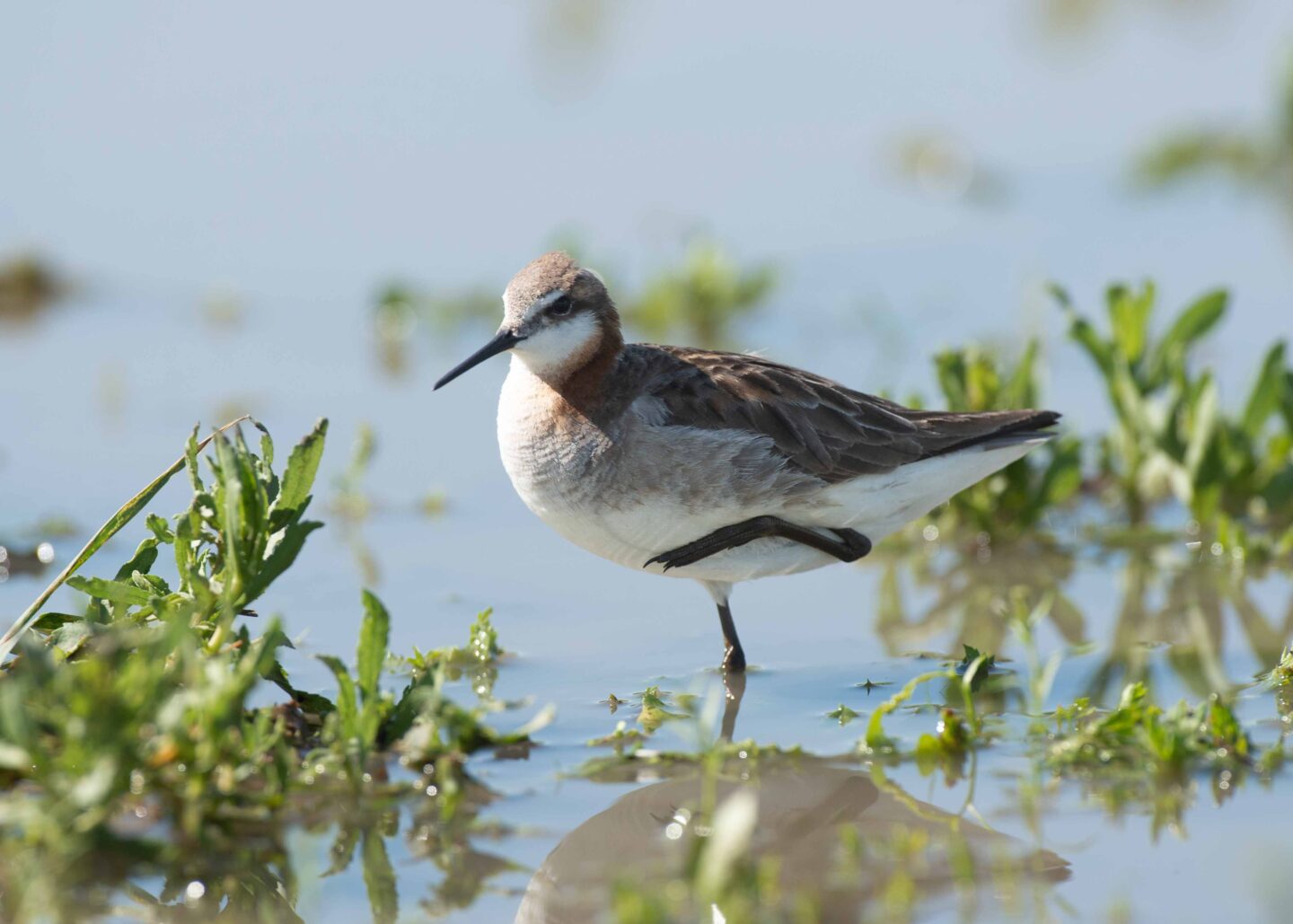
One of the more unusual things you might spot in Nebraska wetlands in late summer is a group of tiny shorebirds spinning in circles on the water. Wilson’s phalaropes look almost frantic when they do this, but the behavior helps them find food.
As they spin, they create small whirlpools that stir up aquatic insects and other tiny prey from below the surface. Once the food is brought closer to the top, the birds quickly grab it with their slender bills. The tighter and faster the spin, the better it works.
Unlike most shorebirds that feed by walking along shorelines and mudflats, Wilson’s phalaropes are comfortable swimming. Their lobed toes act almost like little paddles, helping them move easily across shallow wetlands and salty lakes during migration. It’s an effective way to catch a meal.
Why Pointless Behavior Usually Isn’t Pointless
Humans tend to judge animal behavior through human lenses. If something looks inefficient, repetitive, noisy or overdramatic, we assume it serves no purpose. Although there is play, wild animals don’t tend to waste energy without reason for long. Behaviors that survived generation after generation usually help an animal stay alive long enough to reproduce.
Sometimes what looks pointless is brilliant. And sometimes, the goose screaming at absolutely nothing is still just being a goose.