
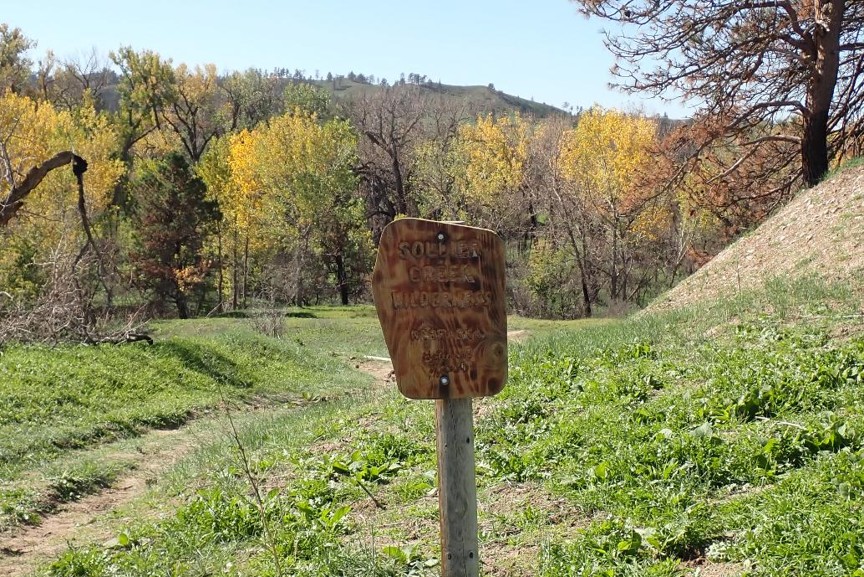
Daryl Bauer, Fisheries Outreach Program Manager
Nebraska is in the middle of the Great Plains. I hate the term “Midwest”. “Midwest” describes places east of the Missouri. Places like Iowa (yuck). We live in the Great Plains and they are a land of extremes. Most years remind us of that.
This year has been a great example. Truthfully, drought has characterized the past few years. Then, all of a sudden, there are several weeks where it rains buckets. The insanity of the weather is usually the origin of our extremes.
Earlier this year, our state experienced wildfires worse than most of us have ever seen. Unfortunately, that is what happens when it is dry for several months. One of those fires was out in the panhandle and burned an area that many of us value for its beauty, wildness, and trout fishing. That fire was the South Fork fire which burned much of the watershed of the south and middle forks of Soldier Creek.
As if that was not enough, those same watersheds received a huge rainfall event this fall. Heavy runoff over ground that has been recently burned is not a good prescription for stream habitats and the fish that live there.
Those forks of Soldier Creek have been a favorite fishing spot of mine for years. Like many of you, I have been anxious about the condition of those waters after this year’s catastrophic events.
Finally had an opportunity this fall to get out that way and check things out. Let me tell you what I found. . . .
First of all, the land looks a lot different. There are a lot of bare buttes out there. Not every pine tree burned, but a lot of them did. There has been some grass that has re-grown and greened up and I am sure things will look a lot better in a year. For now, the buttes looked bare compared to what they used to.
Fire burned into the creek bottoms too, but trees in that lower, wetter, microclimate were still surviving.
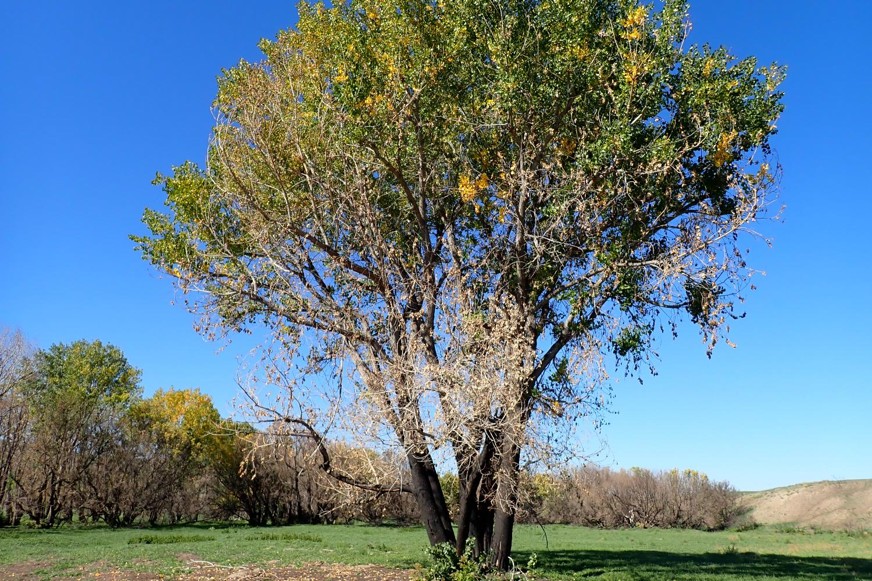
Also evident was that there had been A LOT of water come rushing through there recently.
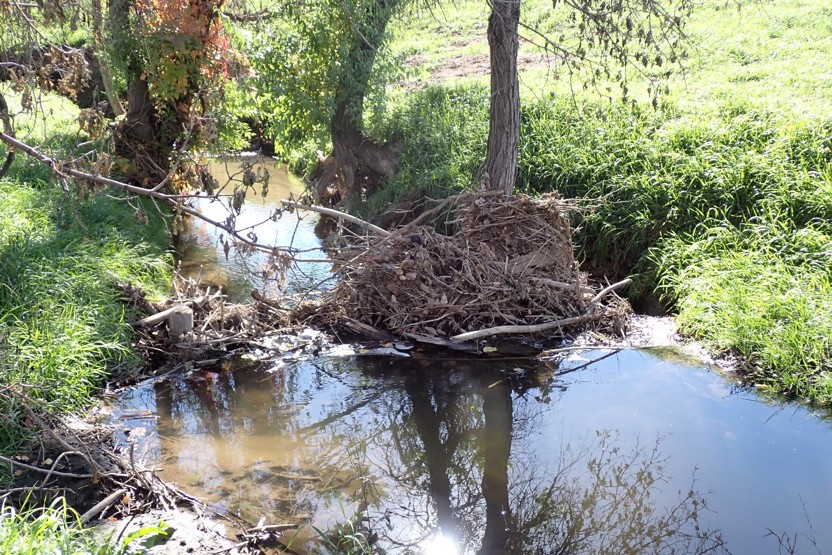
Hurrying up to the wilderness area, I slipped down to the south fork to see what it looked like. Peaking over a bank I saw that a lot of silt had moved and been deposited with the high water.
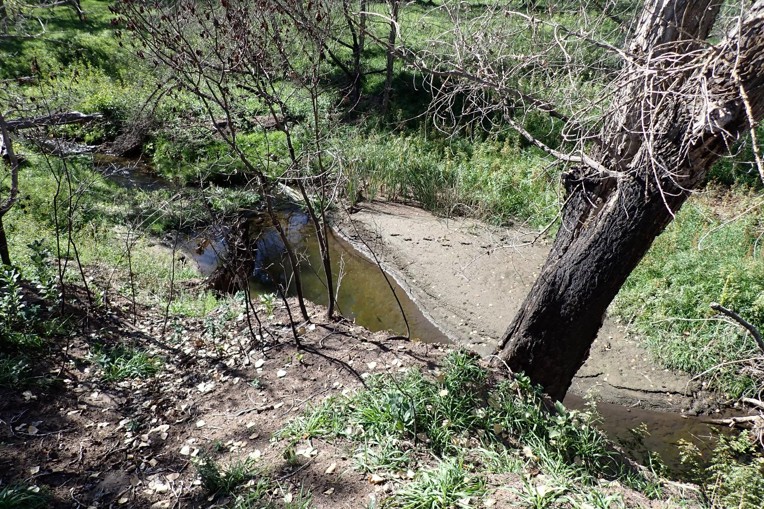
However, water quality was excellent. In several places rocky riffles and runs were present. And if you look really close:
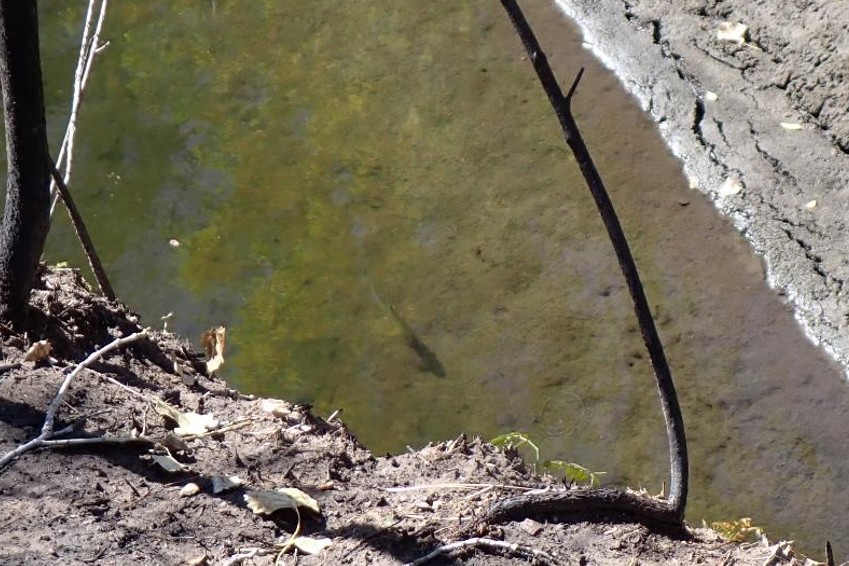
There’s a trout!
After seeing several trout in Soldier Creek, I was convinced things were OK there. So, I headed south to check out the White River.
Again, it was obvious that A LOT of water had washed through.
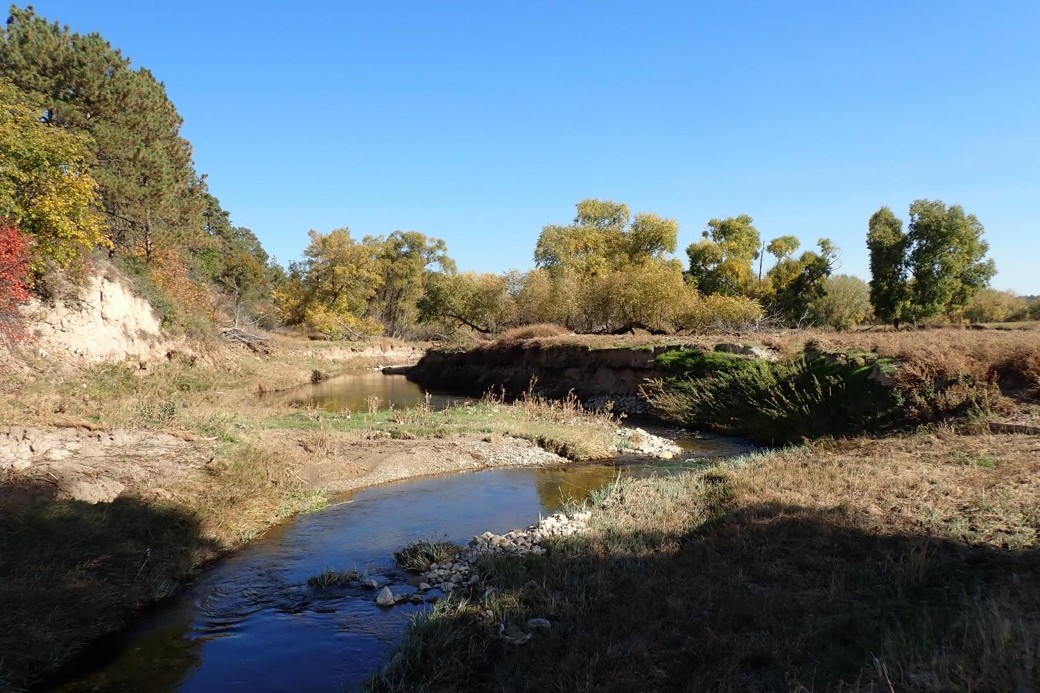
The White looked a lot different than the last time I fished it. The banks and main channel had been scoured. There were changes in pools and riffles. But again, water quality was good, there was plenty of rocky riffles, pools, and woody cover that looked “trouty”.
And they were there:
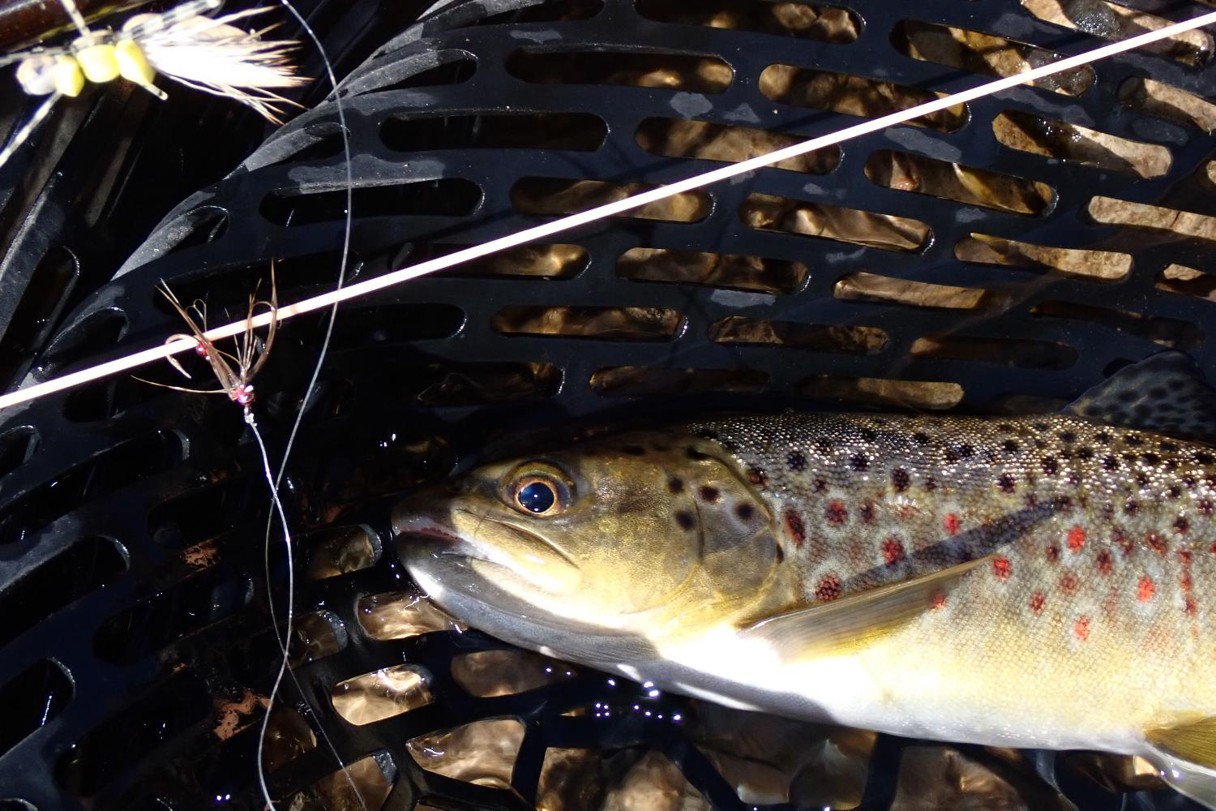
The only constant in nature is change. Yep, water I have fished for years looked different than it used to. Fortunately, the fish like most wild critters are resilient and know how to survive. This is not the first time these calamities have happened, even in these very areas. Through it all, the fish are still there, and I will be going back!