
By David L. Bristow, Nebraska State Historical Society
Kingsley Dam was the world’s second-largest hydraulic-fill dam when it was completed, and it created Nebraska’s largest lake. Its construction provided jobs for hundreds of men during the Great Depression. It brought irrigation, electricity and recreation, and displaced an entire town. But the chain of ideas that led to this massive project can be traced back to a few snow drifts in a Phelps County cornfield.
C. W. McConaughy was a grain merchant who also served as mayor of Holdrege. During a dry year he drove past a field covered with drought-stunted wheat. But in some spots the wheat grew tall and healthy. Curious, McConaughy asked the farmer, who explained that the wheat thrived where high snowdrifts had piled up the previous winter. Snowmelt had soaked into the ground and kept the wheat alive during the long, dry summer.
This gave McConaughy an idea. In 1913, he proposed building canals to divert Platte River water during the spring and fall when the river was high. The water would soak fields in south-central Nebraska, like the snowdrifts but on a larger scale. It was called “supplemental irrigation.”
McConaughy was soon joined by Minden banker George Kingsley. The two men promoted the idea for years. It was not easy to build support, negotiate water rights, and secure federal money to build the Plum Creek reservoirs they wanted. As other people got involved, the plan grew and changed.
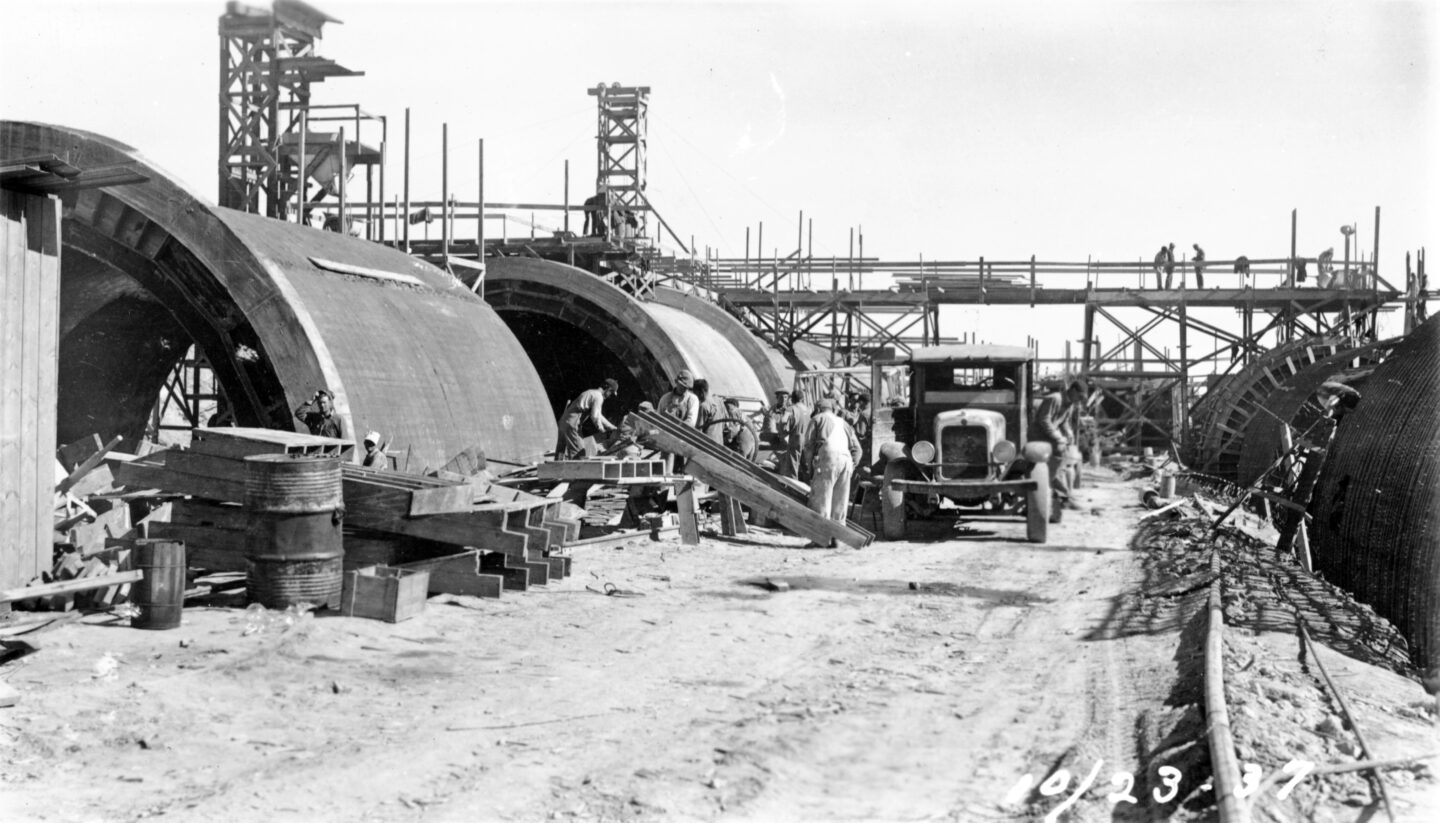
Construction of the first canals of the Tri-County Project finally began in March 1936. McConaughy fired a ceremonial “starting shot” for a huge dragline to begin moving dirt. By then, he was the last surviving member of the project’s original boosters. Later that year, he resigned in protest from the Tri-County board of directors when they decided to prioritize a huge reservoir north of Ogallala rather than the Plum Creek reservoirs closer to Holdrege.
The project had grown far beyond anyone’s original ideas. In addition to the big reservoir, smaller reservoirs would deliver water through the summer along more than 500 miles of canals and laterals. And at the insistence of Sen. George Norris, publicly owned hydropower would help pay for it.
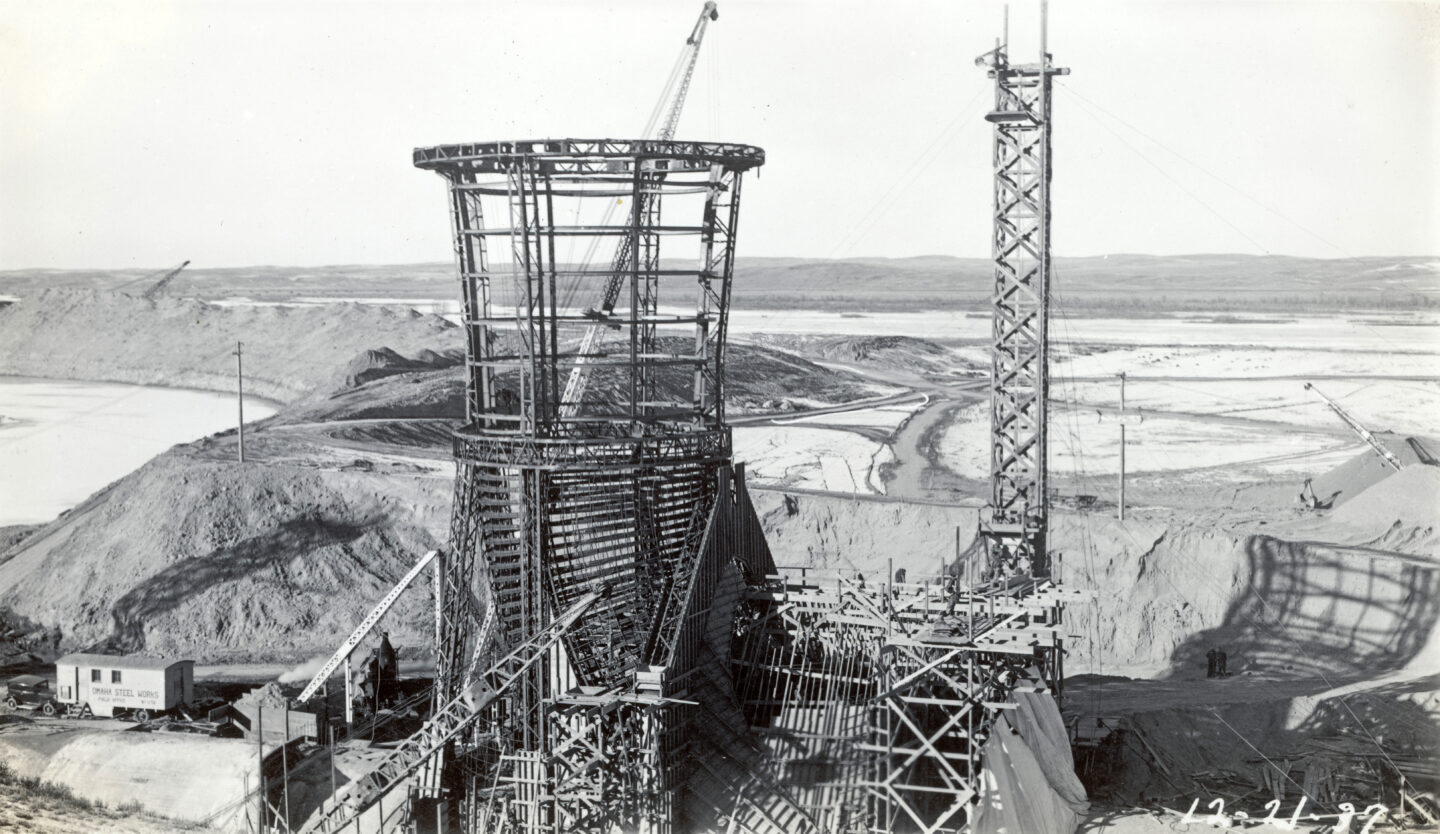
The big dam was to be named for George Kingsley, who had died several years earlier. Workers lived in a temporary construction site village known as “Kingsleyville.” They spent years pumping clay and riverbed sand to build the 3.5-mile-long-dam, covering it with rock riprap and building the tower of the Morning Glory Spillway.

Several miles upstream, the town of Lemoyne was relocated to higher ground before the spillway closed. Buildings were dismantled and rebuilt at the new townsite. Only foundations remained — underwater except during times of extreme drought.
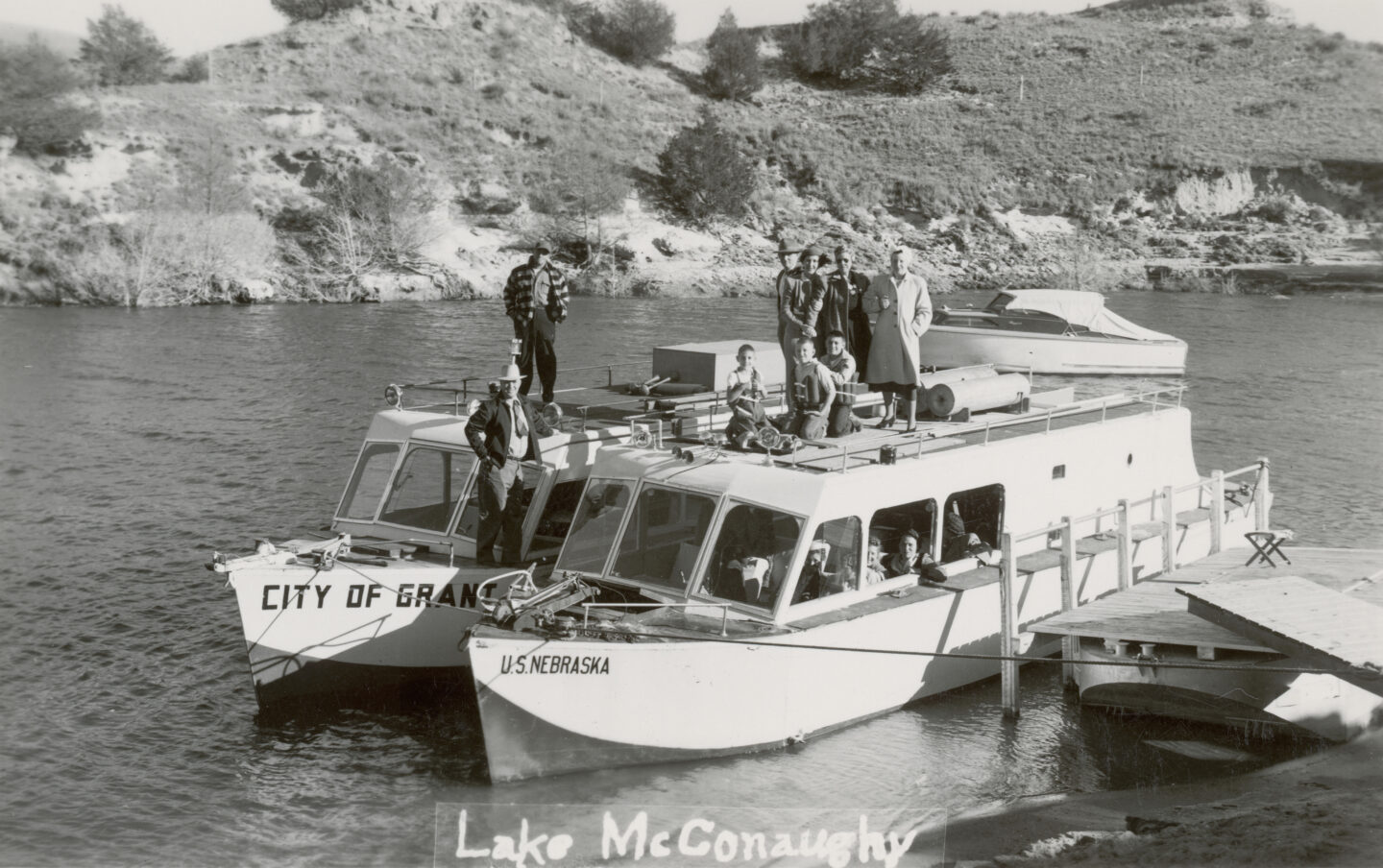
C. W. McConaughy died only a few months before Kingsley Dam was completed. Before the dam was dedicated July 22, 1941, the Tri-County board of directors decided to name the reservoir in his honor. Disagreements were forgotten as McConaughy was remembered as the “father of Tri-County.”