
By Monica Macoubrie, Wildlife Education Specialist
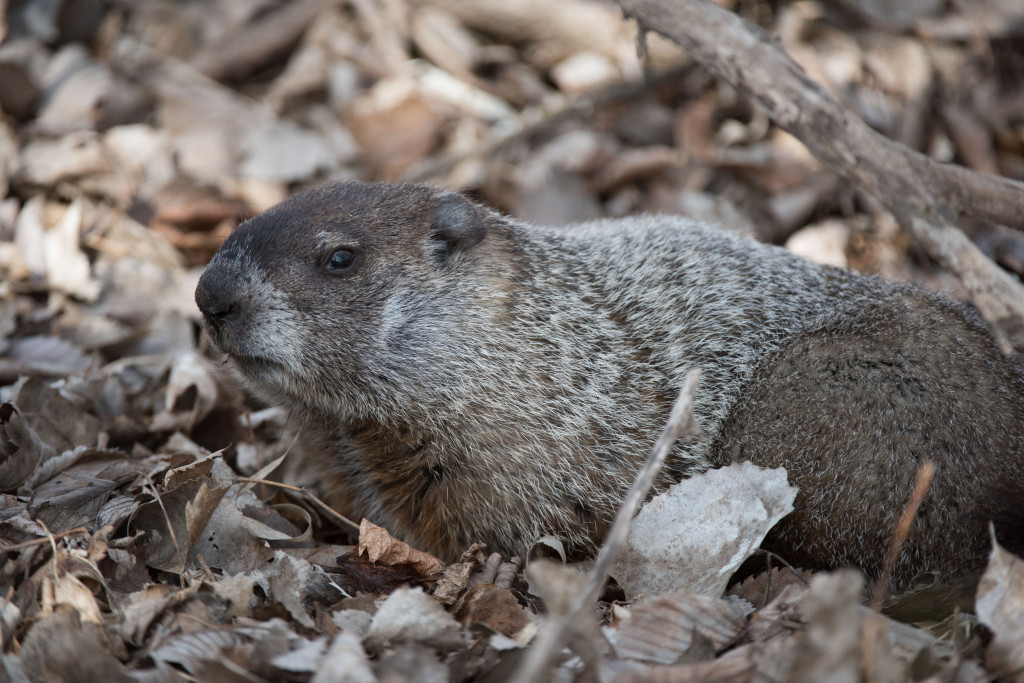
If you’ve ever been halfway through your morning coffee, glanced out the window and caught a flash of brown waddling across your yard like it owns the place, then you’ve met a groundhog. In Nebraska they are certainly not rare — more selectively visible. Also known as woodchucks or whistle pigs, these creatures are part nuisance and part neighbor. They are fascinating if you take the time to watch one.
Masters of the Underground
Groundhogs are rodents and related to squirrels. However, calling them “big squirrels” is like calling a tractor a lawnmower. These creatures are solid, low-to-the-ground and built for digging, not climbing like their relatives.
Here in Nebraska, you’re most likely to spot groundhogs along field edges, fence lines or those in-between places humans tend to overlook. They like a mix of open space and quick cover, which is why rural yards and the outskirts of town are prime real estate. And if you think you have seen a den opening, chances are it’s just the tip of the iceberg. Where there’s one burrow, there’s usually a whole system underground.
A groundhog doesn’t just dig a hole, it builds a network — multiple underground entrances, hidden exits, sleeping chambers, and even a designated bathroom area. This carefully planned subterranean home keeps them safe from predators, weather and anything else Nebraska decides to throw at them.

What They’re Actually Doing All Day
Groundhogs are busy, let’s leave it at that. Most of their day revolves around eating and staying alert. They’re herbivores, and they’re not picky. Grasses, clover, garden vegetables and wild plants are all things they would munch on. If it grows, and it’s accessible, it’s fair game.
Gardeners tend to have strong opinions about groundhogs, and I get it. You don’t spend weeks or months growing something just to have it disappear overnight. But from the groundhog’s perspective, your garden is an all-you-can-eat buffet with zero effort required.
One of the more interesting things about groundhogs is how in sync they are with the seasons. They’re true hibernators, which means when winter hits in Nebraska, they’re not just hiding, they’re out cold. By late fall, they’ve already packed on enough weight to get them through months underground. During hibernation, their heart rate drops, breathing slows, and they basically ride out winter in a long, uninterrupted sleep.
The Yard Mate You Didn’t Ask For
Living alongside groundhogs is a mixed bag. On one hand, they’re part of the natural rhythm of the landscape. On the other, they can rearrange your property without permission. They can undermine structures, chew through gardens and basically resemble a bad tenant on a lease they never signed. But they’re also cautious, solitary and not interested in bothering you directly. Most conflicts come down to shared spaces and resources, not aggression.
Seeing them Differently
It’s easy to dismiss groundhogs as just another backyard problem. But if you watch one for more than a minute — really watch — it’s hard not to appreciate what you’re seeing: A completely self-sufficient animal. A skilled engineer. A seasonal strategist. A creature that’s been doing this long before our houses, fences and gardens showed up. They don’t need a lot, mostly just a little space and a patch of earth to work with. And in Nebraska, that’s something we’ve got plenty of, even if sometimes we have to share it a bit more than we planned.
Groundhogs are not pests. They’re just an animal doing what they were built to do.