Photos and story by Eric Fowler
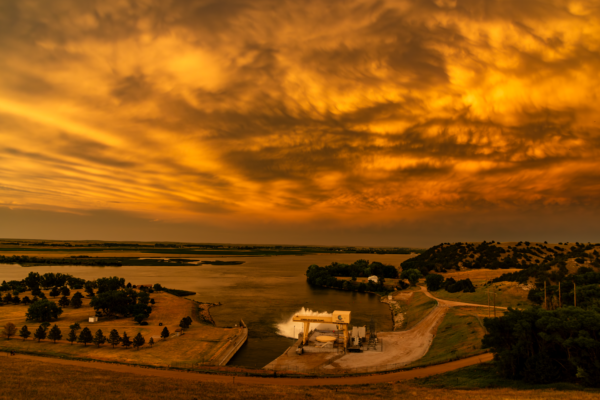
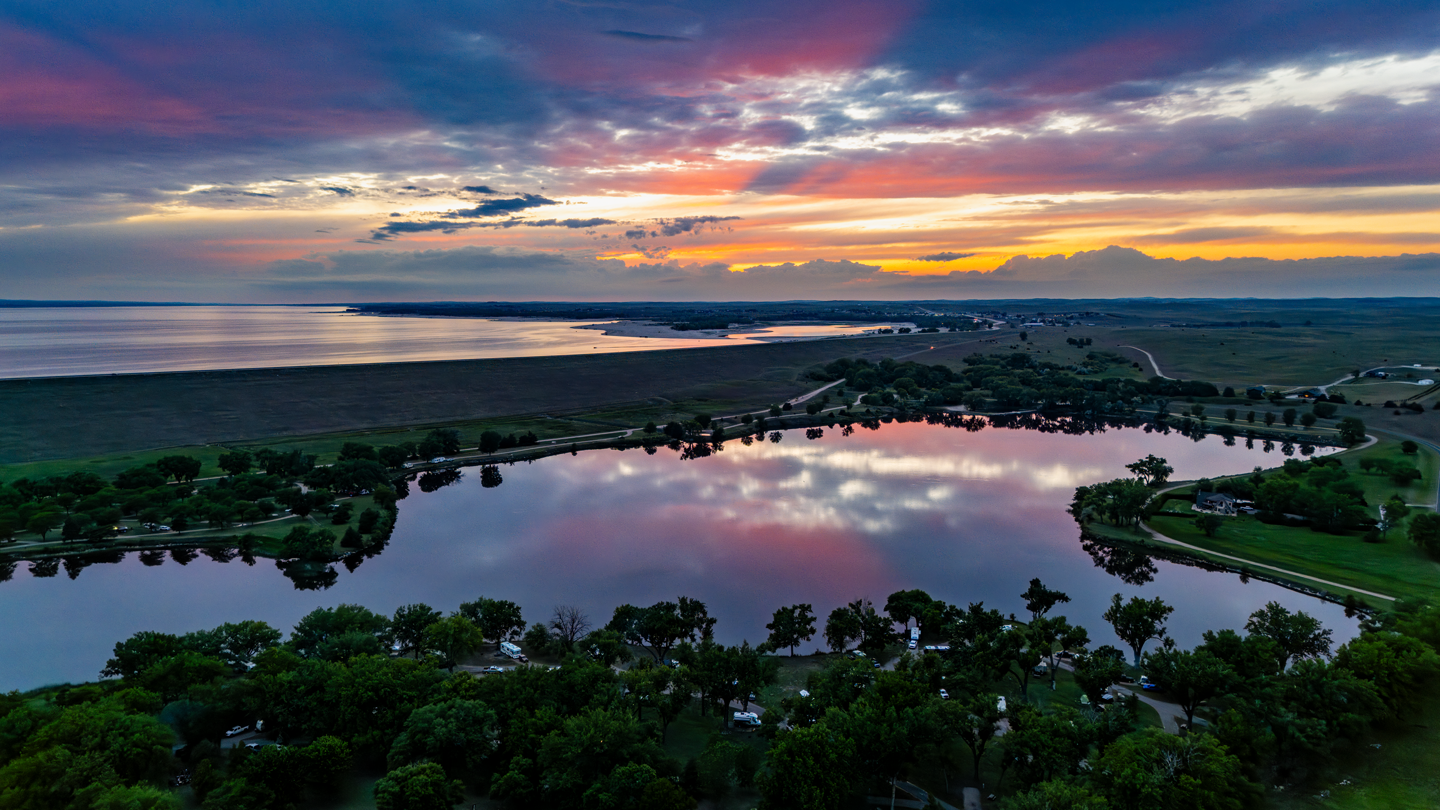
The sun sets a little earlier at Lake Ogallala than it does elsewhere in Keith County, as much as a half hour earlier if you are parked in the west campground of the lake.
That’s what happens when you find yourself in the shadow of Kingsley Dam, rising 150 feet above the west side of the lake.
Not only does Lake Ogallala literally lie in the shadow of the dam, and Lake McConaughy behind it, it sits there figuratively as well. And that suits its regulars, who often refer to it simply as “the little lake,” just fine.
The depression left behind when sand and clay were pumped from the North Platte River Valley to build Kingsley Dam between 1935 and 1941 is Lake Ogallala. But while they were born at the same time, the two couldn’t be more different.
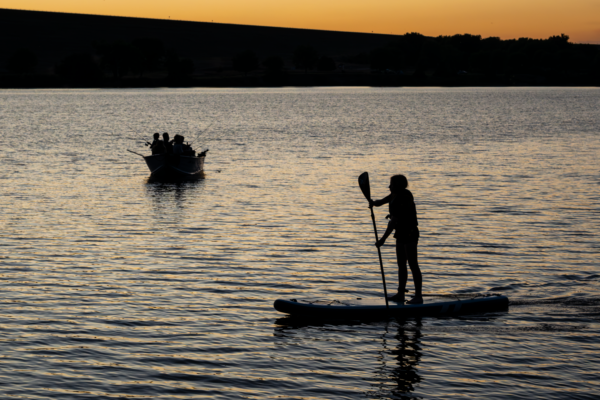
There are no Jet skis flying around the little lake, where the speed limit is 5 mph. No wake boats with loud music blaring from their speakers either. You will find kayaks and fishing boats plying its waters, which are sheltered from the westerly winds by the dam.
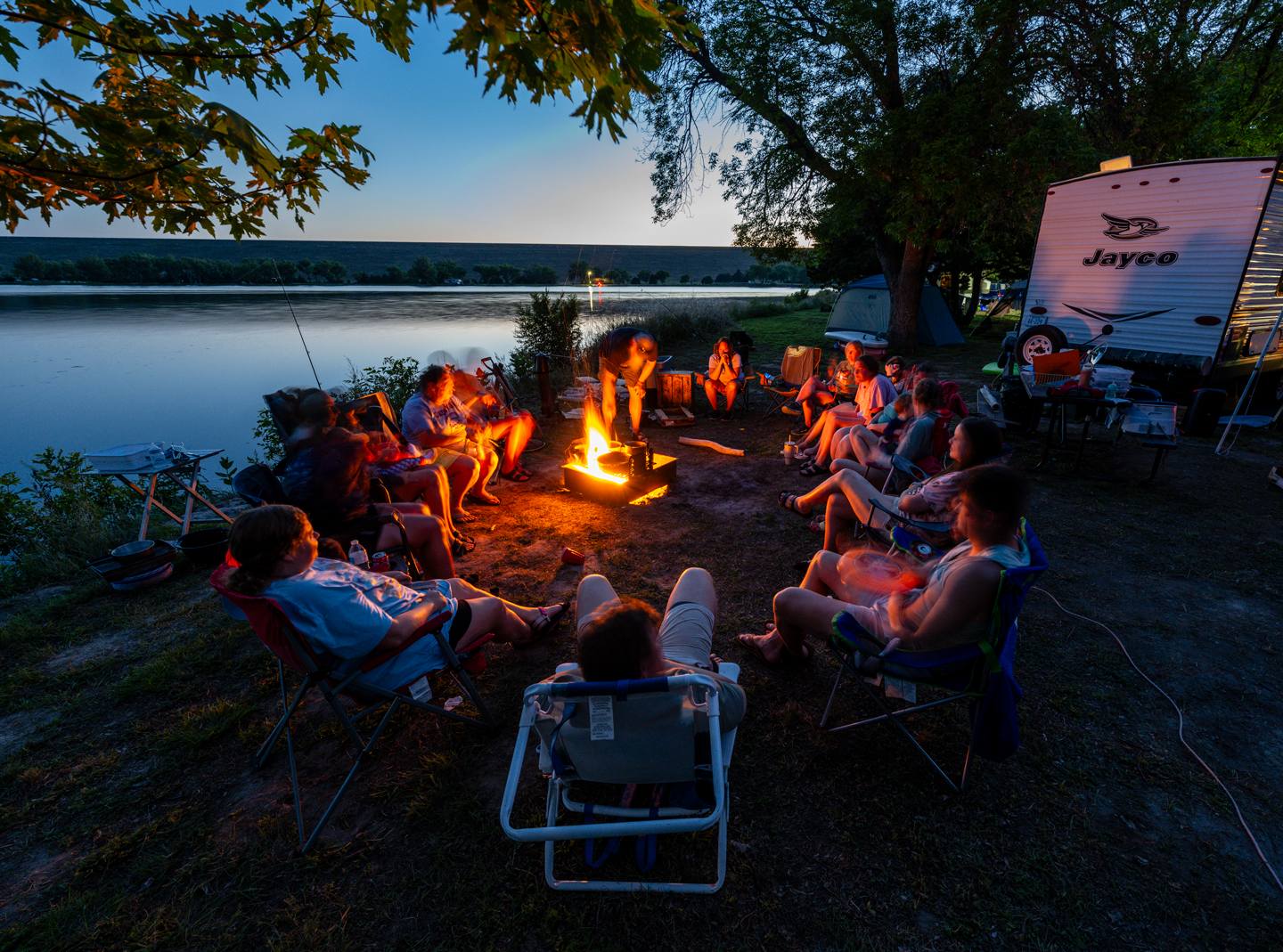
The campgrounds are quiet, too, be it the modern campground on the east side or the basic RV and tent sites strung along the north and west sides. The most noise you are likely to hear is from playgrounds in the east and west campgrounds when the youngsters are burning off some energy, or from a spirited conversation around the evening campfire.
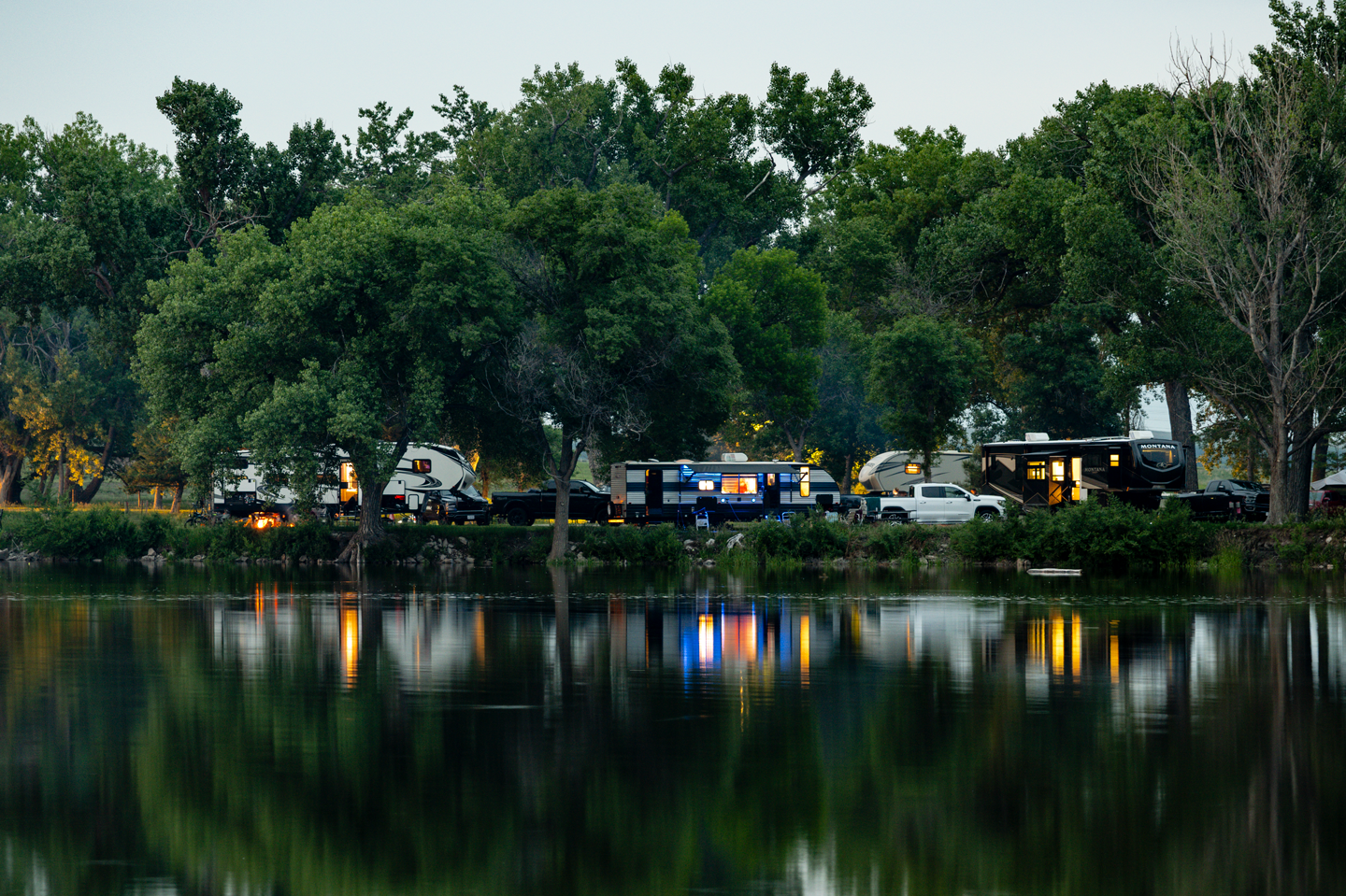
There are no white sand beaches on the little lake either. You can swim there if you like, but you will likely find the water, which is drawn from the depths of Big Mac, a bit cold. That makes it more suited for trout and yellow perch, which have done well in the cold, clear waters since a 2023 Aquatic Habitat Program project renovated the lake to reset a fish population dominated by common carp and white suckers.
More than 134,000 9- to 13-inch trout have been stocked since, mostly rainbows but also some tiger trout, a brook and brown trout hybrid, and cutbows, a cross between cutthroat and rainbow trout. With plenty of invertebrates to eat, these trout are growing fast, 6- to 8-inches a year, with some already reaching Master Angler proportions now topping 23 inches, or 5 pounds.
The 80,000 perch that were stocked are growing nicely, too, with some topping 8 inches. While none were stocked, plenty of channel catfish have swum through the dam, including some big ones waiting to be caught. This year, walleyes will be added to the mix as well.
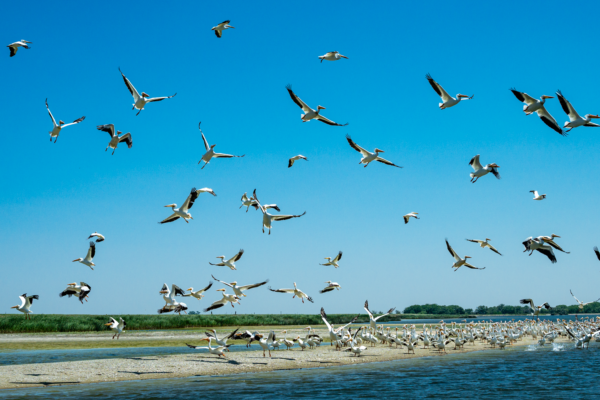
If you want some exercise, you can take the nearly mile-long mowed trail up the north end of the dam, hop across the highway and go explore the beach at Martin Bay. Or you can take the Lake Ogallala Hike-Bike Trail from the east campground to the Nebraska Public Power District’s Diversion Dam. There, along the shallow Keystone Pool, you might find pelicans, shorebirds and other waterbirds feeding on shallow flats or in deeper water. If you are really adventurous, you can take a 6.4 mile lap around the lake.
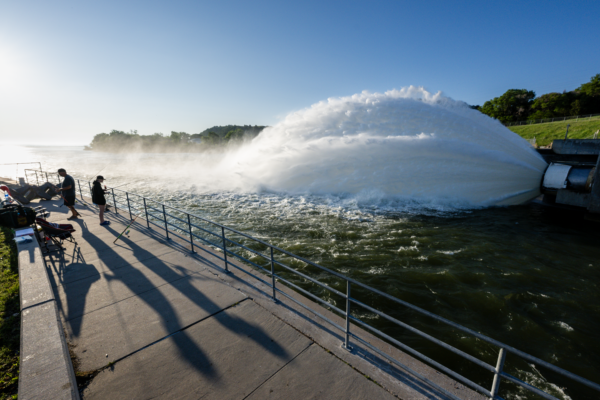
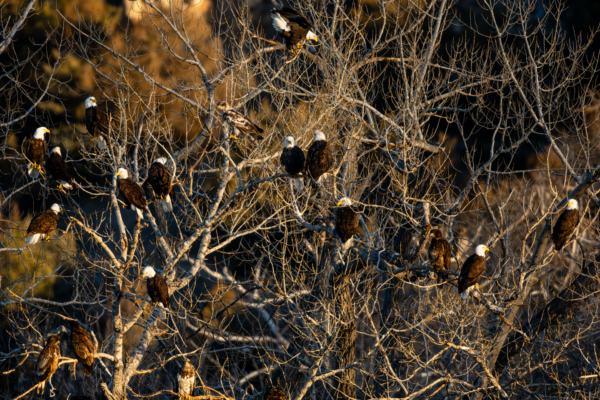
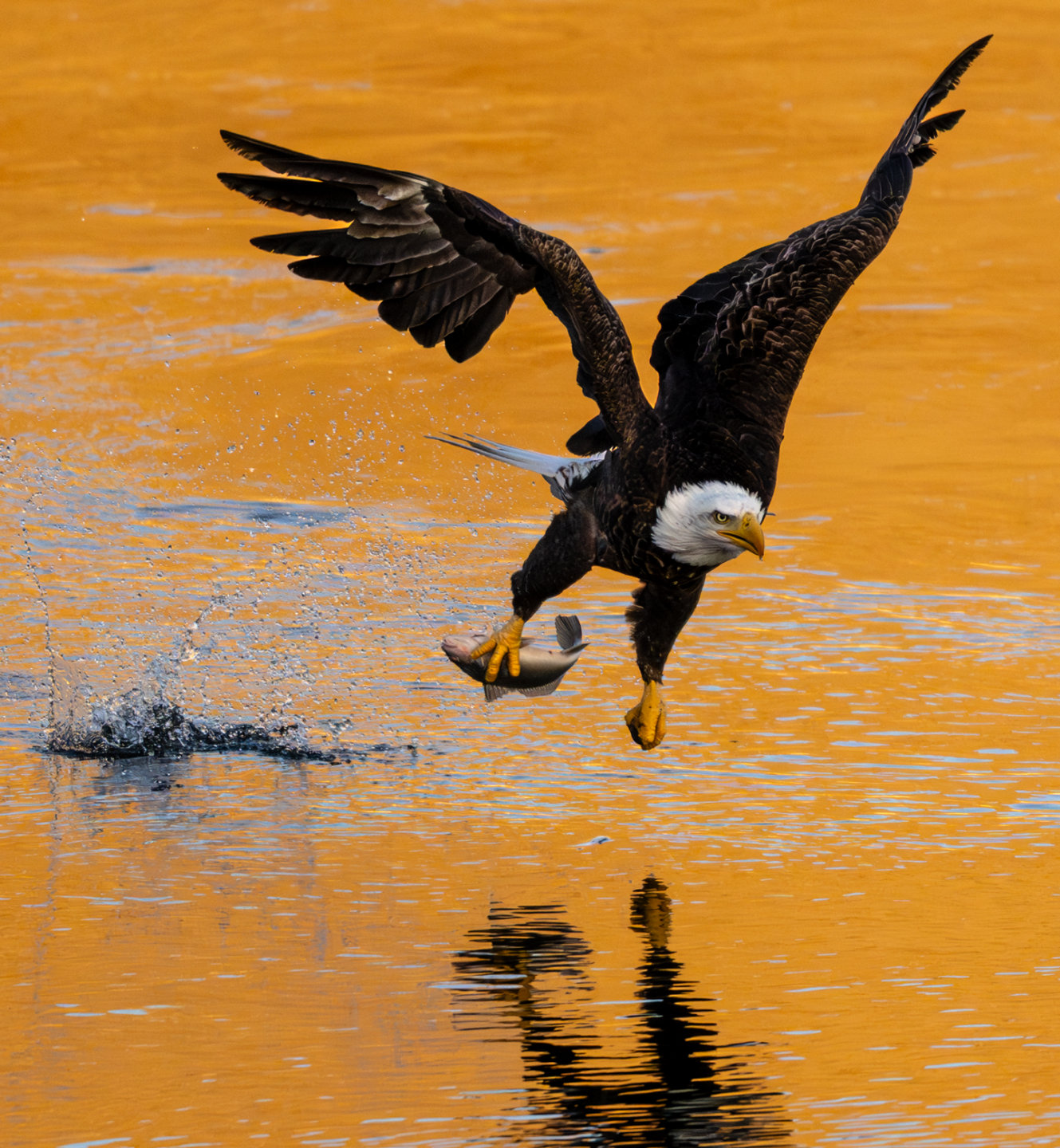
The Keystone basin draws duck and goose hunters during the fall and winter. And during winter, especially when rivers and lakes, including McConaughy, freeze, bald eagles and other waterbirds flock to the spillway in the southwest corner of the lake to feed on alewife, gizzard shad and other fish that flushed through Central Nebraska Public Power and Irrigation District’s hydroelectric plant.
“We love it over here,” said Vincent Cooper of North Platte, who, with his wife, Tia, camp there often. “You can’t beat waking up and looking out of your tent and seeing this.” He pointed to the lake and the cedar-covered hills on its south shore.
It’s a different world below the dam. And people like it that way.
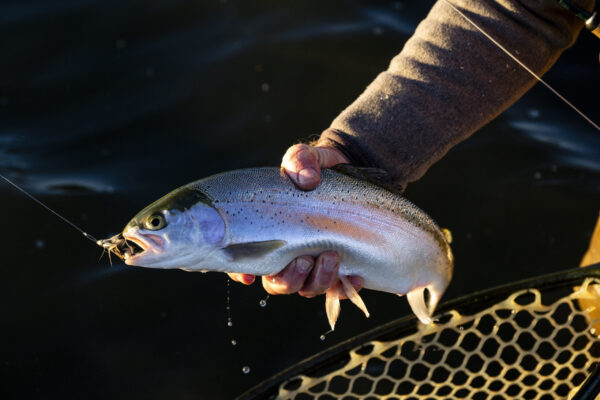 Rainbow trout are thriving in Lake Ogallala following an Aquatic Habitat Program project completed in 2022. Photo by Eric Fowler, Nebraskaland Magazine.