By Julie Geiser
It’s cliché, we know: Some things change through the years, while others seem to stay the same. Our state park system is no different. And throughout all of these changes, or lack there of, their photos have been featured in Nebraskaland Magazine.
Smith Falls
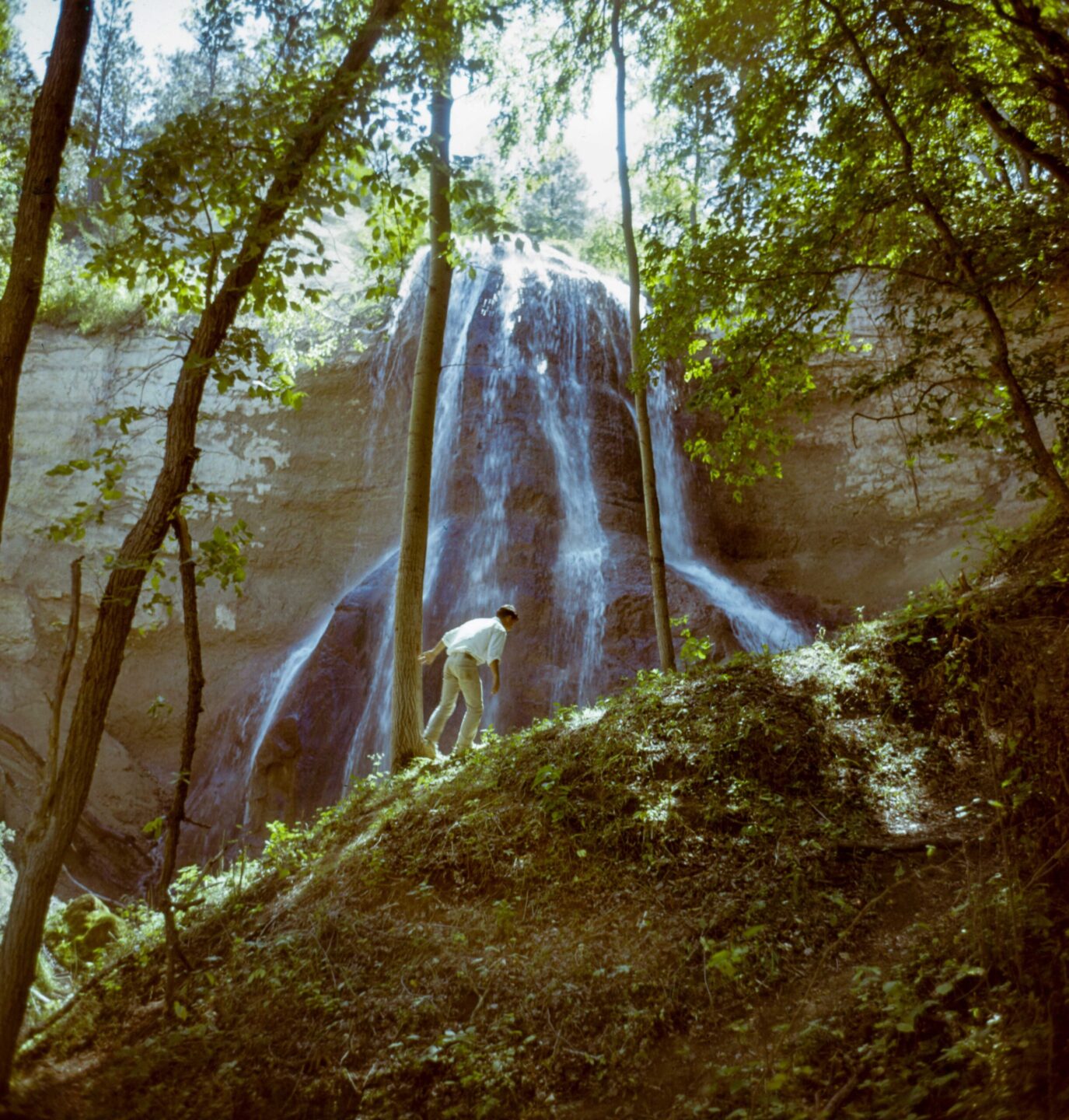
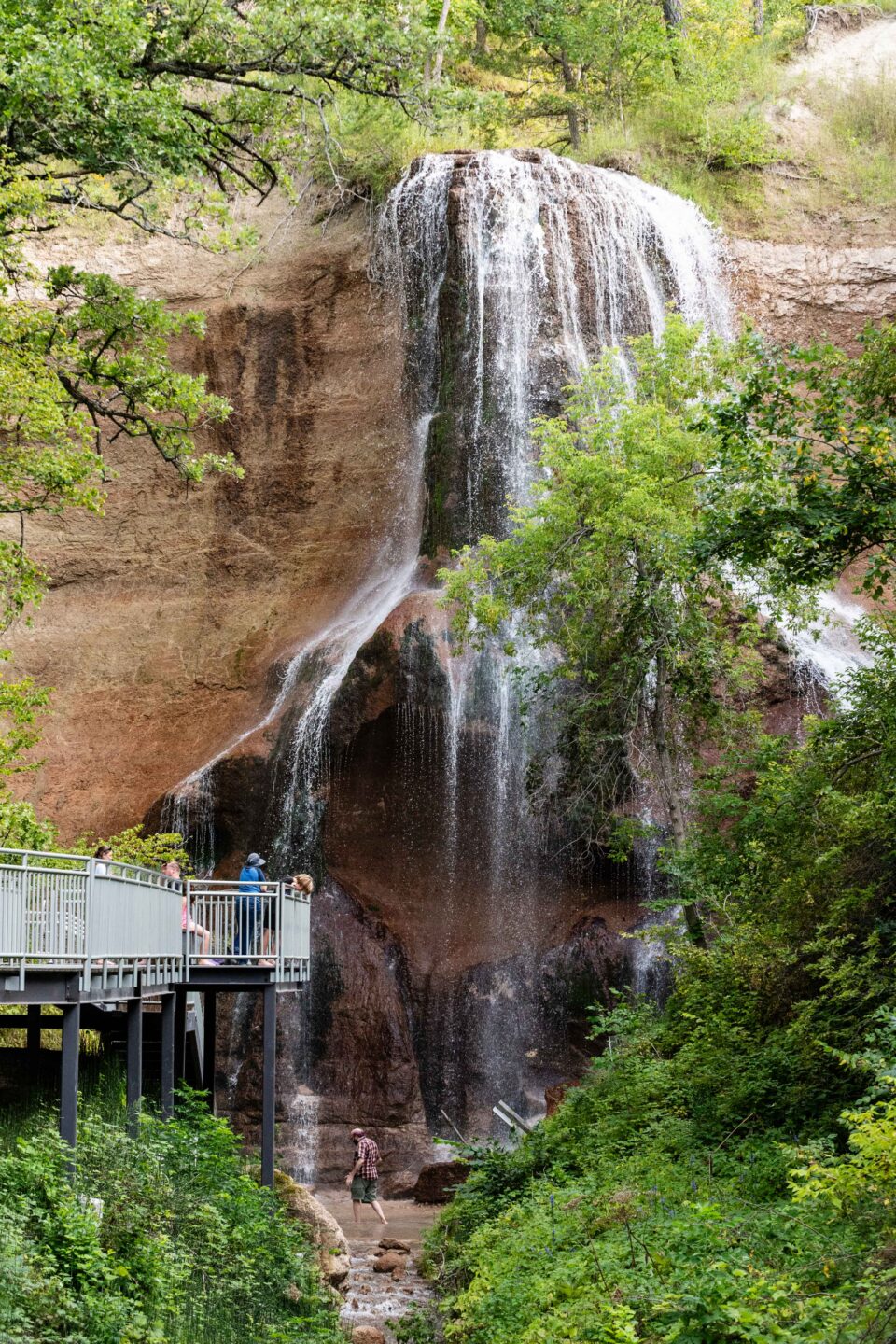
Early settlers knew Smith Falls as Arikaree Falls, in reference to a semi-nomadic tribe of Native Americans that lived in the area. In 1896, Frederic Smith filed the first homestead patent for the land and is who the falls are now named after. In 1941, Sandhills farmer Fred Krzyzanowski bought the property to graze cattle, not knowing at first that the beautiful falls were on his newly purchased land. In 1992, the Game and Parks Commission agreed to a lease with the Krzyzanowski family, turning the area into a state park.
Buffalo Bill
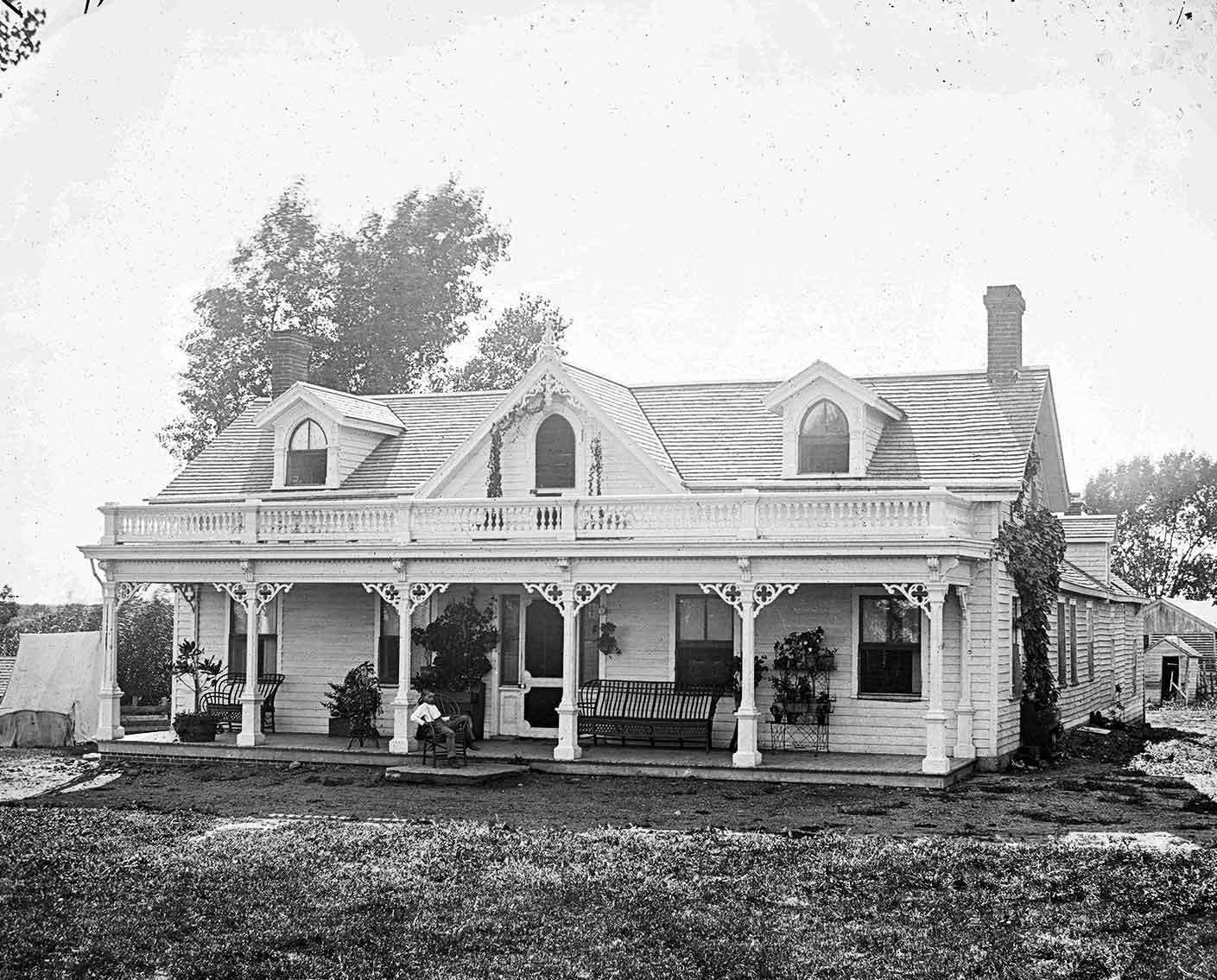
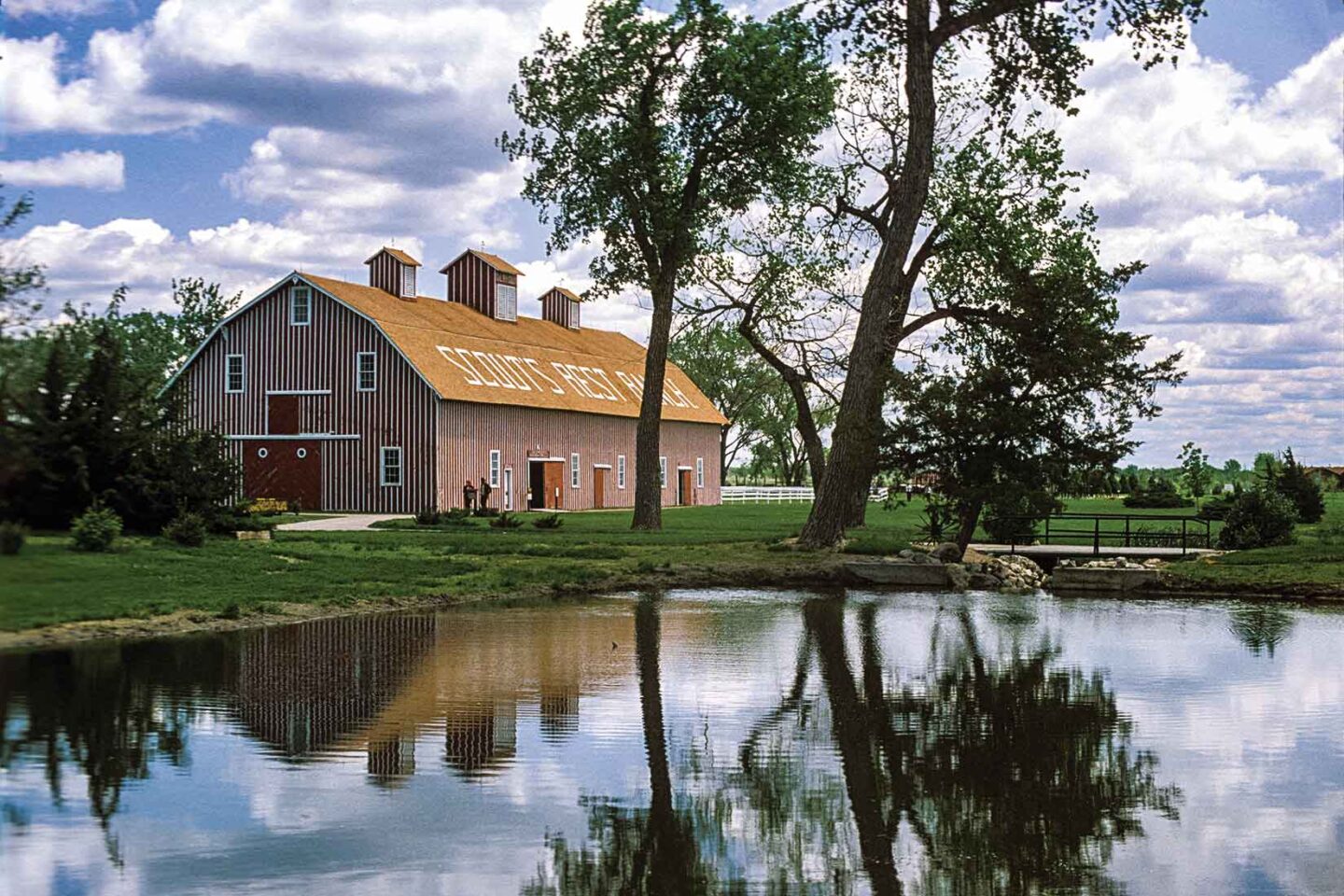
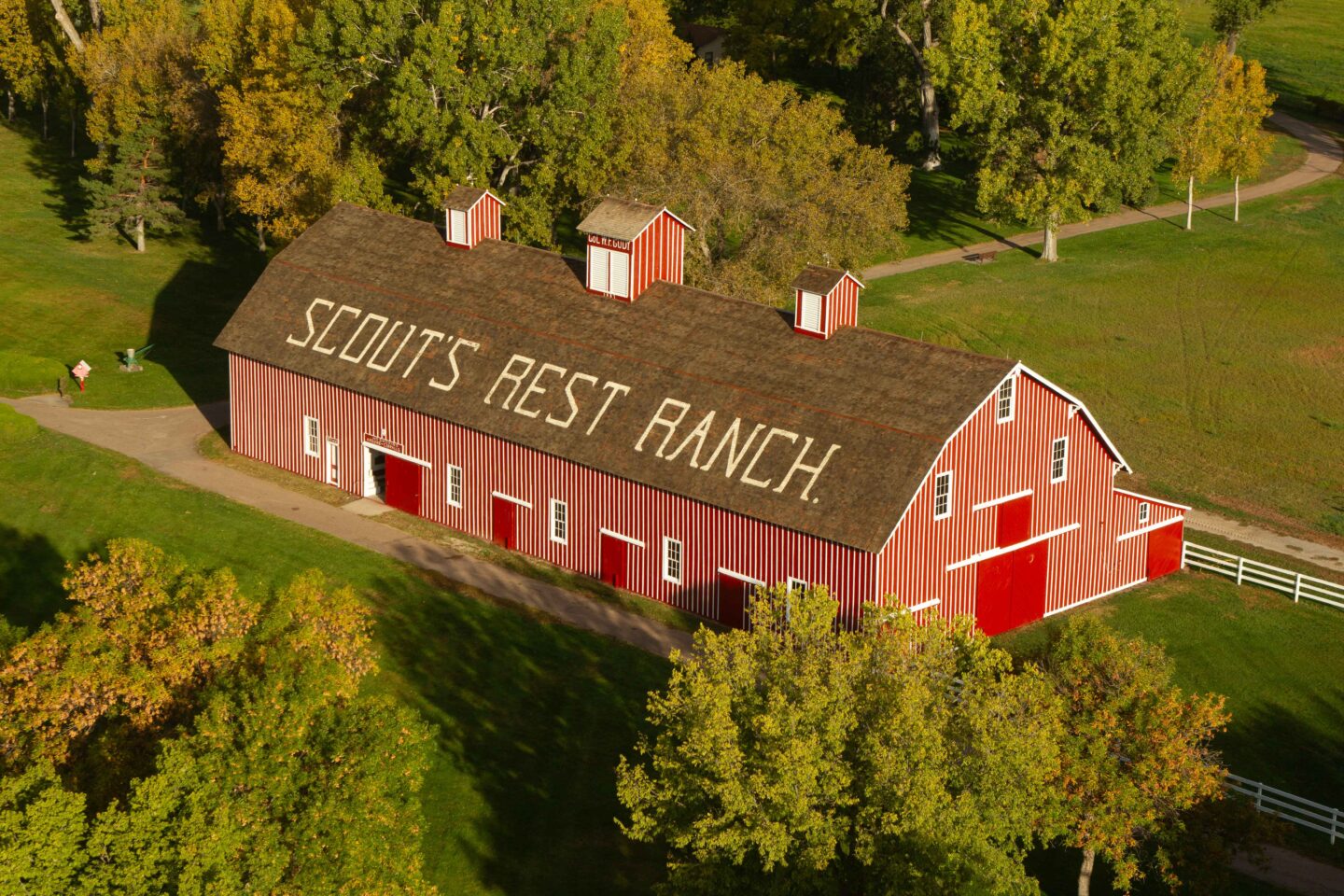
Once the home of American scout, Pony Express rider, buffalo hunter and famed showman William F. “Buffalo Bill” Cody, Buffalo Bill Ranch State Historical Park at North Platte recaptures his life through memorabilia displayed in the mansion and Scout’s Rest Ranch barn.
Fort Robinson
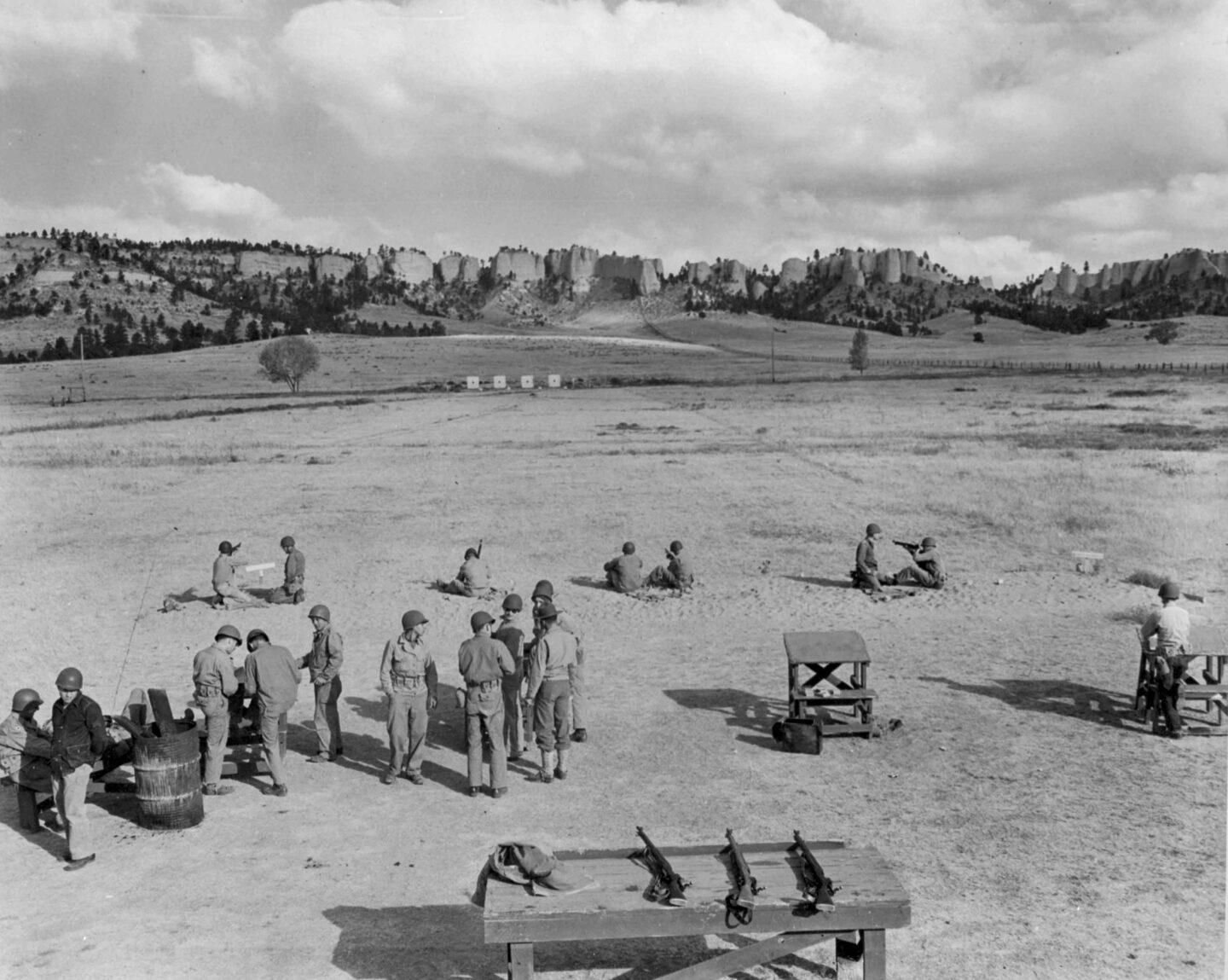
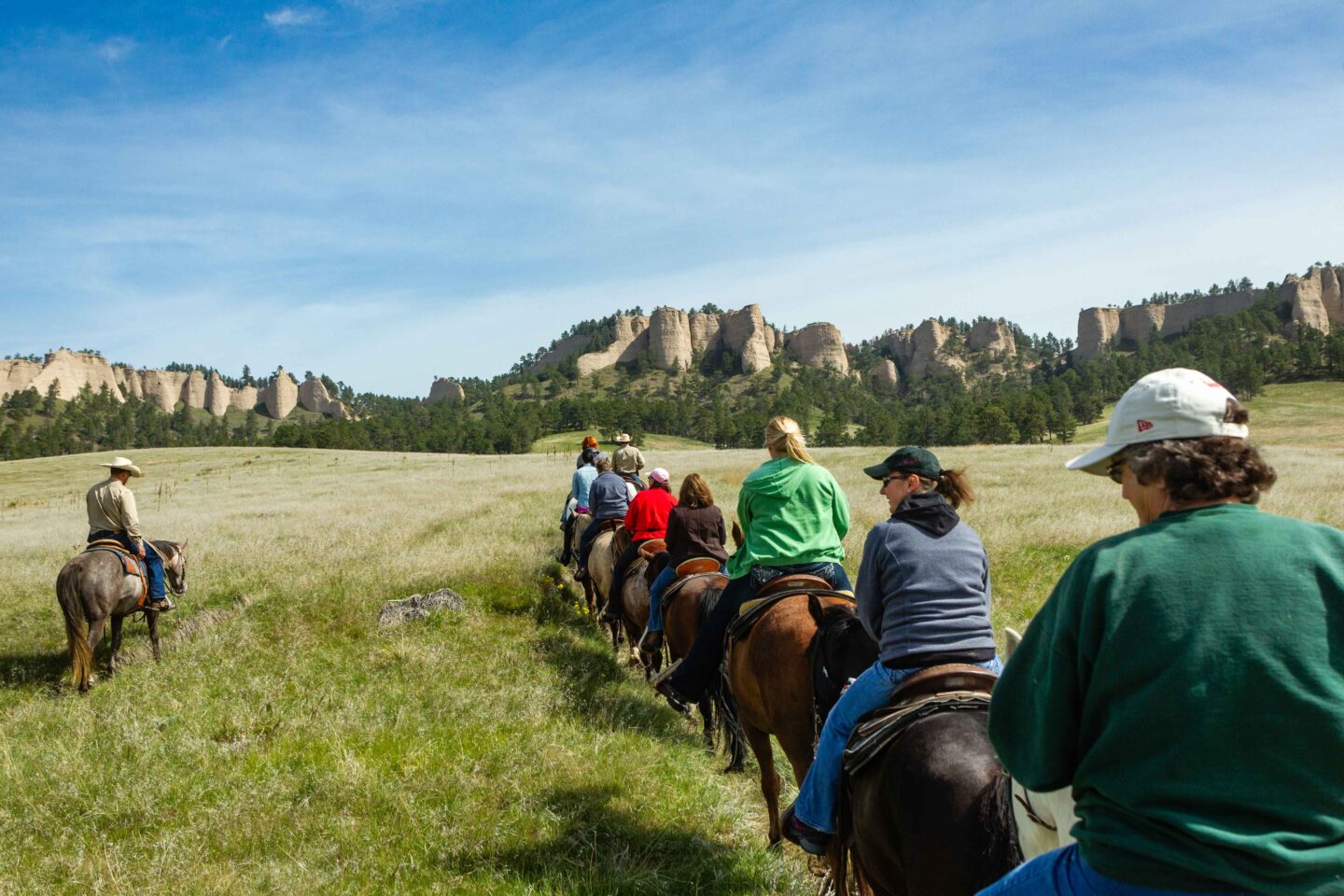
Fort Robinson was the site of the tragic Cheyenne Breakout in 1879 and the death of famed Sioux Chief Crazy Horse. Over the years, the fort served as the Red Cloud Indian Agency, as a cavalry remount station, K-9 dog training center, POW camp and beef research station. Located near Crawford, the park comprises more than 22,000 acres of exquisite Pine Ridge scenery, offering 60 miles of hiking trails and 20 miles of mountain biking trails, making it Nebraska’s top park for hiking enthusiasts.
Chadron
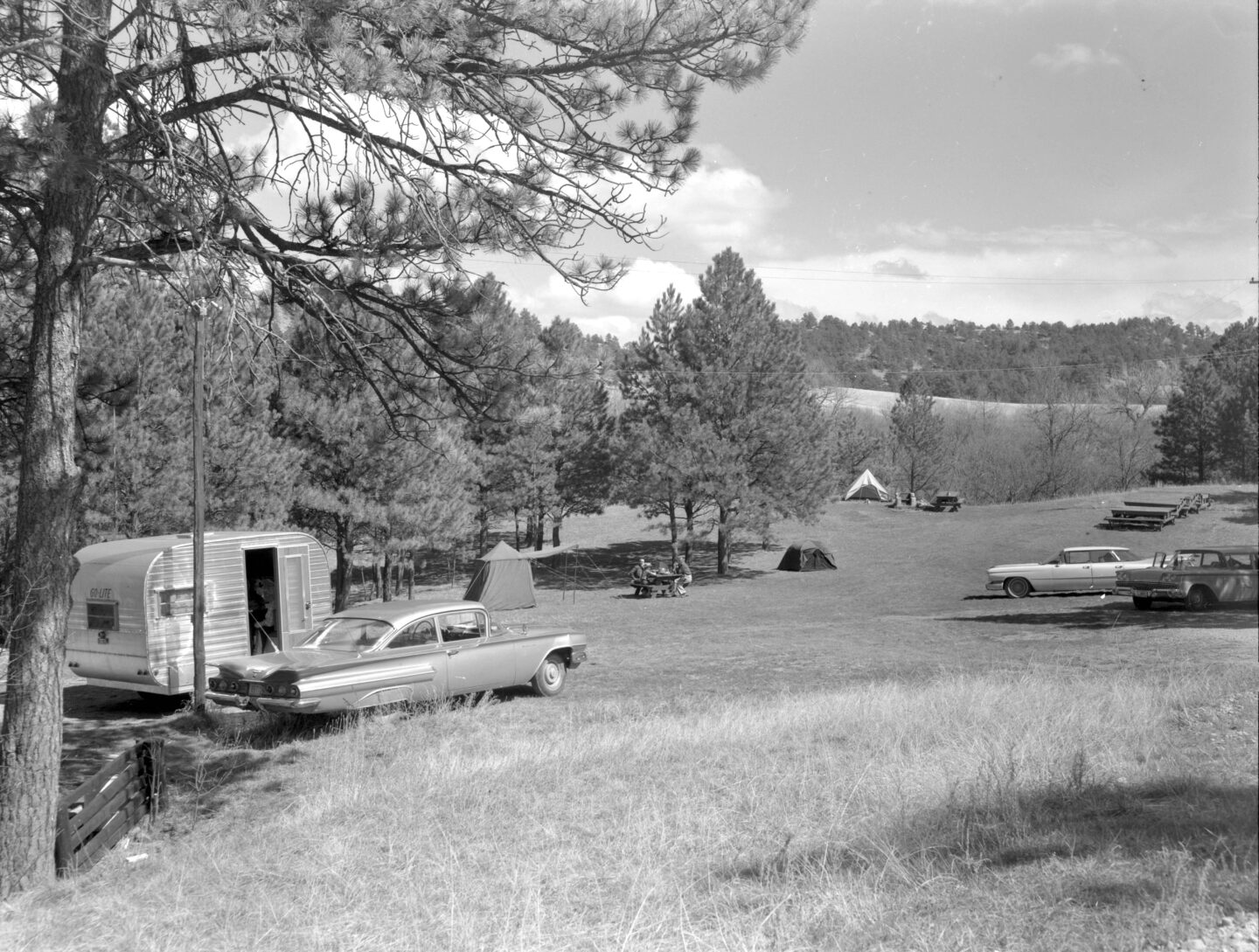
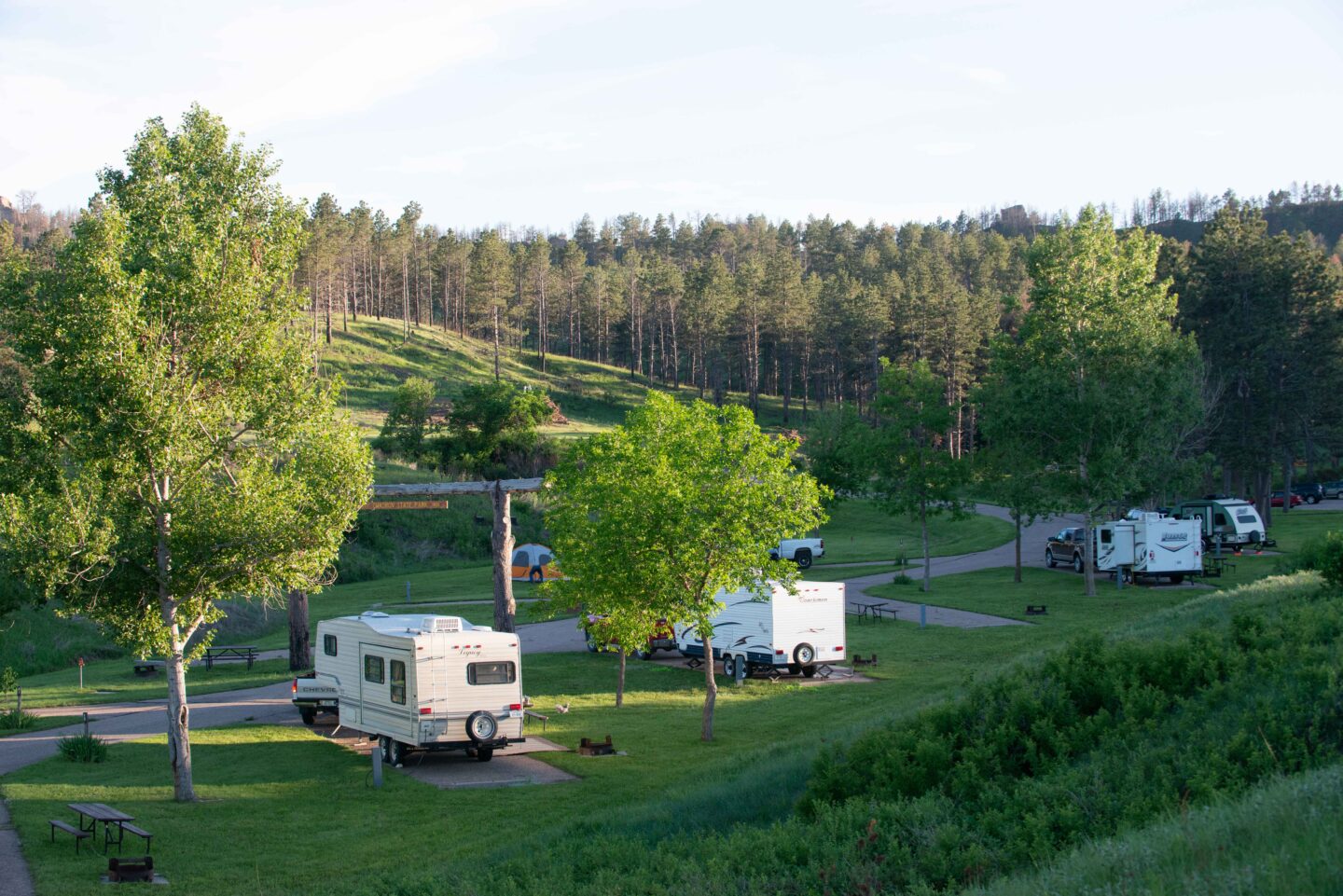
Chadron State Park, founded in 1921, is Nebraska’s first state park and has been a crown jewel of the Pine Ridge for more than a century. Campers and other visitors have long admired its mix of open fields and surrounding outcroppings as one of the state’s most stunning landscapes.
Indian Cave
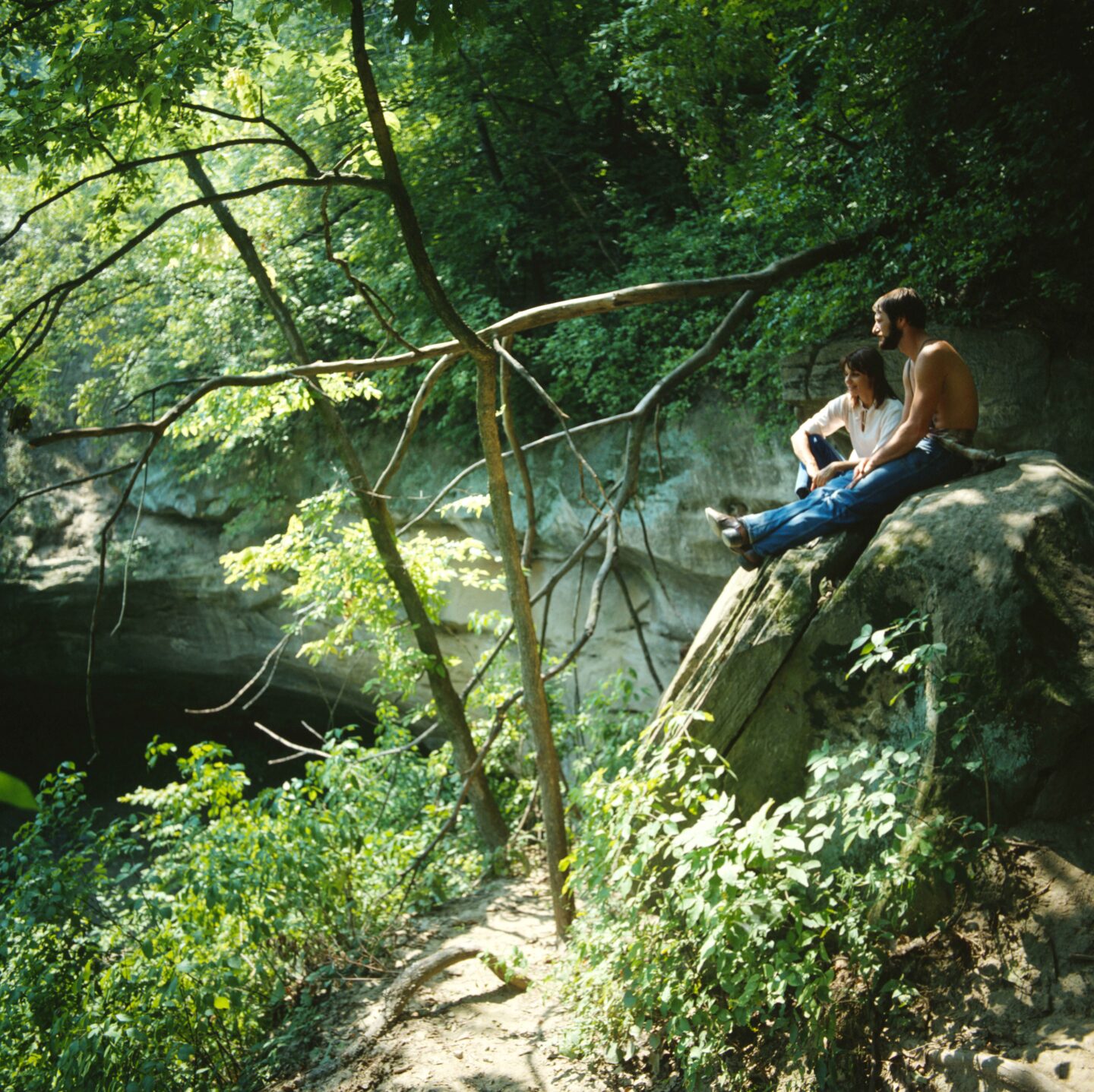
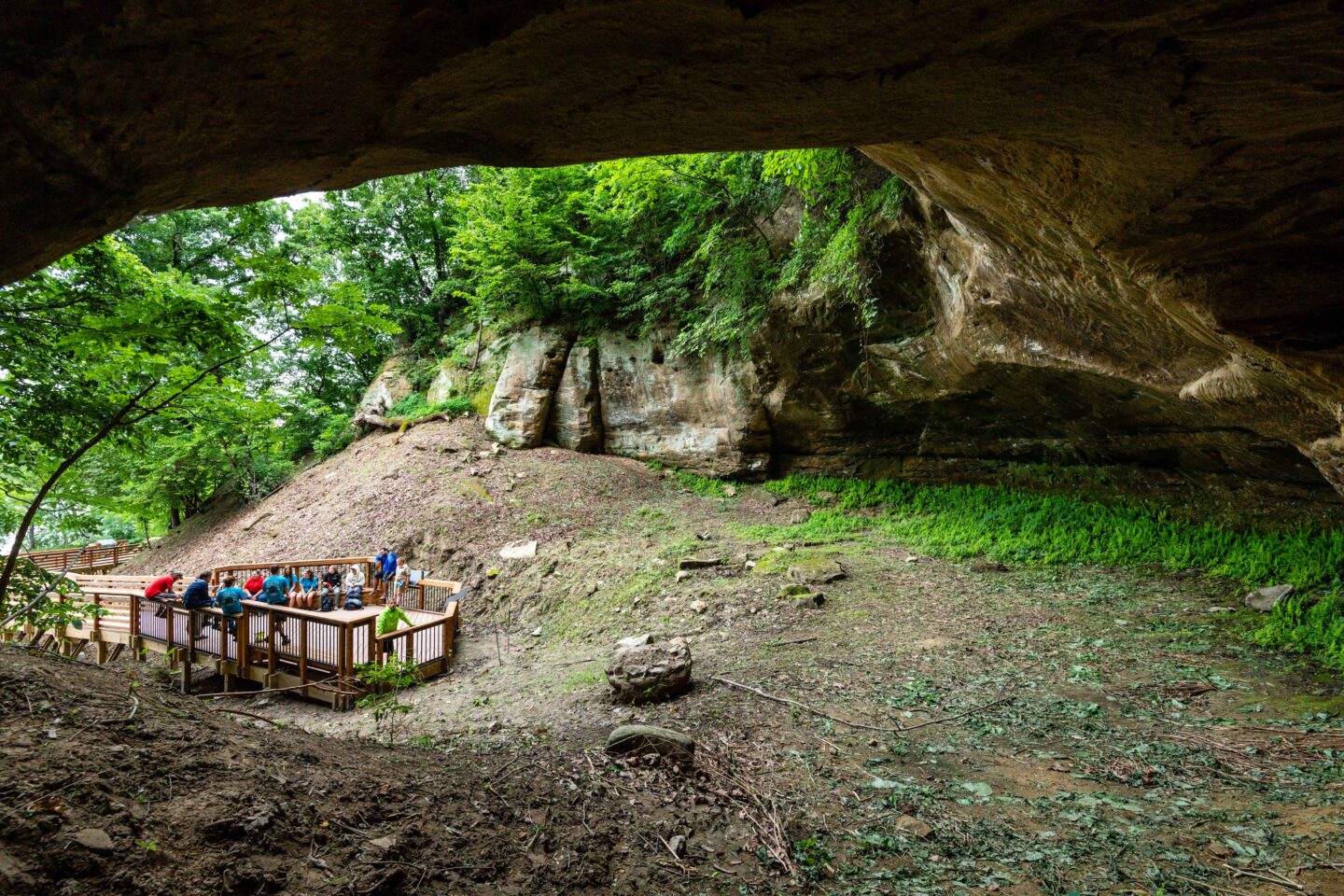
Indian Cave is the main geologic feature of this state park and bears prehistoric Native American petroglyphs of unknown date and origin. These unique features can now be viewed from the ADA-accessible boardwalk that has seating, informational signs and a viewing deck seated just below the cave opening.
Ashfall Fossil Beds
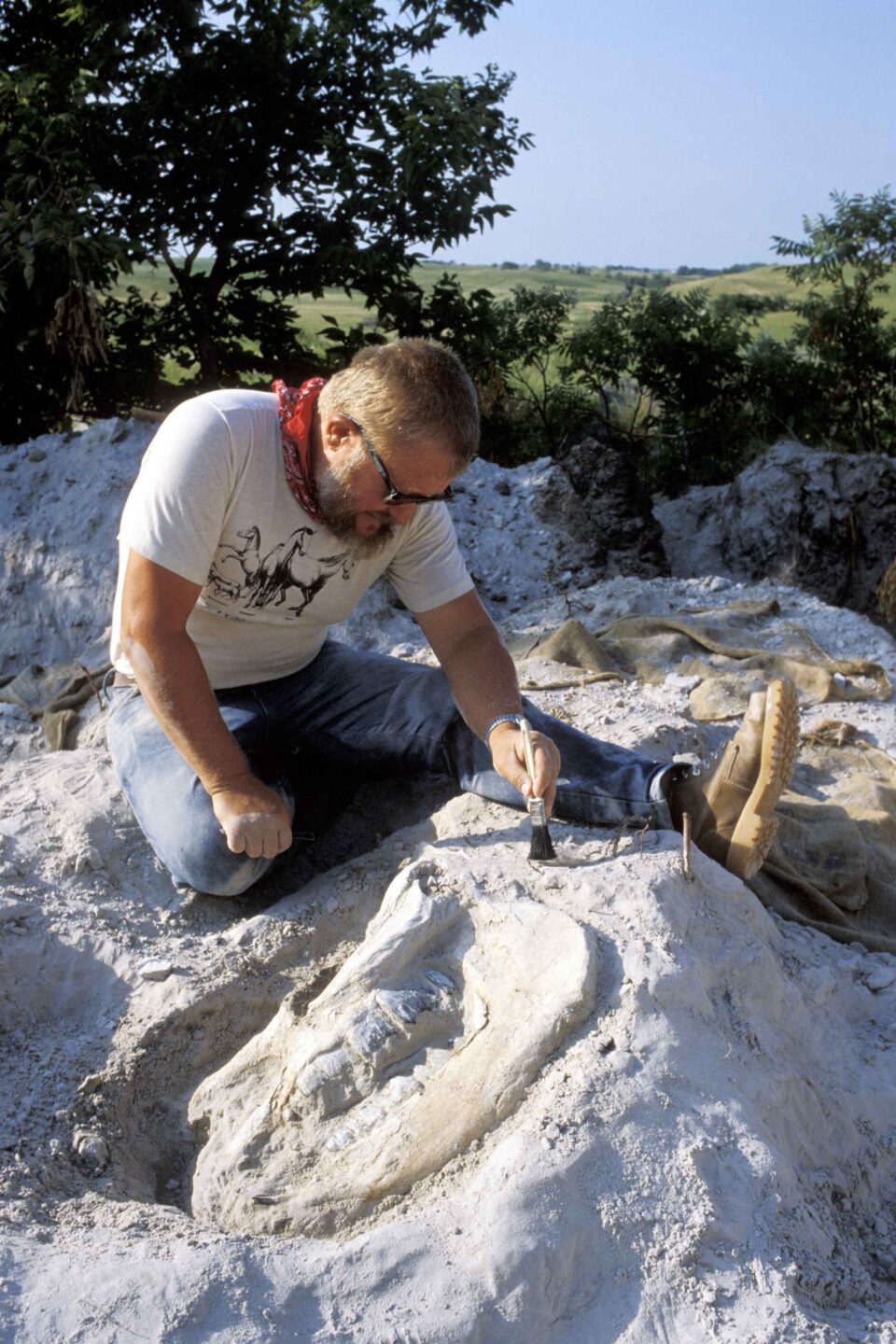
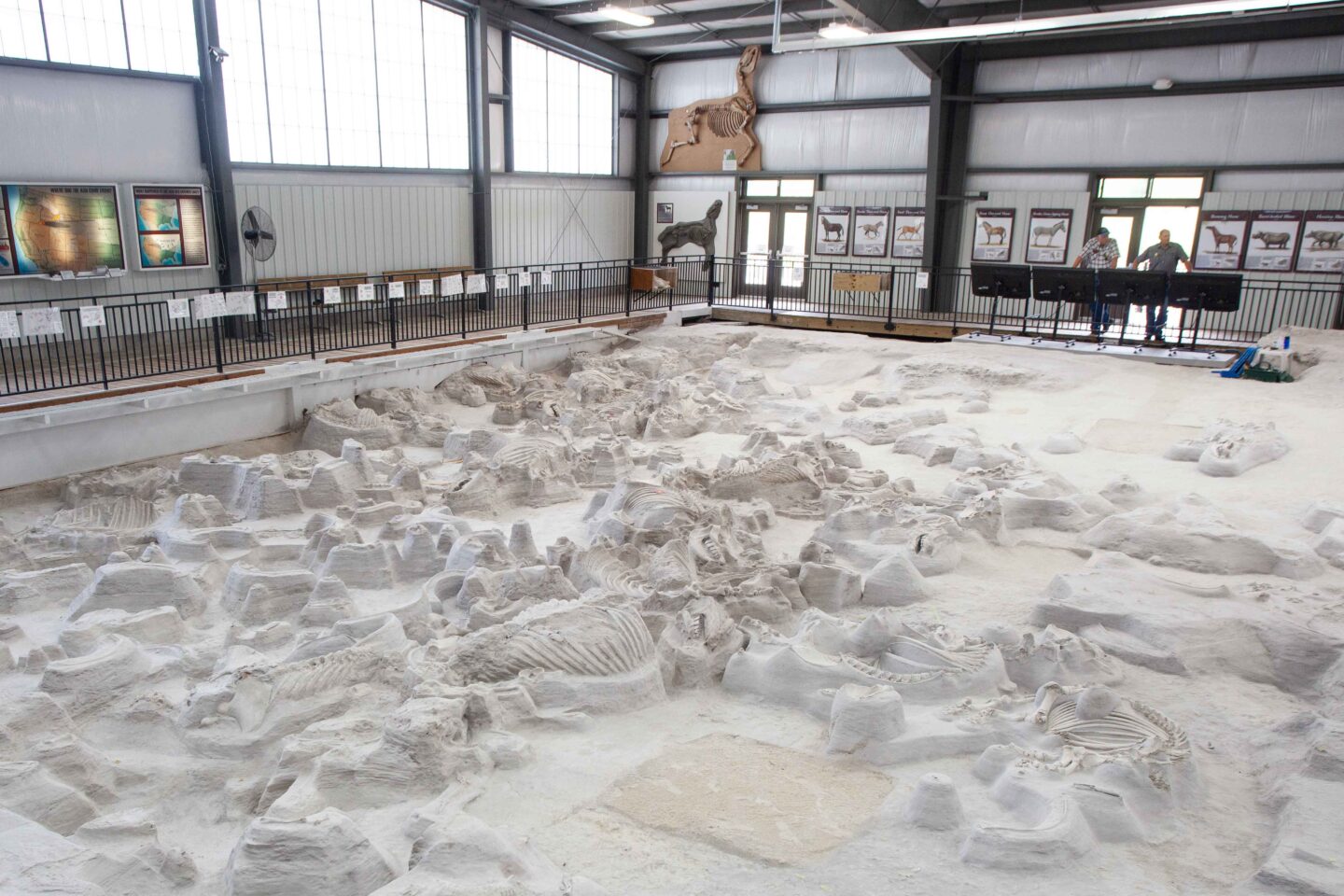
Nearly 12 million years ago, volcanic ash engulfed this ancient watering hole, entombing more than 20 different species of animals from turtles, cranes, deer, and rhinos, covering them in the rolling hills. Because of its scientific importance, the 360-acre historical park between Orchard and Royal was acquired in 1987 and is a joint project of the Game and Parks Commission and the University of Nebraska State Museum. Guests can tour this historical location and see paleontologists continue to dig the site in search of fossils.
Arbor Lodge
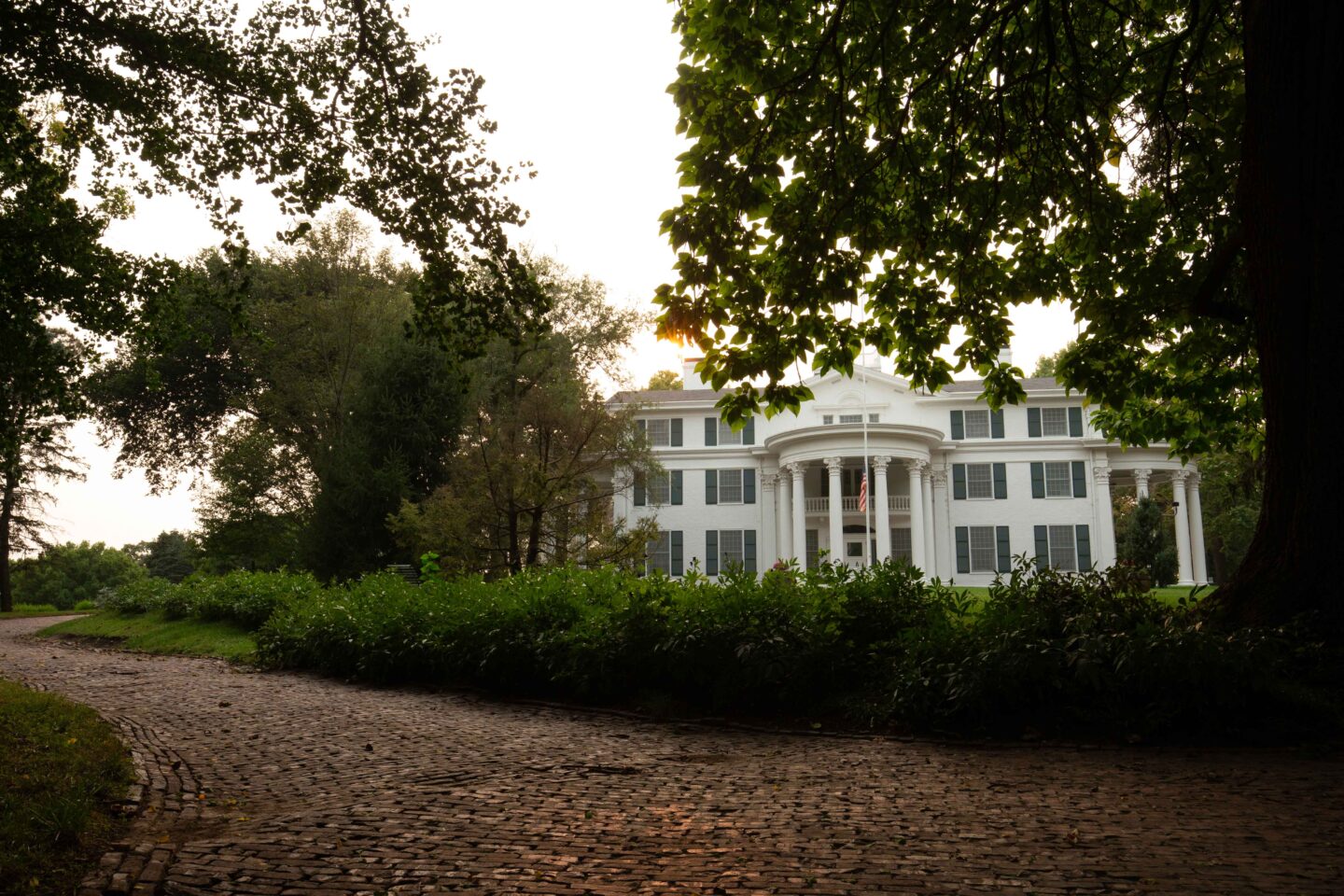
Arbor Lodge State Historical Park in Nebraska City started off as a small house constructed in 1855 when it was purchased by Arbor Day founder J. Sterling Morton and his wife, Caroline. The home has been remodeled eight times over the years, transforming it into a beautiful 52-room mansion.