By Jeff Kurrus
I was terrified, and I didn’t even know Nebraskaland photographer Eric Fowler yet.
It was the spring of 2002, and I was driving with a good friend Matthew Marx on the way to Verdon State Recreation Area to be photographed for my first Nebraskaland story.
As a freelance writer, I had submitted an article to the magazine and, to my extreme happiness, the story had been accepted. The next step, then-editor Tom White informed me, was that the magazine would send a photographer to shoot photos of Matt and me fishing our favorite lake in the state.
A reader of the magazine, I knew the work of the staff, including the photographer assigned to my story — Eric Fowler.
When his truck arrived, pulling a small, flat-bottom boat behind it, my heart immediately sped up. For the first time in my life, I had to catch fish. We did the customary introductions and then he gave very specific instructions: “Just go fish.”
Matt and I dropped in our little john boat and tried to do what we normally do, but it was nearly impossible. We simply couldn’t take our eyes off the photographer, who effortlessly switched between telephoto and wide-angle lenses while standing on the lake’s west jetty as we cast toward him in the water.
When the light became oh-so-perfect, he shared his one wish: “Now all we need is a fish.”
Luckily, I hooked up with a largemouth — seemingly on command — which was the starting point for one of our most memorable fishing trips ever.
“I still remember that day,” Fowler has told me through the years, excitement always in his voice. “The light just kept changing.”
After the day, we parted ways, but Matt and I couldn’t stop talking about the way he worked — how a “Nebraskaland” photographer does things. Fowler’s efforts did pay off. The spread, with its variety of composition and light, appeared in June 2003. I was proud of that story and showed it to everyone. We even got the cover — a highly sought-after cherry on top of the most wonderful dessert.
And it was all because of Fowler’s work.
The Groundwork
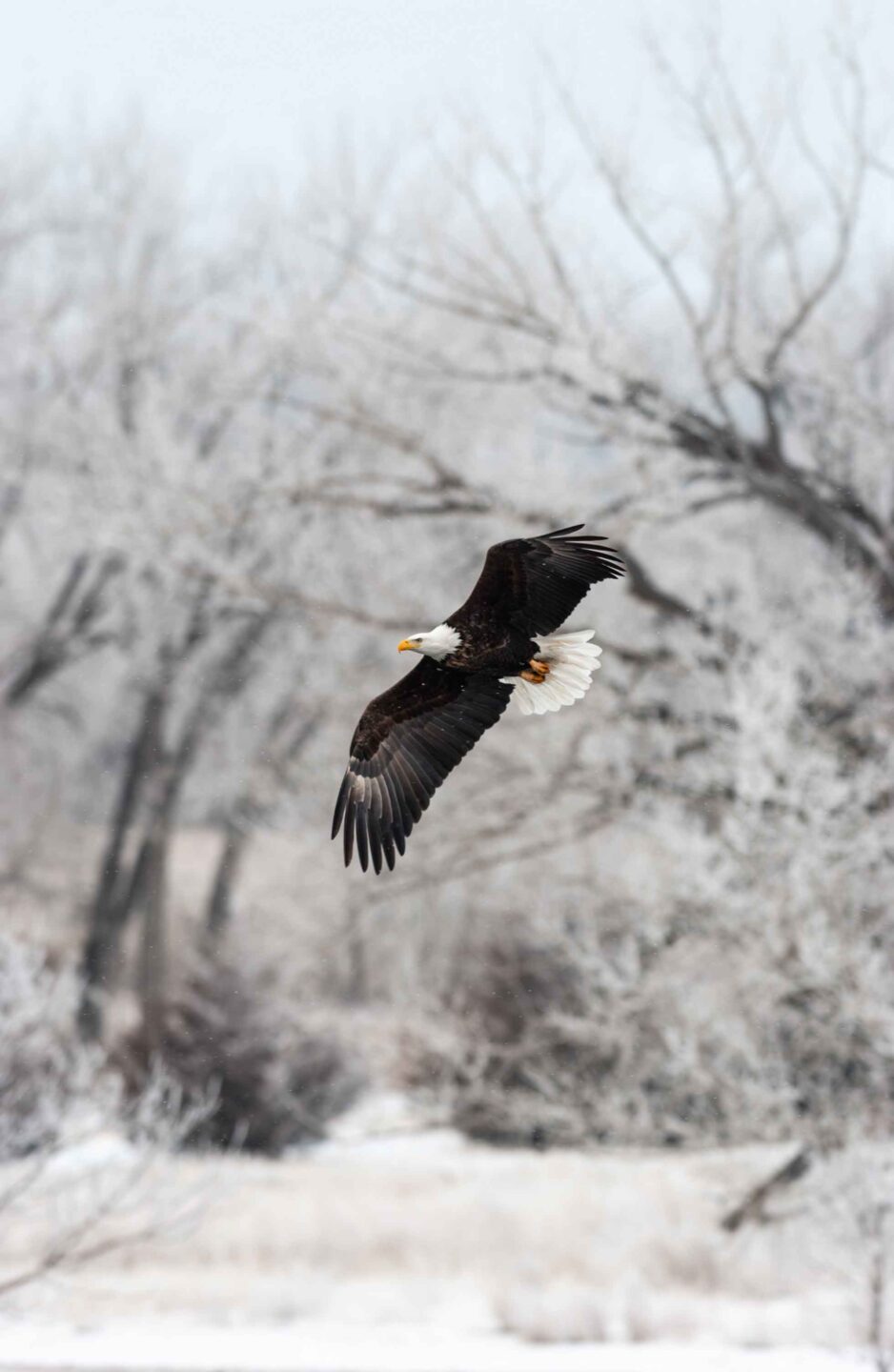
Fowler’s dad, Dave, gave him his first 35 mm camera in 1989, and and soon after he had gotten the journalism bug at Chadron State College. He shot for the student newspaper, took on internships and did freelance gigs. He considered going into business with his dad, a studio photographer, but decided it would be more fun to go to ball games instead. He worked for newspapers in Chadron and Scottsbluff, hoping to get to Sports Illustrated someday, before landing a job with the Nebraska Game and Parks Commission’s publications department in 1998.
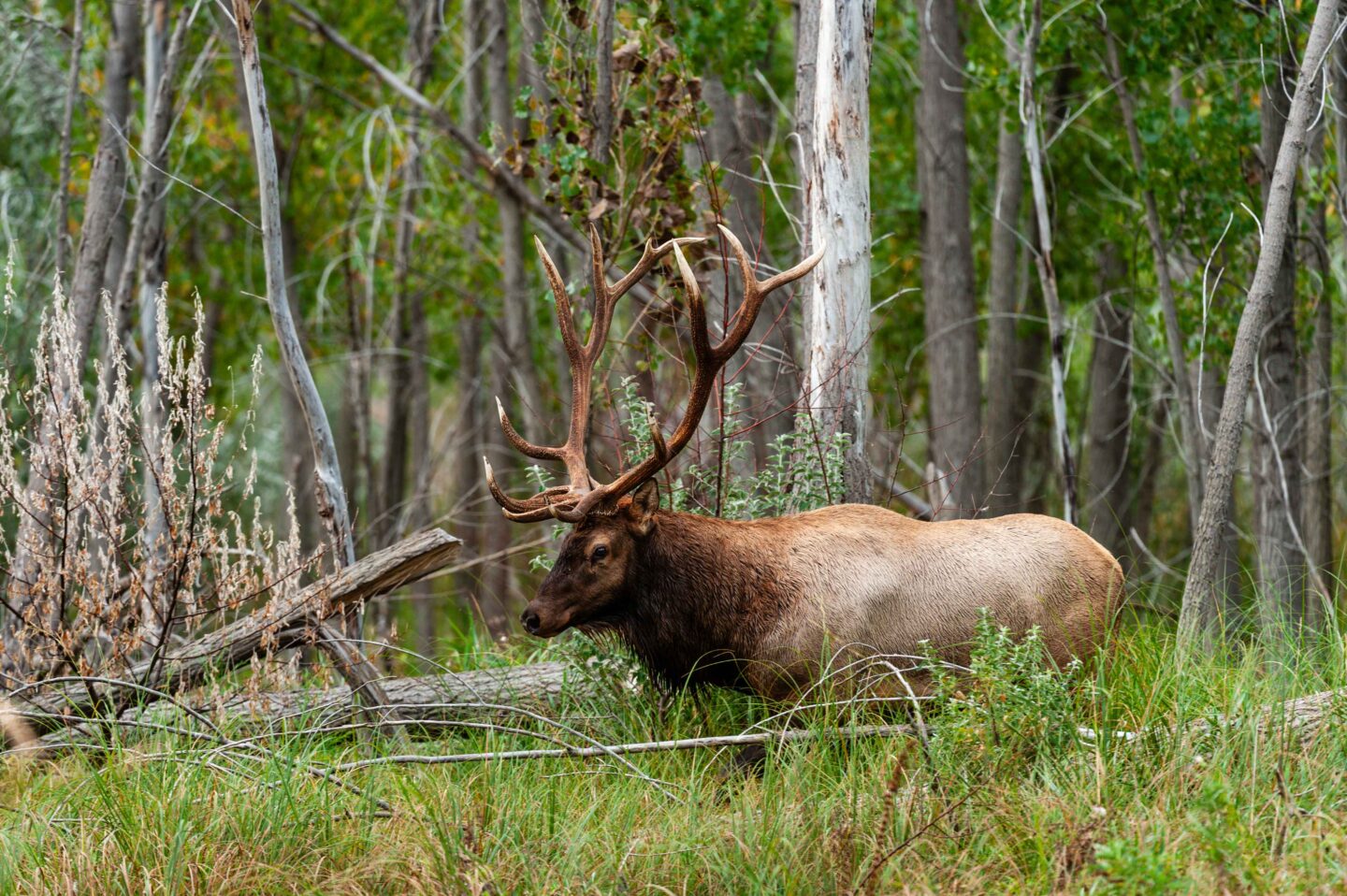
Because Fowler had also been writing and shooting outdoor stories for these papers, becoming a staffer for Nebraskaland Magazine was the new goal. His chance came three years later when Michael Forsberg left the magazine to freelance full time. From there, Fowler continued to excel, penning impactful conservation stories on fire and water, natural histories on river otters, elk, and other species, and countless human-interest pieces of people experiencing the outdoors. But in many ways, Fowler was just picking up the baton.
Continuing the Groundwork
Fowler will be the first to share that his predecessors — namely Jon Farrar, Ken Bouc, Rocky Hoffmann, Bob Grier and Mike Forsberg — set the bar high at Nebraskaland and strongly felt it was his duty to continue the caliber of their work long after they retired from the magazine.
No one was better in the studio than Bouc, Fowler often said. Bouc’s Cellars of Time from January/February 1994 is one he frequently references, marveling at how the staff light painted dinosaur skeletons while still shooting with film cameras. Still inspired to this day, Fowler continues to improve his own studio techniques, photographing anything from American burying beetles to detailed shots of fishing tackle.
Bouc was also his staff’s de facto underwater photographer, a skill Fowler picked up in 2009 with the purchase of a point-and-shoot underwater housing, eventually becoming SCUBA-certified in 2015 and adding underwater housing dedicated to an SLR.
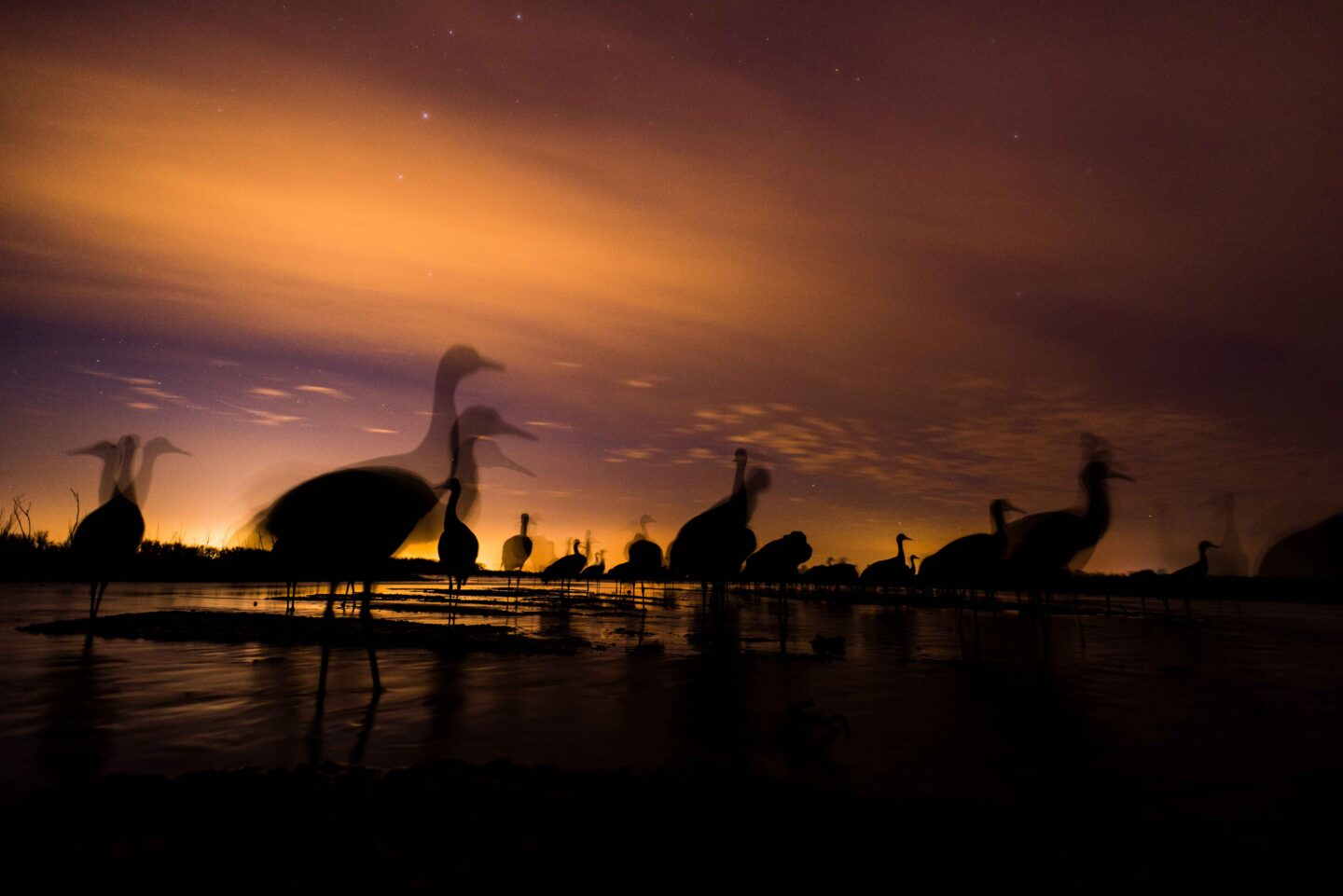
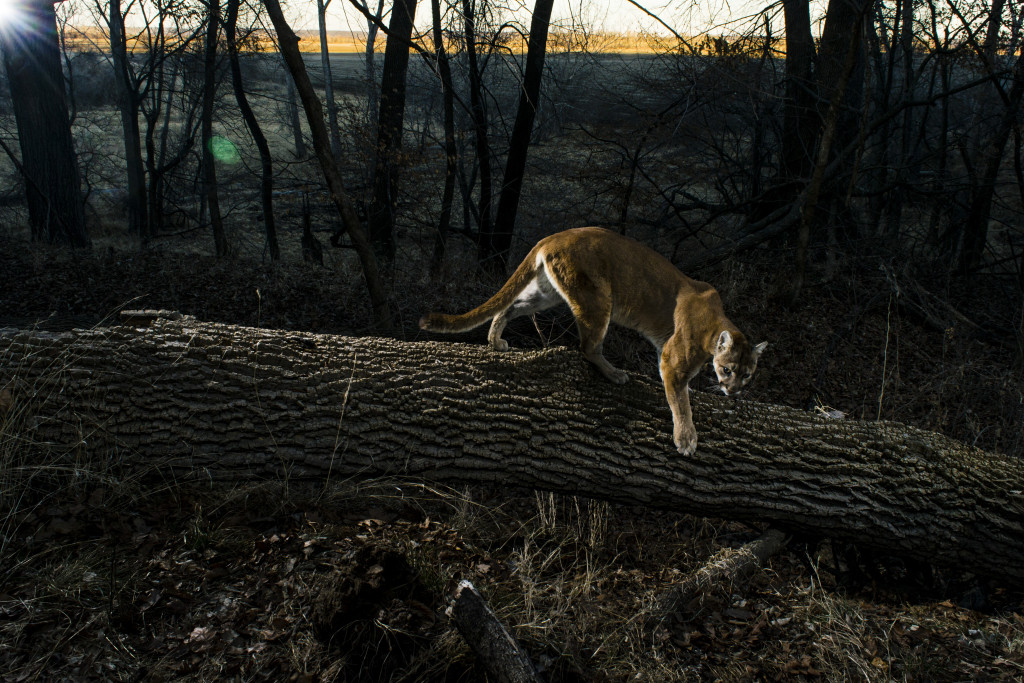
His first foray in camera trapping in 2014 resulted in capturing bats in flight above a pond, but that set-up was borrowed. He added one to his bag two years later, following the work of Forsberg and colleague Justin Haag in hopes of capturing photos of a mountain lion that had decided to call Indian Cave State Park home.
His camera trap photo of a mountain lion walking across a log at Indian Cave State Park immediately became iconic. His painting-like depiction of this seldom-seen predator rivaled some of the best photographs ever seen in this publication. Today, he continues to run camera traps across the state.
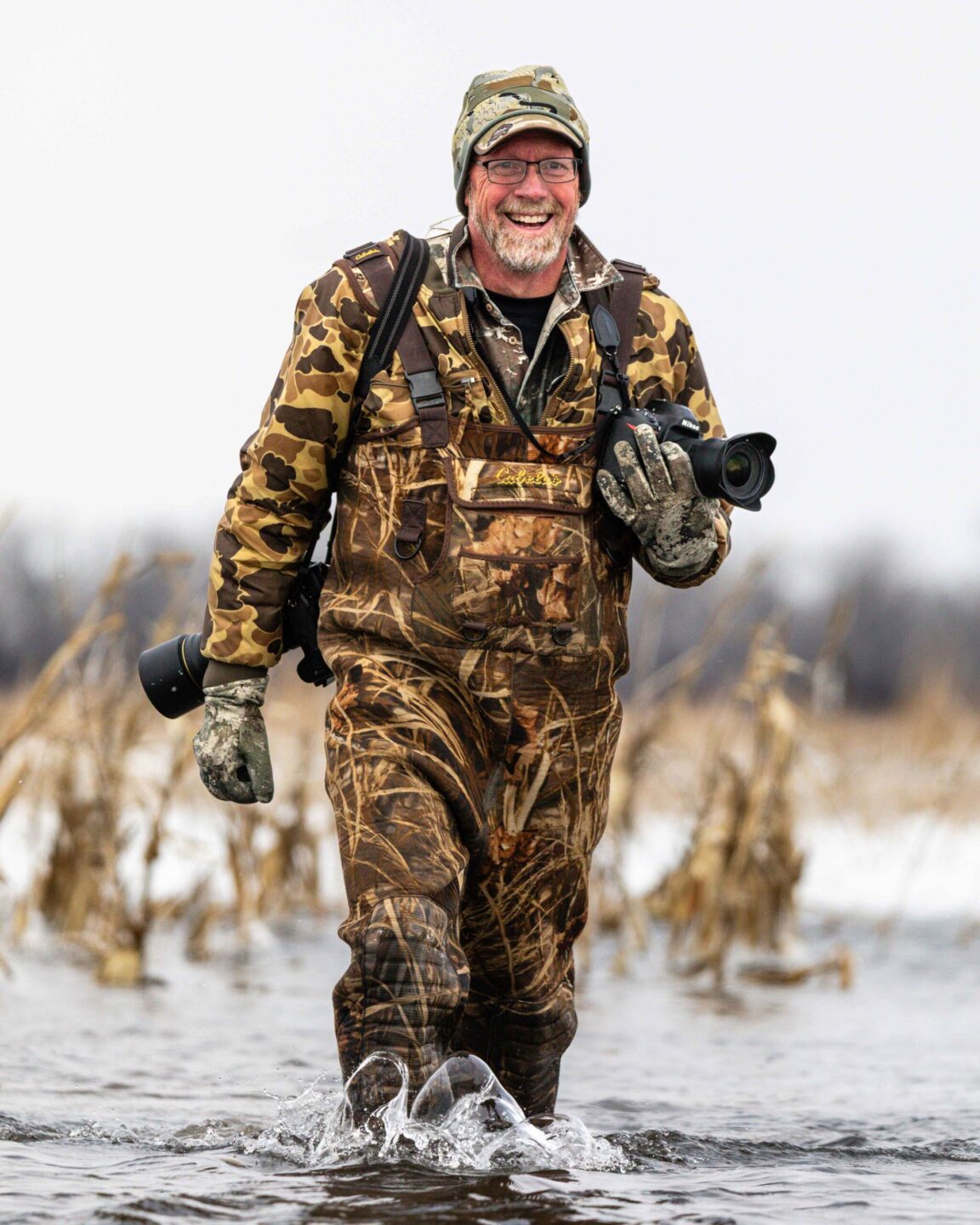
He’ll also lie in a blind for days and shoot photos of wildlife for a natural history story, just like Farrar, wake up early and chase landscapes like Grier or roll up to a campground in the afternoon like Hoffmann to mingle — while still photographing — with visitors.
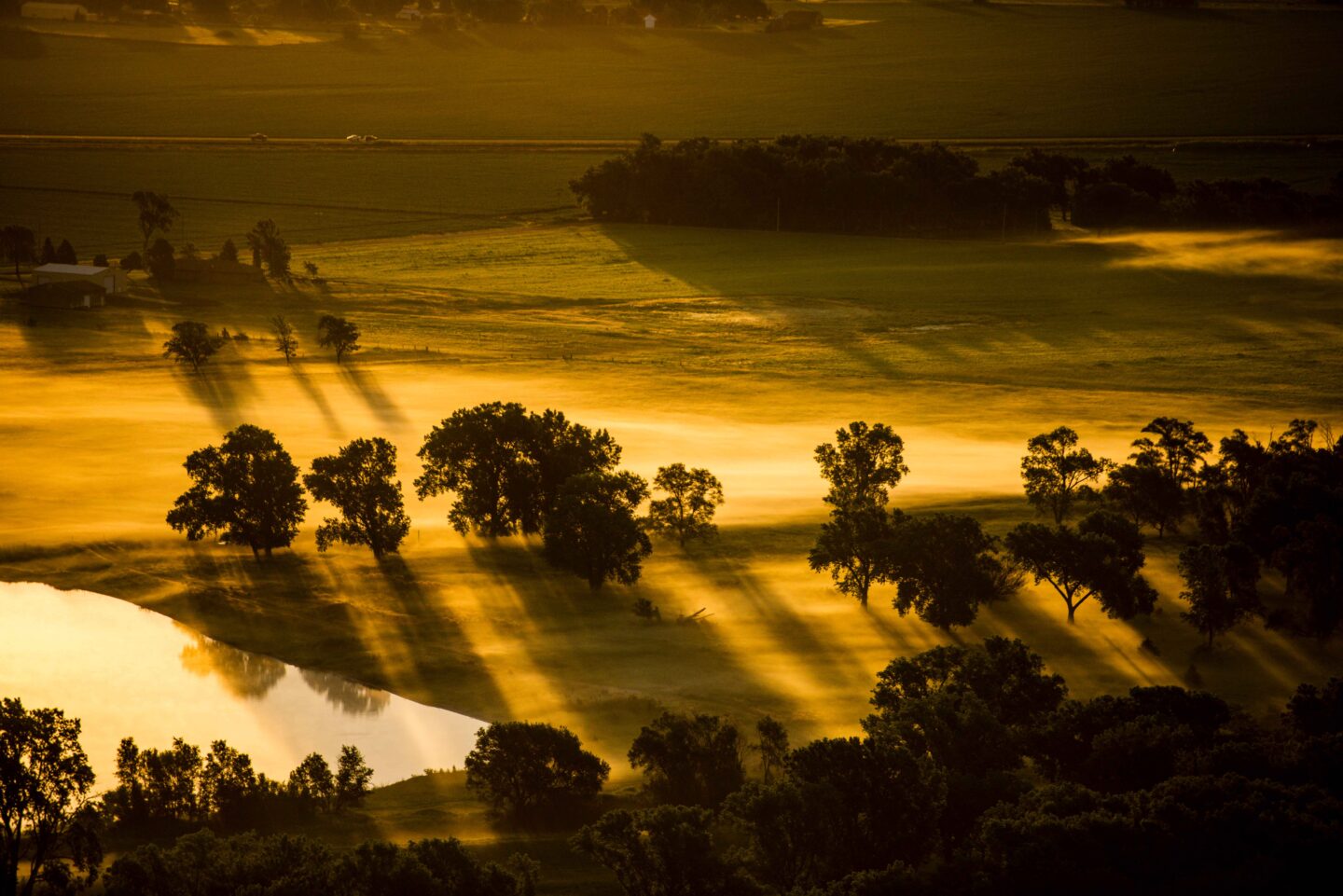
His most recent foray is drone photography in 2023, set in motion by the drone work being done by Haag in the Pine Ridge and his own longtime method of shooting from an airplane — which started through an internship at Chadron State and continues with his often-said motto for aerial photography: “You buy, I’ll fly.”
Another Level
Fowler’s seemingly tough exterior quickly disappears when he gets the opportunity to share images from a shoot or has ideas for another one.
Recently, Fowler walked in my office and said, “Look at this.” In the image was of one of his trail cameras on the edge of an extinguished wildfire. “I can’t wait to see what’s on this card,” he announced excitedly. That attitude is at the heart of why this publication continues to excel. Fowler has uploaded nearly 77,000 images to the magazine’s online database, and has a few hundred thousand more to caption and upload — if he could ever quit shooting.
A few days later, his focus was on photos of people holding fish. “I’m just not very good at those,” he said self-deprecatingly, as though a quarter-century worth of knowledge could be diminished by this. But in that fleeting moment, you could also see the light bulb clicking on — some new idea he has yet to try.
In his mind, that’s what he’s supposed to do. Because that’s what his predecessors did: constantly strive to tell outdoor stories in new, visually stunning ways — because they lived the conservation mission, hoped Nebraskaland readers would stick around for another 100 years, and … they loved their jobs.