
By Brian Peterson
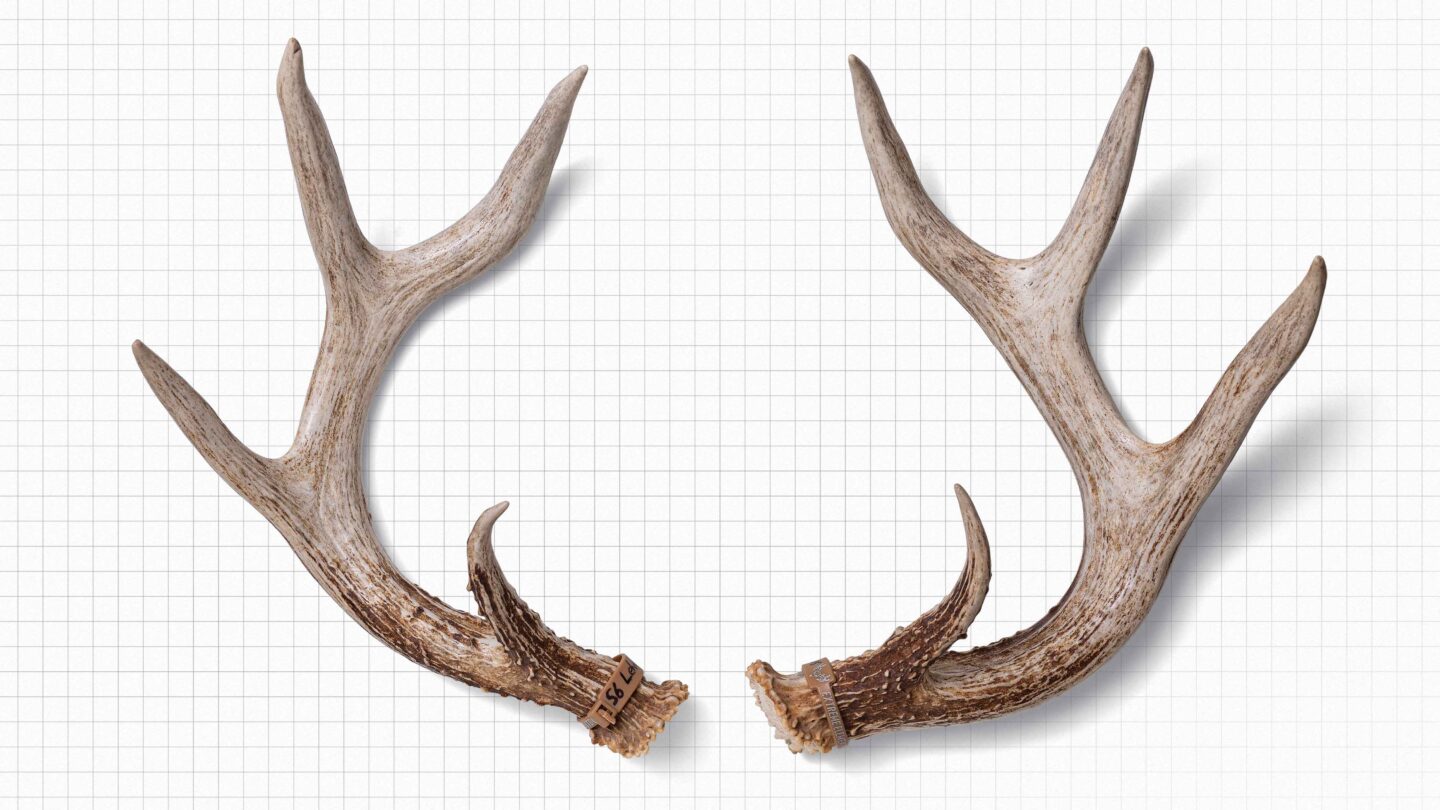
Antlers are fast-growing, costly-to-produce appendages that are shed and regrown annually. Like most structures in nature, antler development in most deer species is genetically coded to grow perfectly symmetrical on both the right and left sides. A deer’s antlers reflect an individual’s health and condition, with size and shape influenced by genetics, age and nutrition.
Interestingly, one notable exception to perfect antler symmetry in the deer family is found in caribou, also known as reindeer. Unlike all other common deer species, their antlers display noticeable asymmetry with the left antler typically larger than the right, with features such as the shovel, or brow tine, showing the largest variation in size.
While antler shape is primarily due to genetic factors, antler size is more directly related to nutrition and age. Asymmetry occurs in all deer species at varying degrees, often due to stressors experienced prior to and during antler development. These stressors may be environmental or biological, including climate, pollutants, pathogens, nutrition, disease, predation, competition, parasites and insects. These stressors can negatively impact health which redirects energy away from normal growth.
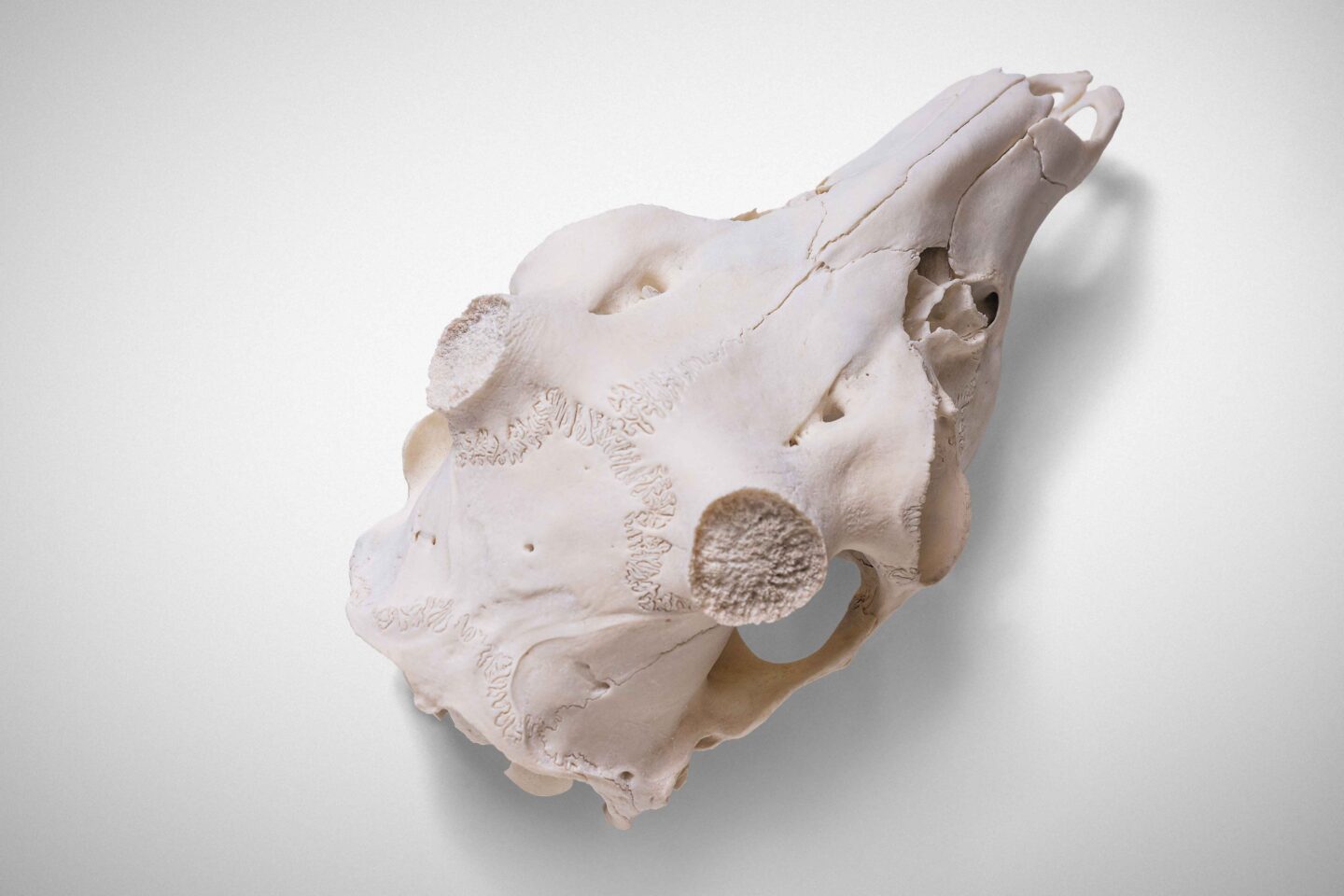
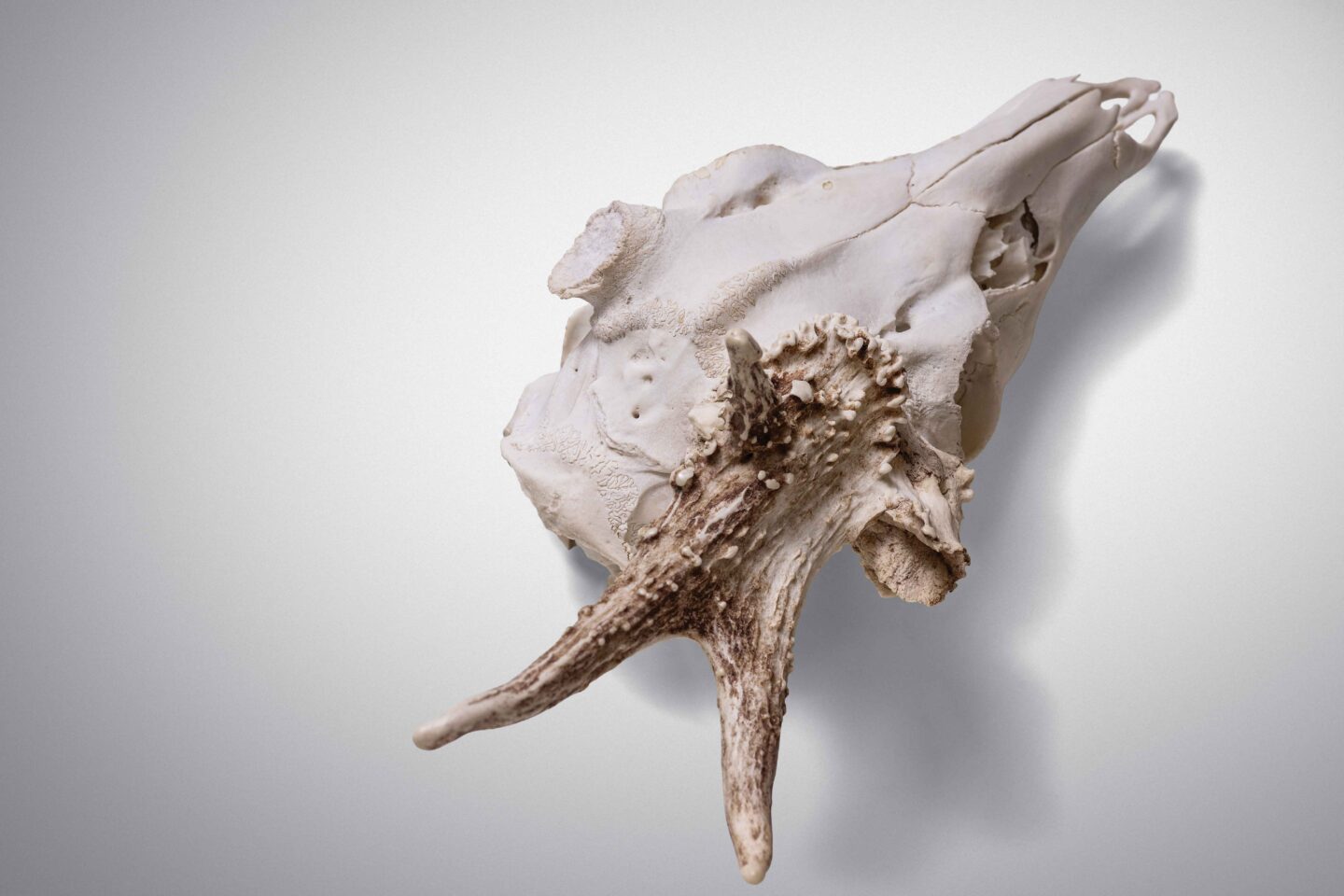
Mechanical and physical injuries further contribute to asymmetry. For example, injuries during velvet, insect damage or damage to the pedicle or skull plate can disrupt growth, dramatically impacting antler size and shape. Leg injuries can cause major to minor antler asymmetries, known as contralateral asymmetry, which disrupts the transfer of nutrients toward the growing antler side opposite the injured leg, often resulting in abnormal antler shape and size.
To better understand antler symmetry in Nebraska’s white-tailed deer herd, we conducted a long-term study within the Central Platte River Valley. Our research focused on naturally shed antlers which provided us with a unique opportunity to evaluate the final state of antler pairs following growth, rubbing and fighting damage. We studied more than 200 antler pairs and evaluated both standard Boone and Crockett Club as well as a suite of novel antler measurements to determine the most symmetric measurements between each antler, while additionally determining symmetric differences between ages.
Our measurements included main beam length, tine lengths, antler points, main beam and antler tine circumferences, tine branching angles, pedicle depth and shape, antler mass, total score and the branching point of each tine.
We found that the most symmetric measurements between antler sides included main beam length, pedicle seal area and the initial main beam and tine circumferences. The least symmetric and most inconsistent measurements included total points and antler tine lengths. Measurements like tine branching angles and pedicle seal depth showed low mathematical symmetry but had strong visual symmetry, unique to each buck like a fingerprint.
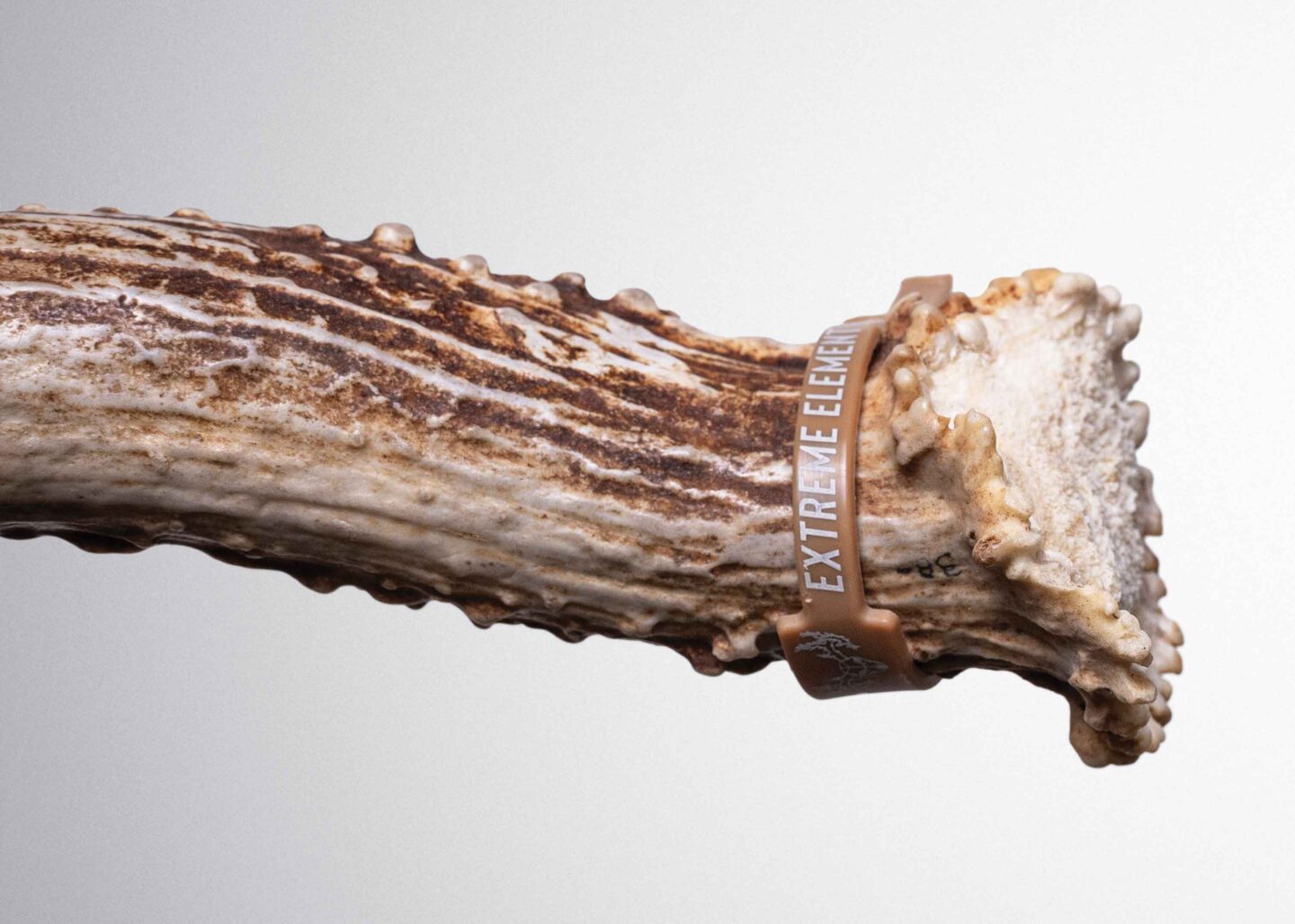
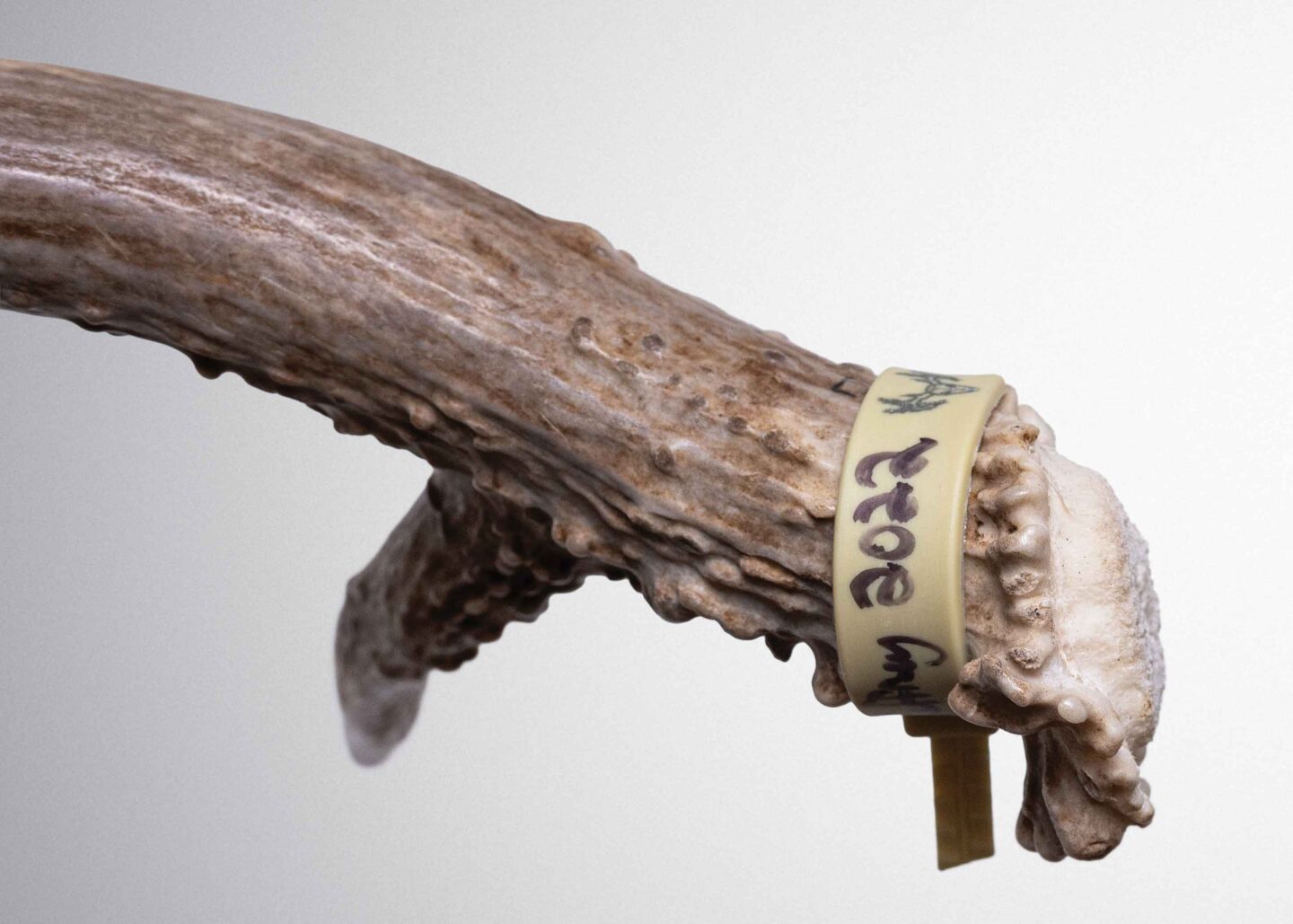
Interestingly, we found the antlers of older deer were more symmetrical than younger deer for more than 90% of the measurements investigated. These findings suggest that older, stronger or the most fit bucks are more suited to cope with and buffer out environmental stressors during antler development than younger individuals resulting in more symmetric antlers.
Investigating antler symmetry is a valuable tool to understand the developmental impacts of environmental stressors such as habitat quality, individual health and competition within deer populations. By researching these patterns, we can get a snapshot of the ecological and physiological forces behind antler development, highlighting the intricate balance between environmental conditions, health, age and genetics in shaping one of nature’s most fascinating and fastest-growing structures.
Brian Peterson is a biologist and online academic program advisor for the Masters of Science Biology Program at the University of Nebraska at Kearney. He and UNK undergraduate student Bryce Sutton’s published research focused on white-tailed deer antler development and growth. For more information, contact [email protected].