By Jenny Nguyen-Wheatley
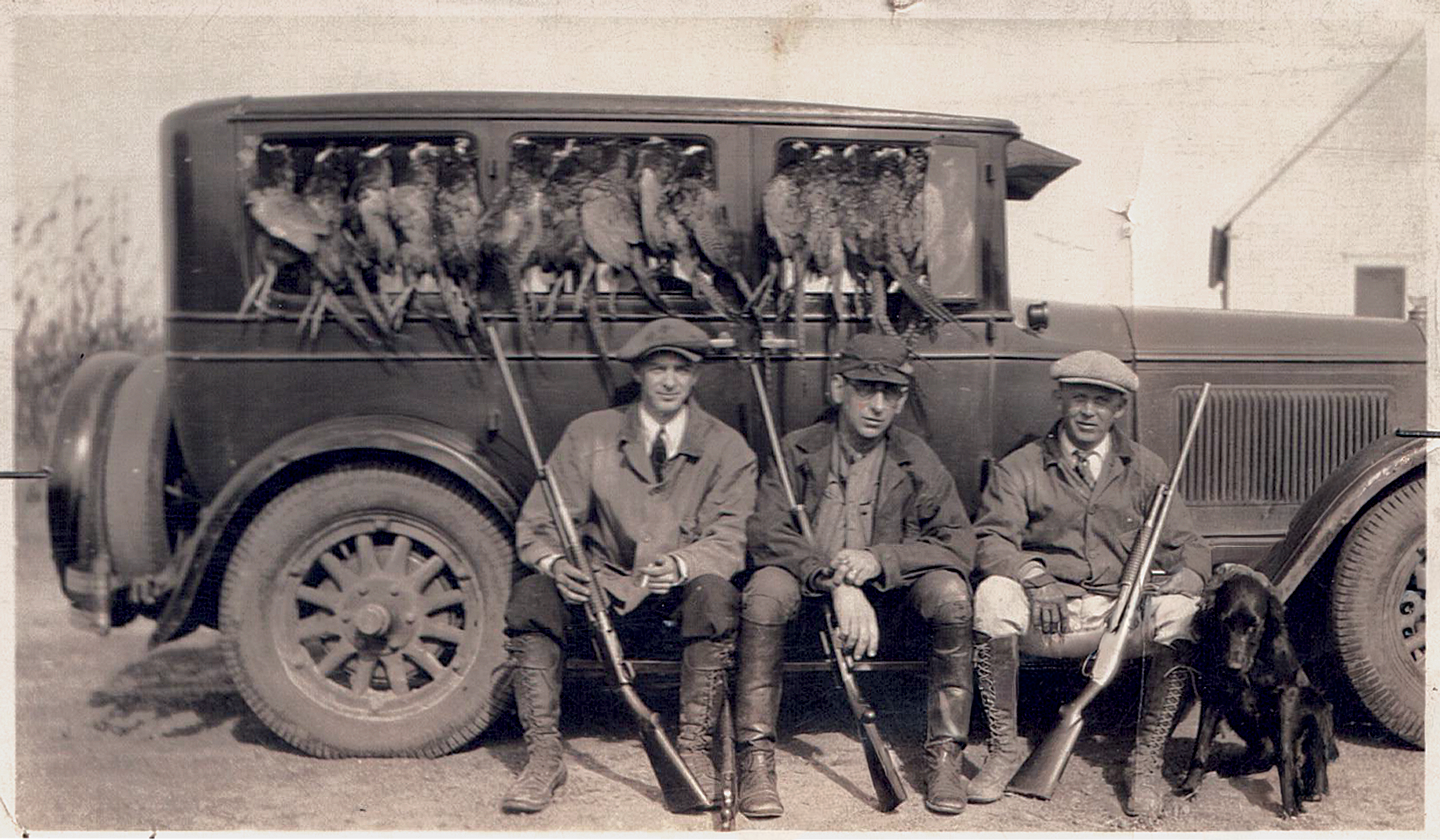
Opening day felt like a holiday. In rural towns, cars lined both sides of Main Street. People traveled from across the state, and across the country, to hunt this iconic bird of the Midwest. Wherever upland habitat existed, swaths of canvas and wool plaid were sure to follow. And the excitement didn’t end with opening day. During its heyday, pheasant hunting was as synonymous with Nebraska as Cornhusker football.
It was a fall tradition that brought family and friends together. It gave those who had moved away a reason to come home, and it boosted the economies of small towns. For many, those memories remain vivid, and the nostalgia is still palpable.
While there’s no denying the landscape has changed, there is much to reflect on this 100th pheasant hunting season. More than a symbol of our sporting heritage, the ring-necked pheasant has become a measure of the resilience of our native grasslands. These birds remind us that while much has been lost, there is still much opportunity to be had.
A Naturalized Bird
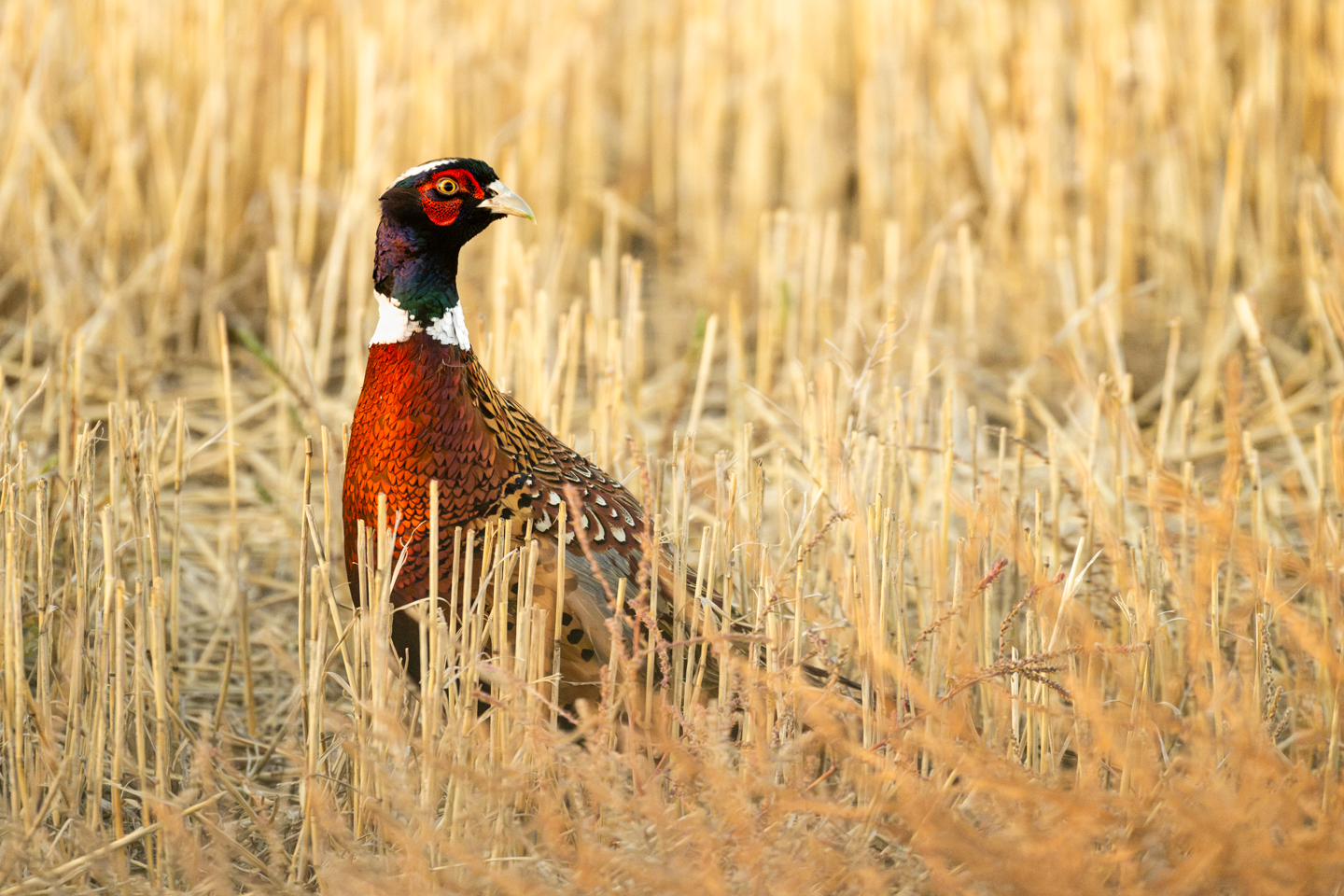
The ring-necked pheasant is not native to North America. The first successful introductions occurred in Oregon’s Willamette Valley in the 1880s, and the bird’s popularity as a game species quickly spread across the country. With little regulation at the time, Nebraskans embraced the opportunity, capturing wild pheasants and releasing them throughout the state. By 1892, newspapers reported that the birds had established a foothold in eastern Nebraska, according to Lonnie Shafer, author of “Nebraska Pheasant Introduction 101.”
Much like their native habitat in Asia, pheasants flourished in Nebraska’s mosaic of small grain fields, native grasslands and wetlands. This blend of diverse, small-operation farms and natural cover created ideal conditions for the birds to thrive. Abundant small fields of grains, such as wheat and sorghum, provided cover and preferred food sources, while nearby grasslands and wetlands offered secure nesting cover, plentiful insects to fuel chick growth and critical shelter during harsh winter weather.
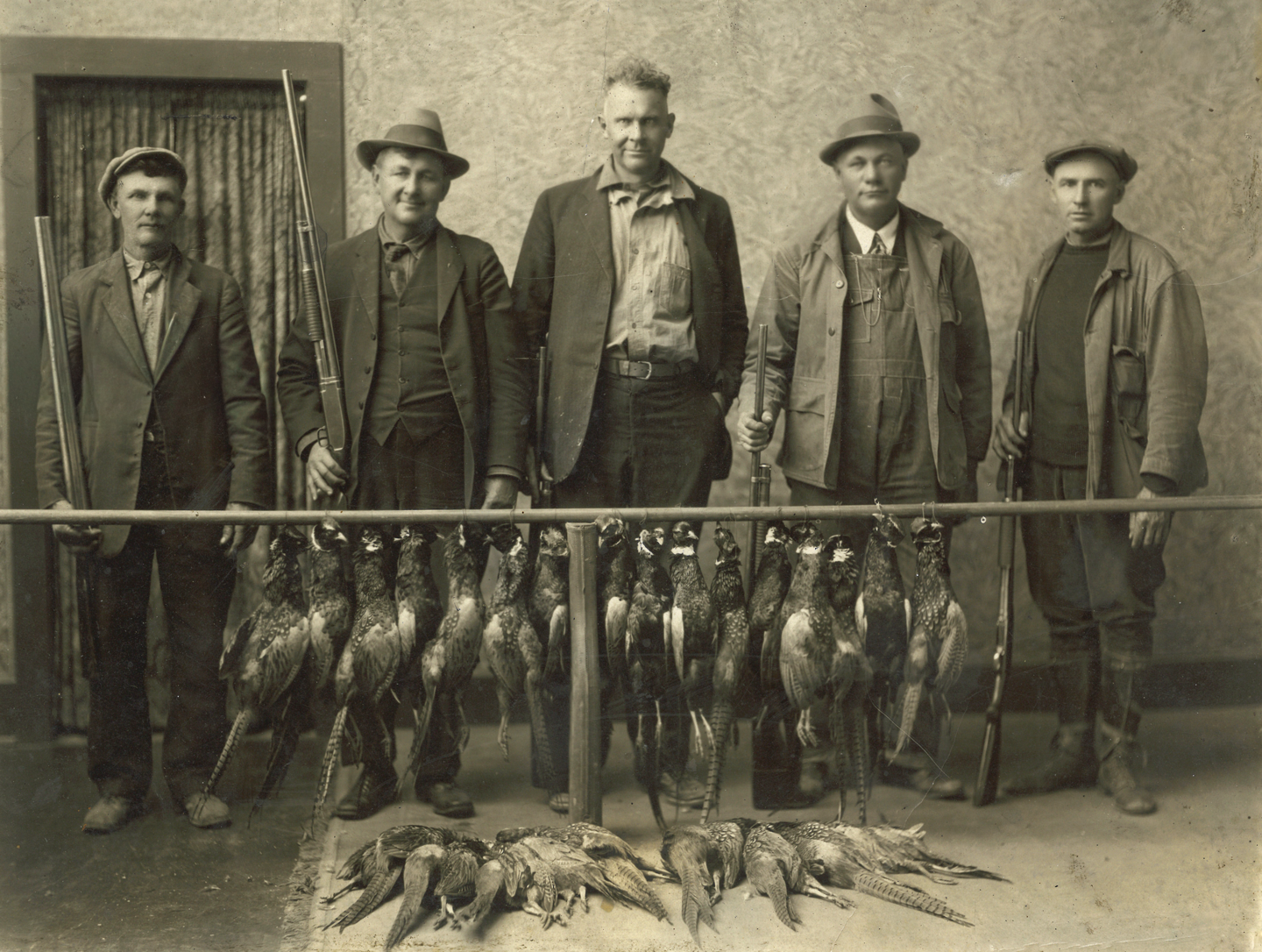
In 1927, the Bureau of Game and Fish — now the Nebraska Game and Parks Commission — established Nebraska’s first pheasant hunting season. According to the April issue of “Outdoor Nebraska” that year, each hunter was allowed a limit of five male pheasants in all of Wheeler County and portions of Sherman County, where the birds had become especially abundant. The inaugural season lasted three days, Oct. 6–8, and drew about 2,000 hunters who harvested roughly 5,000 birds.
This noninvasive, naturalized bird continued to succeed across the state, assimilating with the landscape as though it had always been there. Pheasant hunting in Nebraska reached its initial peak in mid-1940s, and, after a steep decline, peaked again in the early 1960s thanks to the federal Soil Bank Program, which paid farmers to idle cropland, resulting in ideal pheasant habitat and the golden years of bird hunting.
But in the decades that followed, land managers began to observe a steady decline in bird numbers, a trend that coincided with sweeping changes in agricultural land-use and farming practices. Populations rebounded following the introduction of the Conservation Reserve Program in 1985, but by the mid-1990s, as those grasslands aged or land was returned to production, pheasant numbers again began to decline. That has continued as enrollment in general CRP, what pheasant hunters know as prime habitat, has dropped from 1.3 million acres in 2007 to 321,000 acres today.
In more recent years, woody encroachment and urban sprawl have also impacted the state’s remaining grasslands.
Unbeknownst to early conservationists, this once-exotic, colorful bird would become the poster child for upland conservation.
A Changing Landscape
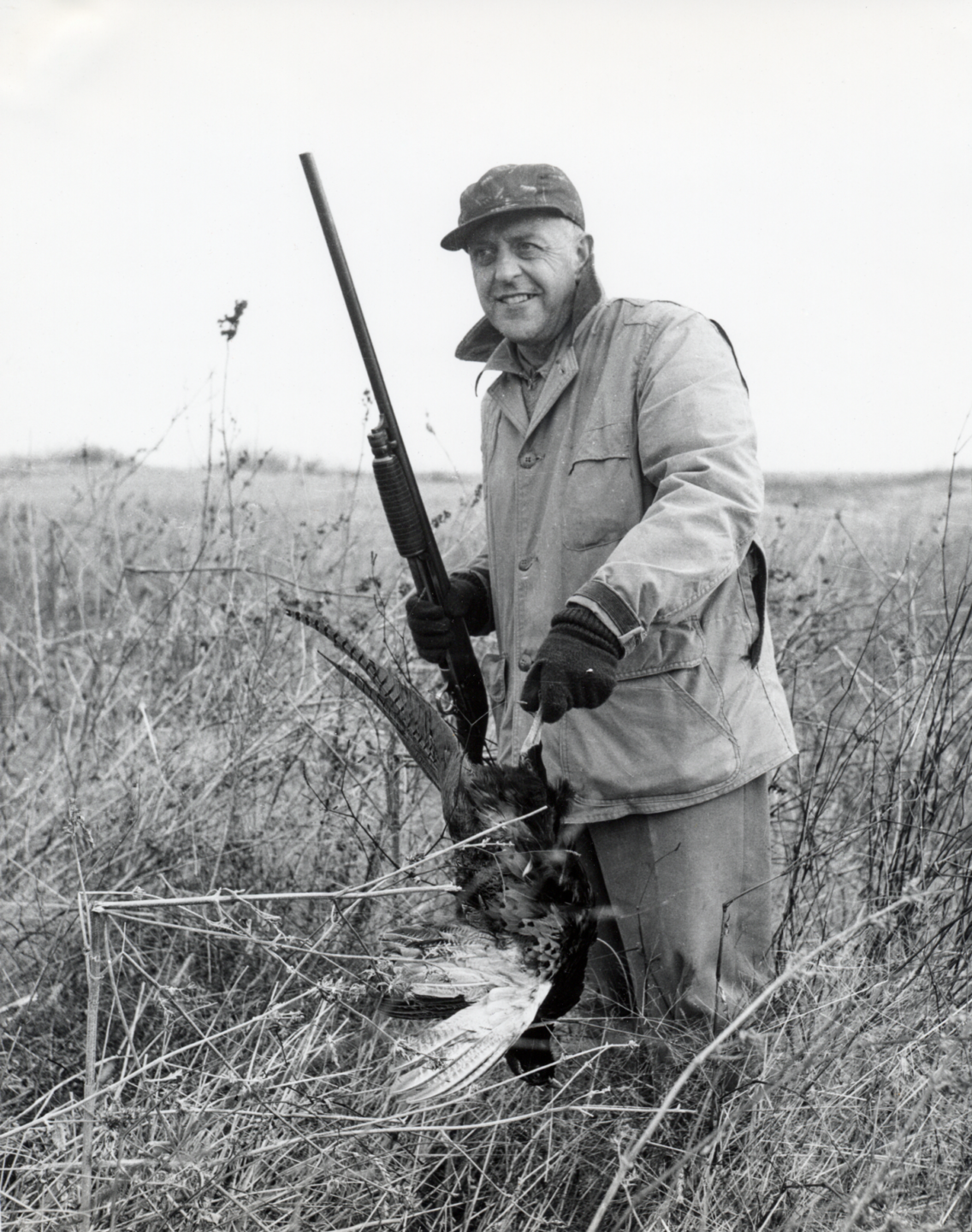
“We call pheasants an ‘umbrella species’ because what’s good for them is good for others,” said Nebraska Game and Parks Wildlife Biologist Bryan O’Connor, explaining that good pheasant habitat also benefits native species such as bobwhite quail, songbirds, grouse, deer, turkey and pollinators.
Upland conservation efforts reach far beyond one game bird, he said, but it’s been an uphill struggle.
Advancements in agricultural technology post-World War II, such as genetically modified crops, modern herbicides and the invention of center-pivot irrigation, dramatically increased productivity and transformed the rural landscape. Those changes accelerated in the 1970s under Secretary of Agriculture Earl Butz, whose “Get Big or Get Out” philosophy encouraged farmers to abandon small-scale farming to maximize yield through large-scale monoculture. A patchwork of small crop and hay fields and pastures, and the fencelines separating them, was replaced with huge expanses of corn and soybeans.
Furthermore, the encroachment of woody plants also poses a grave and immediate threat to our state’s remaining grasslands. The rapid expansion of eastern red cedar has engulfed large areas of prairie and ranchland in short order, deteriorating grassland ecosystems and displacing the grasses and wildflowers grazed by wildlife and livestock.
Berggren Pheasant Plan
By the 1980s, the alarm bell had been rung, spurring the creation of Pheasants Forever, Inc. in Saint Paul, Minnesota, by a group of concerned hunters and conservationists. A new kind of conservation organization had been born, one with a unique local chapter model that would raise money and decide how funds would be spent in their communities, shared PF Nebraska Senior State Coordinator Kelsi Wehrman.
This grassroots model spread to Nebraska in 1986 with the formation of the Elkhorn Valley PF Chapter. Rightfully nicknamed “The Habitat Organization,” Pheasants Forever began working with the Nebraska Game and Parks Commission in the early 1990s to develop programs that would restore pheasant habitat and increase hunting opportunities — a partnership that continues today.
Then in 2016, Game and Parks’ new Berggren Pheasant Plan expanded existing Focus on Pheasants conservation initiatives on a statewide level. Its second iteration in 2022 also changed how the agency would communicate with the public about pheasant hunting opportunities and included an R3 (Recruitment, Retention and Reactivation) component to help increase hunter participation.
Research was another part of the Berggren Pheasant Plan. In cooperation with the University of Nebraska-Lincoln, researchers are helping to prioritize future habitat restoration efforts by increasing their cost-effectiveness and maximizing benefits to pheasants and other wildlife. Since 2016, 141,250 acres, both public and private, have been impacted through the plan.
Still — you would be hard pressed to find a farm bill biologist who would feign blind optimism.
“When you think about the things pheasants need to survive, there are so many things working against them,” said John Laux, PF Habitat Protection Programs manager. “Once a welcomed by-product of early agricultural practices, our pheasant population now lives off the scraps of remaining habitat where it’s tough to make a living.”
According to Laux, the solution is finding those “win-win” conservation actions that simultaneously benefit private landowners and wildlife.
The Importance of Landowners
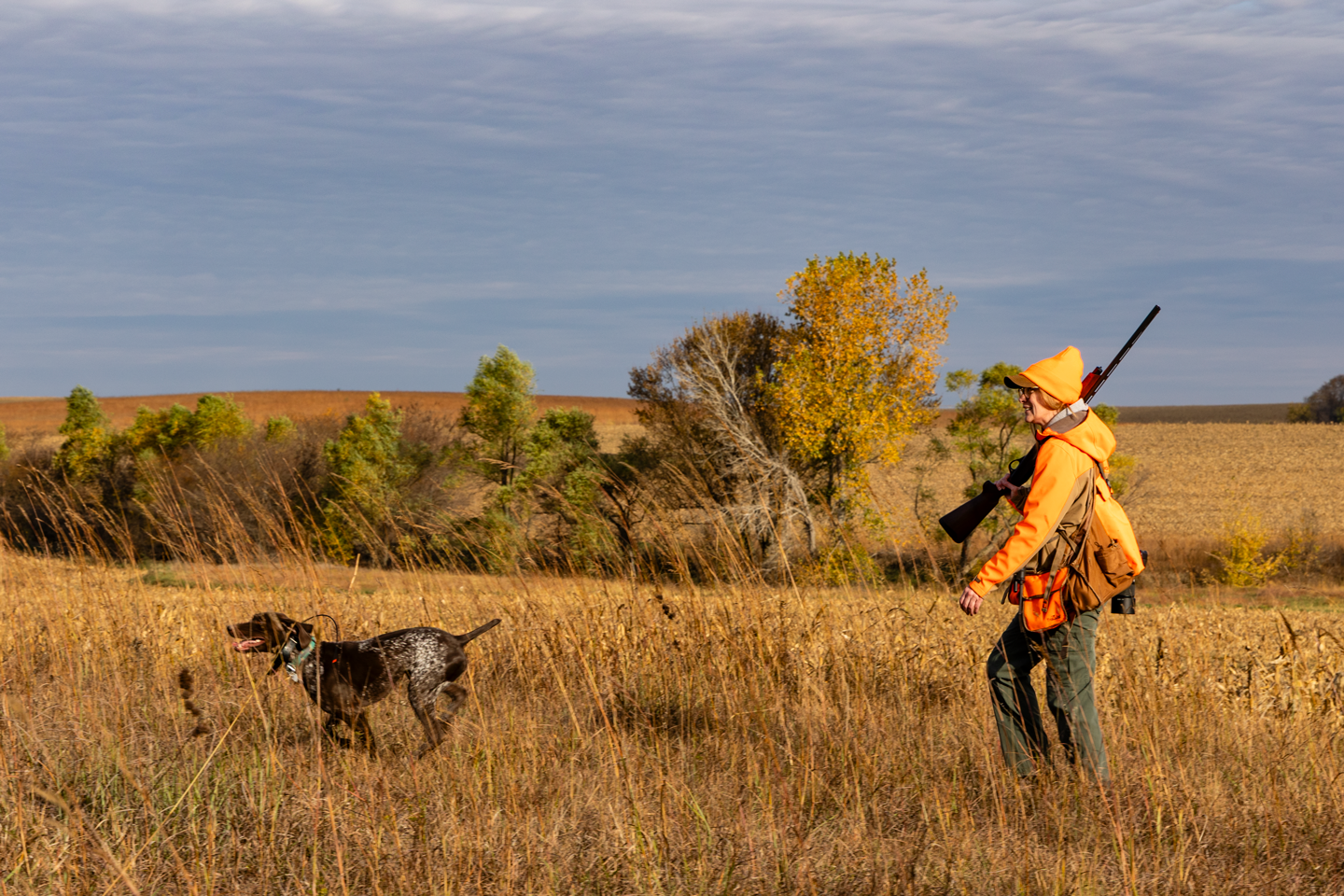
Many landowners care about conservation. That is the simple truth. The reality is, the economic decisions that farmers make today are much more complex than they once were, said Alicia Hardin, Game and Parks wildlife division administrator.
Yet, in a state where more than 97% of land is privately owned, the future of conservation is truly in the hands of landowners. Conservation interests such as Game and Parks, Pheasants Forever, the Rainwater Basin Joint Venture and the Nebraska Cooperative Fish and Wildlife Research Unit are focused on connecting with landowners open to collaboration.
Often, these landowners hunted pheasants when they were children and want to see the birds make a comeback. Or a landowner has unprofitable acres that they can no longer farm because the land is too wet or the soil is too concentrated with nitrates, and it makes more sense to enroll it with the Conservation Reserve Program. Some have no interest in hunting, but they want to see wildlife and an ecosystem that’s working in harmony on their property, O’Connor said.
Even ranchers who are looking to slow the encroachment of eastern red cedar to maintain quality rangeland for their cattle may often find alignment with conservation goals.
Whether it’s working with the U.S. Department of Agriculture, a Natural Resources Conservation Service program or one of Game and Parks’ programs, biologists try to find ways to help incentivize habitat work.
These are landowners who are asking, “What could we do?” Hardin said. “We’re listening to their stories and connecting them with ways that they can do conservation work on the ground. … It often starts just with their interest because they have a history on that land.”
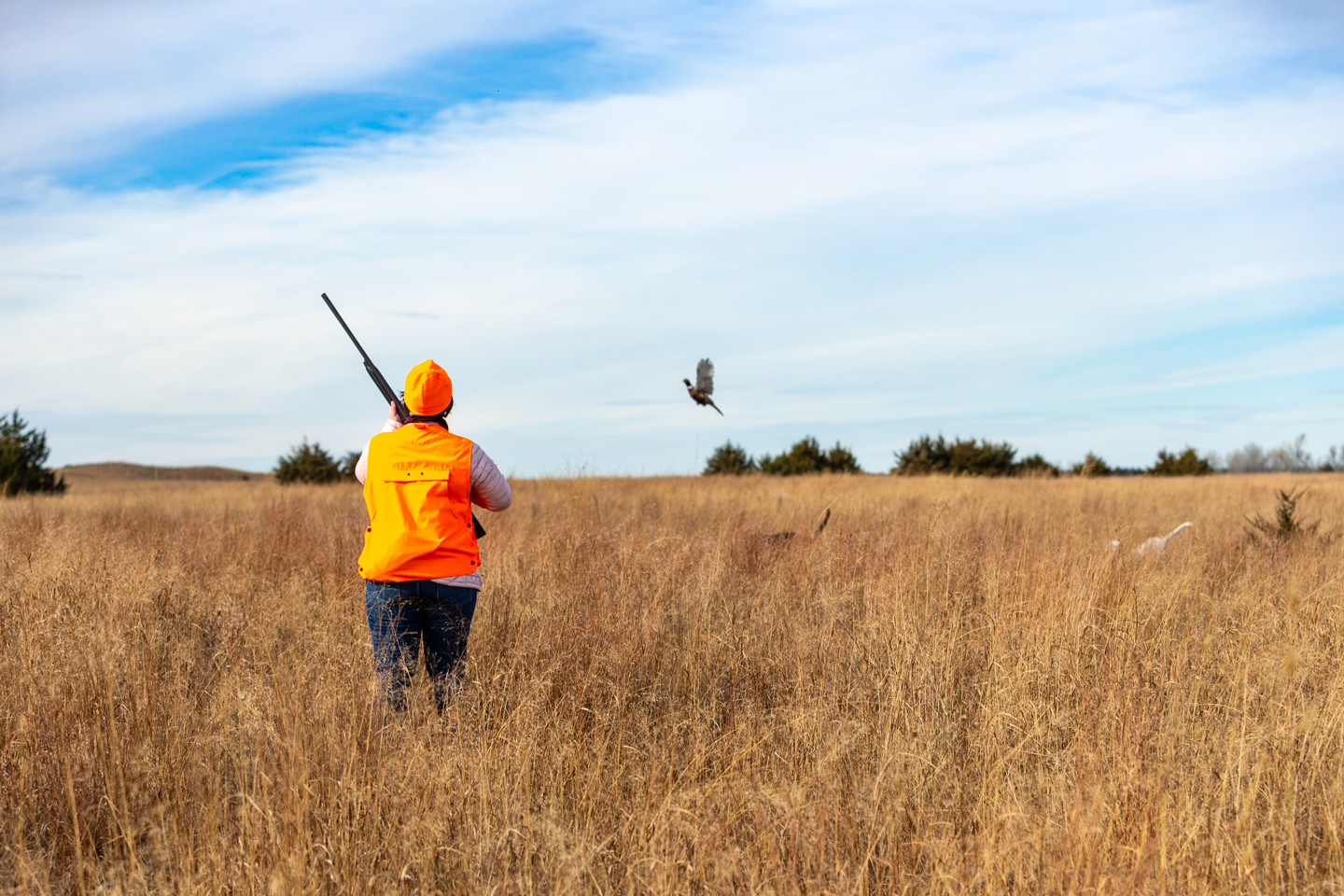
Landowners can also earn income by providing walk-in hunting access by enrolling their lands in Game and Parks’ Open Fields and Waters Program. Contracts last one to five years, and landowners receive payment each year for providing this access. Lands located within focus areas of the Berggren Pheasant Plan and/or lands where habitat work is being done may qualify for bonus payments.
“When 40% of surveyed pheasant hunters use OFW properties, providing a place to hunt is critical to sustain pheasant hunting in Nebraska,” said Adam Kester, Game and Parks’ access program manager. In 2025, the OFW Program provided public access on 471,646 acres of private land, including 91,877 acres of CRP and 30,535 acres of small grain stubble.
Whether it is habitat work or providing access, interested landowners can contact their nearest Game and Parks office to get connected with a biologist.
A Tradition Worth Keeping
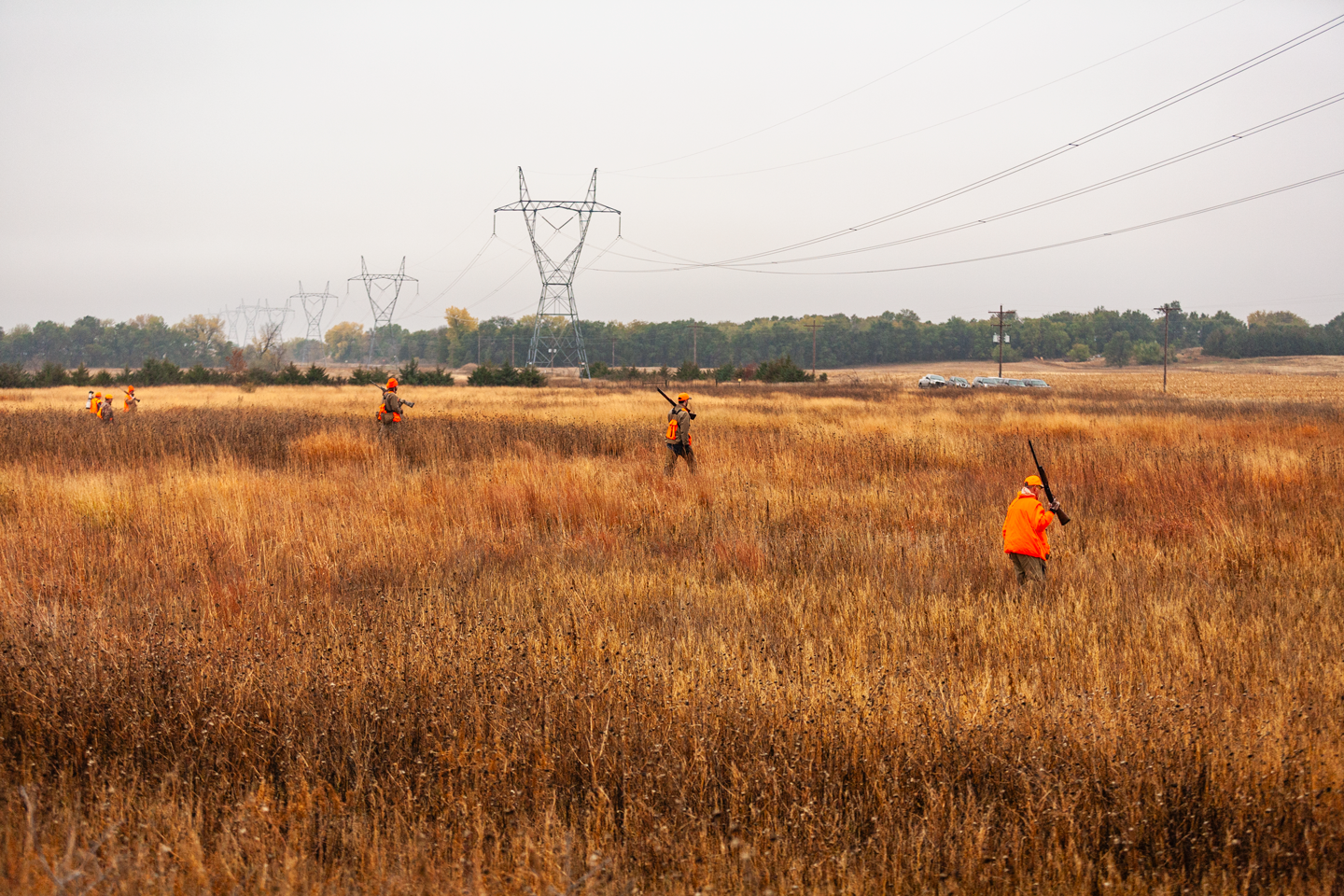
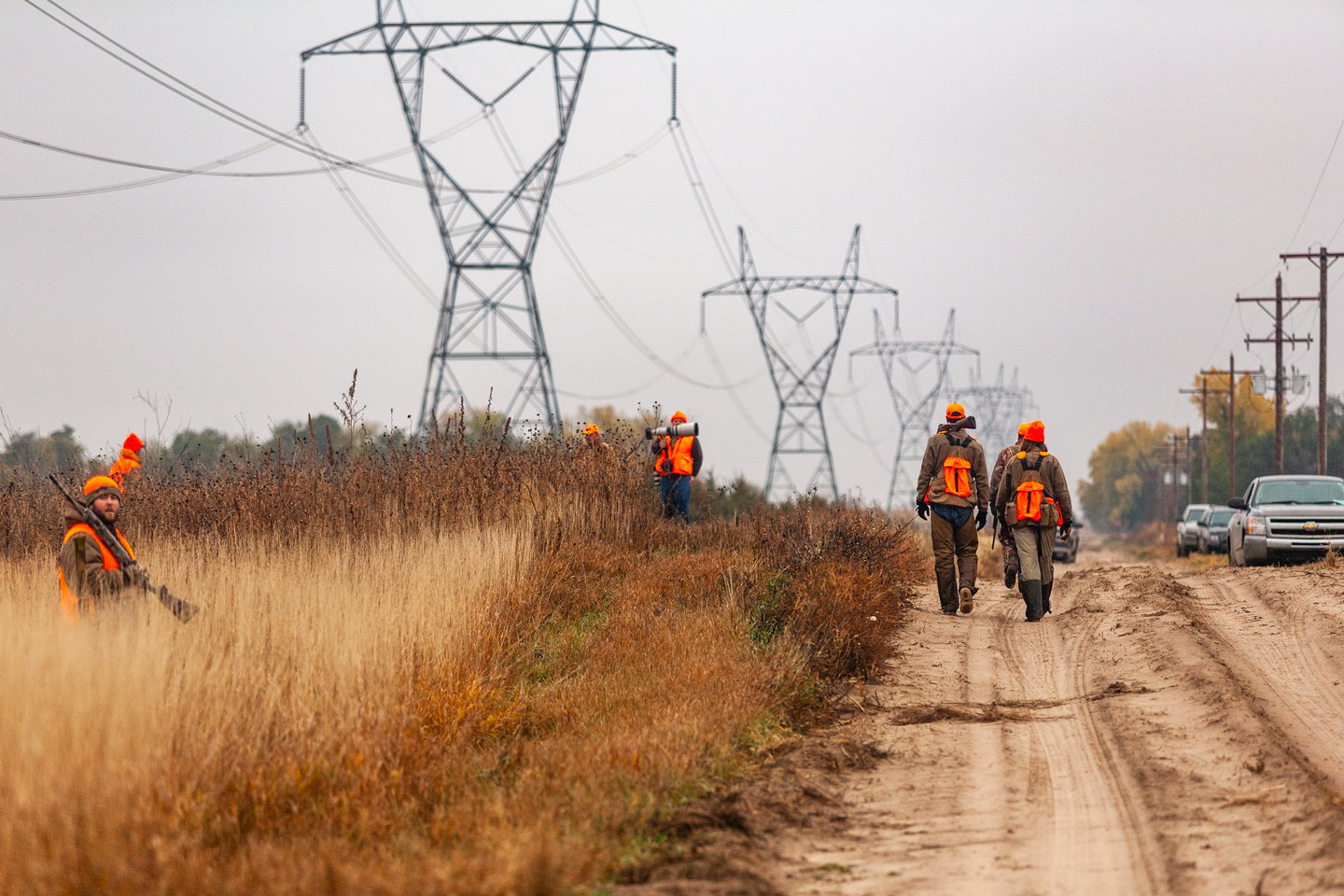
Pheasant hunting is not like sitting for deer on leased property or, if a hunter is fortunate, walking family-owned ground. And it’s not dropping thousands of dollars to hunt a trophy bull elk in another state. Upland hunting is something anyone can do: all you need is a shotgun and a pair of boots.
“Upland bird hunting opens up the whole state to you as far as opportunity goes. I can pursue prairie grouse, pheasants and quail throughout different parts of the state for five months out of the year,” Laux said. “Fortunately, there are still strongholds of habitat throughout Nebraska and in nearby states that allow people to still have that sense of exploration.”
And while Laux no longer has time to scout and sit in a deer stand every morning as a working father with young children, upland hunting still fits in with his “crazy” schedule. He can go walk a field at any time of day for a couple of hours, plus the season is long.
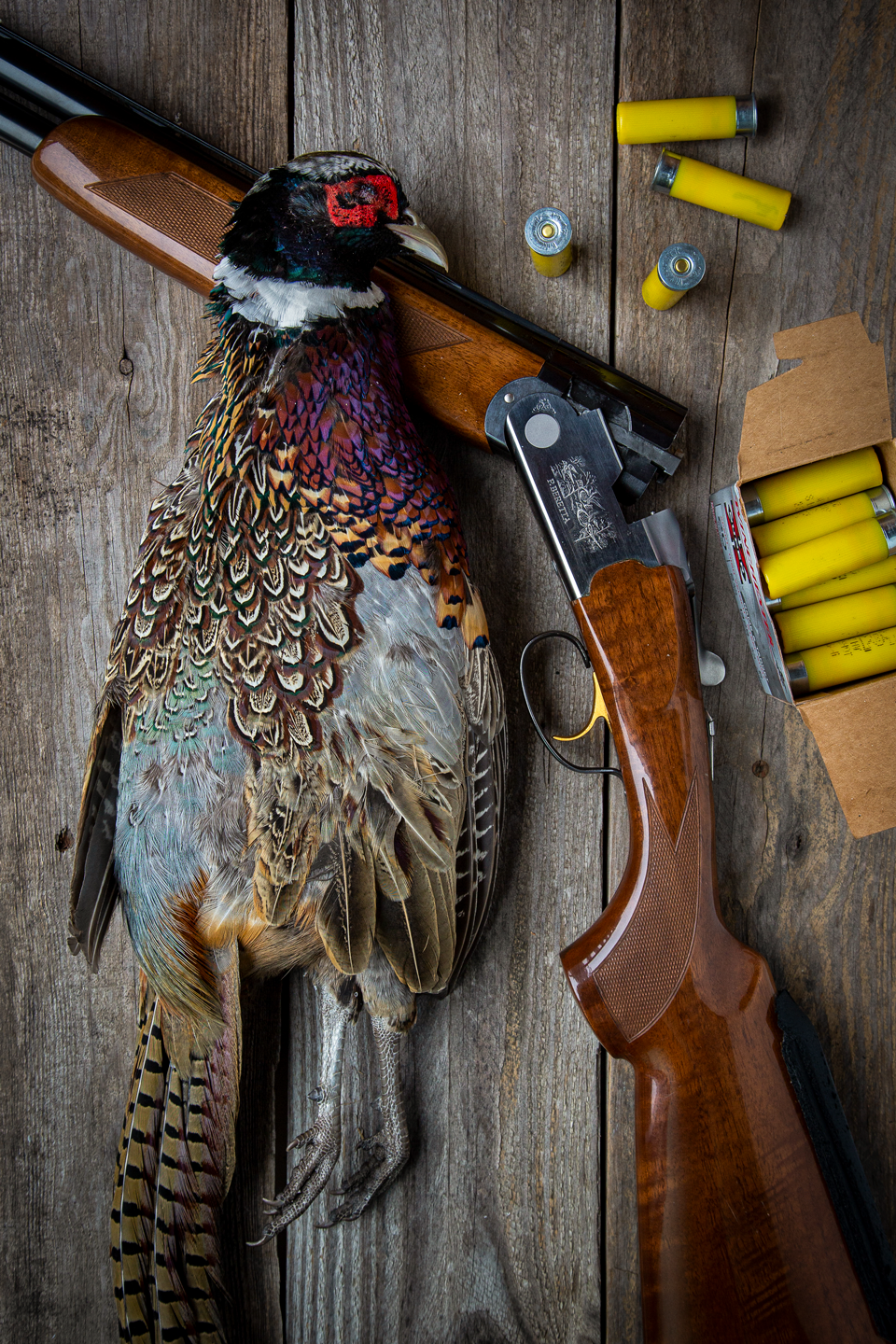
Pheasant hunting is attainable, which makes it worth preserving for bringing along the next generations of hunters. It’s a tradition that keeps people connected to the land, and when people are connected to the land, it gives them opportunities to become aware of conservation concerns they would not have known otherwise.
On this 100th pheasant season, Pheasants Forever and the Nebraska Game and Parks Commission look forward to a future of securing conservation wins.
“Where can we find common ground to create habitat?” Laux asked. “As the landscape evolves, we have opportunities before us to find innovative ways to provide that habitat, to create those benefits and to ensure the tradition continues.”
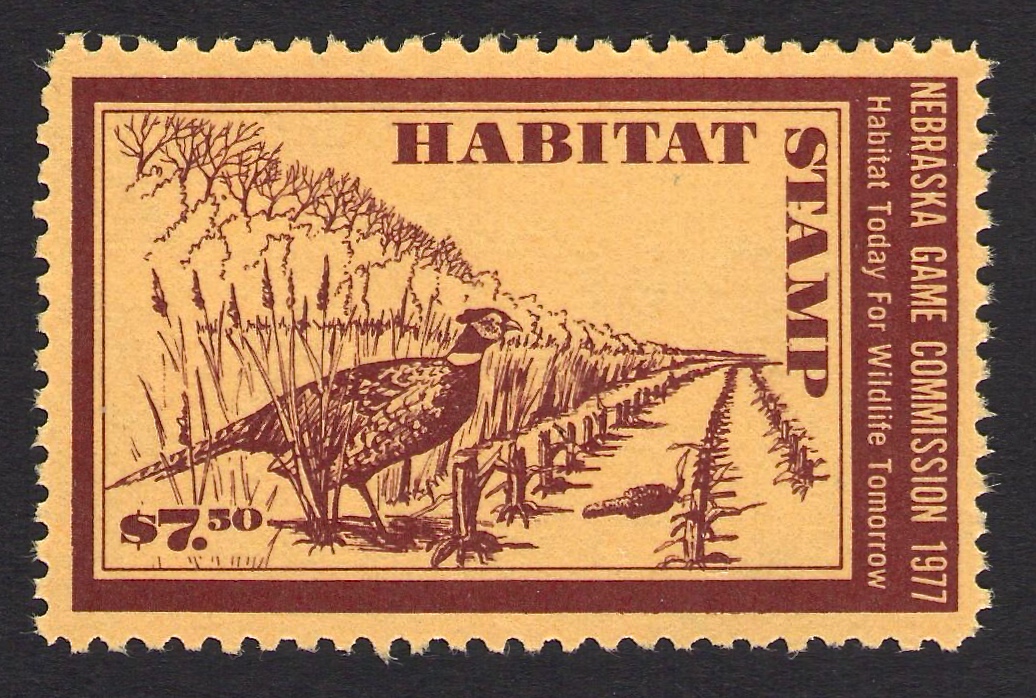
Get Your Habitat Stamp
Why should someone who will never shoulder a shotgun or set foot in the field care about pheasants? Among those who may spend little time outdoors, concerns about disappearing grasslands may seem distant.
Yet the story of the pheasant is about far more than hunting. It is also the story about the health of the land we live on. According to the World Resources Institute, healthy grasslands sustain people in vital ways, including:
• Filtering the water we drink.
• Providing habitat for pollinators that improve crop production on nearby farmland.
• Building healthy soils by cycling nutrients through extensive root systems, and by providing a home to beneficial microbes and fungi.
• Absorbing excess rainfall, slowing runoff into streams and rivers, and helping reduce flood risk.
• Stabilizing soil with deep root systems that prevent erosion, reduce runoff and allow rainwater to soak into the ground and replenish groundwater supplies.
Grasslands are the most threatened biomes on Earth. More than 90% of North America’s tallgrass prairies have been lost. “Yet despite all this, grasslands receive disproportionately little protection, funding and attention in global conservation and climate agendas,” stated the WRI.
To help conserve Nebraska grasslands, purchase a Game and Parks Habitat Stamp, which funds the conservation, lease and management of wildlife habitats across the state. While hunters are required to purchase an annual stamp along with the purchase of a hunting permit, nonhunters can purchase the stamp as a standalone.