
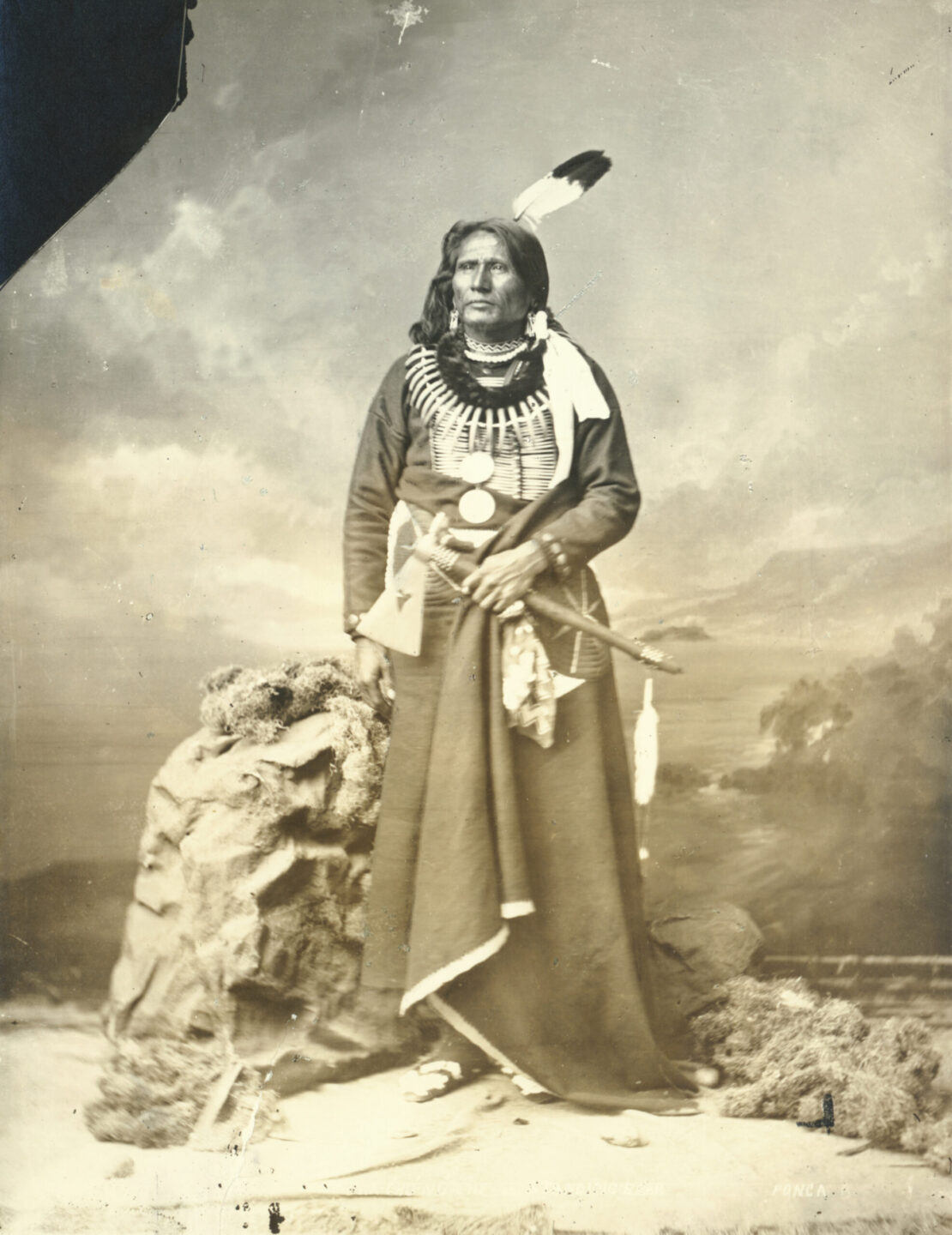
By David L. Bristow, Nebraska State Historical Society
A statue of Chief Standing Bear stands in the U.S. Capitol, and Lincoln’s newest high school is named in his honor. The Ponca leader is celebrated for an 1879 court case in which he successfully challenged the government that was holding him prisoner.
In Standing Bear v. Crook (1879), Judge Elmer Dundy ruled for the first time in a federal court that “an Indian is a person within the meaning of the laws of the United States.” As we commemorate 250 years of American independence in 2026, it’s timely to look at the role of the Declaration of Independence in this famous Omaha trial.
The Ponca had never been at war with the United States and had never sold their land near the mouth of the Niobrara River. Nevertheless, the government forced them to move to Indian Territory. There, they suffered from hunger and disease.
In the dead of winter, Chief Standing Bear led a group of Poncas on foot back to Nebraska, where they were arrested and held at Fort Omaha by Gen. George Crook.
Aided by Omaha attorneys, Standing Bear took the unprecedented step of suing the federal government in court. This was the first time a Native American had done so. He sought a writ of habeas corpus, a concept from English common law that prevents unlawful imprisonment. The government had not charged the Poncas with a crime but insisted that no Ponca could leave the reservation without permission.
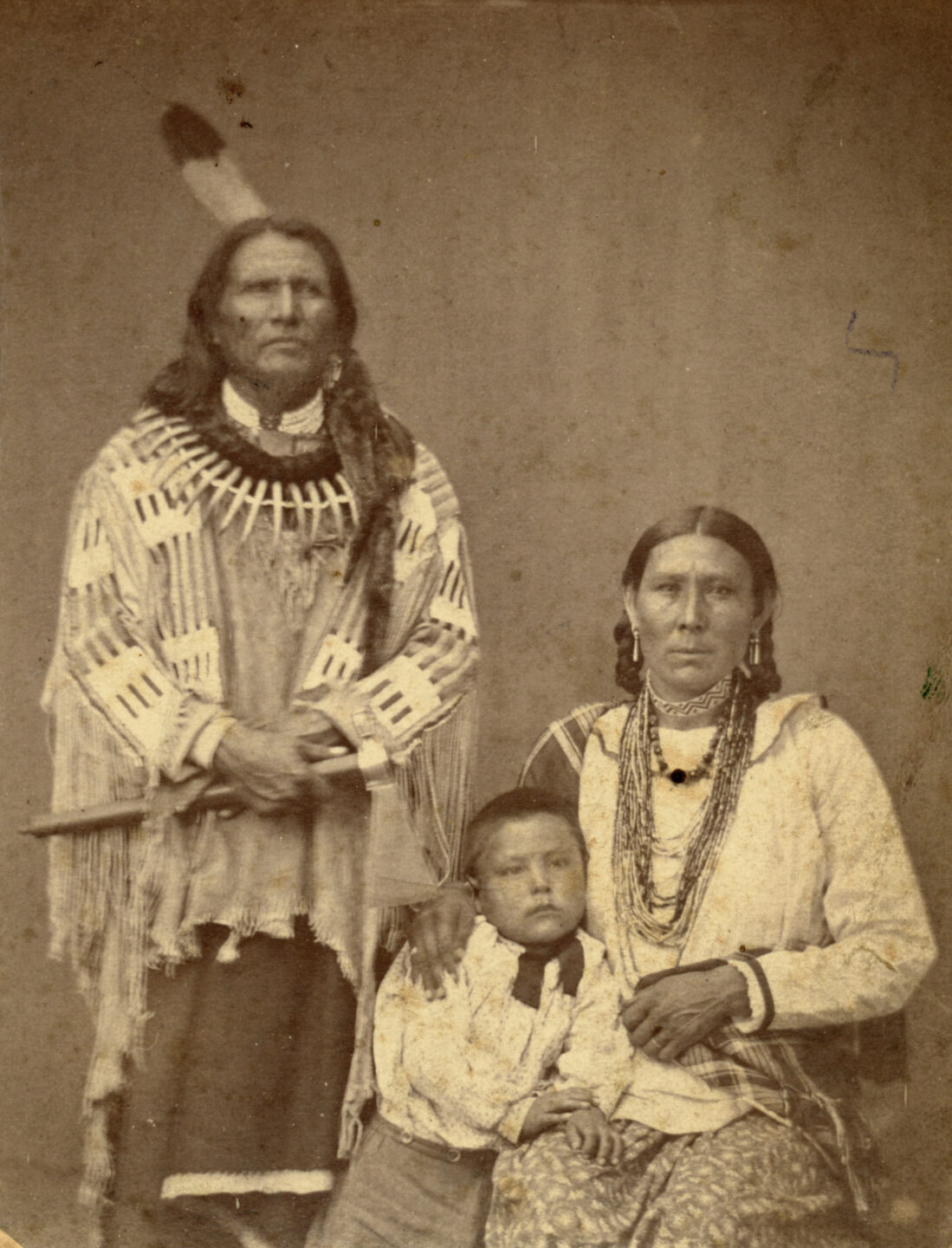
Federal attorneys even argued that Standing Bear had no right to challenge them in court. As a Native American, they said, he was not the kind of “person” that was meant when the law spoke of the rights of the people.
As in most trials, many of the arguments were technical and legalistic. But Judge Dundy got to the heart of the matter in his ruling. He noted that the federal attorney had explained the history of habeas corpus in English law. The attorney had demonstrated that habeas corpus had always applied only to the “free subjects of the kingdom” and not to everyone.
Dundy dismissed this argument. “I have not examined the English laws … ,” he said, “nor have I thought it necessary to do so.” Even if the federal attorney was correct, English laws “will appear at a disadvantage when compared with our own … that whilst the Parliament of Great Britain was legislating in behalf of the favored few, the Congress of the United States was legislating in behalf of all mankind who come within our jurisdiction.”
Dundy did not address the question of citizenship or restore the Poncas’ land, but he ordered General Crook to release the Poncas. Standing Bear and his followers had chosen to separate themselves from the rest of their tribe, and that decision must be respected, Dundy said, because — and here he referenced the Declaration — they “have the inalienable right to ‘life, liberty, and the pursuit of happiness …’.”
Dundy did not argue that the Founders had Native Americans in mind when they wrote those words. In truth, colonists had wanted to move deeper into the Native American’s territory beyond the Appalachians, and resented the British government for trying to stop them.
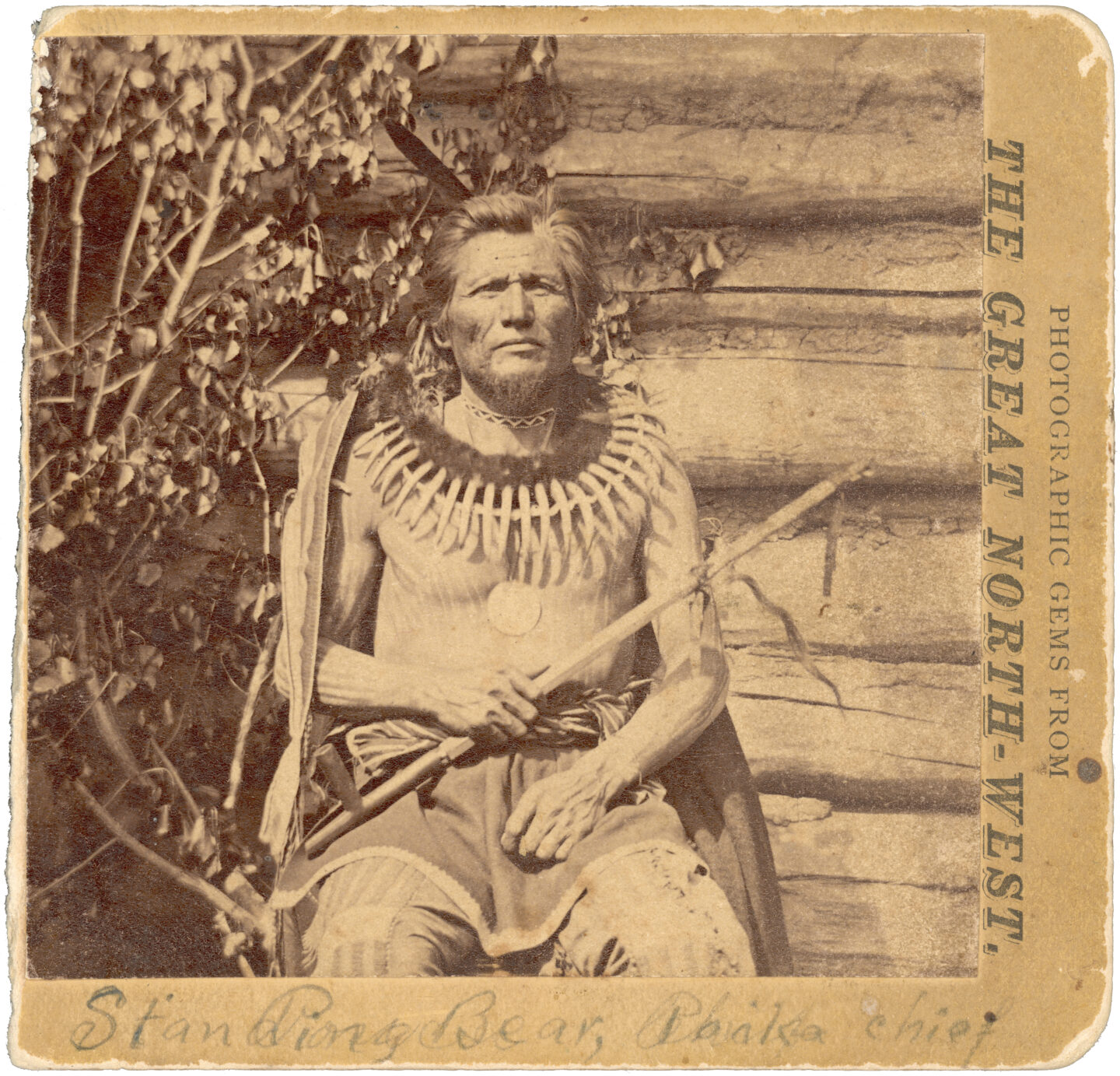
But once Americans embraced the principles of equality, self-government and inalienable rights, people who were not protected by existing laws began to argue that so-called universal principles ought to include everyone. Over time, this proved to be a powerful argument.
Standing Bear and his friends went on a speaking tour after the trial. His interpreter was Bright Eyes (aka Susette La Flesche), a young woman of the Omaha tribe who became a powerful speaker in her own right.
Bright Eyes had a knack for distilling in a few sentences the essence of America’s founding documents. One of her main themes was that the central purpose of constitutional government is its protection from arbitrary power. In her introduction to a book about Standing Bear’s case, she said she wanted the American people to hear the Poncas’ story because, “The people are the power which move the magistrates who administer the laws” — which is about as succinct a definition of democracy as one could ask for.
“It is a little thing,” she continued, “a simple thing, which my people ask of the nation whose watchword is liberty; but it is endless in its consequences. They ask for liberty, and law is liberty.”
Visit the Nebraska State Historical Society’s website at history.nebraska.gov.