
By Justin Haag
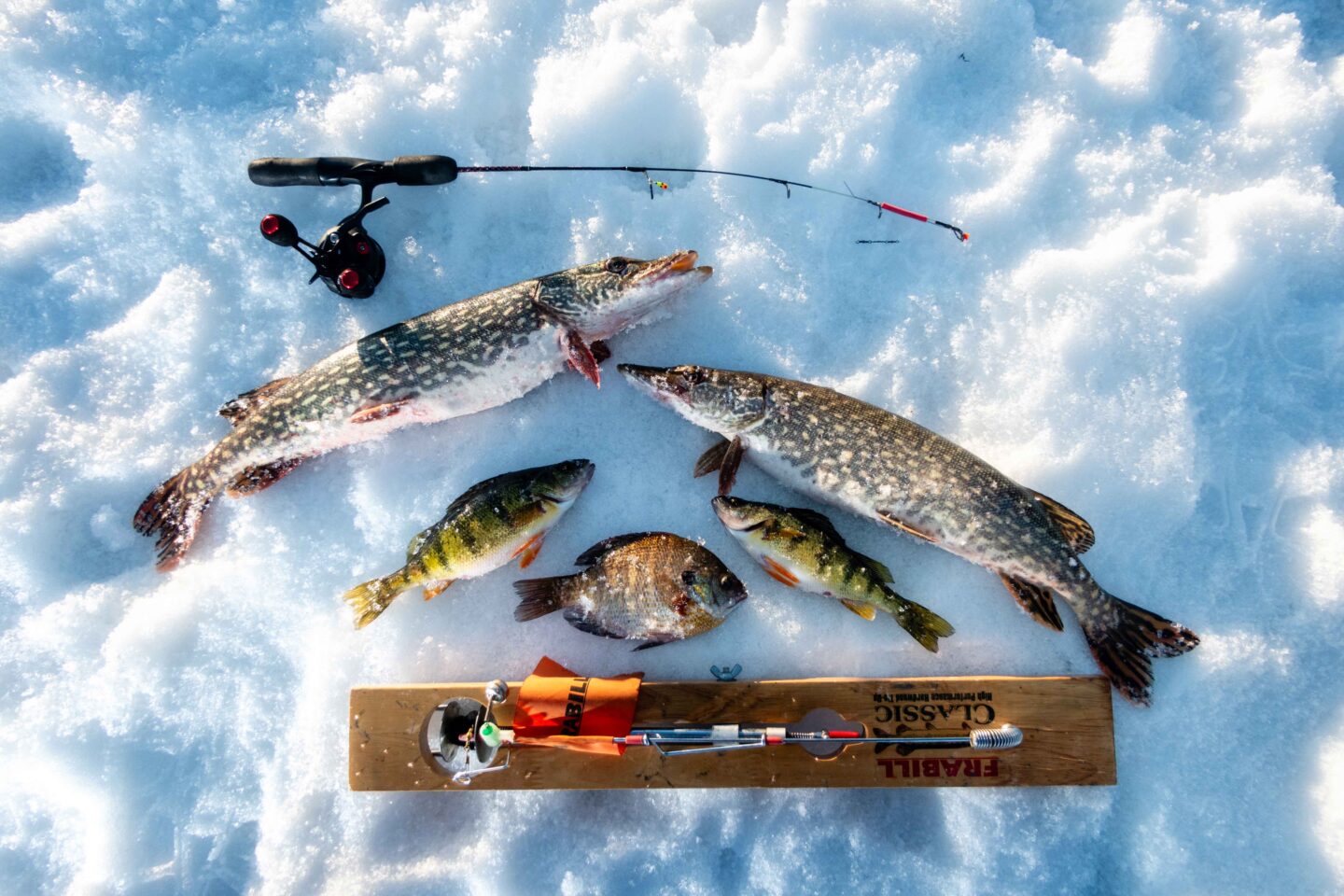
Those who catch fish in winter often profess there is no better-tasting fillet of a given species than one harvested through a hole in the ice.
But why is it that a fish caught in January is often favored table fare over one harvested in August?
Late in summer, the water is often loaded with vegetation, algae and small organisms which can find their way into the fillets in a “you-are-what-you-eat” sort of way. Some develop a “muddy” taste in these conditions. Another reason often cited is that colder temperatures tighten the muscles of fish, resulting in firmer flesh.
While there’s not much you can do for those factors, perhaps the most important aspect influencing fish taste is something within the angler’s control.
As with all pursuits that involve harvesting natural resources, much of it comes down to how things are cared for from field to table. Obviously, the taste of a fish left to sit on the floor of the boat on a 100-degree afternoon will not hold up as well as one that is chucked onto the ice for the duration of a hardwater trip.
It’s not as easy to give proper care to meat on a sweltering day of summer as it is in the cold of winter, but it can be done with just one step. Putting fish in a cooler loaded with ice helps ward off the enzymes and bacteria that cause spoilage and negatively affect fish taste. It’s something people should do anyway, since it’s illegal to move water from Nebraska’s lakes, ponds, rivers and streams, whether it’s in a livewell, bucket or something else. Not only does putting fish on clean ice help improve the taste, it also helps combat the spread of invasive aquatic species.
Thankfully, though, we’re entering the time that we can enjoy the conveniences of the big “cooler,” or perhaps “freezer,” that is Nebraska’s outdoors. Enjoy the harvest and respect the resource.