
By Monica Macoubrie, Wildlife Education Specialist
Winter in Nebraska might seem quiet, even still, but beneath the frost and snow, wildlife is busy being clever and surviving. From tiny voles tunneling beneath the snow to bald eagles soaring over frozen stretches of the Missouri River, animals adapt in remarkable ways to survive the colder months. In this article, we’ll take a closer look at 12 incredible Nebraska species and their winter behaviors and strategies. Each one is a small piece of the story that keeps Nebraska’s wild places thriving even in the heart of winter.
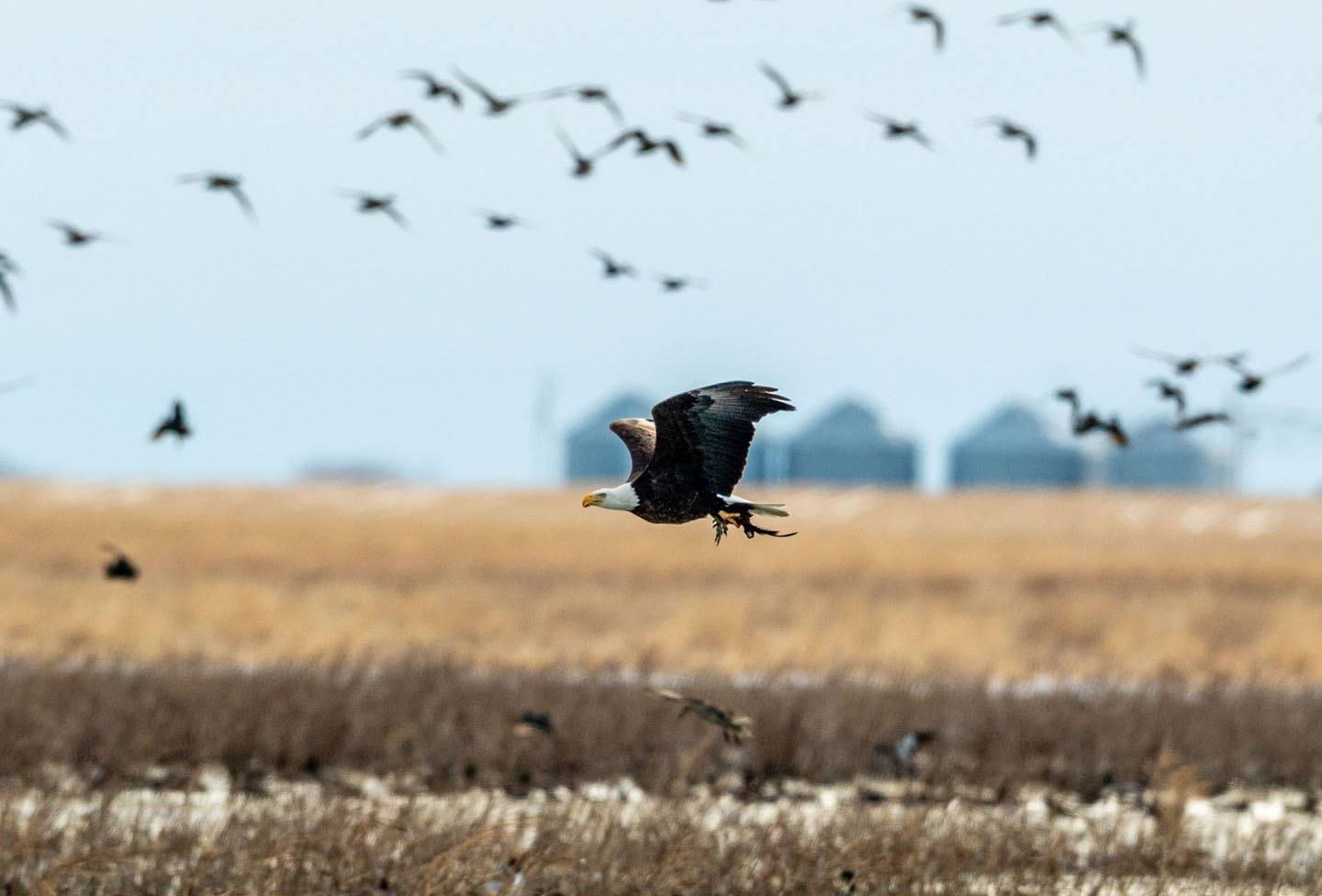
12 Bald Eagles Soaring
Winter is prime time for bald eagle viewing in Nebraska, especially from November through March. These large raptors, or birds of prey, often gather near open water sources such as Lake McConaughy, Lake Ogallala, Harlan County Reservoir, and the Platte and Missouri rivers. But did you know a group of bald eagles has several names? They can be called a convocation, an aerie or a jubilee. Spotting a cluster of them perched in a cottonwood stand feels like nature’s own version of ornaments on a winter tree.
If you are interested in keeping tabs on what birds you see in the winter, participate in the Audubon’s 126th Christmas Bird Count annually from Dec. 14- Jan. 5.
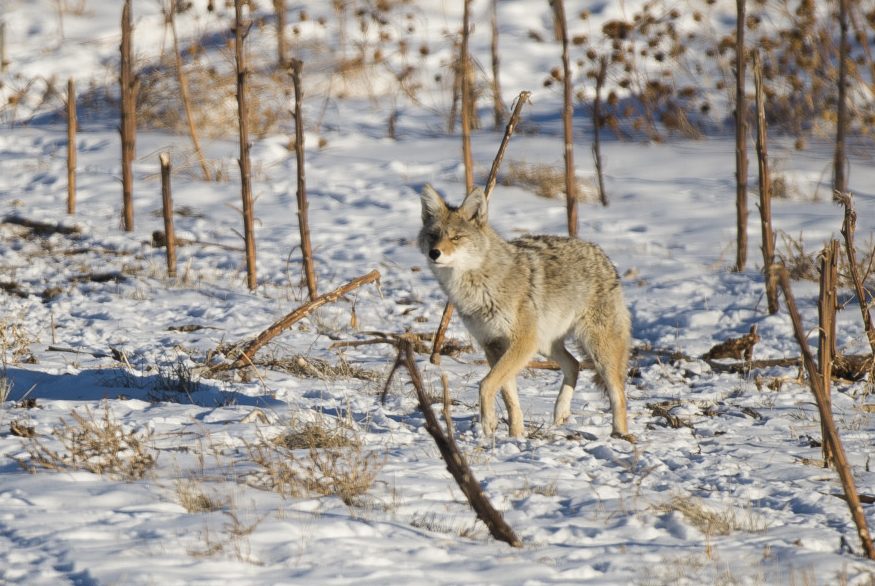
11 Coyotes Calling
Nothing — absolutely nothing — chills and thrills me in the winter months quite like hearing a coyote break the quiet with its yips and long, rising howls. One fascinating phenomenon, known as the “beau geste” effect, makes a small group sound much larger than it really is. By mixing howls, yips and barks and using the surrounding landscape to amplify and distort their sounds, just two or three coyotes can seem like a full pack of seven or eight — a clever auditory illusion practiced by these winter canines. While coyotes are normally solitary animals, they often gather in small groups in winter to increase hunting efficiency.
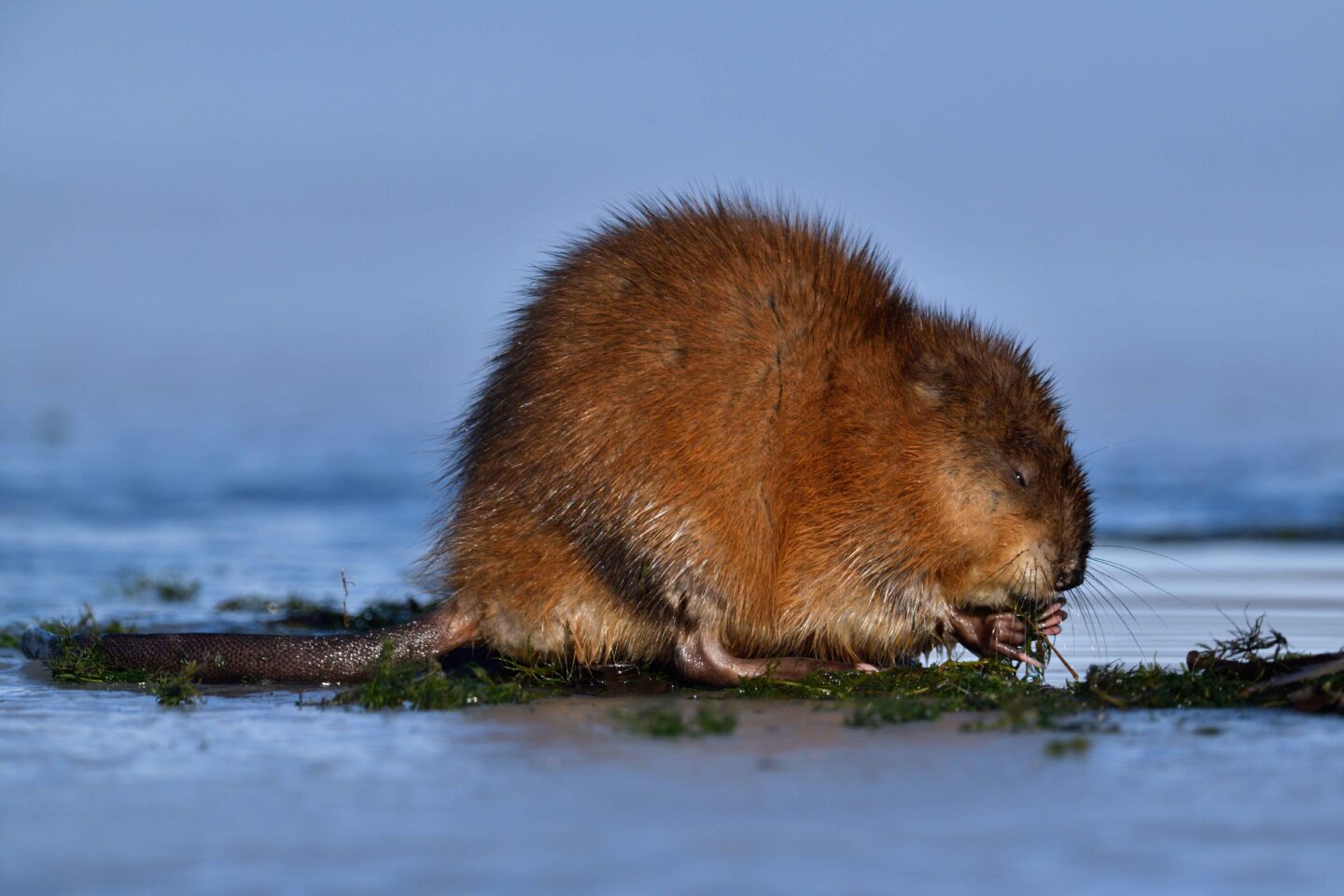
10 Muskrats Building
Like many semi-aquatic animals, muskrats don’t hibernate through the winter. Instead, they continue foraging, building and thriving along snowy riverbanks. Much like humans updating and remodeling their homes, muskrats construct smaller mounds — called “push-ups” — on the ice, where they can rest, breathe and feed. These clever structures allow them to access food beneath the ice while staying warm and dry above it. These small semi-aquatic rodents are easily confused with beavers, who are also out during the winter. Muskrats are smaller in size and have a more rat-like tail rather than the rudder-like tail seen on beavers.
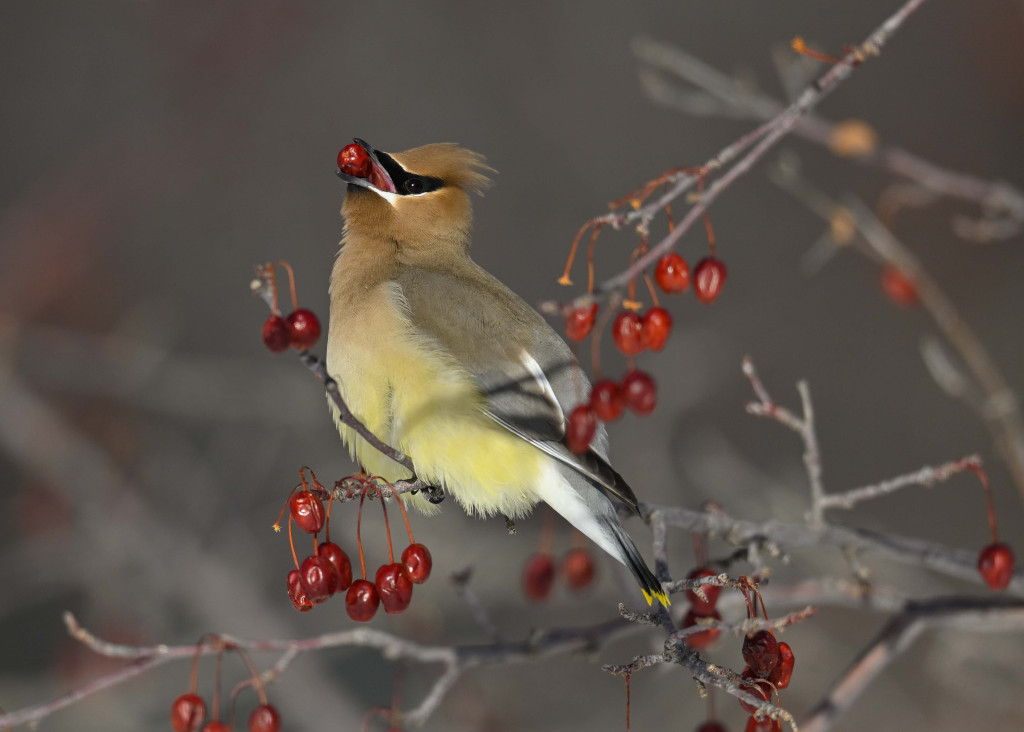
9 Waxwings Eating
When most people think of winter, they imagine birds flying south to escape the cold. Yet many species stick around, brightening Nebraska’s winter skies. One of the state’s most elegant winter visitors is the cedar waxwing. Sleek and smooth, with a distinctive black masks, these birds often flit from tree to tree, feasting on berries from cedar and hawthorn trees. To learn more, read “Birds That Brighten Nebraska Winters.”.
Sometimes, you might notice them behaving oddly — tumbling from perches, bumping into each other or even flying into objects. This unusual behavior is often caused by fermented fruit. In the fall, some berries become overripe, and in winter, the cold concentrates their sugar, which then breaks down into alcohol. Overindulgence can impair the birds and even be dangerous. If you spot “drunk” waxwings in your yard, setting out fresh, non-frozen water can help hydrate and support them.
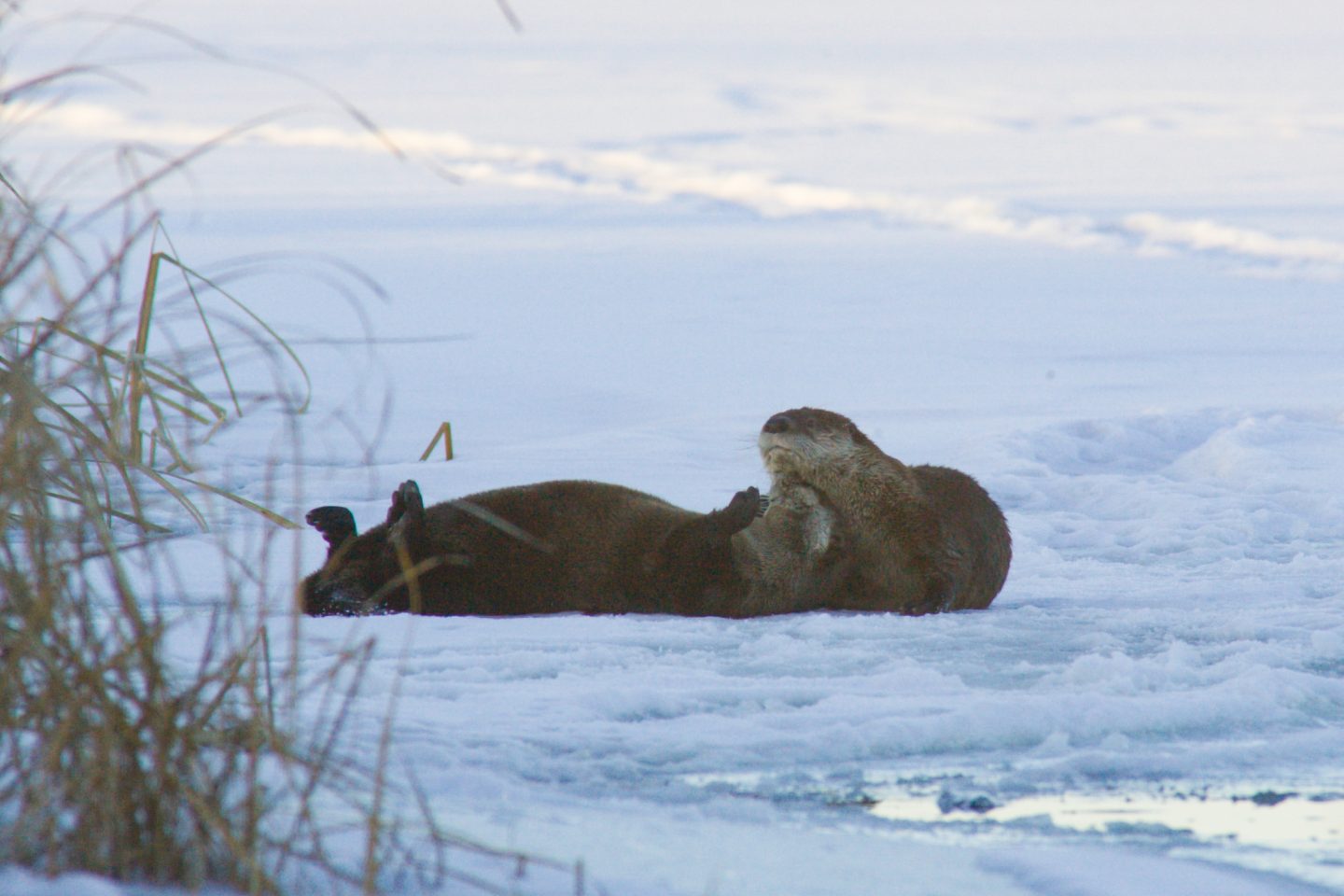
8 River Otters Sliding
Like many Nebraskans, river otters consider sledding a top-tier winter pastime — though their version looks a little different. Instead of plastic saucers and downhill slopes, otters rely on their bellies. In winter, they slide across snow and ice for both playful fun and efficient travel. Typically, an otter will run or hop a few steps, then glide forward on its stomach, covering impressive distances between hunting areas or simply enjoying the activity with other family members. This belly-sliding also fluffs their dense fur, trapping insulating air that helps keep them warm after swimming in icy water. Be on the lookout for otter slides in the snow near ponds and rivers.
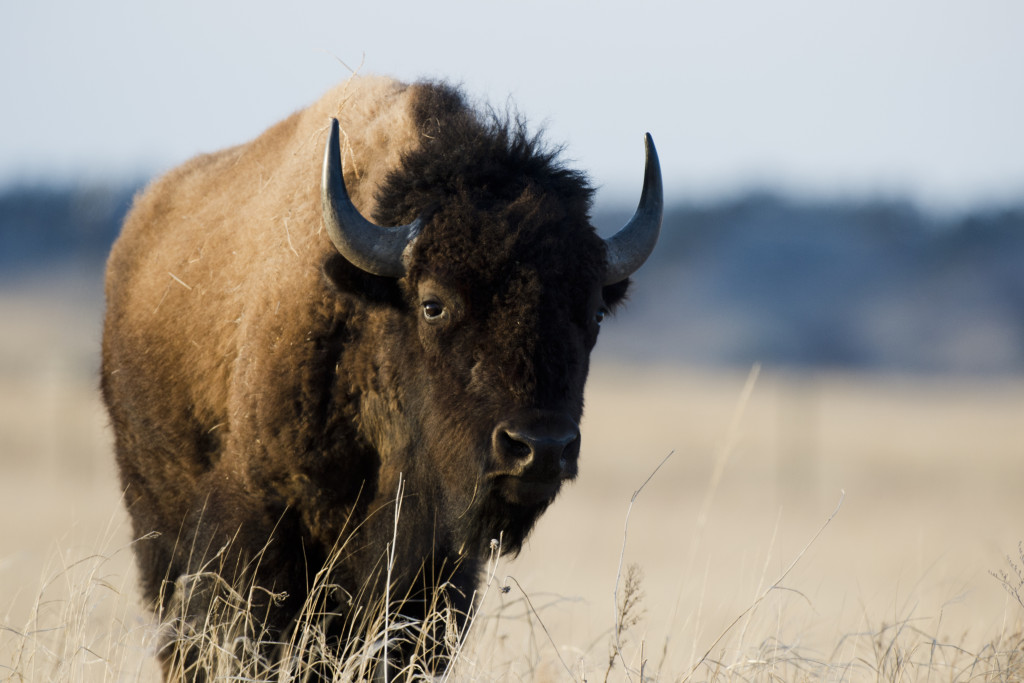
7 Bison Browsing
When winter settles in, all I want is soup, mashed potatoes, stew — something warm and hearty. Cold celery sticks after a day in the snow? Hard pass. Yet that’s essentially what bison are eating out on the prairie. During extreme cold, bison lower their nutritional needs and slow their metabolism to conserve energy. The forage they do consume stays in their gut longer — especially in winter, when it’s mostly tough, indigestible plant material — allowing them to eat less while still pulling out the nutrients they need. Without these remarkable adaptations, bison could never endure blizzards, –40° temperatures or winds whipping over 50 miles per hour.
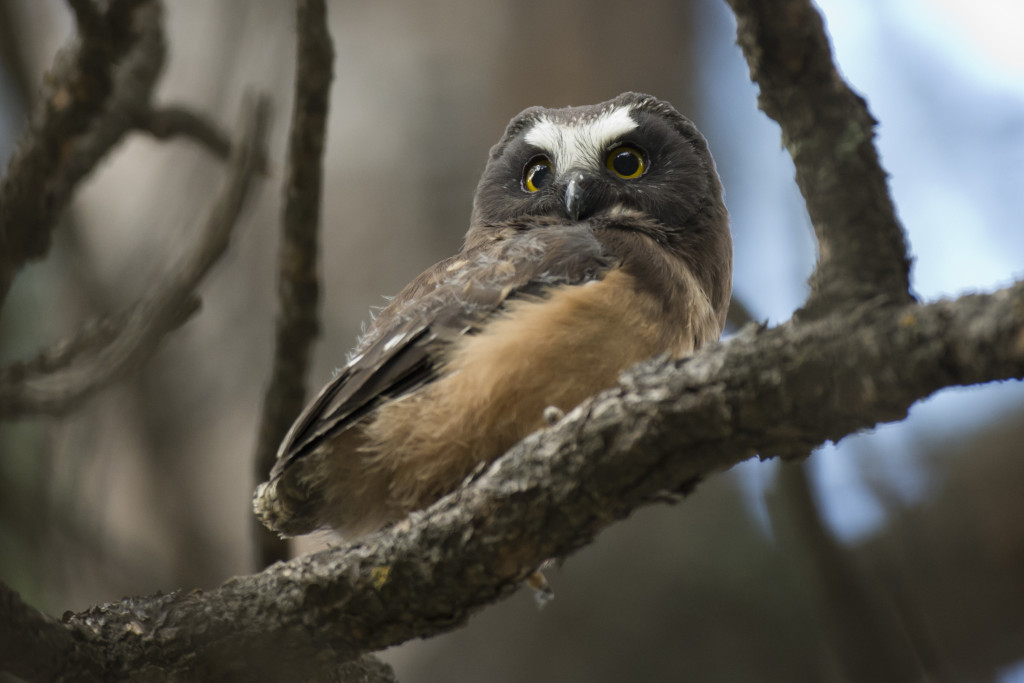
6 Saw-Whets Calling
It may be hard to spot this owl, but you’re far more likely to hear its high-pitched “too-too-too” call echoing through quiet nights from January to May. Northern saw-whet owls are tiny, with cat-like faces, oversized heads and bright yellow eyes. Your best chance of finding one is by listening for other birds — songbirds will sound the alarm with frantic calls and flurries of movement whenever an owl is nearby, often revealing its hiding place. Use this link to listen to a northern saw-whet owl calling.
5 Butt-Breathing Turtles
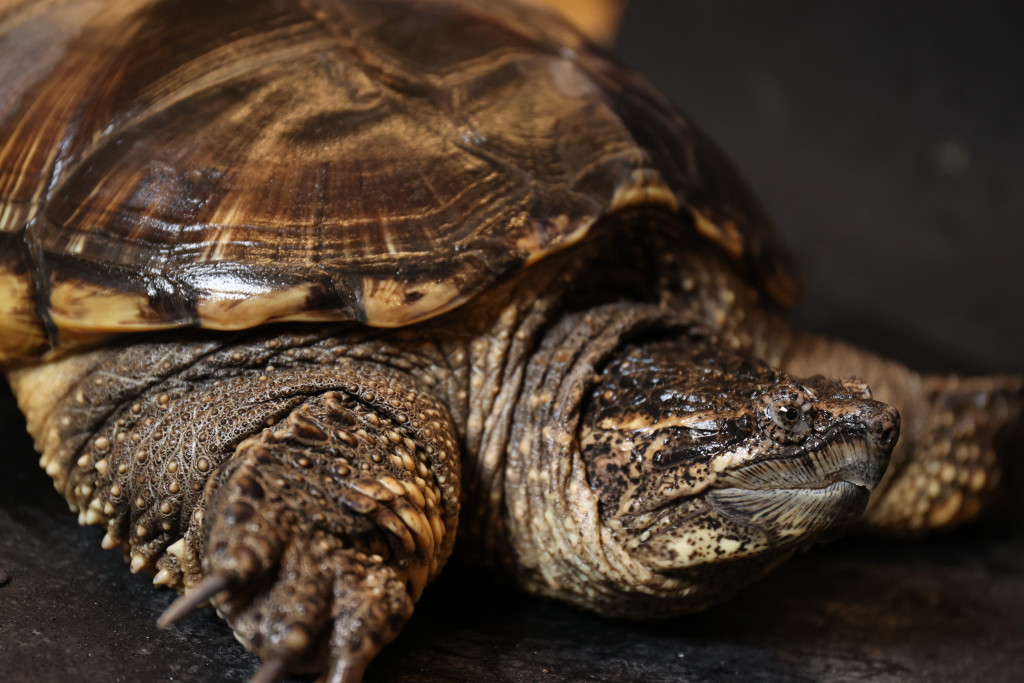
You won’t see a turtle out and about in winter, but they could be quietly surviving beneath the ice. Common snapping turtles retreat to the bottoms of ponds and slow-moving rivers, burrowing deep into the mud to escape freezing temperatures.
While buried, they rely on a fascinating adaptation called cloacal respiration, or “butt breathing.” Specialized tissues in their cloaca allow them to absorb oxygen directly from the water, keeping them submerged for months without needing to surface. During this time, their metabolism slows dramatically, conserving energy as they wait out the cold.
4 Pike Hunting
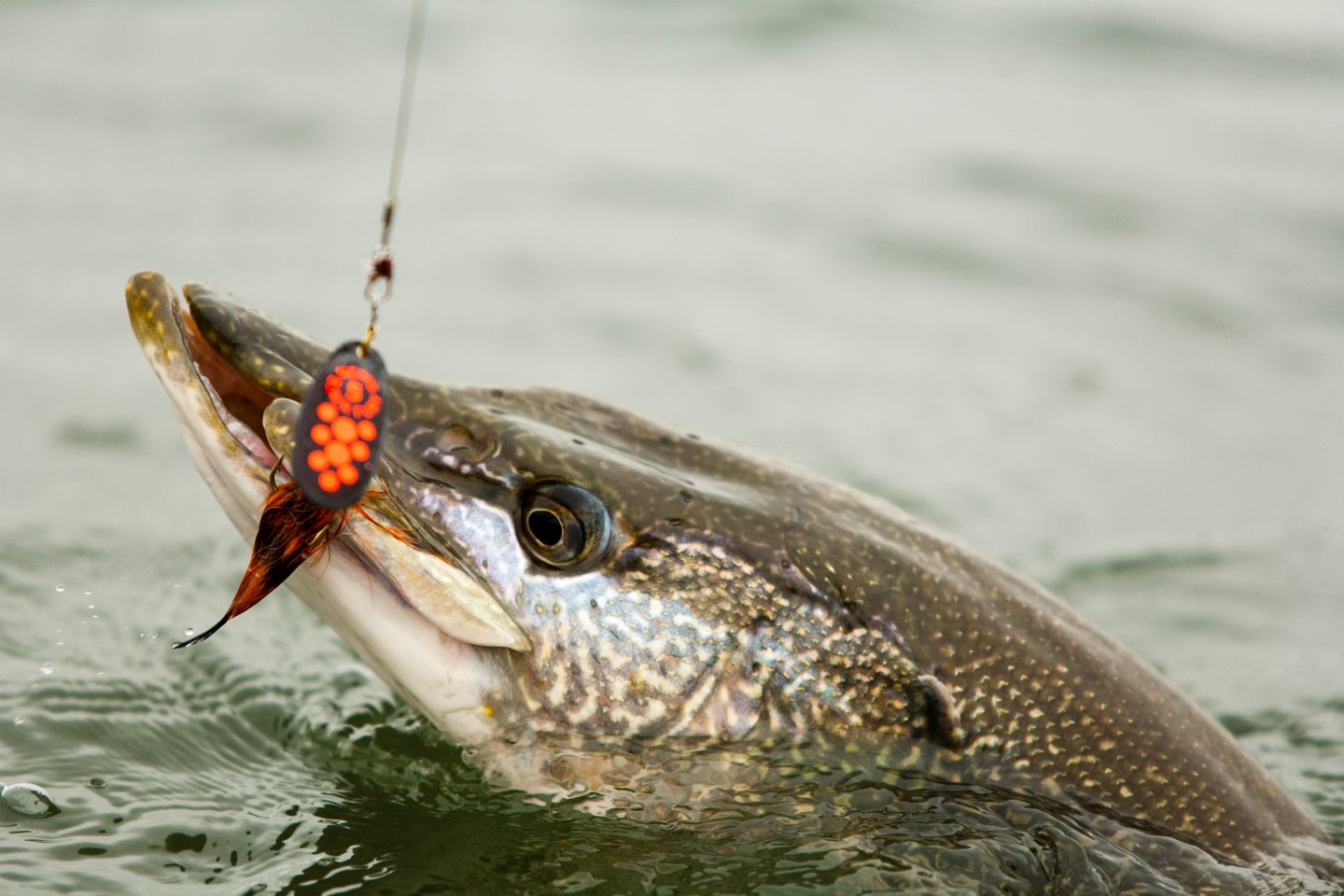
Aquatic animals are also active. Northern pike are foraging and trying to survive. These stealthy predators patrol lakes and slow-moving rivers, weaving through submerged vegetation as they search for fish and other small prey. Their long, torpedo-shaped bodies and sharp teeth make them perfectly adapted to ambush unsuspecting targets. In cold water, their metabolism slows just enough to conserve energy, but they still strike with lightning-fast precision.
3 Turkeys Roaming
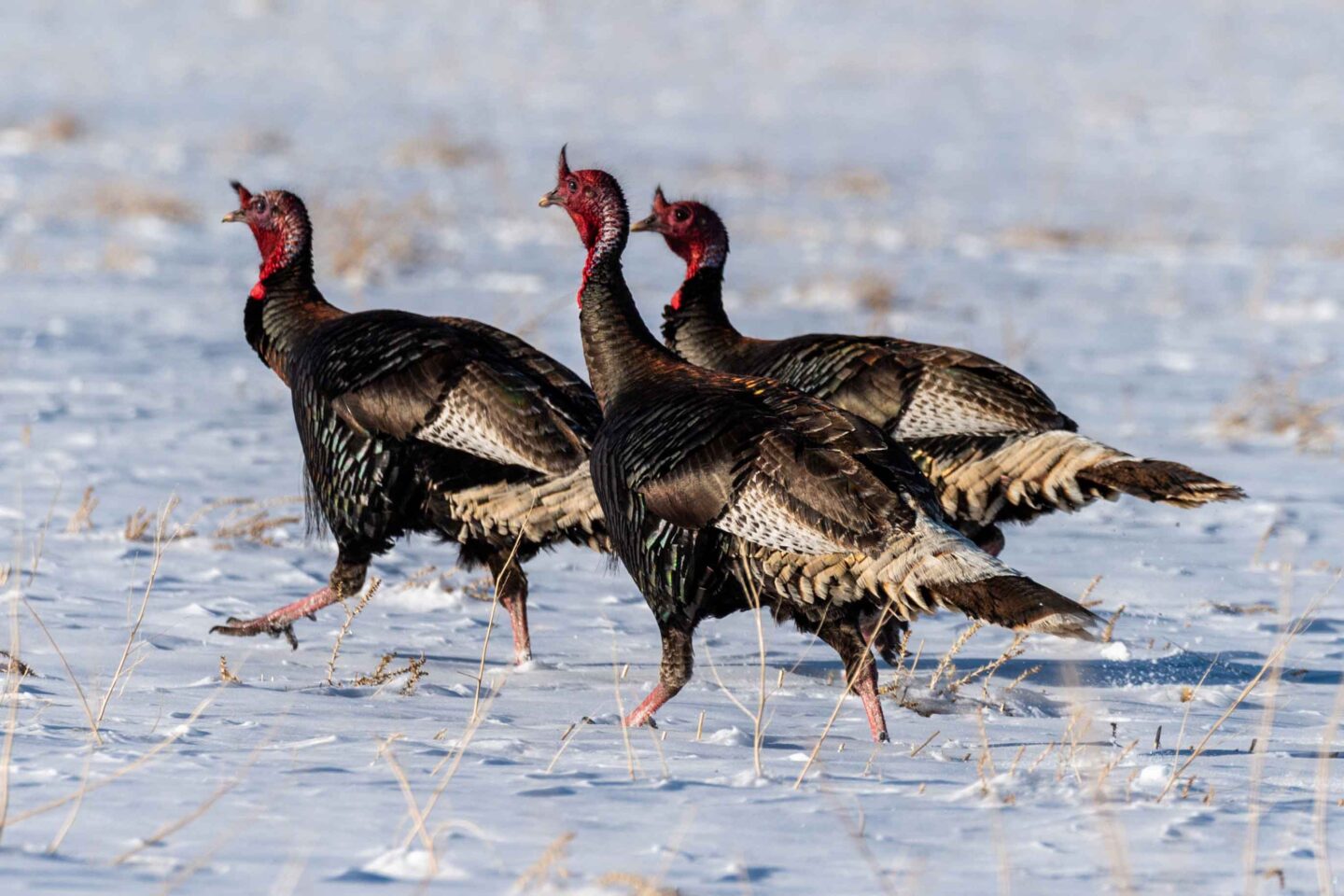
Snow and cold don’t slow down Nebraska’s wild turkeys. Flocks move through snow-covered fields and woodlands, pecking for seeds, berries, and leftover insects. Their strong legs and sharp beaks let them dig through snow and leaf litter to find food, while their social behavior— moving and foraging together — helps them conserve energy and stay alert for predators.
In harsh conditions, turkeys fluff their feathers to trap warm air against their bodies for insulation. They also have a remarkable “counter-current heat exchange system” in their legs, which minimizes heat loss, keeping their featherless legs cool while the rest of their bodies stay warm.
2 Bobcats Stalking
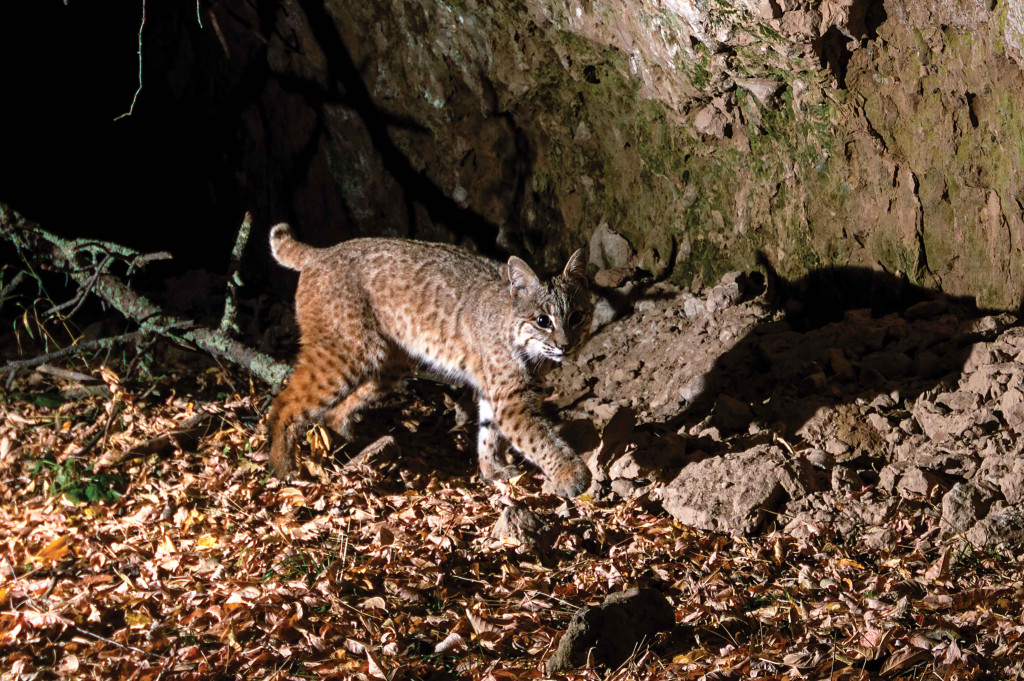
Bobcats are elusive in every season — summer, spring, fall or winter. Not only is it difficult to spot one, but witnessing a hunt is even rarer. These large cats are incredibly patient, slowly stalking their prey and getting as close as possible before striking, much like a domestic housecat. Padded paws muffle each step, while keen eyesight and sharp hearing help them detect even the slightest movement, making them silent and efficient hunters even in the wintertime.
1 Prairie Vole Tunneling
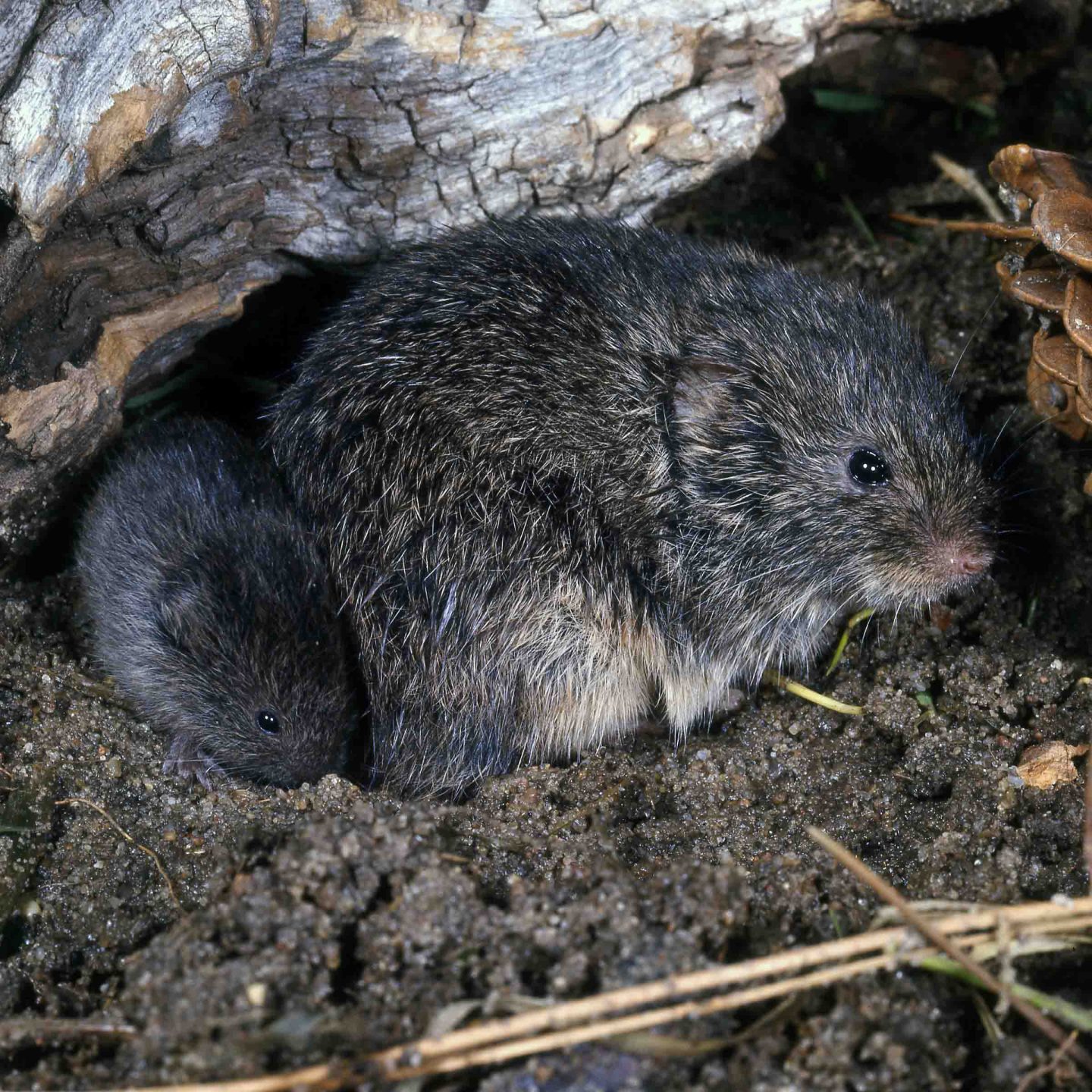
It’s not just the large mammals that stay active in the snow — tiny prairie voles remain busy all winter long as well. These mouse-like creatures tunnel beneath the snow, staying warm and protected from predators while foraging for food. Often, their shallow tunnels are visible to observant walkers in the grass and can sometimes be seen after the snow melts. The snow acts as an insulating blanket, allowing voles to safely search for grass roots, bulbs, bark and seeds they may have stored earlier in the year.
Just because it’s winter, does not mean things are “dead” or “still.” We humans simply need to be better observers. Whether it is tracks in the snow, a flash of feathers, a glint of a fish, or a call of an owl, life continues in subtle ways even in the harshest months. So, as you celebrate the holidays this winter, take a moment to enjoy the living “gifts” all around you, and let Nebraska’s wild places