
Story and photos by Chris Helzer
What comes to mind when you think of a flower? If you’re like most, you probably picture something that looks like a daisy or sunflower, with multiple colorful petals radiating out from a center disk. While many do look like that, flowers come in a dizzying array of designs, all of which are intricate and beautiful, even if they might not look immediately familiar.
Many people are surprised to learn that grasses have flowers. They must, of course, since grasses make seeds, and seeds come from flowers. Grass flowers are tiny, and don’t have big, showy petals or attractive scents. For all that, they’re still beautiful, even if you have to look closely to appreciate them.
The primary function of a flower is to produce seeds for reproduction. Seed production usually requires an exchange of pollen, so flowers have to both produce pollen and capture pollen from other flowers. Usually both those functions happen on the same flower, but some plants produce separate male flowers — which make pollen — and female flowers, which receive it and create seeds.
To move pollen from one flower to another, most plants use one of two methods; they either induce animals to move the pollen for them, or they rely on the wind to do it. Flowers that rely on animals have to work for that help. Many make themselves big and colorful and/or produce strong odors to attract visitors. Visiting animals are rewarded with food — either pollen, nectar or both. In return, those visitors carry some pollen away with them that hopefully gets rubbed off on another flower and stimulates seed production.
It takes a lot of energy for plants to produce big, attractive petals, essential oils and sweet nectar. Because of that energy expenditure, lots of plants choose the cheaper option of throwing their pollen to the wind. Instead of investing in all those extras, wind-pollinated plants stick to the basics. They have anthers that produce pollen and stigmas that capture it. Simple, elegant and inexpensive.
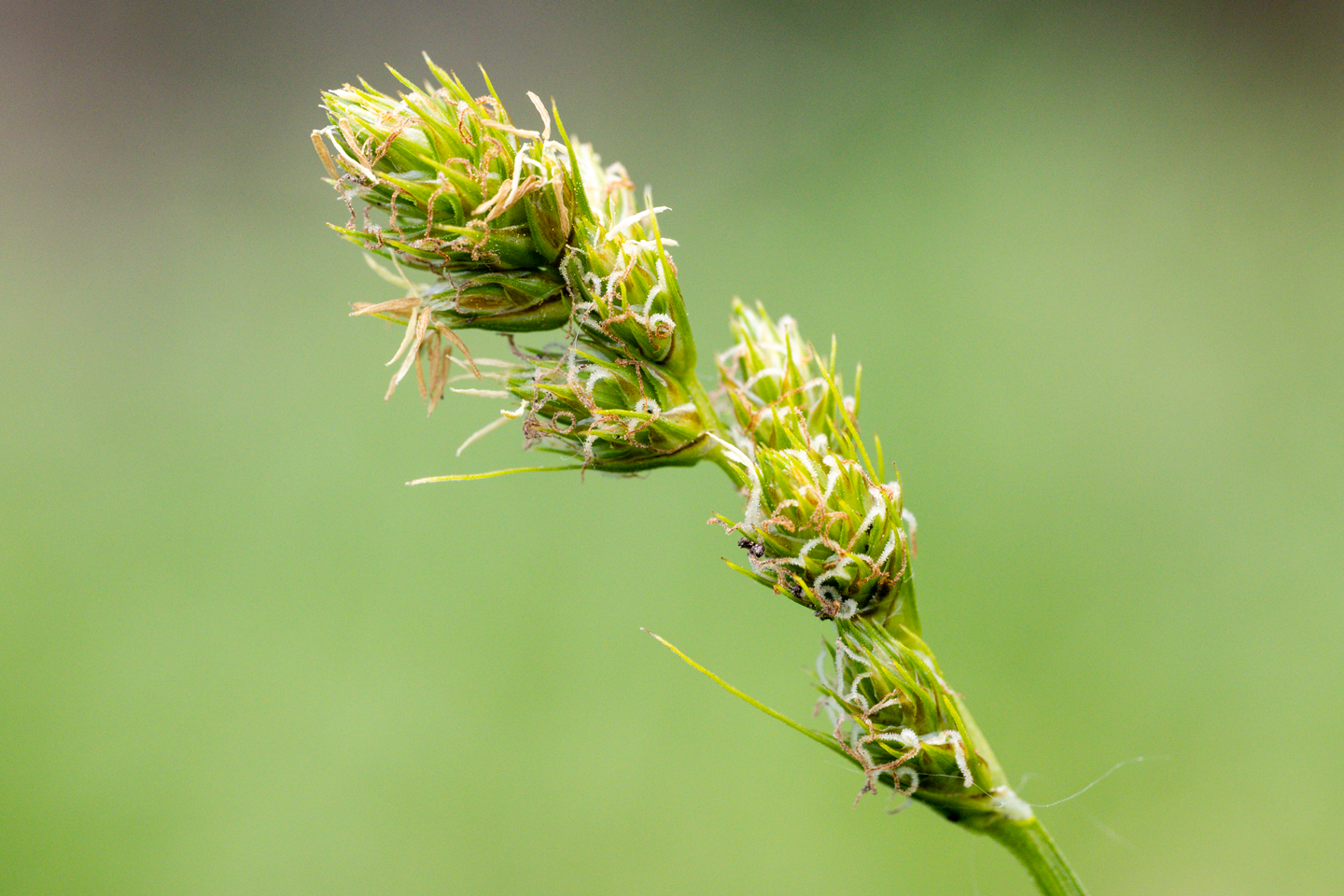
Grasses — along with sedges and rushes — are wind-pollinated, including grass species we use as row crops such as corn, wheat, rice and oats. They’re joined by many tree species, including pines, junipers, oaks, walnuts and others. Ragweed is probably the most infamous of the wind-pollinated plants because of the number of people who suffer from hay fever, but other broadleaf plants like plantain, nettles and hops are at least mostly wind-pollinated.
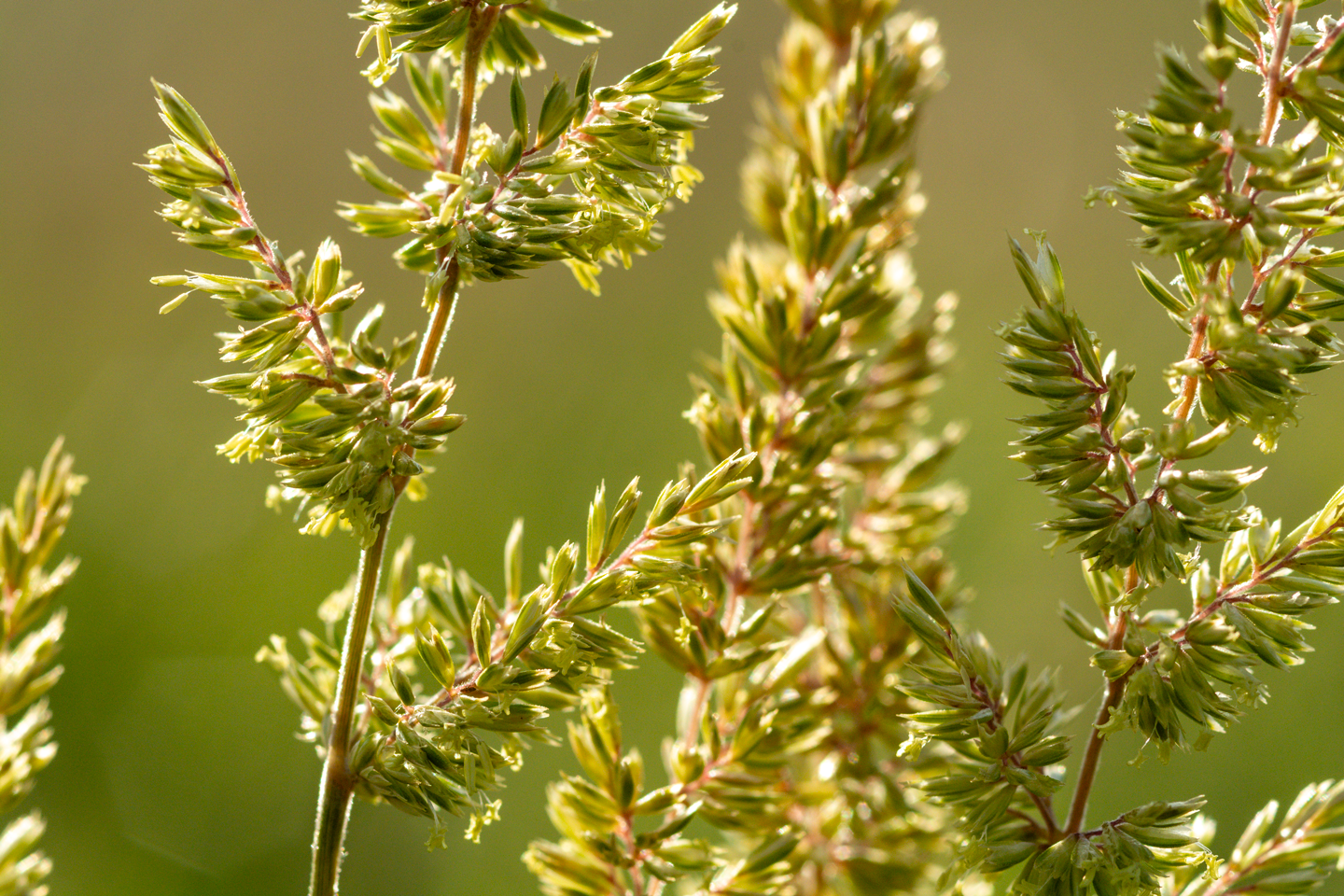
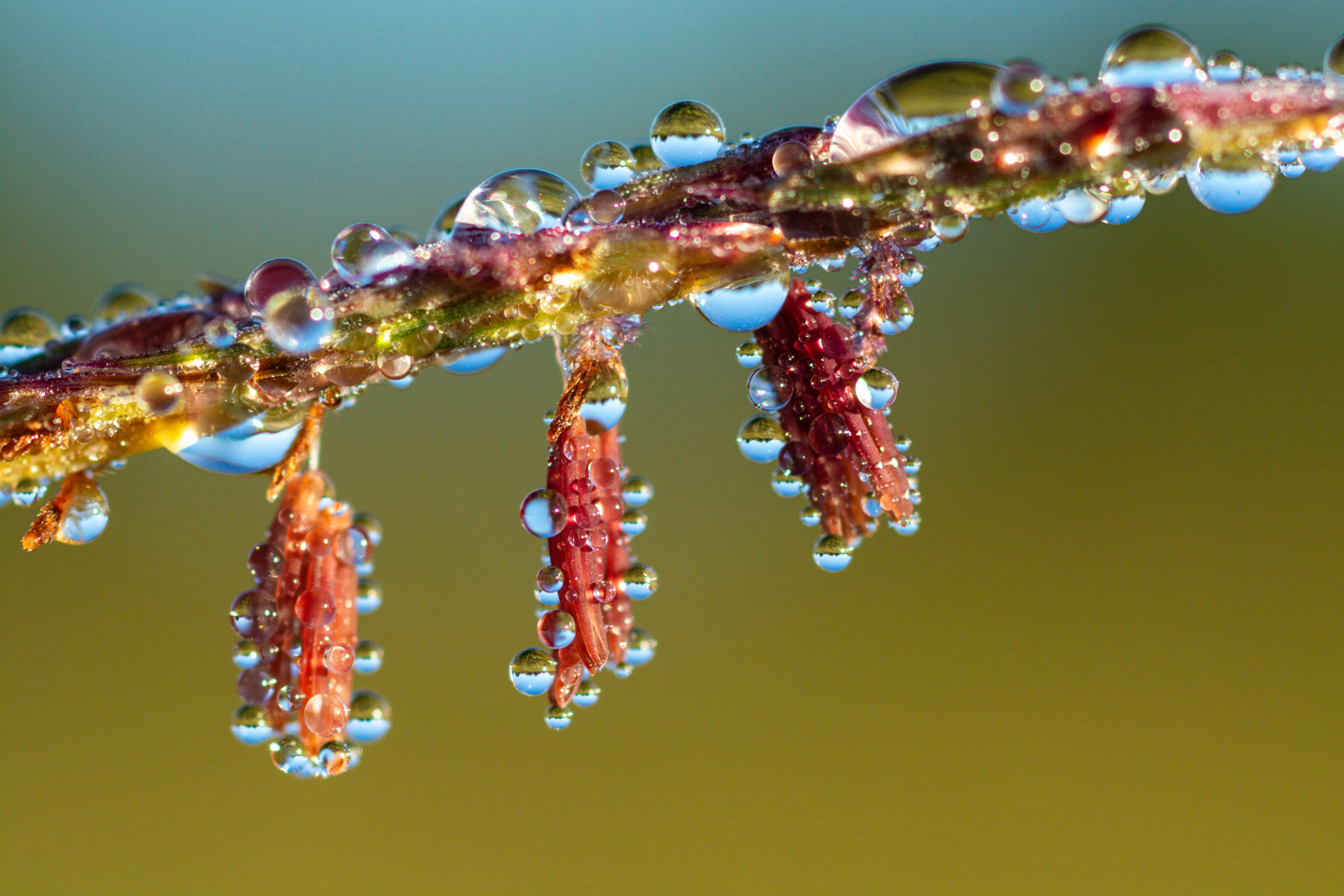
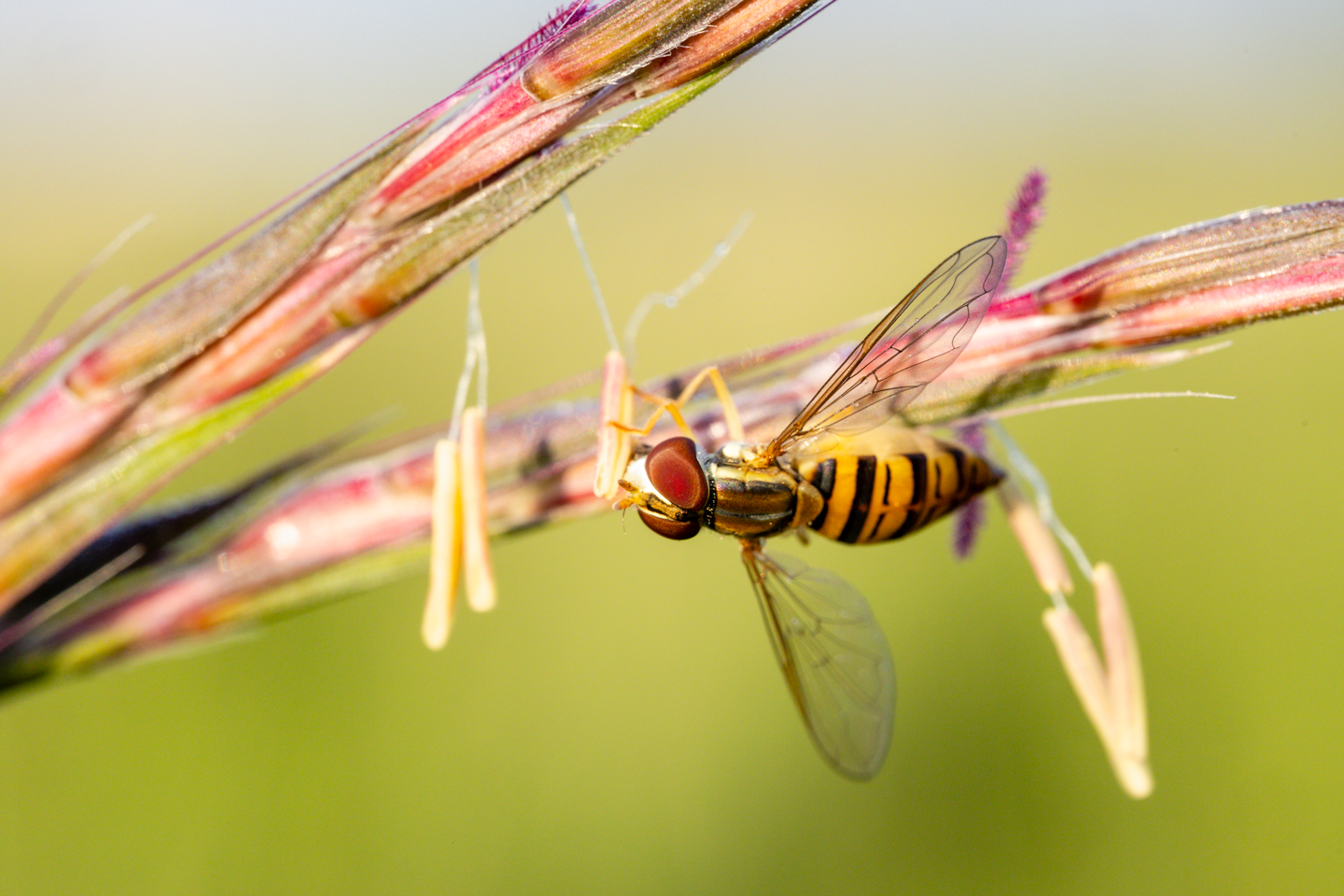
Look closely at grass flowers and two structures stand out. The first is the anther, which contains the pollen the flower is releasing into the wind. Anthers are usually long and slender, often nearly cylindrical in shape. A single anther can contain thousands of pollen grains. The second structure is the feathery stigma, which catches wind-borne pollen. The stigma is connected to the ovary, where seeds will be produced, if everything goes well.
Grasses don’t need animals to move their pollen around, but some animals visit grass flowers anyway. Pollen grains contain lots of protein, carbohydrates and other nutrients, so they make an excellent food source. Some bee species feed on grass pollen, but flies are much more common visitors. In particular, hover flies — aka syrphid flies — are commonly seen on grass flowers, often holding anthers like big ice cream cones and licking the pollen from them.
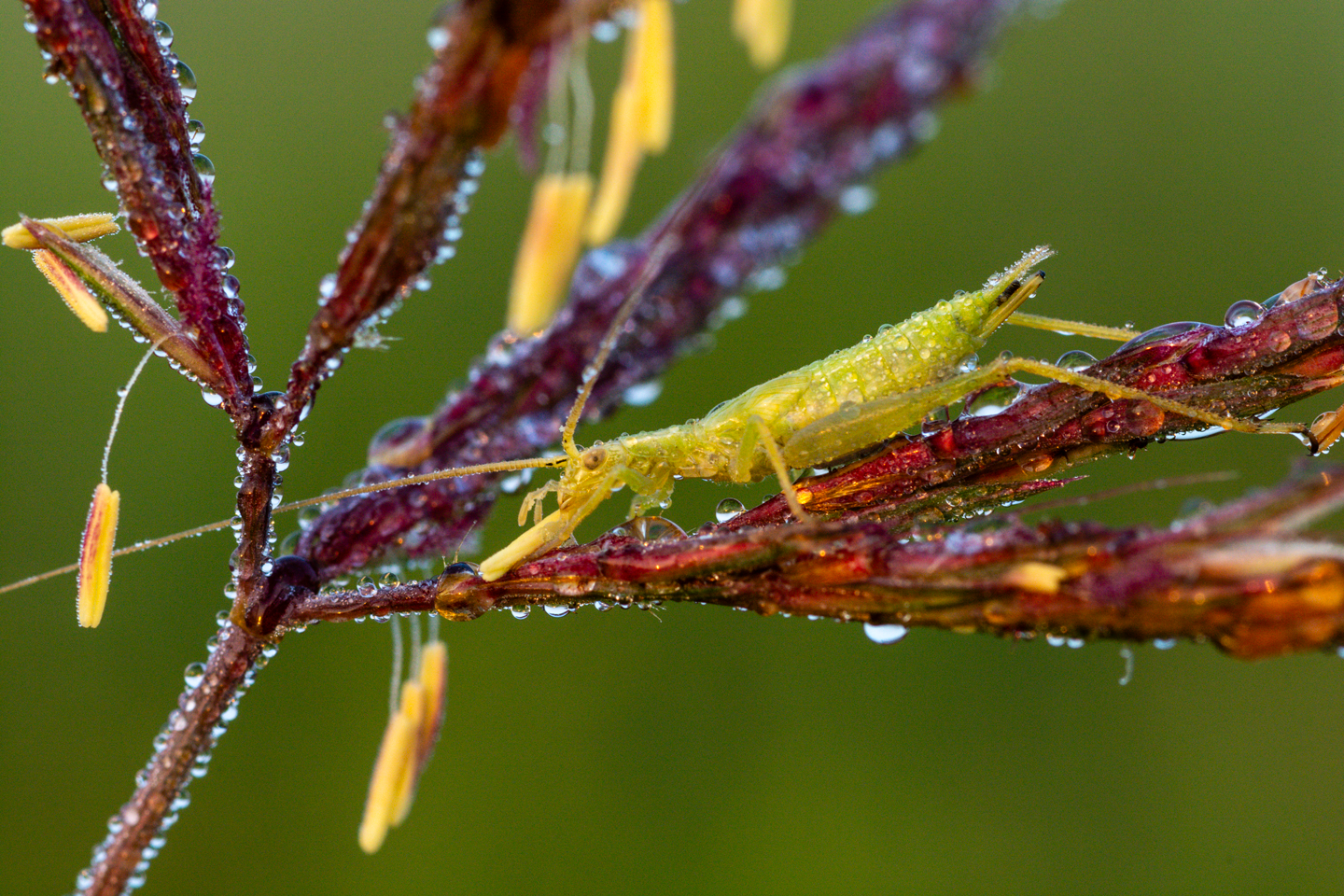
Beetles, grasshoppers and crickets are a few other examples of insects that take advantage of the nutritional value of grass pollen. Most grasses probably don’t get much benefit from these insect visitors. While the insects can move pollen from one flower to another, they often damage or consume the operational parts of flowers while they’re at it. For the most part, the wind does a sufficient job for grasses, and the overwhelming number of pollen grains flying through the air means there’s a good chance some will be caught by the right stigma on the right flower.
Grass flowers don’t have to show off. If they went to parties, they wouldn’t be the attendees wearing big flashy hats or dresses with plunging necklines. They’d show up in faded jeans and whichever shirt from the laundry pile smelled least bad.
Daisies and sunflowers are gorgeous, but it costs them a lot to look that good. Grasses prefer to spend their energy elsewhere. They’ve been dominating prairies for a very long time, so it must be working for them.