Story and photos by Brian Peterson
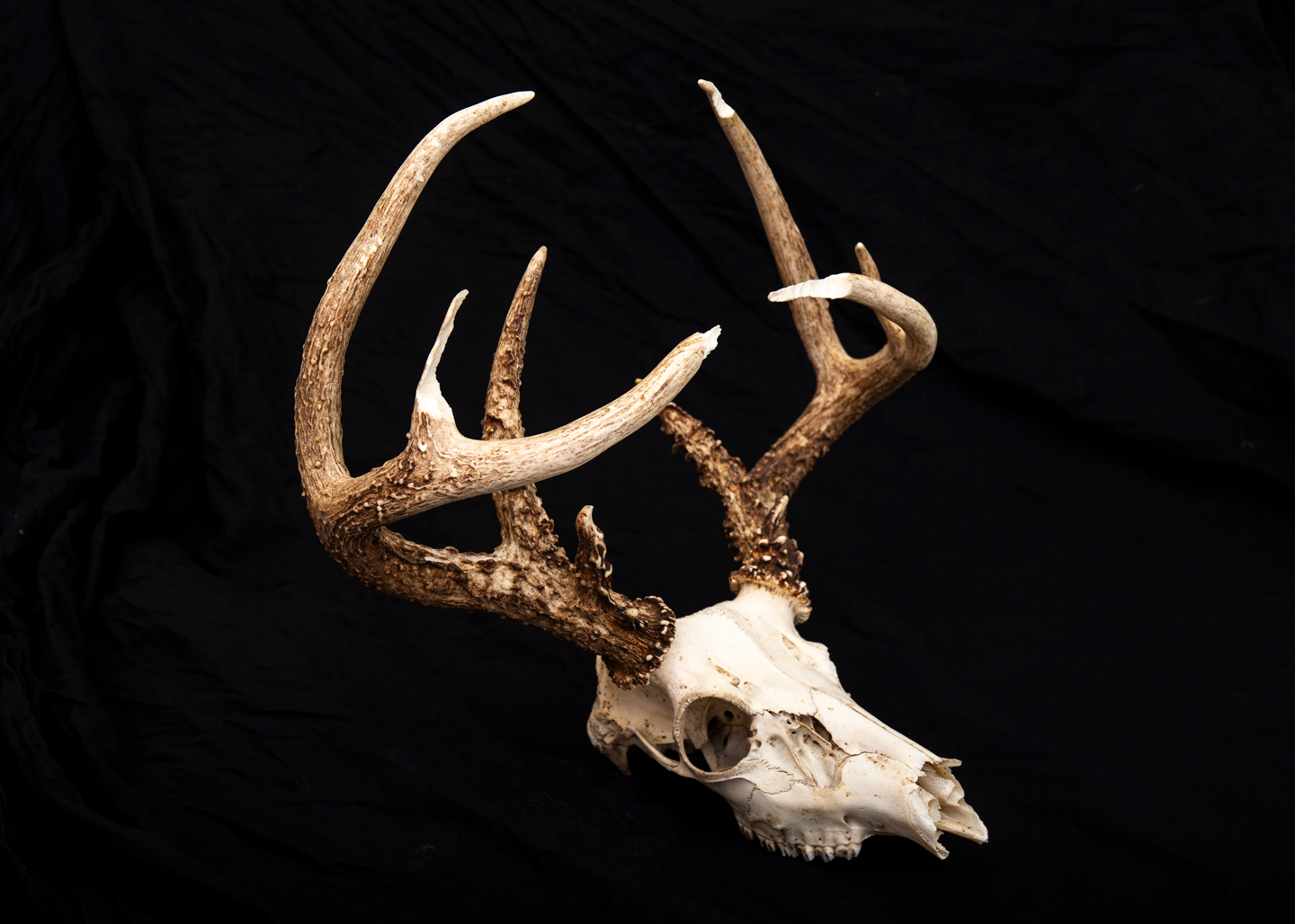
Each spring, white-tailed deer bucks shed their antlers and begin growing a new set in preparation for the next season. For many outdoor enthusiasts, searching for these shed antlers can be an enjoyable excuse to get outside and stay active, but findings are often minimal. Many antlers are swallowed up by vegetation, yet many more are picked up by a variety of collectors.
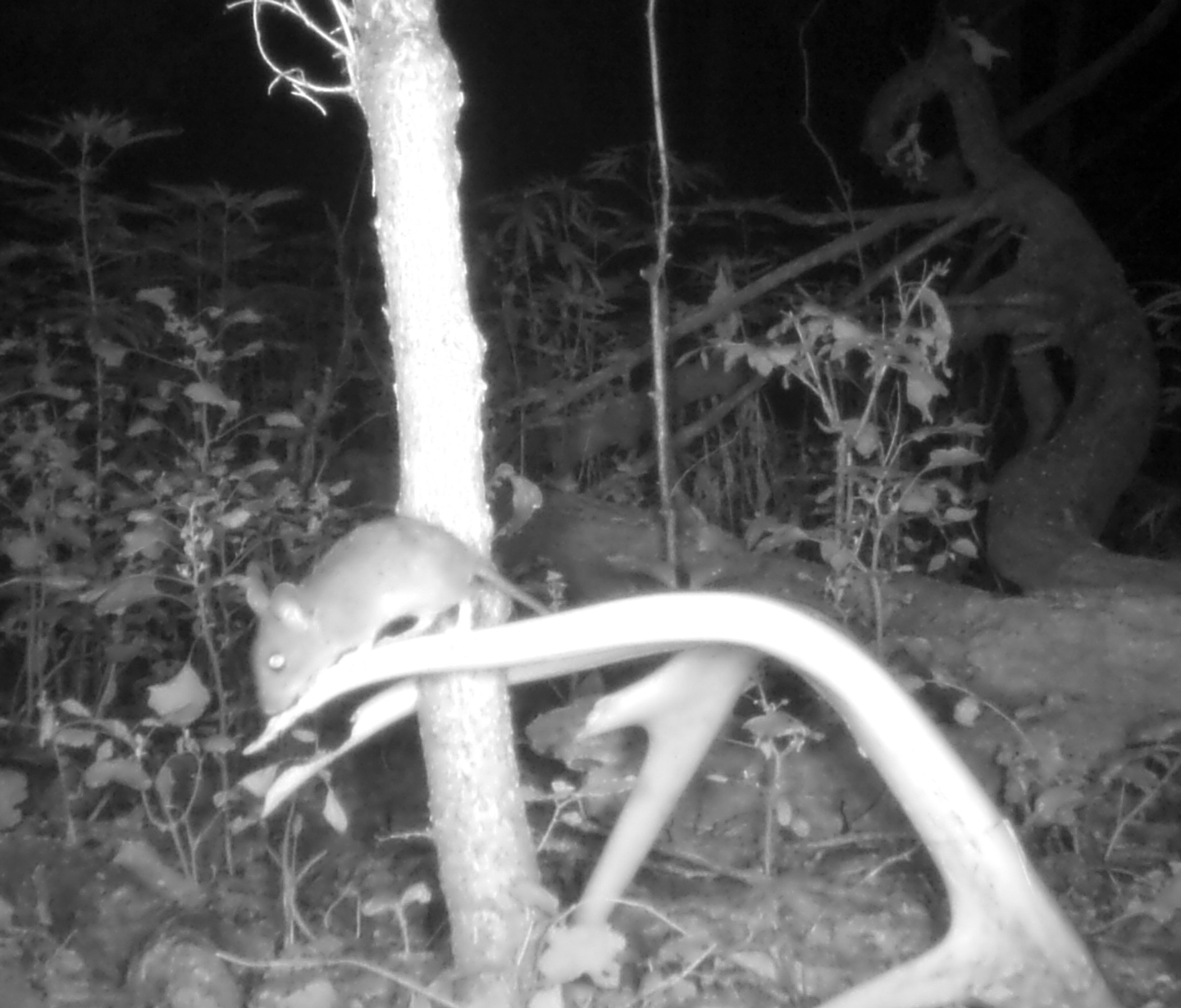
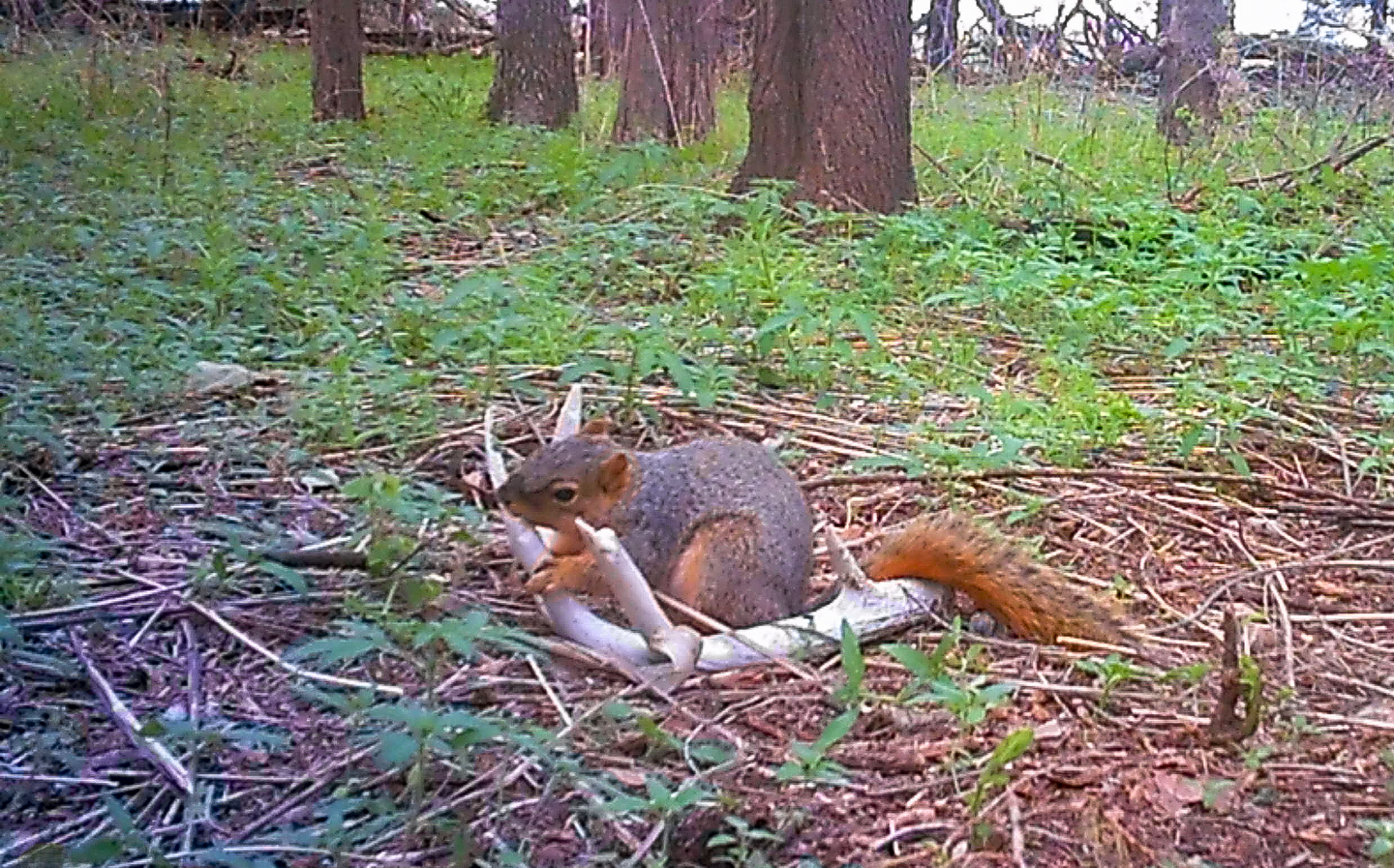
Antlers lost to the woods serve as a valuable resource for a wide range of wildlife species. Squirrels, like other rodents in Nebraska including mice, woodchucks, porcupines, rabbits, chipmunks and beavers, have elodont teeth, which are continuous-growing incisors that are only worn down by constant gnawing. Antlers provide an ideal hardened surface for this purpose.
A squirrel’s chisel-shaped incisors leave distinct chew marks on the antlers, often appearing as elongated gouges or divots. Based on years of shed collecting in Nebraska’s Central Platte River Valley, however, I’ve observed minimal rodent damage (<5%), suggesting antlers are not a limiting mineral source, or that squirrel populations are too low to cause a significant impact.
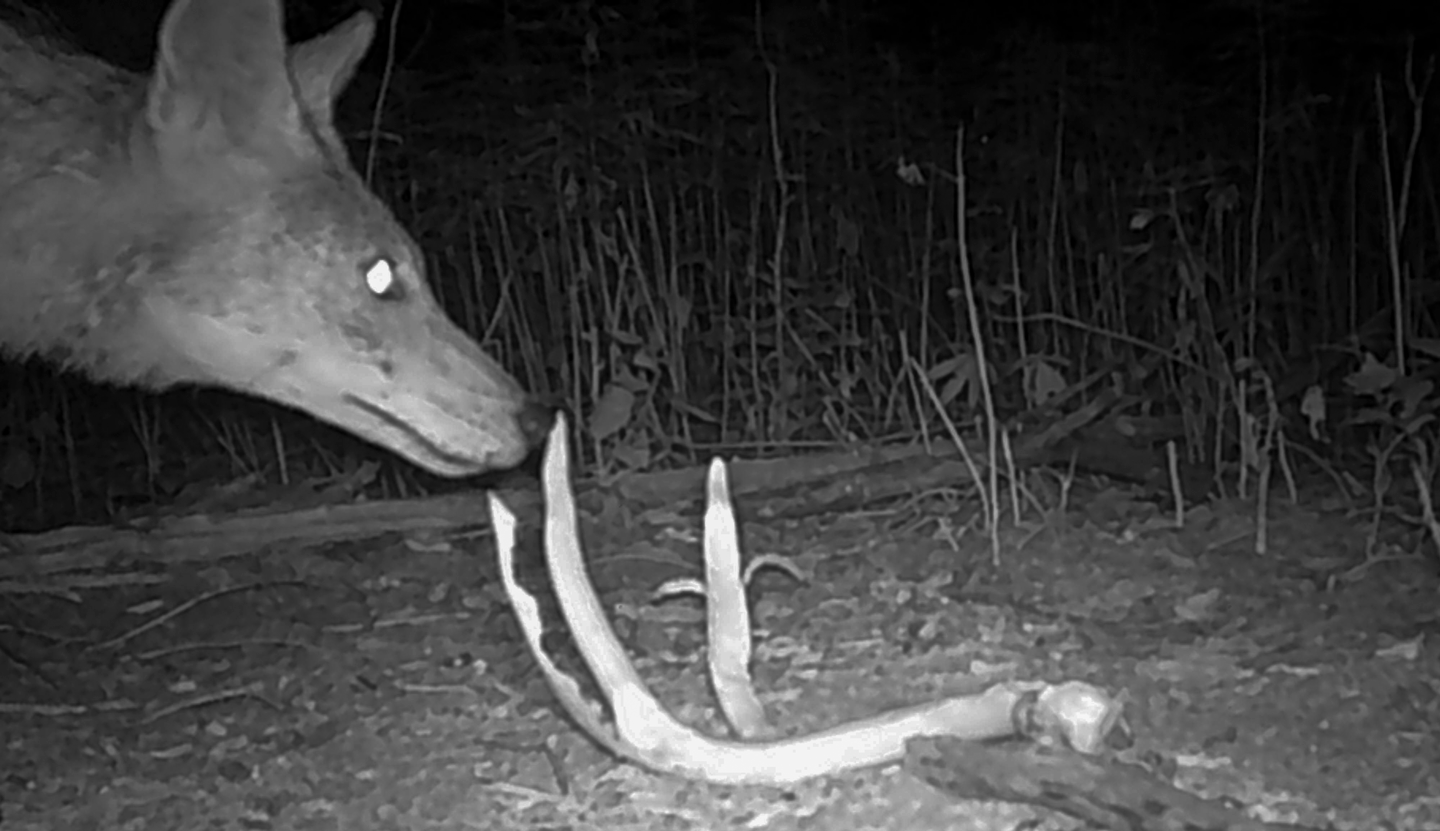
In my experience in central Nebraska, chew marks on antlers are most often associated with coyotes, as I frequently observe evidence of antlers being chewed on or carried/transported by them. These antlers often show rough tooth scoring and distinct bite marks, especially near the tips. Like domestic dogs, coyotes may chew instinctively, but the behavior could also serve practical purposes, such as dental maintenance or mineral intake.
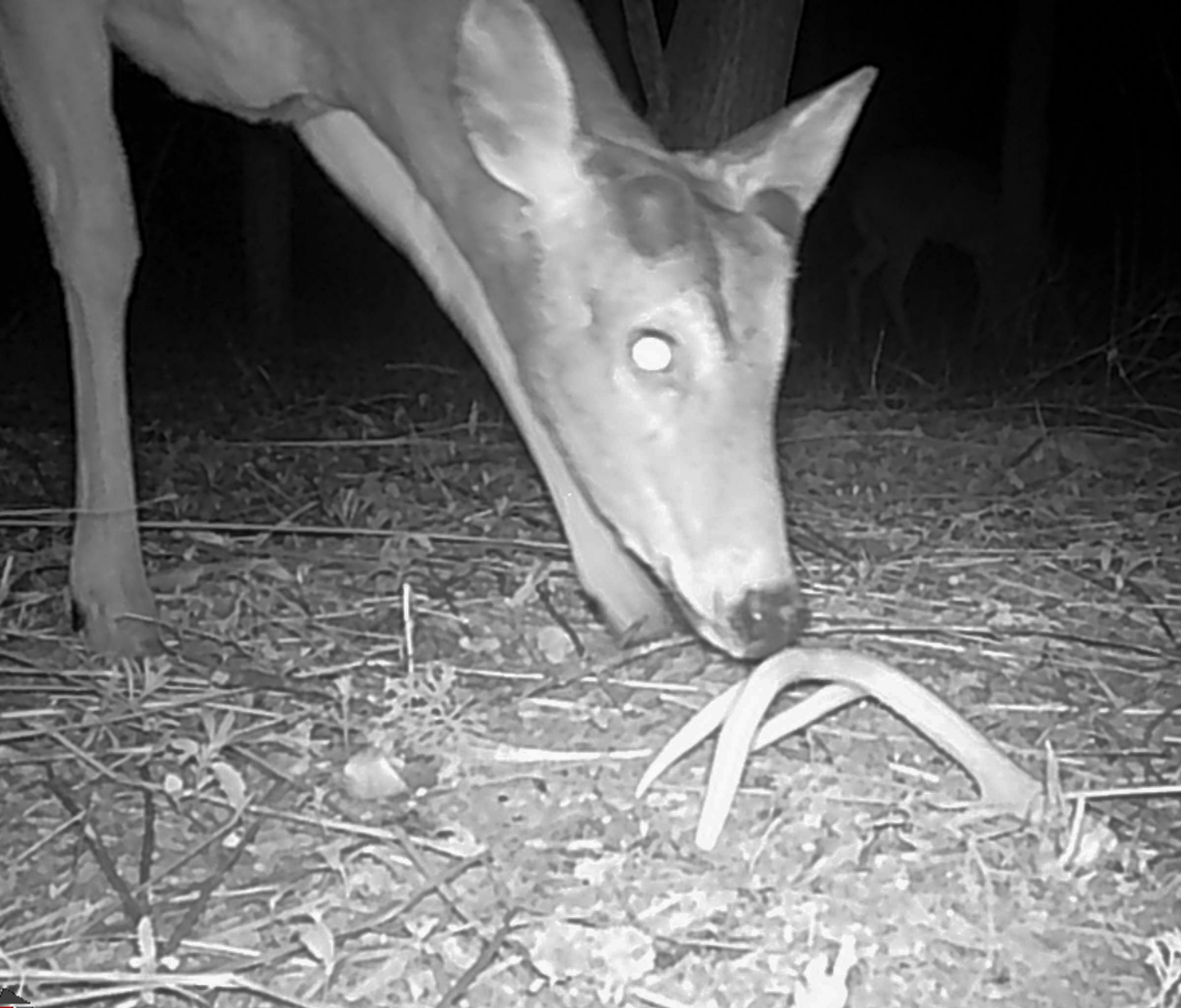
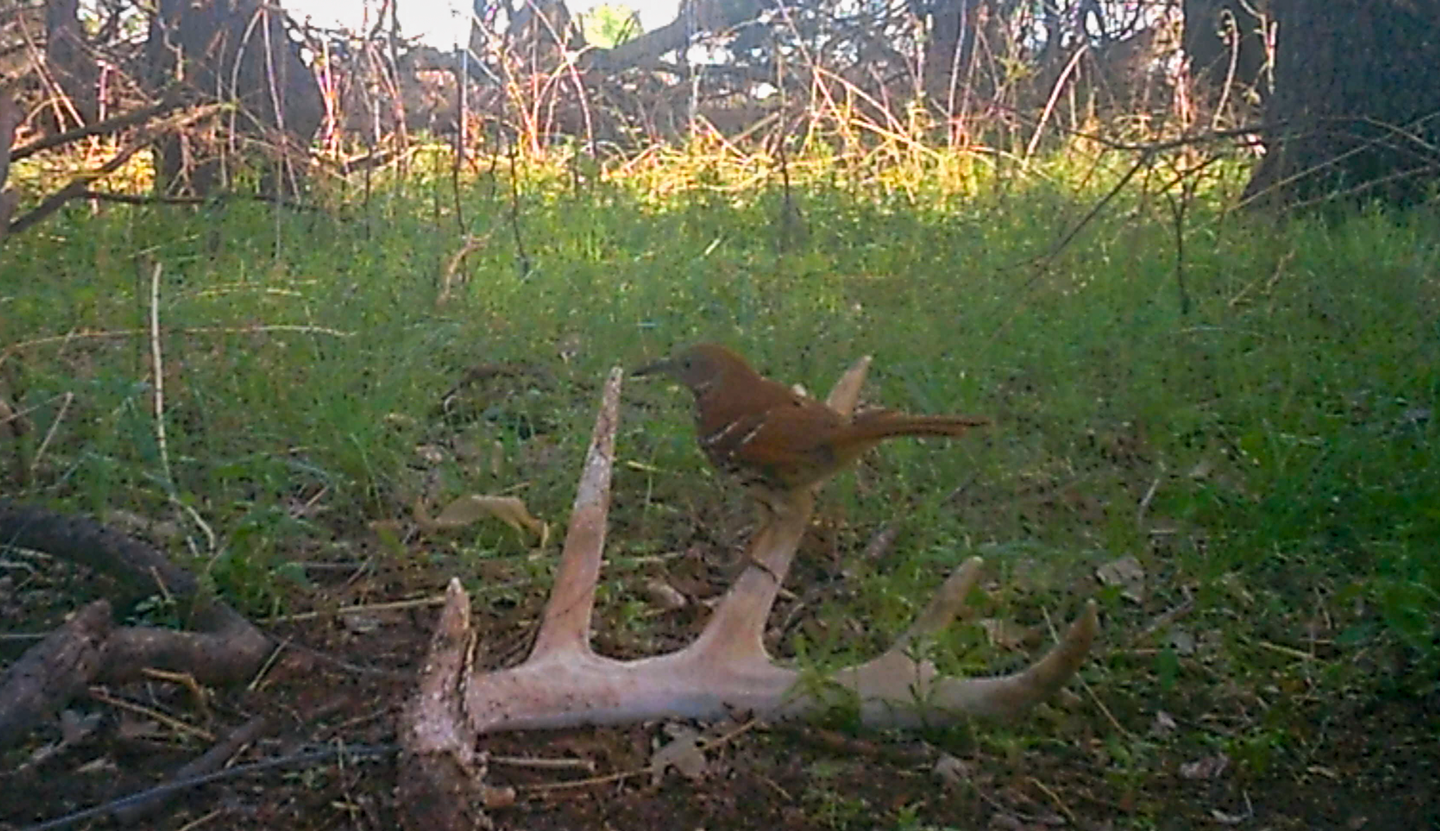
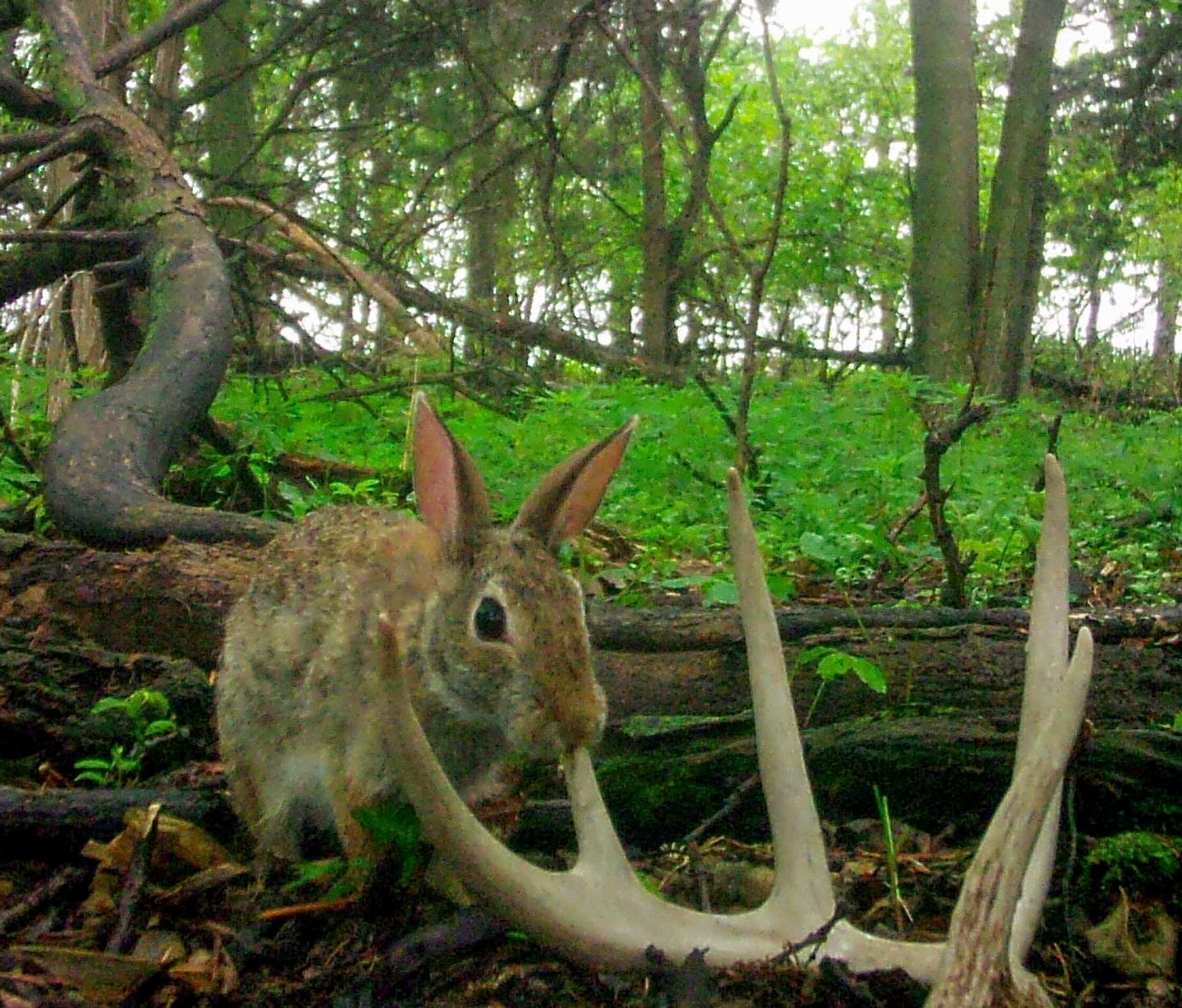
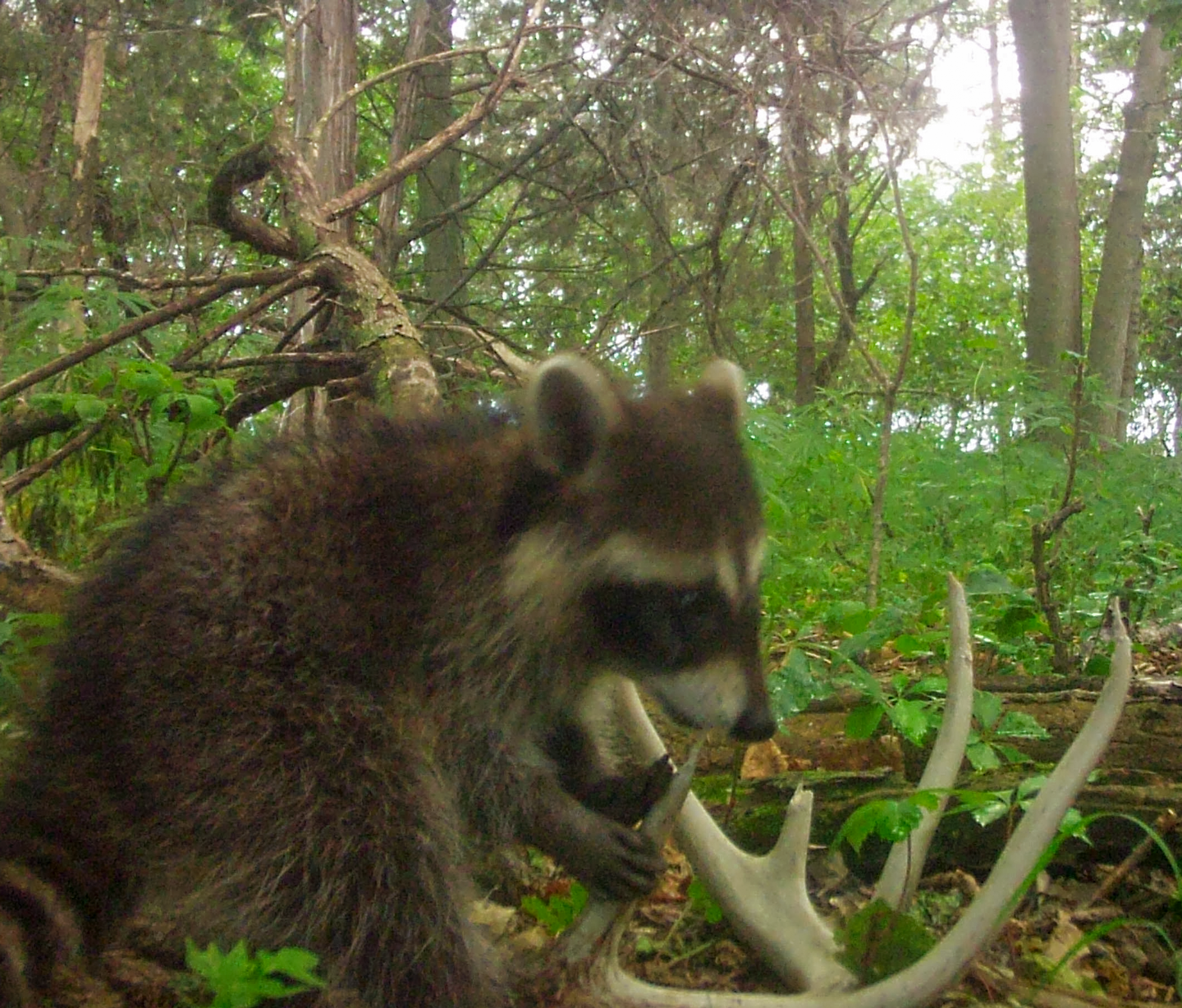
In addition to squirrels and coyotes, Nebraska camera traps have recorded a wide range of other mammals, including rabbits, raccoons, skunks, opossums, bobcats and even deer interacting with shed antlers by licking, nibbling and chewing on them. Because these encounters are brief and infrequent, the extent of wear or damage caused by these species remains unclear. That said, the longer an antler remains on the landscape, the more likely it is to show signs of chewing.
Though often overlooked, shed antlers play a vital role in mineral recycling and ecosystem health, revealing the hidden value in what many may consider to be nothing more than a decaying bone on the forest floor.
Brian Peterson is a biologist and online academic program advisor for the master’s biology program at the University of Nebraska at Kearney. His research has focused on white-tailed deer. He would like to thank the Smith family for land access during this study. For more information, please contact [email protected].