
By Greg Wagner
Who needs to buy fruit or berries at the store when nature’s fruit market is open for business at no charge, right?
What’s interesting is that many fruits and berries you see in the grocery store bins have their origins as a wild species.
In Nebraska’s nature scene, from a general standpoint, we are either at or nearing the time when many edible wild, native fruits and berries, packed with vitamins and antioxidants, are ready to be picked!
There are so many things you can do with them!
Before you get started
Here are some key things to know and prepare for, prior to picking.
Ask a farmer or rancher first
You must acquire permission from the landowner before gathering wild fruits on private property in Nebraska — even if it’s just across the fence along the edge of a public road. Think how you’d feel or what you’d do if the tables were turned! If you know the landowner, call or text message them in advance for permission to tread on their property.
Additionally, you’ll find that rural landowners are wonderful resources of information about wild edible plants. You also need to ask an individual farmer or rancher if any potentially harmful pesticides or herbicides have been sprayed on or near the fruit or berries you intend to pick and what the rules are on their land. After the harvest, offer a gesture of thanks for being allowed on their property like giving them some of your bounty or sending them a gift card to a local hardware or agricultural equipment supply store.
About Nebraska Game and Parks Commission properties
By regulations, state wildlife management areas and Open Fields and Waters lands are off-limits to foragers for wild fruits and berries. On state park areas, to gather wild fruits and berries, it is up to the discretion of individual park superintendents. Written permission would be required. Harvest can only be done by hand-picking and for personal use.
Bring the right containers
Put your fruits/berries in a shallow bucket or basket. Lightweight wicker or plastic bowls also work well. It is okay to fill the container but be gentle and don’t apply pressure to compress or pack the fruits or berries. Bring more containers than you think you need.
Prepare your picking gear
It doesn’t take much as far as gear goes for picking wild fruits and berries. You’ll need that container (shallow bucket or wicker basket), sunscreen or sunblock, insect repellent, old but comfortable shoes and socks, loose-fitting/light colored long-sleeved shirt (preferred) and pants that you do not mind getting stained, plus a hat and bottle or two of cool water. You could also add a pocketknife and small first-aid kit to the gear list.
While picking wild fruits such as plums, exercise a bit of caution
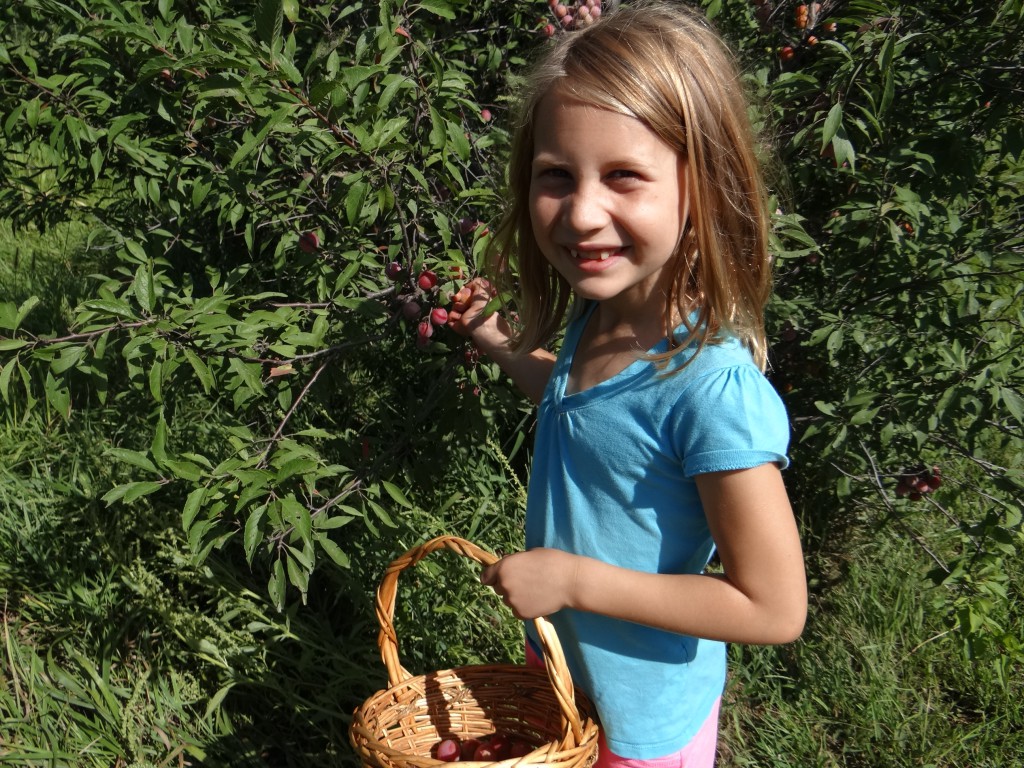
The twigs of some of these scrubby trees may be covered with dull pointed thorns that can sometimes prick you. Expect insects (e.g. wasps, mosquitoes, chiggers) to be present as well as irritating plants, to your skin (e.g. poison ivy, stinging nettles). Make a little noise to alert fruit-nibbling critters (e.g. fur-bearing animals, snakes, birds) of your presence, too.
Watch out for Japanese beetles
Foragers are likely to encounter the invasive pest, the Japanese beetle. It is easy to recognize with metallic-green and copper colors and ladybug size. Adult Japanese beetles do possess stout spines on their legs that can cause skin prickliness, which people may perceive to be a bite.
These beetles feed on the leaves, flowers, fruit and berries of more than 300 species of plants. Adult Japanese beetles compete with foragers as they feed on a myriad of wild fruits and berries, especially crabapples, grapes, sand cherries, chokecherries, blackberries and raspberries.
Determine exactly when to harvest
Foraging for wild edibles is all about timing. It can be worthwhile to scout out some good berry picking patches early in the season and keep an eye on them as they ripen. For the most part, let your eye dictate when to harvest wild fruits and berries.
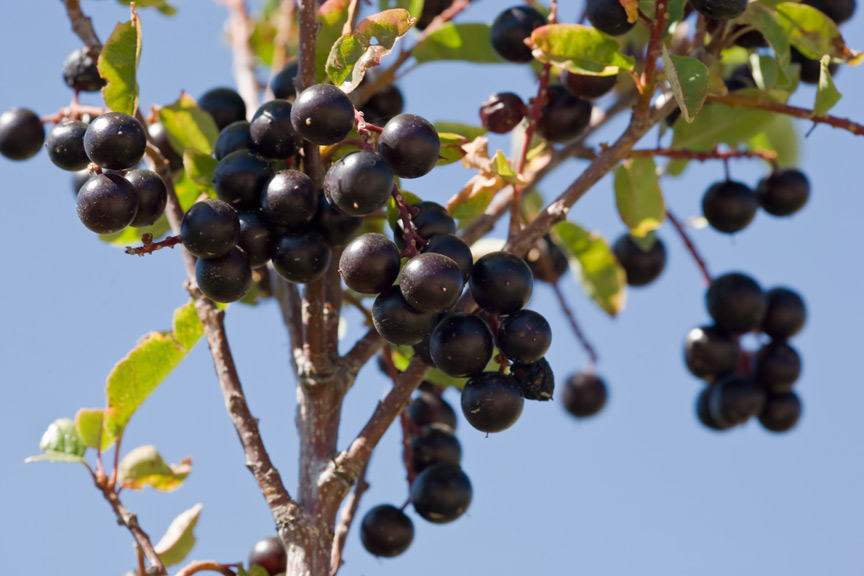
Color and size are obvious indicators of their ripeness. Fruits and berries should be deep in color and uniformly colored on the plant. However, color alone should not be the sole basis for harvesting them. The skin of fruits and berries needs to be smooth and wrinkle-free.
Equally important when harvesting fruits and berries is the smell of them. Their aroma becomes more fragrant as they ripen.
Keep in mind that ripe fruits and berries should be plump and slightly soft to the touch. Ripe fruits and berries should also feel a little heavy for their size in your hand. When picking, make certain they yield to gentle pressure (a very light tug) by the fingers, especially near the tip. There should be just a little give to it. When fruits and berries become ripe depends on climate, weather and other factors. Picking them at the right stage of maturity is crucial for the highest quality possible. Once found though, patches of wild berries and fruit-producing trees can be checked every year at about the same time.
Always positively ID before eating
Some wild berries and fruits have poisonous look-alikes. Ensure you are familiar with the specific species you want to harvest. Know the plant. Use a reliable app or identification guide, or better yet, go with an experienced forager whom you know and trust. Do not depend on AI. It is a good idea to cross-reference multiple credible sources before consuming any wild plant or part thereof. Never eat something from the wild you cannot positively identify!

Sample fruit, but not elderberries or pits
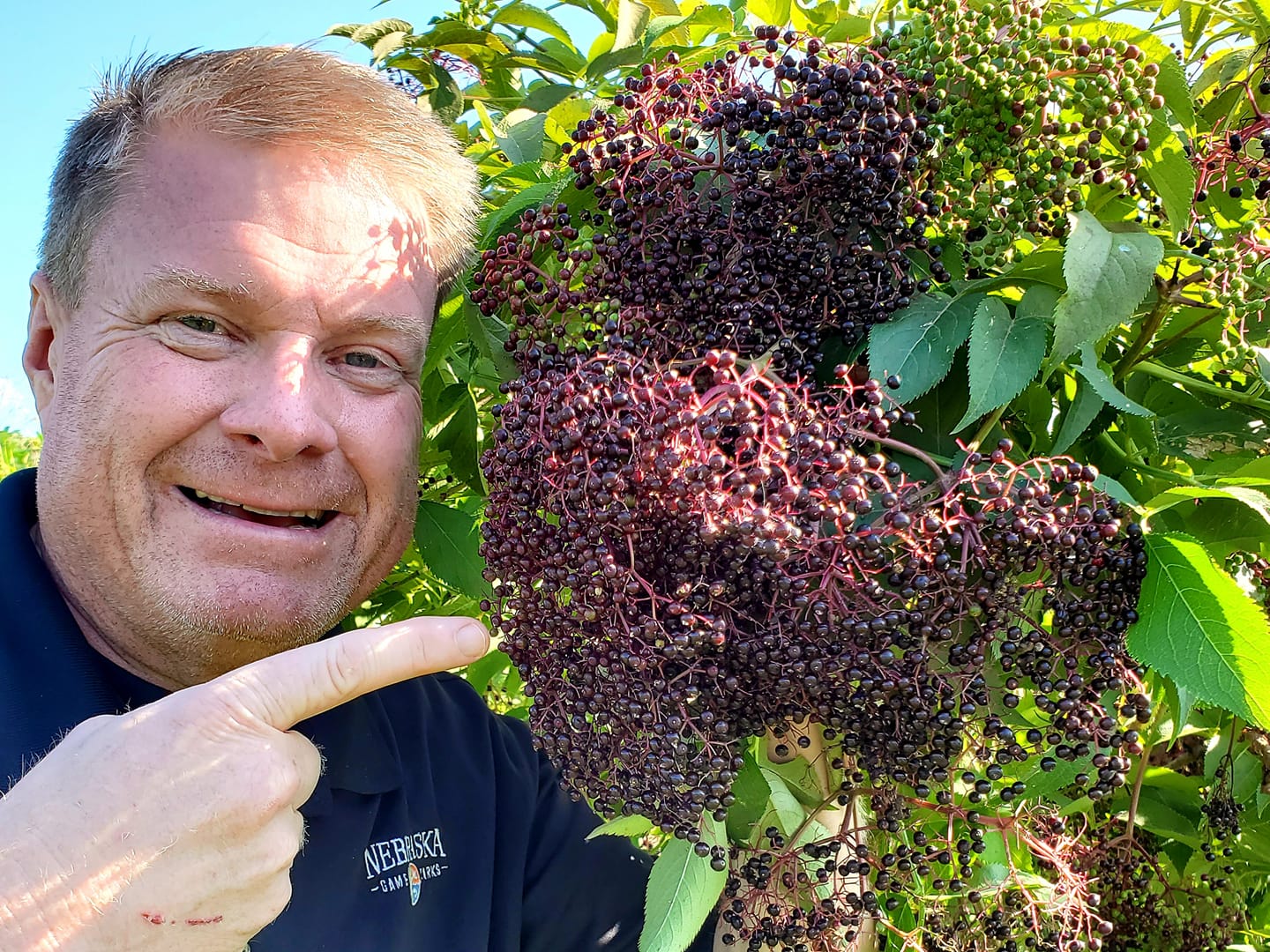
If you have never tasted wild fruits, you should try a couple before you collect a bunch, but not the elderberries. Eating elderberries that are not cooked thoroughly or unripe may cause poisonous effects if consumed, and so can eating the leaves, seeds, bark and roots of this plant. Proper preparation and proven recipes generally break down the toxins in the elderberries.
Furthermore, Poison Control advises foragers to not ingest the pits and seeds of wild fruits as they contain a chemical (amygdalin) that is converted to poisonous cyanide in the human body. Discard the pits and seeds!
When it comes to most other wild fruits and berries, there’s no point in picking something you don’t like and that may go to waste, so delicately sample them. Wild fruits and berries tend to be tart to the taste, but keep in mind that many recipes call for ample amounts of sugar or sweetener to be added to counteract that sharp, sour taste.
Let me point out that it certainly is a good idea to introduce new wild foods to your diet in a very small quantity to check for a reaction, and if you have a specific medical condition, seek advice from your physician, health care provider or allergist before adding any new wild-grown foods to your diet.
Know what and when to pick
Only harvest healthy-looking, robust fruits and berries, none with spots, mold, rot, and signs of insect infestation or bites taken out by wildlife. To avoid pesticides and herbicides while picking wild fruits and berries, carefully scout safe foraging locations — steering clear of things like roadways, alleyways, parking lots and agriculture buffers. Consider the foraging process to be comparable to what you would do if you were selecting the best pieces of produce at the supermarket. You should try to harvest your wild fruits and berries during the early morning hours (around sunrise) if possible before heat can build up within the fruits and berries making them mushy.
Take only what you can use and don’t damage plants
Don’t take more fruit than you can use, please. Remember that other people may want to harvest some wild fruits and berries, and these are important food sources for a variety of wildlife species. Why would anyone take an overabundance of fruit to let spoil and go to waste? Be mindful that no good forager breaks down or tramples fruit-bearing bushes.
Preserve your wild fruits after harvest
Keep your wild fruits in the shade or an iced cooler and get them into the refrigerator as soon as you can. They’ll keep for a few days, possibly a week, in the fridge. Berries are especially easy to freeze for use later. Set them in a single layer on a rimmed baking sheet and then put the sheet carefully into the freezer. When the berries are frozen, transfer them to freezer bags.
Don’t wash them until right before you’re planning to use them. To wash, rinse the berries in cool water, discarding any rotten or squashed ones. Some veteran fruit pickers like to soak their fresh fruits for about an hour or so in saltwater to dislodge any small insects that might be hiding on or within them.
There are so many things you can do with wild fruits and berries. Packed with vitamins, antioxidants and fiber, most wild fruits and berries can be eaten fresh off the bush (not elderberries) or taken home and used as toppings on cereals, salads and ice cream (no elderberries). They also can be made into smoothies, juices, jams, jellies, preserves, pies, cobblers, syrups, sauces and wines.
Approximate ripening dates for fruits and berries in Nebraska
- Mulberry – mid-June to mid-July
- Strawberry – mid-June to mid-July
- Raspberry – late June to mid-July
- Chokecherry – mid-July to mid-August
- Crabapple – early August to late October
- Aronia or black chokeberry – late August to early September
- Currant – mid-July to early August
- Sand Cherry – early July to early August
- Gooseberry – mid- July to mid-August
- Ground Cherry – July to September
- Blackberry – late July to early August
- Blueberry (cultivated) – July to August, July is usually peak
- Buffaloberry – late July to early September
- Elderberry – mid-August to mid-September
- Serviceberry (Juneberry) – June or July
- Silverberry (Autumnberry or Autumn Olive) — September and October
- Pawpaw – September or early October
- Persimmon – September to October after the first hard frost of the year
- Wild Grape – late August to early October* (the leaves are delicious and can be used as wraps)
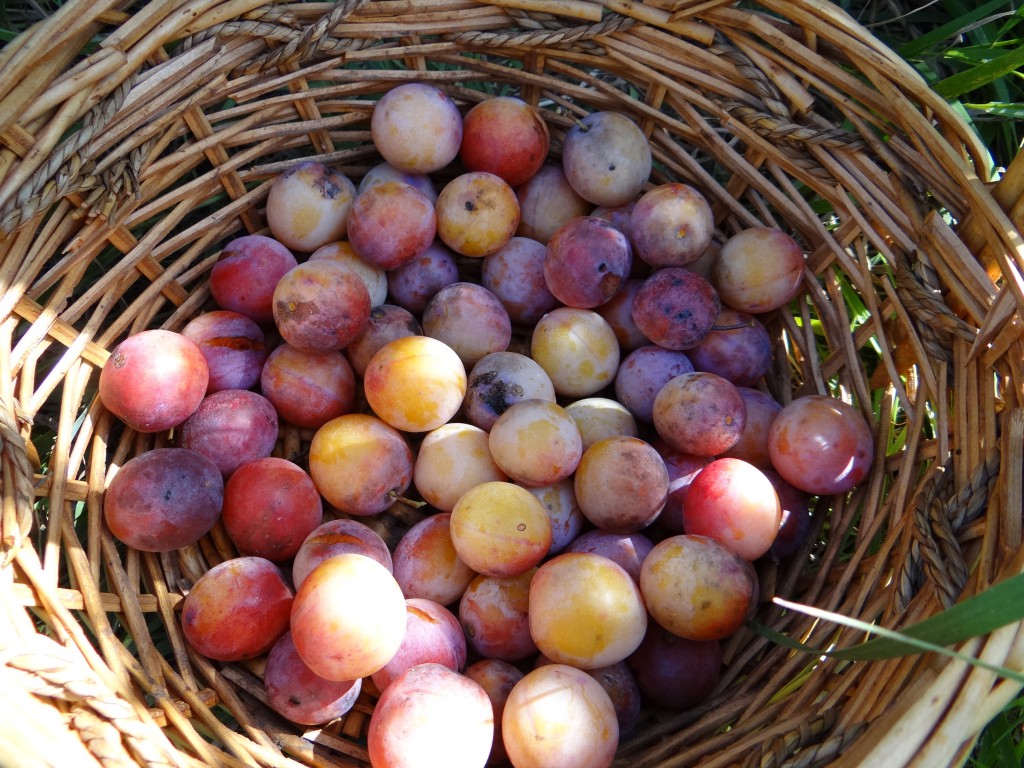
- Plum – late August to early October*
*light frost improves flavor
Polly Wagner’s Super-Simple Sand Cherry Pie
Ingredients
- 1 qt fresh, ripe, pitted western sand cherries
- 1 cup sugar
- 1 cup cream (heavy whipping cream or half and half)
- 2 tbl flour
Directions
Combine sugar and flour, then add cream (heavy whipping cream or half and half) and pour over berries in an unbaked pie crust. Add top crust and bake at 375 degrees about 40 minutes. Yummy!
Happy foraging! GW