

By Greg Wagner
Few outdoor experiences are as timeless as sitting around a campfire. Wouldn’t you agree? Whether you are roasting marshmallows for s’mores, staying warm on a cool evening, or simply enjoying the glow beneath the stars, a campfire can become the centerpiece of any camping trip. Learning the basics of building and managing a fire is an essential outdoor skill that combines preparation, safety, and respect for nature.
Here are the basics to follow:
General Rules & Safety Guidelines
Local Burn or Campfire Bans: Know if a local burn or campfire ban is in effect, all wood and charcoal fires are strictly prohibited.
Permitted Alternatives: Propane or butane camp stoves and grills are allowed even during periods of high fire risk because they don’t produce blowing embers.
Containment: Campfires must be kept small, under control and confined exclusively to established fire rings, grills, or designated fireplaces provided at Nebraska state parklands and wildlife management areas.
Site Preparation: Clear away all flammable materials (dry leaves, grass, twigs, brush) for at least 5 to 15 feet around the campfire. Take into account the wind direction.
Firewood: To protect local woodlands from the Emerald Ash Borer and other invasive pests, only burn firewood sourced within 50 miles of your destination. Do not cut live trees or damage vegetation for firewood.
Wildfire Prevention: Never leave a fire unattended. Always keep a metal shovel or rake, bucket of water or fire extinguisher handy. Stir the coals repeatedly to ensure the embers are completely drowned and cold to the touch before leaving.
Clean Up: Do not leave trash in the fire pit!
Understanding Fire Materials
A successful campfire depends on three basic fuel types:
Tinder
Tinder is small, dry material that ignites easily. Examples include:
- Dry leaves
- Pine needles
- Bark shavings
- Dryer lint
- Cotton balls coated in petroleum jelly
Tinder helps start the initial flame.
Kindling
Kindling consists of small sticks and twigs that catch fire quickly after the tinder ignites. Good kindling is dry and roughly pencil-sized.
Firewood
Firewood supplies the main fuel source. It provides long-lasting heat and larger flames. Split logs or cut thicker branches work well for fuel once the fire is established.
Common Campfire Structures
Different fire layouts serve different purposes.
Tipi Fire
A tipi fire is one of the easiest methods for beginners.
- Place tinder in the center.
- Arrange kindling around it in a cone shape.
- Add slightly larger sticks over the kindling.
- Light the tinder from several sides.
This structure allows excellent airflow and creates a strong flame quickly.
Log Cabin Fire
The log cabin style produces a stable, long-burning fire.
- Start with a small tipi fire in the center.
- Stack larger sticks around it in alternating layers like a square cabin.
- Leave gaps for airflow.
This design works well for cooking and steady heat.
Lean-To Fire
A lean-to fire performs well in windy or damp conditions.
- Place a large log on the windward side of the fire ring/pit.
- Put tinder beneath the log.
- Lean kindling against the larger log at an angle.
- Ignite the tinder.
The larger log shields the flame from wind and helps concentrate heat.
Lighting the Fire
Use matches, a lighter, or a fire starter like a magnesium system to ignite the tinder. Never use gasoline or other flammable liquids to start or revive a fire. Begin slowly and allow the kindling to catch fire before adding larger wood.
A common mistake made is adding too much wood too quickly. Fires need oxygen, so avoid smothering the flame. If the fire struggles, gently fan or blow air onto the flames.
Once the fire is established:
- Add wood gradually.
- Keep the fire at a small, manageable size.
- Rearrange logs occasionally to maintain airflow.
Cooking Over a Campfire
Campfires are excellent for simple outdoor cooking. Common campfire foods include:
- Hot dogs.
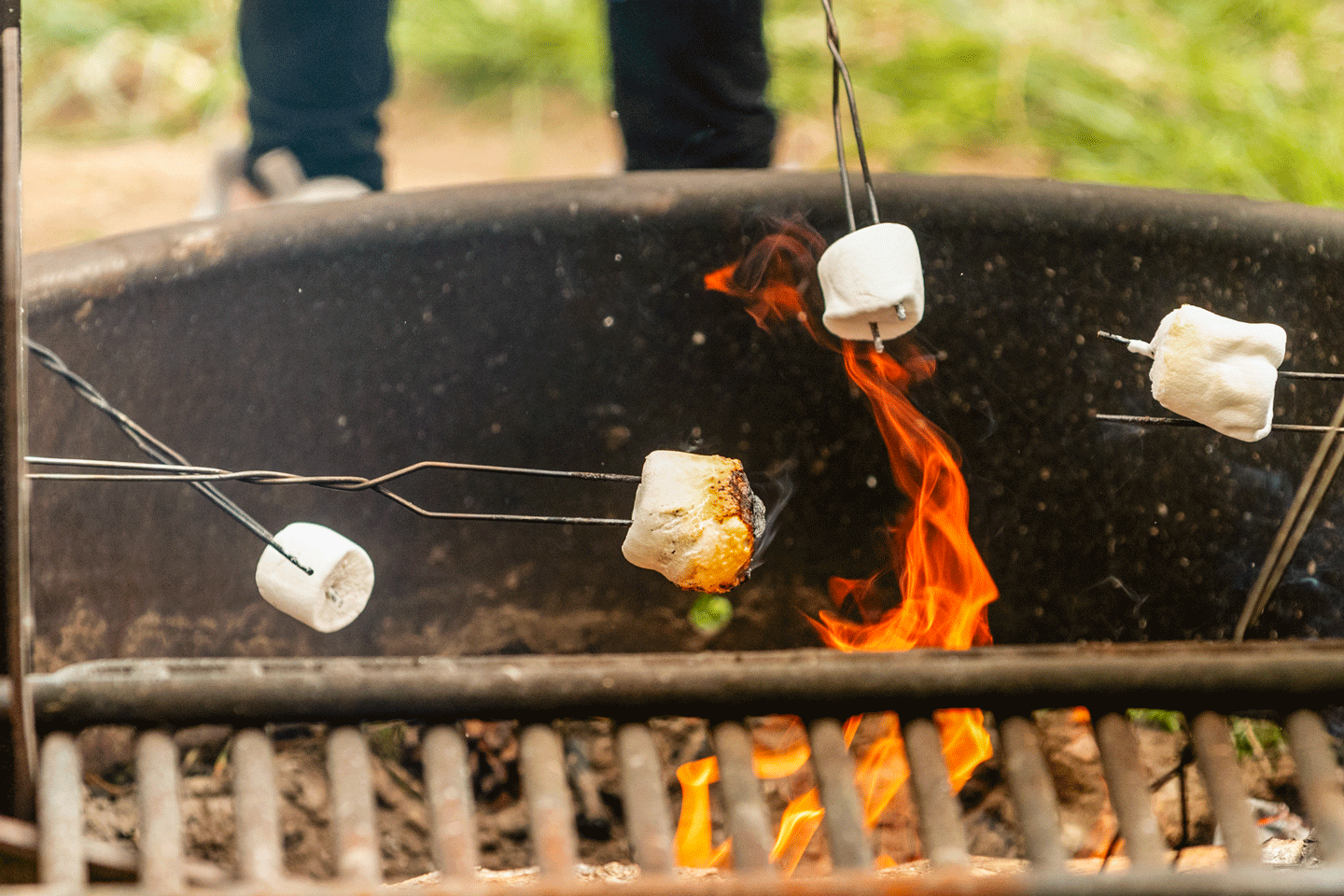
- Marshmallows.
- Foil packet meals.
- Corn on the cob.
- Cast-iron skillet or Dutch oven recipes.
Allow flames to settle into hot coals before cooking. Coals provide more even heat and reduce burning.
Cooking hot dogs or marshmallows over a campfire is a classic and safe camping tradition, provided you use extendable, long-handled, metal roasting sticks or forks, closely supervise children, and cook over glowing coals rather than open flames. It is best to use long-handled, steel cooking tools with rubber handles and heat-resistant gloves when working with food over the fire for safety purposes.
Extinguishing the Fire Properly
The cause of many wildfires — campfires were not fully extinguished! Follow these steps carefully to properly put out a campfire:
- Pour water over the fire slowly.
- Stir the ashes and embers with a shovel.
- Add more water until all hissing stops.
- Feel the ashes carefully from a safe distance to ensure they are cool.
The fire should be cold enough to touch before you leave the area. Remember, if it’s too hot to touch, it’s too hot to leave!