
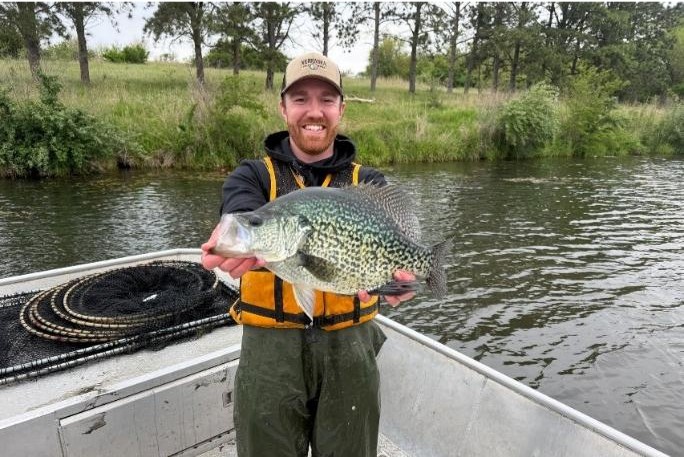
Daryl Bauer, Fisheries Outreach Program Manager
With warm days the spring fishing bug spreads far and wide. In spring everyone is an angler. Many folks think of crappies as the days get longer and warmer. Truly, it is one of the best times of year to target those popular panfish. Here are some tips that will help you catch ’em over the coming weeks:
Start early
Given some warming weather, crappies may move shallow right after ice-out. Early movements are not spawning-related, but rather, driven by feeding. The relationship between the predator – crappies – and their prey, determines fish location much of the year. Understanding those relationships is crucial for successful angling.
Crappies love warm areas. They also love bays, coves, corners and similar areas that are protected from the wind, especially cold, north and northwest winds. Find cover in those warming areas — emergent vegetation, stalks of last summer’s submerged vegetation, brush piles, fallen trees or beaver lodges — and you likely will find some early spring crappies. Rocks and rocky habitats also hold fish, but, on many Nebraska reservoirs, those hold more crappies later in the spring.
Where did they go?
Fish for crappies on a beautiful spring afternoon and everything can be grand. The next day when the wind is blowing, it is spitting snowflakes, and you will be lucky to dry off one crappie. In some cases, those crappies may be in the same location, just tucked deeper into cover. More likely, they drifted back toward deeper water.
Depending on where they started, how shallow they were, and the severity of the weather change, crappie may not have moved far. Or, they may have moved hundreds of yards back to the relative stability of deeper water.
If crappies moved out of the shallows with a weather change, they likely will not be as active or as easy to catch. Vertical presentations probably will be the best way to catch a few fish. Fish just like you would when fishing through a hole in the ice. As spring progresses, water warms and the weather stabilizes. The wild shifts in crappie location and feeding attitude will lessen. Pick your days and fish when the crappies are most likely to be shallow and catchable, or follow movements from day to day to catch fish when the weather changes.
Keep it simple
Presentations for spring crappies should be relatively simple.
Crappies will chase prey, and at times, they can be quite aggressive. Much of the time, however, they are a lot more laid back. Even though their intent is just as deadly as a muskellunge or flathead catfish, their feeding strategy is completely different. Remember that and you will catch more crappies at all times of year.
Slow and steady, nothing fancy, nothing too aggressive usually is best for crappies. That is especially the case in the cold water of early spring. Put a bait in their vicinity, keep it there and give them a chance to move in and eat it.
Where allowed, nothing is simpler than a bobber, split shot, light wire hook, and a small, lively minnow. Dabble that in front of a crappie most anytime and they will eat–predator/prey dynamics at its simplest and rawest.
I like light wire hooks because they keep minnows lively. Even with 8-pound test line, you usually can straighten the hook when you get snagged in the woody cover you likely will be fishing. Hook the minnows through the back, just under the dorsal fin.
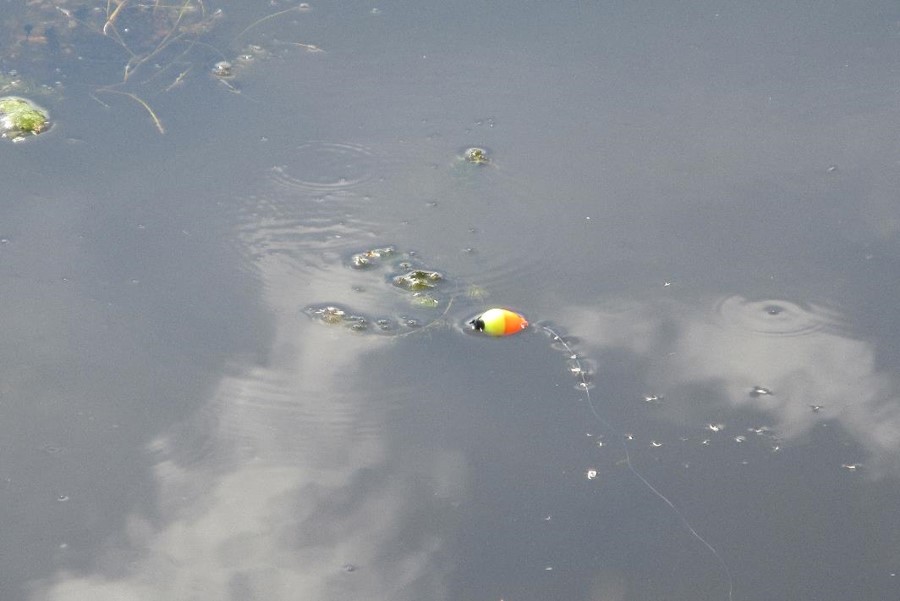
Use bobbers only as large as needed to suspend the bait. Bobbers that are too big inhibit bite detection and result in less fish caught.
Crappie jigs are a popular option. A selection of 1/64- to 1/8-ounce jig heads and a variety of plastic bodies will give you the tools you need and an infinite variety of shapes, sizes and colors. Other options include tube bodies, imitation minnows, marabou jigs and wax worms.
Jigs are meant to be cast and retrieved, but remember slow and steady is usually best for crappies, especially in the spring. Bobbers are not just for fishing live bait. Attach a bobber on your line at the depth you want to fish and you can fish a jig slower.
The spawn
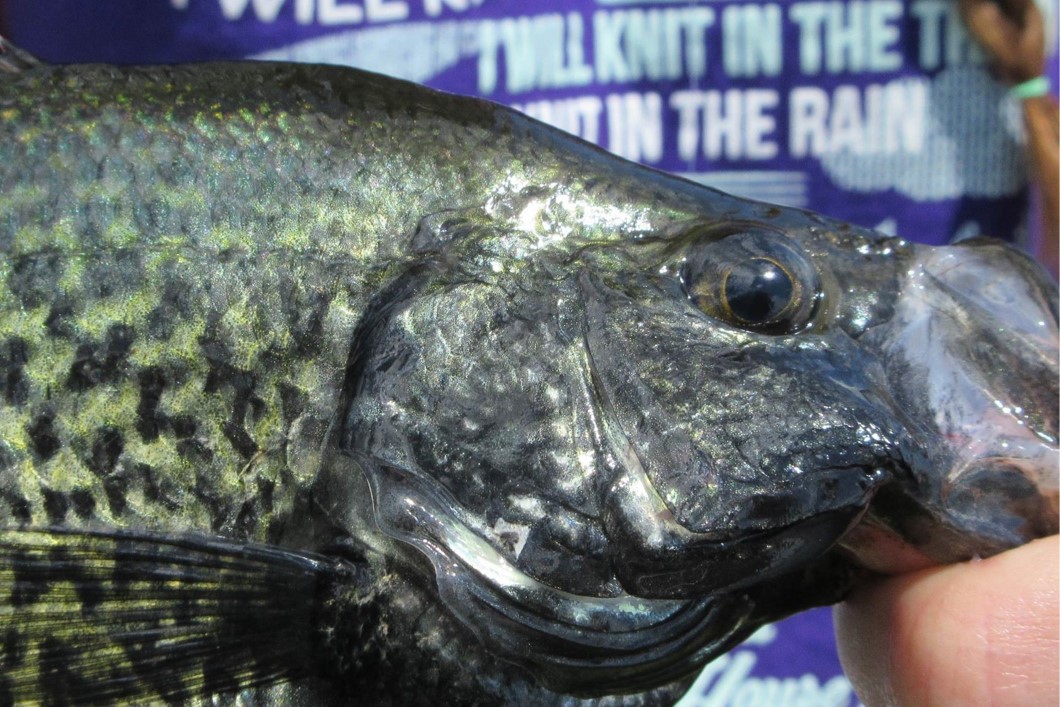
The spring crappie bite can be good weeks before the fish are thinking about nesting and spawning. In some Nebraska waters, they may be in some of the same areas over a couple of months. As they get closer to spawning, the crappies, especially males, will become darker-colored. Expect the bite to slow as the fish get closer to spawning. Males will select small territories, then build and defend nests, which often are located next to shallow water cover objects.
When spawning behavior starts, males stay close to their nests and will not move far to take baits. Fish slowly and put baits right on the crappies to get them to bite during the spawn. Females may stage close by until they are ready to move onto a nest and deposit eggs. They also tend to have something other than feeding on their mind during the spawn.
Once the spawn is over, crappies tend to disperse and head toward more open waters. Depending on the water body, available habitat, and prey, they may venture to emerging beds of aquatic vegetation, wander in the middle of the lake, or utilize some other type of deeper-water habitat.
Some crappies will remain in shallow cover year-round, but most become more difficult to catch as they disperse and roam open-water feeding on abundant prey during summer.
Catch & Release, For Crappies?
Crappies certainly are a prolific panfish species in most Nebraska waters and can withstand some harvest. Anglers should take some crappies home to eat; they taste really good and are good for you! However, big fish are hard to catch not because they are so smart, but because they are so rare.
Panfish populations absolutely can be over-fished! Over-fishing is exhibited in many populations where no panfish reach large size. Yes, there are a host of factors that influence crappie growth rates, life span, and potential size. Regardless, it is a sure bet that a big crappie in Nebraska, a fish 12 inches and larger, is a rare fish. Plan to harvest a mess of 10-inch crappies for a meal of fresh fish. However, if you catch some slabs, some crappies as big as trash can lids, take some pictures and turn ’em loose. Your fishing and my fishing will be better if you do.
