
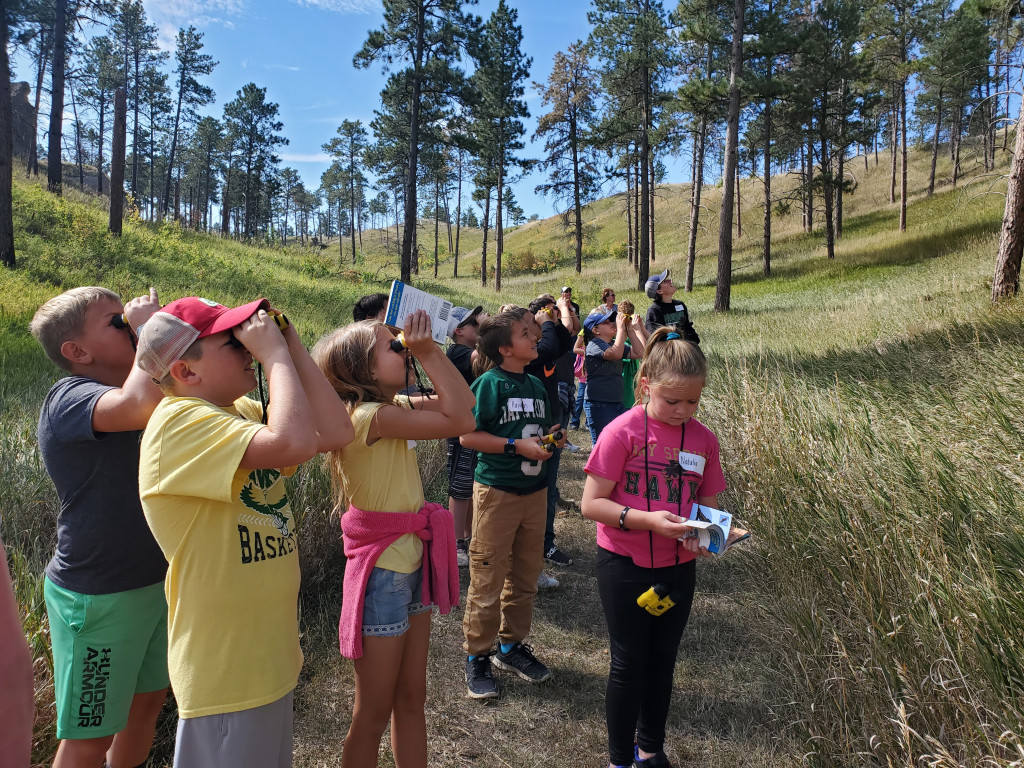
By Monica Macoubrie, Wildlife Education Specialist
I wouldn’t call myself a “bird person.” I don’t carry binoculars everywhere or keep a life list of every species I’ve seen. And if someone asks me to identify a bird by its call, I might know a few — after all, when you’ve spent 15 years as an outdoor educator, you pick up a thing or two. But most of the time, I just shrug and sarcastically say, “It’s probably a bird.”
The funny thing about living in Nebraska, though, is that birds show up whether you’re looking for them or not. If you spend enough time outside — walking trails, driving country roads or just sitting in your backyard — you start to notice them.
Maybe part of it is just age. Research shows that as people get older, they tend to pay more attention to wildlife. You start slowing down, noticing the details and appreciating the small things in your environment.
Then one day, you realize you’re actually watching for birds. On purpose.
It’s Hard to Ignore Birds
It doesn’t take long to realize that birds are everywhere in Nebraska, and that there are a lot of them. Nebraska’s official state bird list includes 469 species as of September 2024 — around 350 of those species show up annually, and about 200 regularly breed in the state.
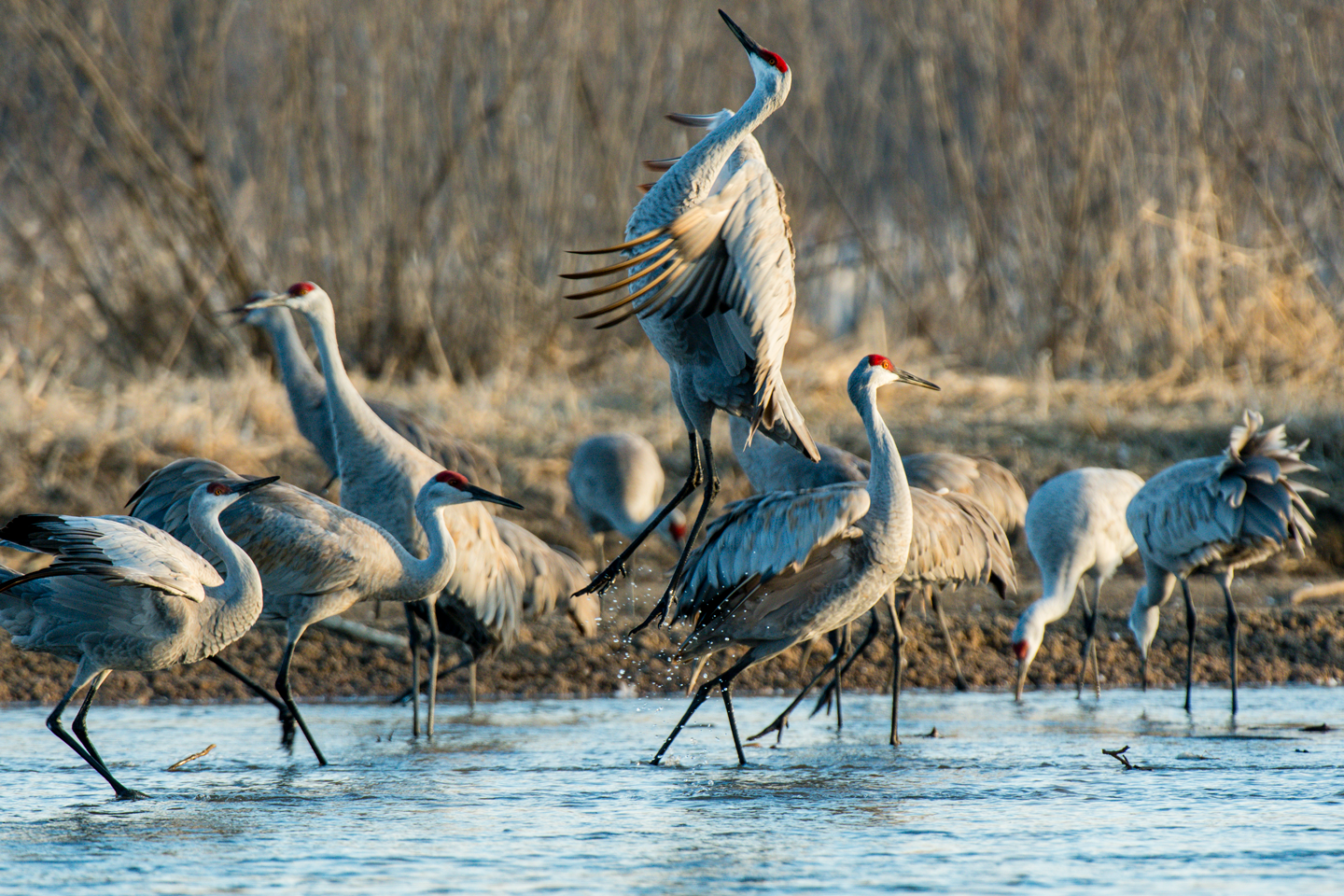
Nebraska plays an important role for birds, especially during migration. Millions pass through our skies every year, stopping in wetlands, prairies and rivers along the way. For instance, you don’t have to be a birder to be impressed by the migration of sandhill cranes along the Platte River every spring. Even people who have never opened a bird guide will pull over their cars just to watch the sky as thousands of cranes fly overhead at once, bugling loudly and making their ancient sounds. How could a person resist?
You’ll see birds in the most ordinary places, too — perched on telephone wires, wandering around parking lots, visiting backyard feeders or poking around muddy riverbanks. And you might’ve noticed that they can be incredibly entertaining.
Take the clever American crow. These birds are problem solvers, can remember human faces and work together in groups. Watching a crow investigate a forgotten snack in a parking lot is like witnessing a loud, feathered scientist at work.
Then there’s the acrobatic cliff swallow, zipping through the air to catch insects with barely a flap of its wings. If you’ve ever stood near a bridge or barn where they roost, chances are you’ve watched them without even realizing it.
Moments like these remind me that birds are doing incredible things all the time — even when most of us aren’t really paying attention. Once you start noticing them, it’s hard to stop.
You might already be a birdwatcher – whether you want to admit it.
Backyard Birds – The Gateway
For many accidental birdwatchers, it started at home. I’ve always felt like if you’re going to call yourself an “outdoorsy” person, you probably need a few bird feeders in the yard.
I’m not someone who spends thousands of dollars on fancy feeders or the highest-end bird seed. I splurge when I can, but let’s be honest—everything feels expensive these days. Still, I do what I can to give wildlife a chance by putting up a few feeders, making sure there’s fresh water, and trying to create a backyard where wildlife can thrive. Before long, the birds just became a part of my family’s daily routine.
Part of that was intentional. I wanted my daughter to grow up around biodiversity and wildlife. Then the COVID pandemic and lockdowns happened, and suddenly, a lot more people started observing birds, too.
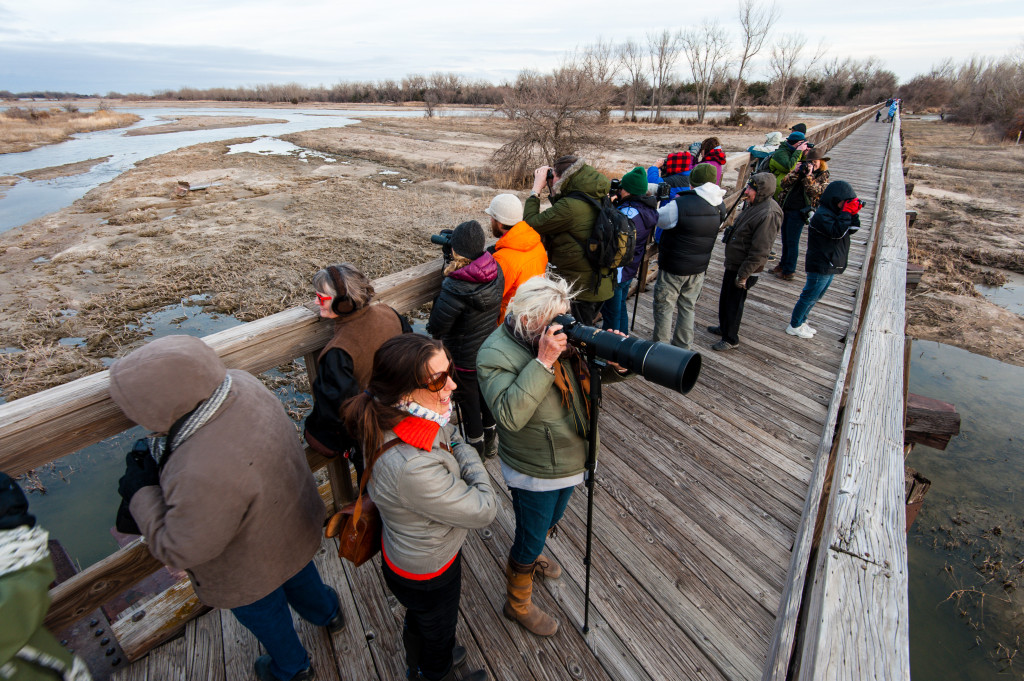
Birdwatching participation surged across the country. According to the U.S. Fish and Wildlife Service, about 96 million Americans—roughly 3 out of every 10 people—participated in birdwatching in 2022. That makes it one of the most popular wildlife-related activities in the country.
During the pandemic, many people had more time at home and shifted their attention to wildlife right outside their windows. Globally, surveys found that about 24% of birdwatchers focused primarily on “yard birding.” And I guess that included me.
All of a sudden, you started noticing birds like warblers, flickers and ruby-throated hummingbirds showing up at your feeders or calling from the trees in your yard. Of course, you still told yourself you’re not really a birdwatcher. But then you start spotting them when they arrive in the spring. You recognize when they disappear in the fall. And you definitely notice when one particularly bossy bird decides the feeder belongs to them and chases everything else away.

No Experience Required
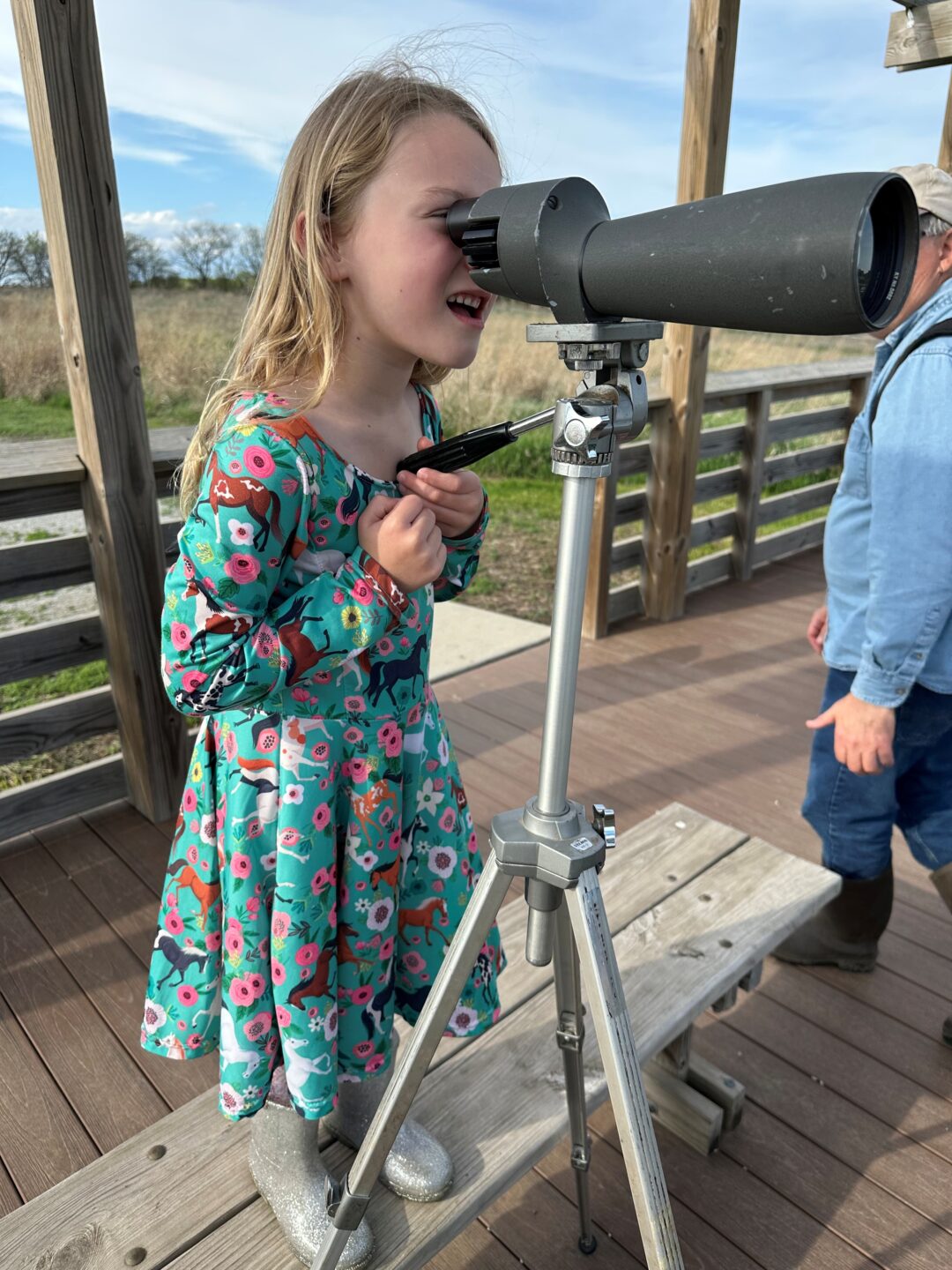
One of the best things about watching birds is that you don’t need to know much to enjoy it. You don’t need expensive equipment or years of experience — sometimes all it takes is a few minutes outside each day and a little curiosity.
Many people hesitate to watch birds because they feel like they don’t have the skills or knowledge. They worry about not being an expert, not knowing the species or not being able to identify calls. But you don’t need to be an expert to observe a cardinal flashing through the trees or a flock of ducks skimming across a pond. Birdwatching can be about simply opening your eyes and enjoying what’s around you, no matter your experience level.
Maybe you’re waiting for your kid to finish soccer practice. Maybe you’re sipping your morning coffee on the porch. Maybe you’re walking your dog through the park. If a bird lands nearby, you look. And just like that, you’re watching birds.
Maybe You’re a Bird Person After All
I still don’t call myself a birder. In fact, my best friend, who will probably read this and laugh, who often writes “birds” in the dust on the back of my truck — which annoys me — will definitely give me grief for this article. I don’t keep track of species, and I don’t plan trips just to see a particular bird or watch them doing “bird things.”
But I do stop and watch them. I notice how the cranes fill the sky in the spring. I laugh when a bird slips off the super-slick feeder, trying to grab the last sunflower seed in the pile. I pause when a hummingbird appears out of nowhere, thinking how lucky I am to see it at all, because they’re so small and often overlooked.
And maybe that’s enough.
Because here in Nebraska, birds are part of the everyday landscape. If you slow down for even a minute, they’re there—flying overhead, singing in the trees, hopping through the grass.
So no, I’m not a “bird person.” But I watch them anyway.