
By Justin Haag
As about 400 species make their way northward through Nebraska and the Central Flyway during Migratory Bird Month, here’s a story about three birds that moved into the region in a somewhat different manner.
Three of our most common non-native bird species have a relationship to a place more than 1,200 miles east of here — New York City.
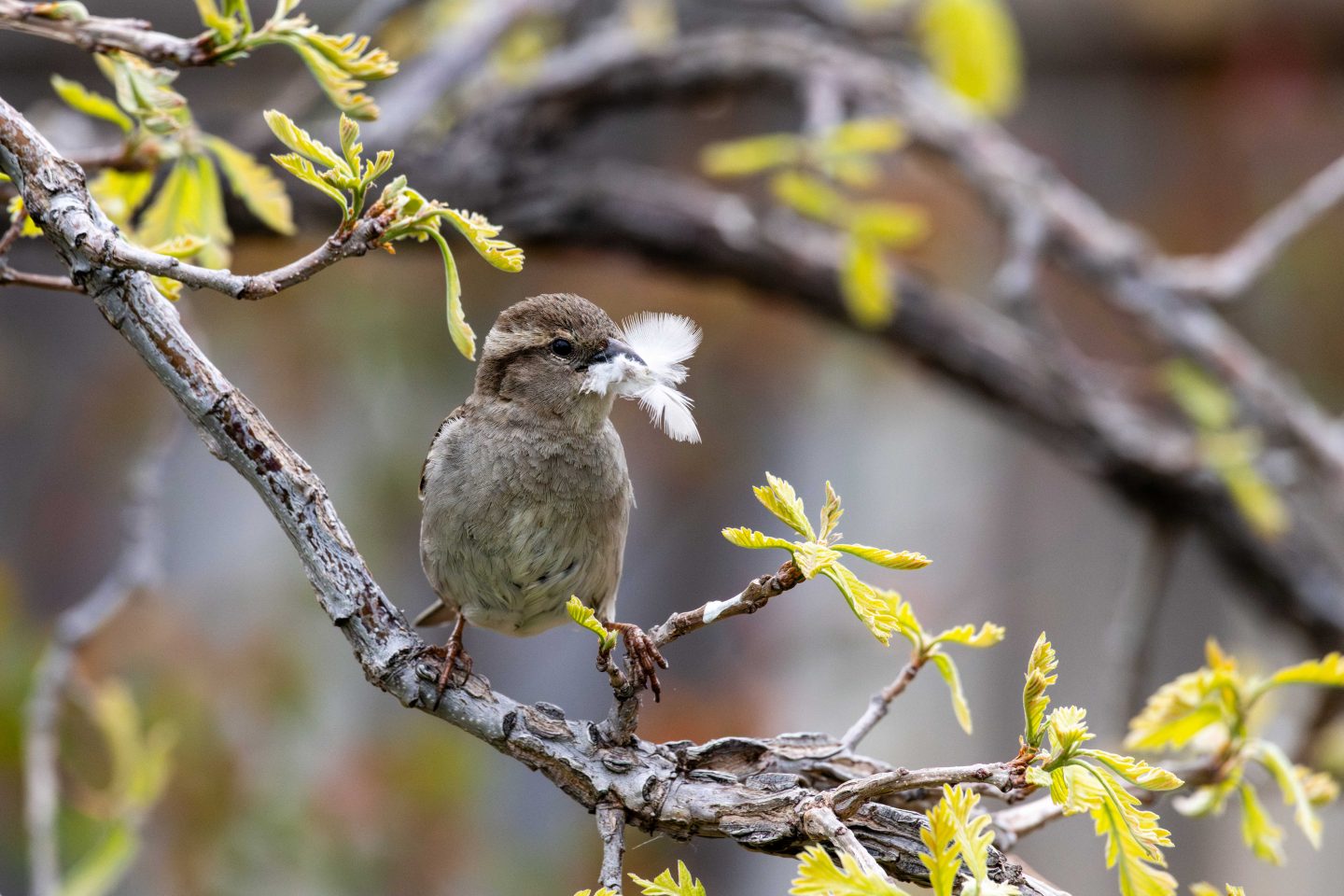
The first is one people likely see in abundance in whatever town they live in, in Nebraska and beyond. It’s the house sparrow (Passer domesticus).
It all started in the 1850s when the sparrows were collected in England and brought into New York to control inchworms that were damaging trees in Central Park. Regardless of how the inchworm population fared after that, the house sparrows flourished. By 1900, the species had done so well it had spread to the Rocky Mountains. The house sparrow is now despised for displacing native bird species, and are sometimes referred to as “flying rats” because of the way they take over bird feeders and make a mess.
Another often despised prolific species in North America with ties to Central Park, as well as to history’s most famous author, is the European starling (Sturnus vulgaris).
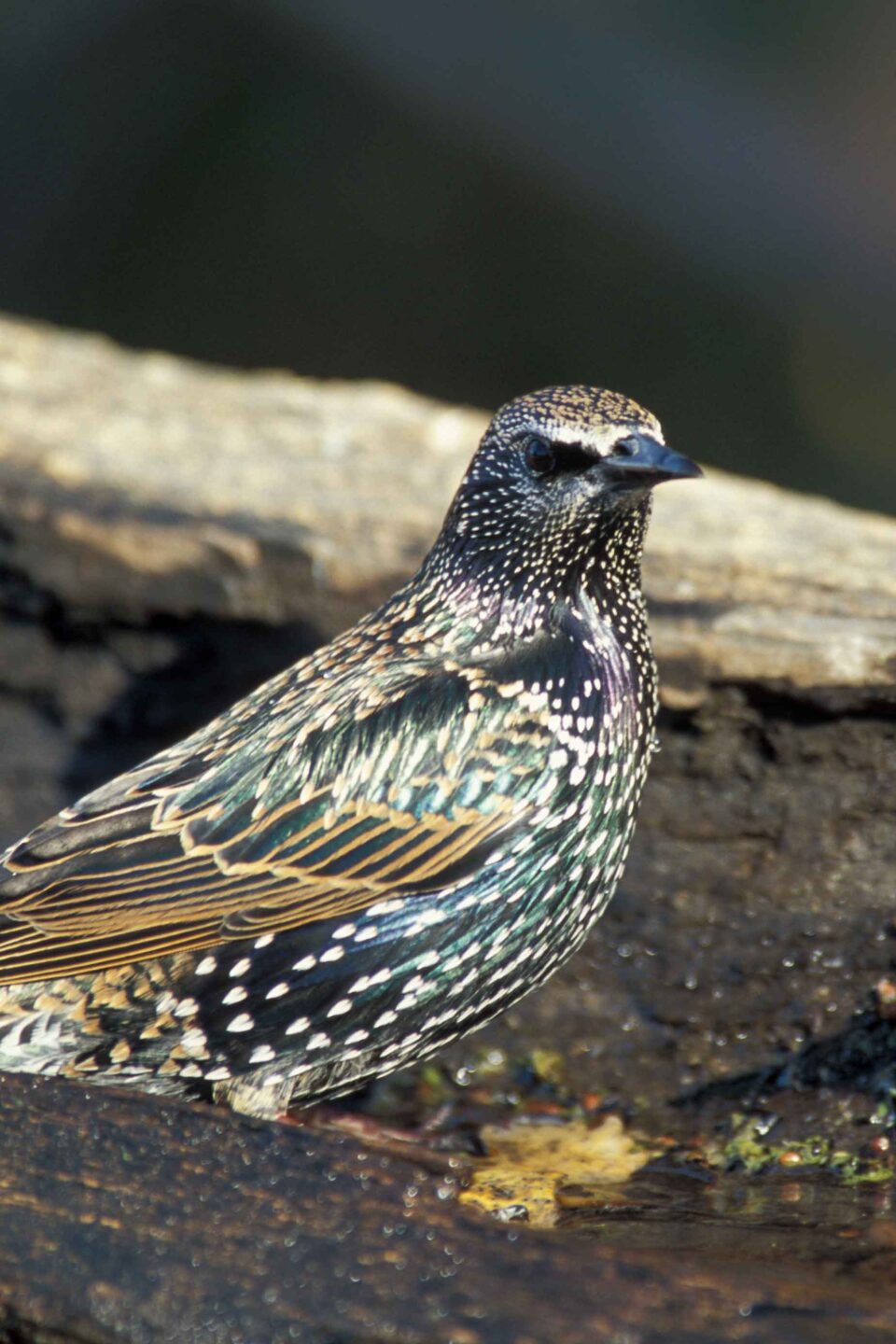
In the 1890s, a group of Shakespeare enthusiasts released 100 starlings in Central Park for no other reason than they wanted every bird species Shakespeare ever mentioned in his writings to be present in America. Shakespeare’s one and only mention of the bird was in Henry IV, Part I.
These black birds with spotted plumage surely made themselves at home. Now it’s estimated that more than 200 million starlings range from Alaska to Mexico, sometimes inspiring more profanity than prose as they compete with native bird species.
Third on the list is the house finch (Haemorhous mexicanus) native to Mexico and the southwestern United States.
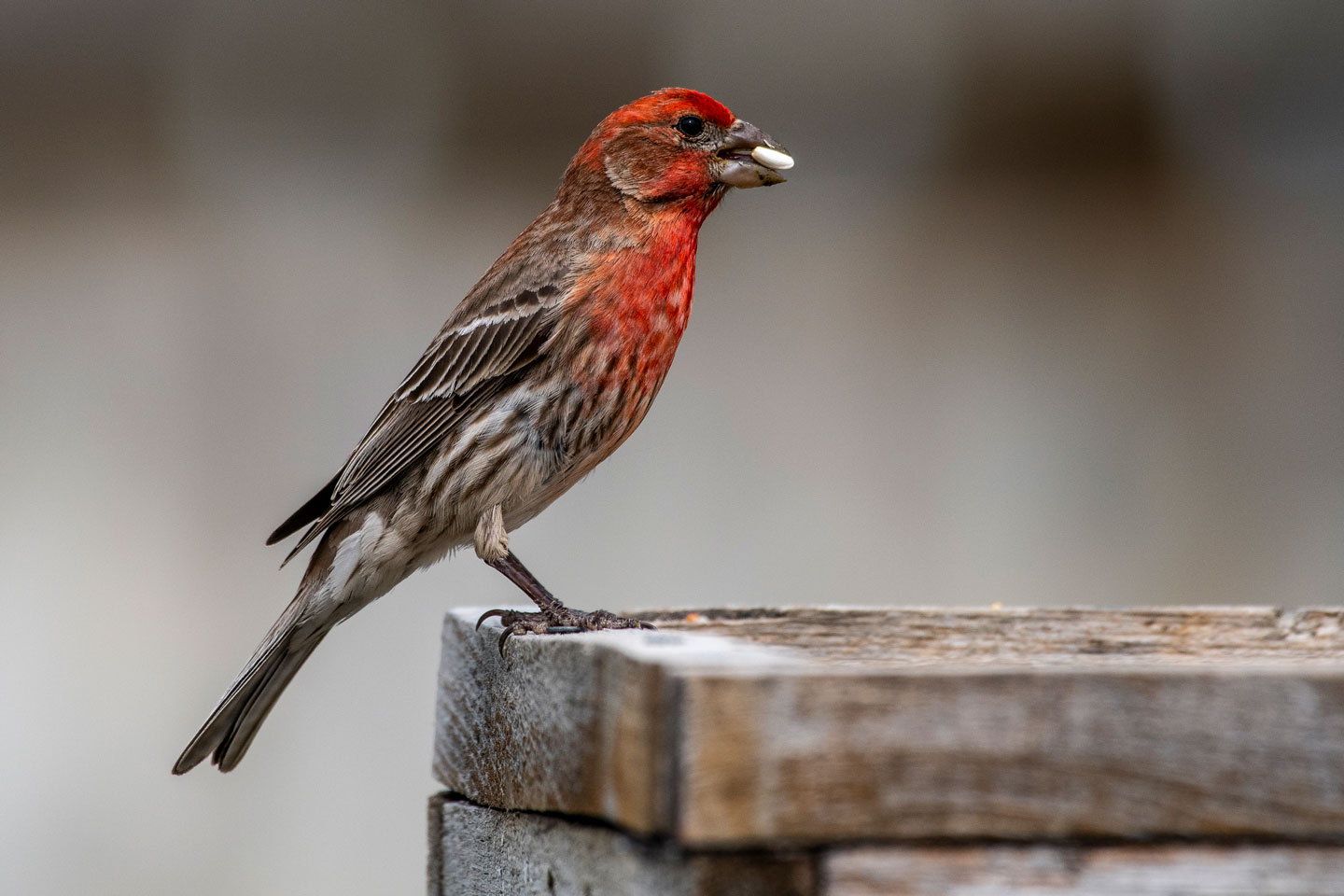
Some of the handsome little birds were captured and taken to New York to be sold as “Hollywood finches” in the early- to mid-20th century, coinciding with the rising popularity of movies. The red heads and breasts of the males made them attractive. In the 1940s, when pet shops and finch owners faced possible prosecution under the Migratory Bird Treaty Act of 1918, they released the birds. The finches multiplied in the wild and spread west to the Great Plains within 50 years.
House finches have moved into Nebraska from both the western and eastern populations, and have been more welcomed than the other two species, surely thanks to those Hollywood looks and singing abilities.
These are just a few examples of unintended consequences when people move wild animals. If people get the urge to capture and release an animal species in Nebraska, they should know that it’s illegal. The intruders not only compete with native species for habitat and food, but also introduce diseases. Also, it’s illegal to relocate wild mammals beyond 100 yards of where they are found. For reptiles and amphibians, it’s 50 yards. No live fish can be moved from one body of water to another.
For more information about the state’s many avian species and Nebraska Bird Month activities, visit OutdoorNebraska.gov. Activities throughout the state are listed, including the family-friendly statewide competition known as the Nebraska Birding Bowl — which, despite its name, has no connection to Yankee or MetLife stadiums.