
By Renae Blum
It’s a pleasantly overcast day in late April and the lilacs at Arbor Lodge State Historical Park are in full bloom.
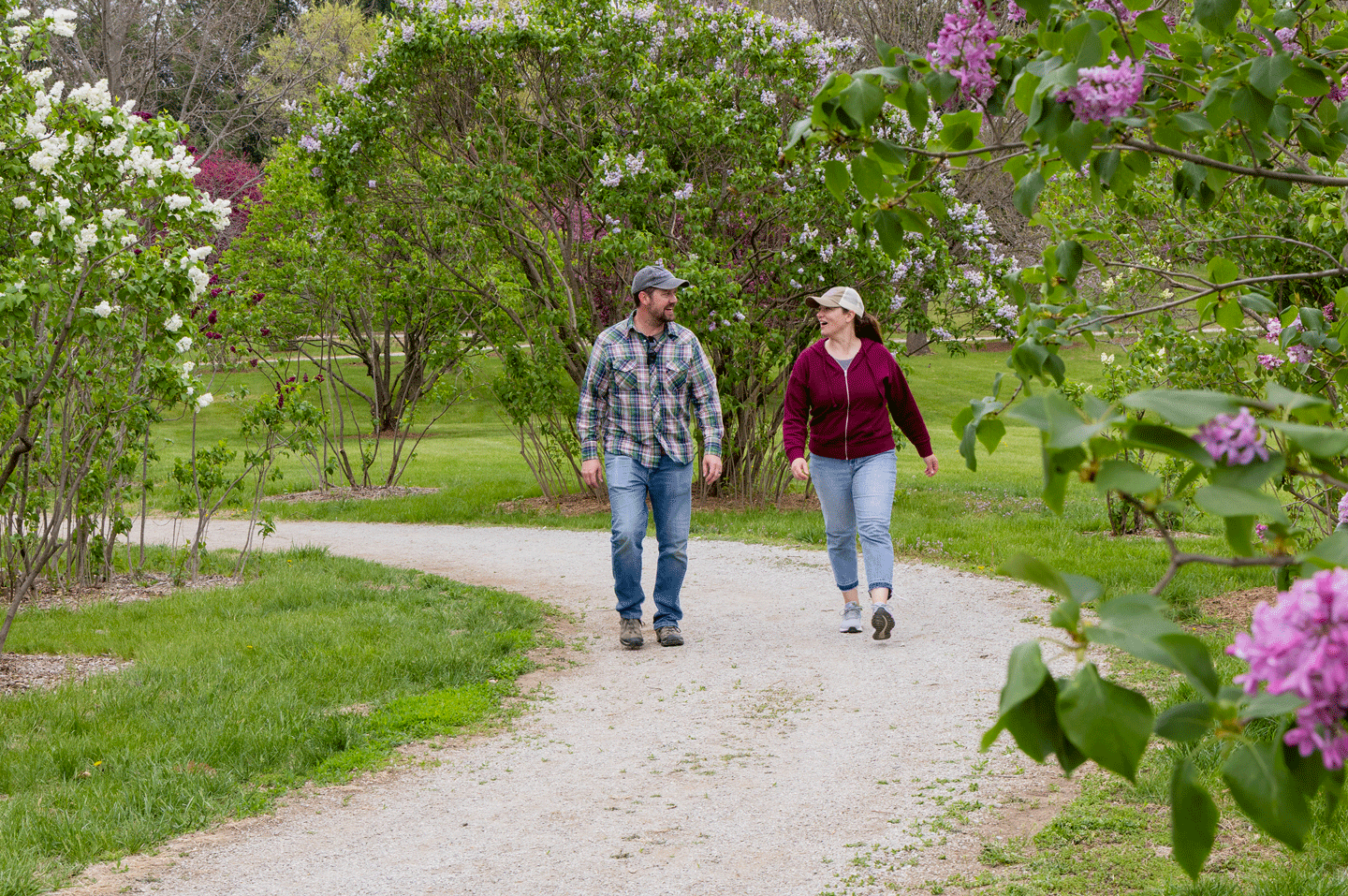
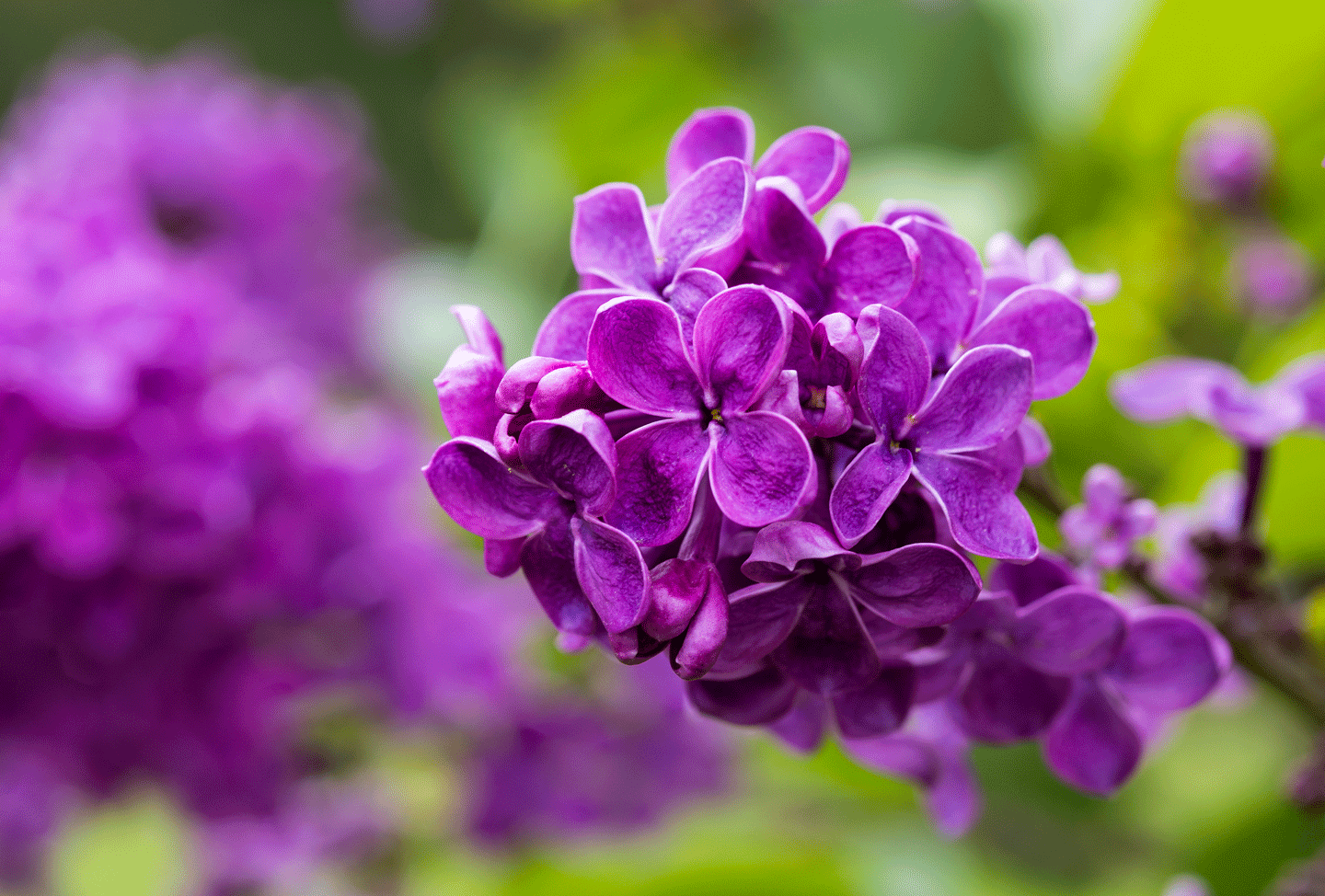
Shades of vibrant magenta, deep purple, lavender, pink and white decorate a 1/3-mile loop, the cornerstone of a collection that has more than 200 varieties and ranks among the top 10 in the nation for size. Carefully tended lilacs dot both sides of the rock path, spaced so viewers can appreciate each one.
Almost no two lilacs along this path are of the same variety. Some feature ruffled, exotic-looking petals, or multiple colors on a single stem. Many blossoms have a rich, floral scent, while others smell of frosting or buttercream.
This charming scene in Nebraska City — complete with a rustic wooden bridge and gazebo — is a labor of love 30 years in the making. Through the determination of two volunteers, Nathan and Ashley Mueller of Lincoln, the collection has transformed in recent years, leading to sold-out public tours, an annual Bloom Fest event and renewed attention from the International Lilac Society.
“This is way far beyond what anyone ever imagined,” said former Arbor Lodge assistant superintendent Mark Kemper, who helped plant the lilacs decades ago. “I think more and more, people will make Nebraska City a destination, not only to see Arbor Lodge, but specifically to see those lilacs.”
These vibrant spaces, colorful with blooms, started out decades ago on what was “essentially a cornfield,” Kemper said. These privately-owned acres surrounding Arbor Lodge Mansion were once the estate of J. Sterling Morton, founder of Arbor Day.
To acquire the land, then-park superintendent Randy Fox worked with a Nebraska state senator and local organizations. A bill passed by the Nebraska Legislature cemented the purchase of the property, now owned by the Nebraska Game and Parks Commission.
Afterward, he was approached by Hoyt Lambert and Jan Fricke of Omaha, volunteers with the International Lilac Society, who envisioned a lilac walk on the new grounds.
For months, they brought young lilacs donated to the park by Max Peterson, a noted lilac grower from Grant, Nebraska, whose private collection was once the largest in the world. Some of Peterson’s cultivars, named for family members such as his wife, Darlene, are thriving today in Arbor Lodge’s collection.
Kemper remembers that time fondly. Lambert and Fricke stopped by occasionally in a white milk truck, baby lilacs in tow.
“Randy would see them coming and go, ‘Oh, Mark, here they come with more lilacs. You go deal with them and help them out,’” Kemper said with a laugh.
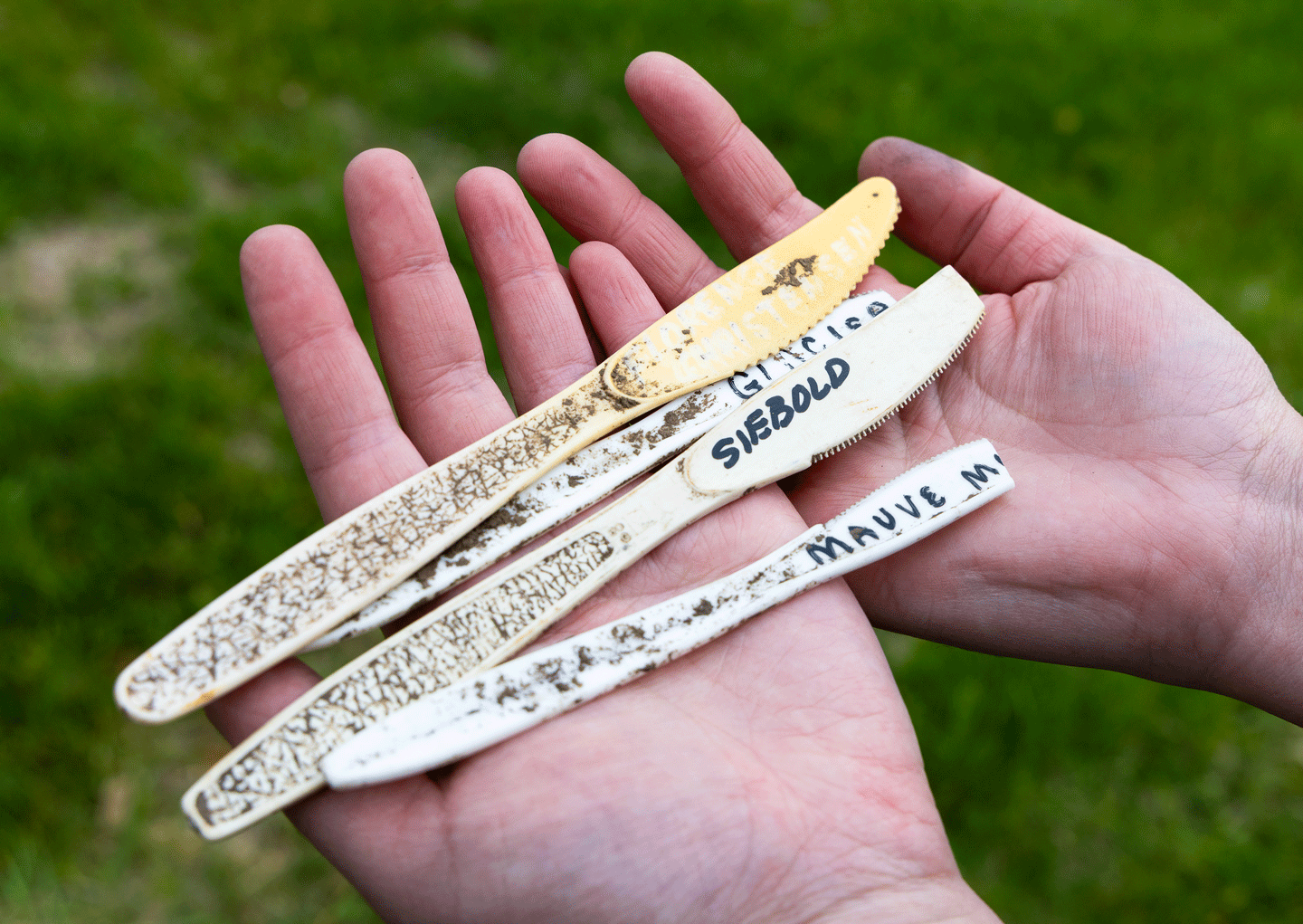
Staff established three areas of lilacs in the park, known today as the Max and Darlene Peterson Lilac Walk, the Forest Bed and the Monument Bed. Kemper dropped coins in the ground with the new plantings, and Fricke used plastic knives to mark the different cultivars. Many of these items would be rediscovered decades later.
The International Lilac Society recognized the high merit of the lilacs they planted. Many are rare, originating in places like France, Russia, Germany, China and Japan. A couple of them can only be seen here and in one other spot in North America.
Together, it forms the largest public lilac collection in Nebraska, and the fifth most diverse in the nation.
Most plantings took place in 1996 and 2002. As decades passed, however, challenges arose, including money, capacity, staffing and loss of institutional memory, and the collection fell from the priority list.
When Ashley and Nathan Mueller first visited the collection five years ago, they could see the potential. Lilacs had become a pandemic passion for the Lincoln couple, who have six higher education degrees between them and rich scientific backgrounds, particularly in agriculture.
Behind the overgrowth and poison ivy, the Muellers recognized the care and planning behind the collection. Some lilacs were missing ID tags, which intrigued the couple further. Nathan began taking informal notes during their visits.
In January 2023, he spotted a Facebook post that would change their lives. It was a request for help from the International Lilac Society — a member of the preservation committee asking if anyone was familiar with the lilacs at Arbor Lodge. Nathan responded, and the couple volunteered to help.
Initially, the work was more modest in scope: identifying the lilac cultivars and combing through existing records. Ashley and Nathan shot more than 900 photos throughout the blooming period that year, hoping to solve the mystery.
“It was very much like a big puzzle,” Ashley said.
As they got to know Kemper, now retired, and the Arbor Day Farm staff, who care for the park grounds and welcomed their assistance, their ambitions widened.
“We’re like, ‘Wouldn’t it be great for people to be able to enjoy these lilacs the way they were originally intended?’” Ashley said. “We’re roll-up-your-sleeves kind of people. We’re like, ‘Oh, this wouldn’t take much.’”
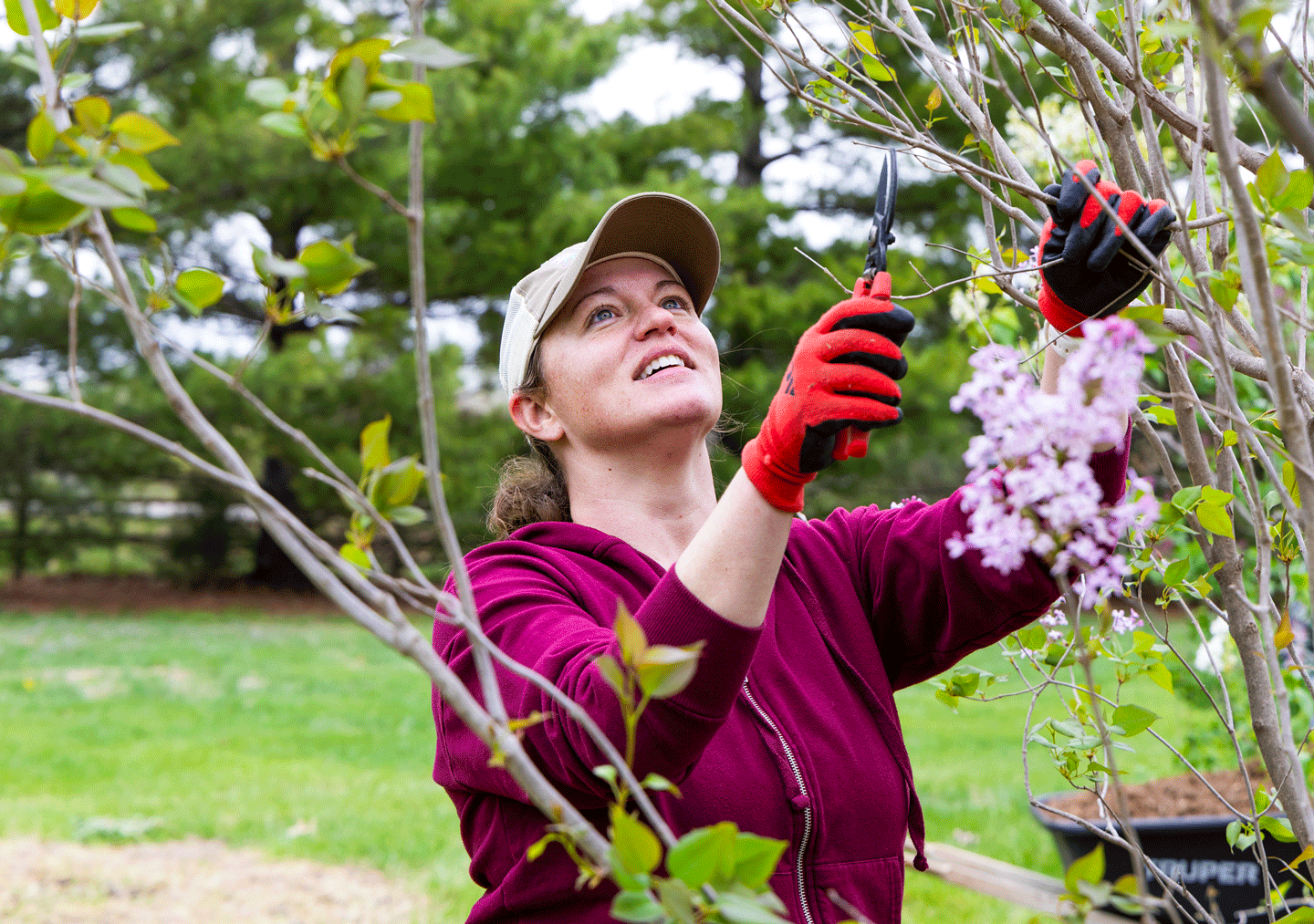
Looking back, she and Nathan laugh at this assumption. Their first year of volunteering at Arbor Lodge involved nearly 330 hours of cleaning debris, grass and weeds from the lilacs. Arbor Day Farm staff helped too, delivering mulch and hauling dead branches.
The biggest challenge? An infestation of poison ivy, which required full-body Tyvek suits, face shields and nitrile gloves to safely remove.
“Let’s just say, we got a lot of attention” from parkgoers and their dogs, Ashley said.
“It has made for some good dinner party conversation.”
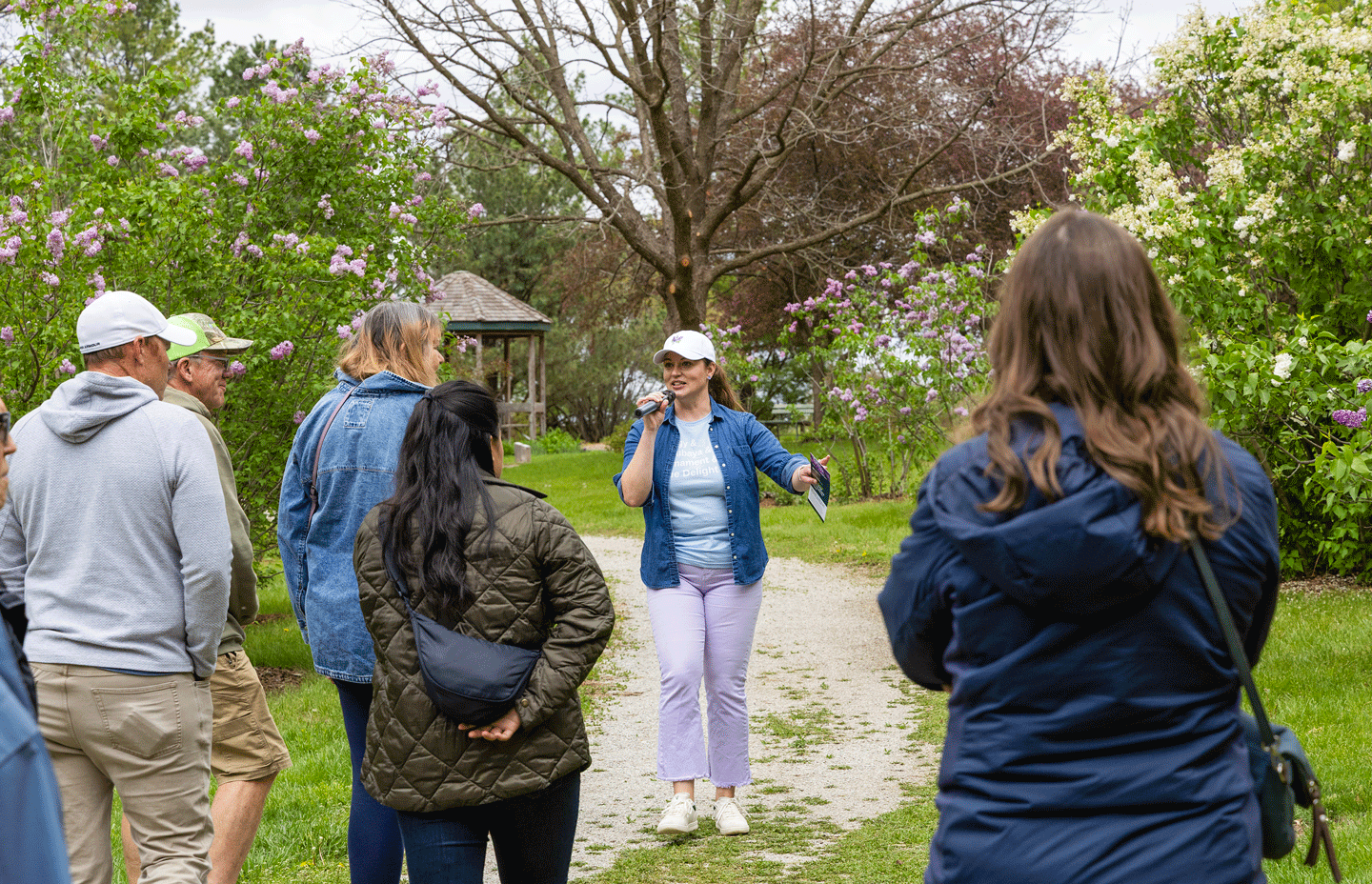
Now, however, park regulars are familiar with the couple. The Muellers are happy to chat with passersby and place signs notifying people when they’re working.
By the end of 2024 — and 660 additional hours of work — Nathan and Ashley fully restored all 215 lilacs at the park, with dead branches pruned out, mulch perimeters applied and more. That Arbor Day weekend, they welcomed more than 100 attendees to the park’s first public lilac tours.
To their shock, a major turning point also happened that year: the discovery of forgotten records at the University of Nebraska-Lincoln’s East Campus, which changed everything about their understanding of the collection.
These old lilac files, left in a retired horticulturalist’s former office, contained complete lists of every cultivar planted at Arbor Lodge, as well as notes from the original lilac planters and breeders.
“To say there were happy tears about this discovery is an understatement,” Ashley said.
With this information in hand, Nathan and Ashley began gathering new offshoots of some of the rarer lilacs, called “suckers,” for replanting elsewhere in the country, aiding in preservation. They also continued replacing missing identification tags and installing signs for each cultivar.
Soon, the fruits of their labor were obvious.
“We are happy to report that not only are the lilacs surviving, they are thriving, and so are we,” Ashley said.
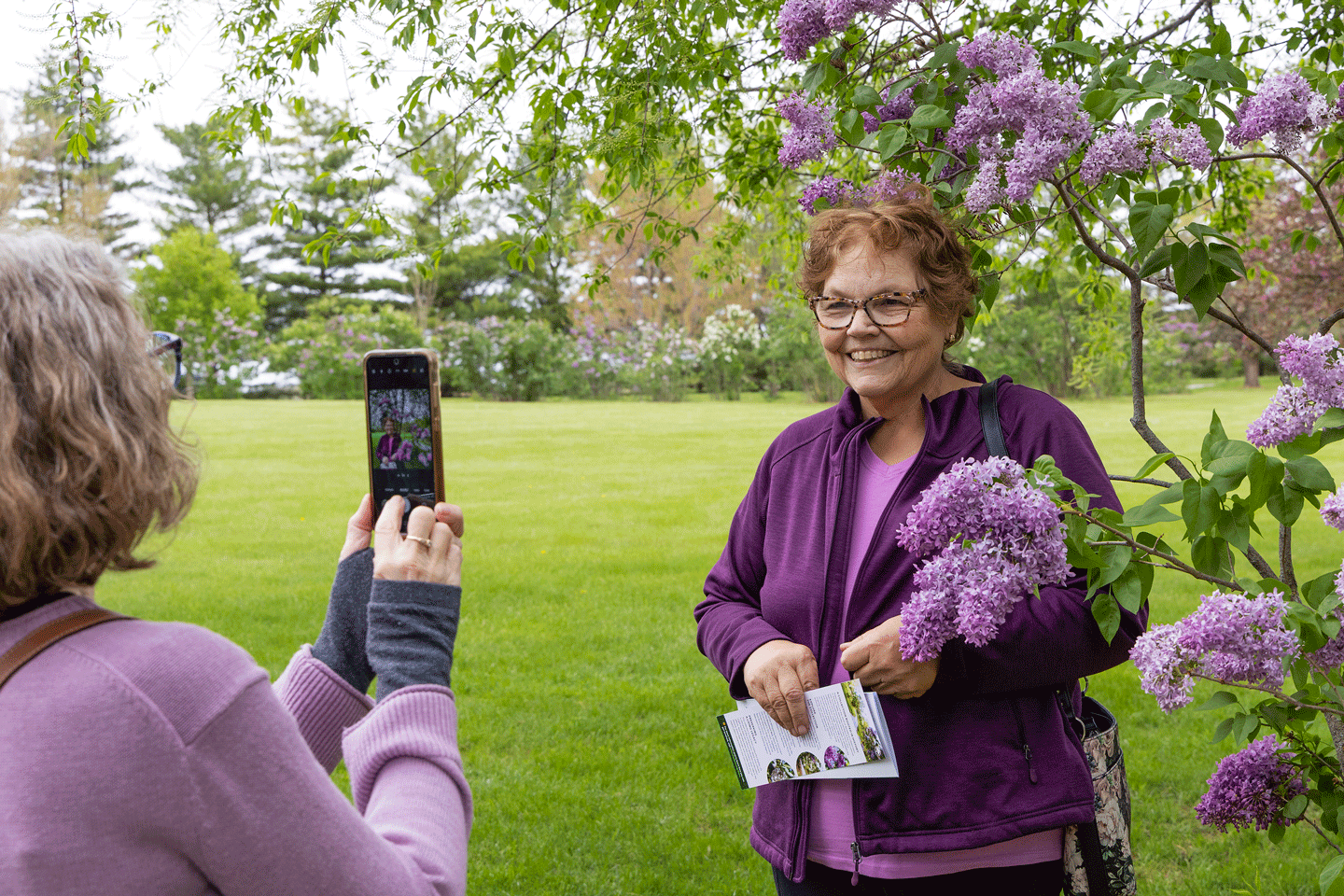
In 2025, the revitalized collection helped inspire Arbor Day Farm’s inaugural Bloom Fest event, featuring sold-out public tours of the lilac walk led by Ashley and Nathan. One couple got engaged during a tour.
“It’s just fun to be able to hear and see people enjoying the transformation of the collection,” Ashley said. “We don’t do it for the accolades, but it does feel really good when people are like, ‘Oh my gosh, I can bring my friends here. We want to take family pictures here.’”
Now they’re looking to the future. Last year, Nathan and Ashley planted two new lilac beds at the park, representing all seven of the official lilac colors. They also began an Instagram account, “nebraskalilacs,” and received and shared important lilac species across the country for planting.
In 2027, the Muellers will host the International Lilac Society’s annual convention in Nebraska City on the grounds they helped transform.
For Nathan, it’s especially meaningful that they’re working in a public space, a historical park preserved for anyone to enjoy.
“This is an opportunity for something to last a long time, which is always nice — to put effort into something that lives beyond us,” he said.
If you go
The lilacs at Arbor Lodge State Historical Park typically bloom late April to early May. During Bloom Fest, Ashley and Nathan will host public tours of the lilac walk April 18-19 and April 25-26. Space is limited and registration is required. To sign up and learn more, visit Calendar.OutdoorNebraska.gov.