
By Daryl Bauer, Fisheries Outreach Program Manager
If you live in southeast Nebraska, including our two largest metro areas, you know about the record-breaking rains we received recently. Safe to say the long-term drought that has persisted for the past several years is over.
The only constant in nature is change, and the Great Plains we live in is a land of extremes. This has been another reminder about that fact.
If you care about our aquatic resources and like to fish, you may be wondering what impact these drastic changes are going to have. Believe me, have heard a lot of questions and chatter about it all in the past few days. Thought it might be helpful to address a few things. . . .
First of all, now you know why the small- to medium-size reservoirs in eastern Nebraska are called “flood-control reservoirs”! Reservoirs in the Salt Creek and Papillion Creek drainages have been built over the years to protect urban areas from flooding. Have heard and seen a lot of reports of high water and flood damage in the past few days. Just know that it would have been much, much worse without those reservoirs.
Fortunately, in addition to providing flood control benefits, those reservoirs also provide fish & wildlife habitat and outdoor recreation. With several months of below average precipitation some of the reservoirs have had low water levels. In a few cases those water levels were so low that there was basically little or no water left.
Habitat is Where It’s At!
Have always said that the most basic habitat requirement for fish is water. In man-made reservoirs, fish population dynamics rise and fall with water levels. When reservoir water levels recede it means less habitat for fish and their populations shrink. Rising water levels will eventually mean more fish.
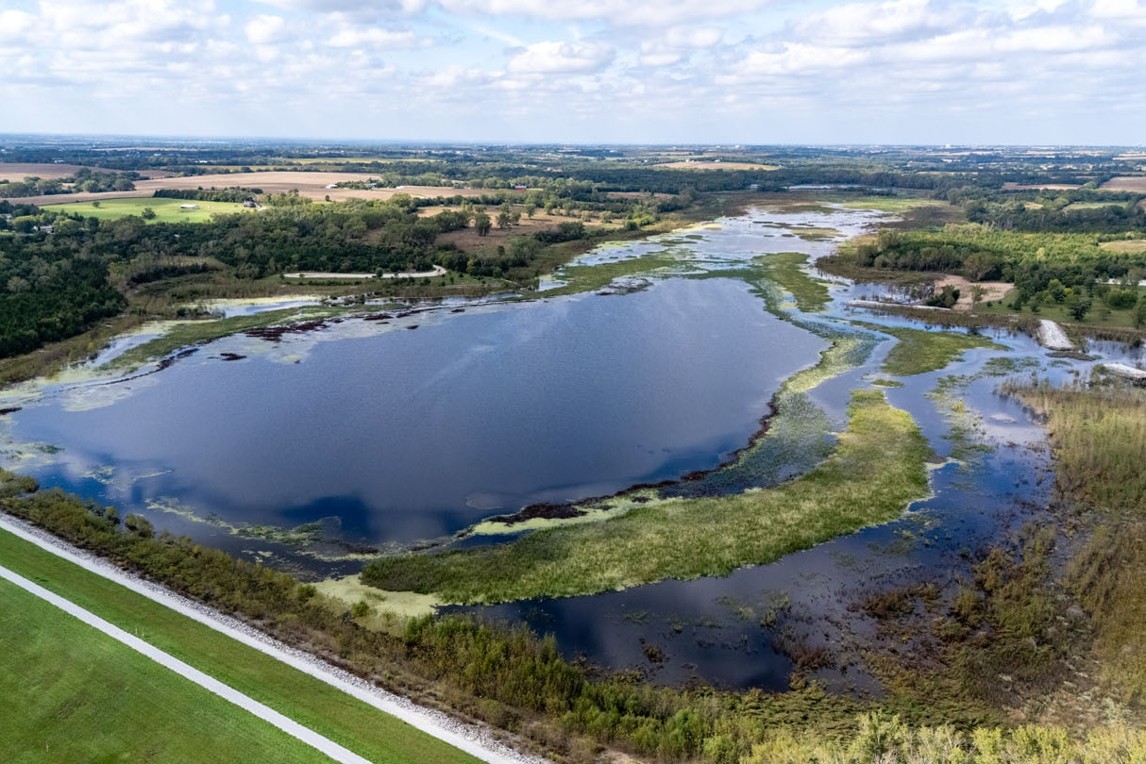
Dry spells followed by precipitation and re-filling of a reservoir often results in flooding of terrestrial and aquatic vegetation that expanded while water levels were low. That flooded vegetation is incredibly productive and beneficial fish habitat. Largemouth bass, crappies, bluegills and in some cases northern pike will particularly benefit from acres of flooded vegetation.
Fish populations will expand with rising water levels in reservoirs, no doubt about it. However, that does not happen overnight. It takes some time for fish to reproduce, grow, and recruit to the population.
Low Oxygen?
High runoff events will carry a high load of sediment and organic matter. Eventually, all of that load can end up in a reservoir. Combine that with newly flooded vegetation and there will be high oxygen demand that can result in reduced oxygen levels. It is hard to predict, but at times oxygen levels can sag to the point where there will be some die-offs of fish. Cooler temperatures, wind, and sunlight will make it less likely that there will be severe oxygen sags and fish kills, but there is really no way to accurately predict if that will occur. Wait and see.
Fish Stocking
Yes, we usually stock re-filled reservoirs to give fish populations a jump-start in newly flooded productive habitat. Those stockings will be in addition to the fish that will be very successful at repopulating on their own in ideal habitat conditions.
It takes some time to produce fish for stocking. We have to know months in advance that fish need to be raised in a hatchery. No, we do not have an inventory of fish just hanging out in ponds waiting for reservoirs to fill. Unfortunately, no one knows what the weather is going to be like several months in the future. In some cases, where available, transfers of a few adult fish will be done to take advantage of re-filled reservoirs.
Stockings will happen. But, they may not happen immediately after water levels rebound.
Unwanted Species
Reservoirs have watersheds. In most watersheds of Nebraska reservoirs there are creeks, streams, and a number of private ponds. High water events result in water moving down watersheds from creeks and ponds into reservoirs. Any number of fish and aquatic critters will move with those high flows. That can mean unwanted species of fish and other aquatic nuisance species may move down the watershed and into reservoirs. Fortunately, the dams that created the reservoirs will prevent movement upstream.
Again it will take some time to detect unwanted species and determine if their impacts will be detrimental. In the worst cases, sport fish populations will be adversely affected and management actions may be needed.
If you are going to fish
No doubt changing weather and water conditions affect fish movement and behavior. Flooding events are major changes. Fish will adapt. Usually their location will change and it is very likely the bite will change too.
In general, with high water, fish tend to move towards the shoreline. Again, newly-flooded habitats are incredibly productive and fish will move into that habitat looking for prey. Throw in declining water clarity and fish generally move shallower and closer to cover.
If you are going to fish high and dirty waters, look for fish near shore. Look for them near cover and out of any current that might be present. Be aware of any water that is slightly clearer and fish it. Plan to fish slow presentations tight to cover. Expect to work for any fish you might catch. On the other hand, if you are persistent, you might be surprised at what you can pull out of areas that normally are dry land.