
By Justin Haag
The 100-year history of Nebraskaland Magazine goes back further than that. Or, at least the reasons for its creation do.
Euro-American expansion across the continent in the 1800s resulted in devastating losses to wildlife and its habitat, prompting the rise of the conservation movement in the early 20th century.
By the time Outdoor Nebraska, as the magazine was first known, was introduced in June 1926, species that had once been abundant had been extremely diminished or completely removed from the state.
When the publication was created, state fish and wildlife agencies were striving to get the word out about their efforts to reverse the tide of damage. In an age when magazines were driving popular culture, Outdoor Nebraska entered the scene bringing conservation messages to residents of the state.
The magazine’s role as a voice for wildlife was apparent from the first issue, which contained stories about the introduction of the ring-necked pheasant and another on the status of migratory waterfowl. It also emphasized the importance of the game warden in conservation and publicized a half-dozen newly established game refuges.
The magazine also was a strong advocate for the development of parks and wildlands, with the first state park, Chadron, being just 5 years old at the time of the magazine’s birth.
“The people of the middle west are just now awakening to the fact that unless something is done — and done quickly — the wild life and natural beauty of this prairie will have vanished before the ever-grasping hand of commerce,” Frank O’Connell, the state’s chief game warden who served as the magazine’s first editor, wrote in one of his early articles.
The Lacey Act of 1900 kicked off a string of important federal legislation to conserve fish and wildlife species, among them the Migratory Bird Treaty Act of 1918, Migratory Bird Hunting and Conservation Stamp Act of 1934 (the Duck Stamp), the Federal Aid in Wildlife Restoration Act of 1937 and the Federal Aid in Sport Fish Restoration Act of 1950.
The magazine seemed to pull no punches in its goals of conservation and preservation, lambasting those who skirted hunting and fishing regulations and the “game hogs” who posed near piles of dead animals they’d shot. Early issues listed game violators and their fines.
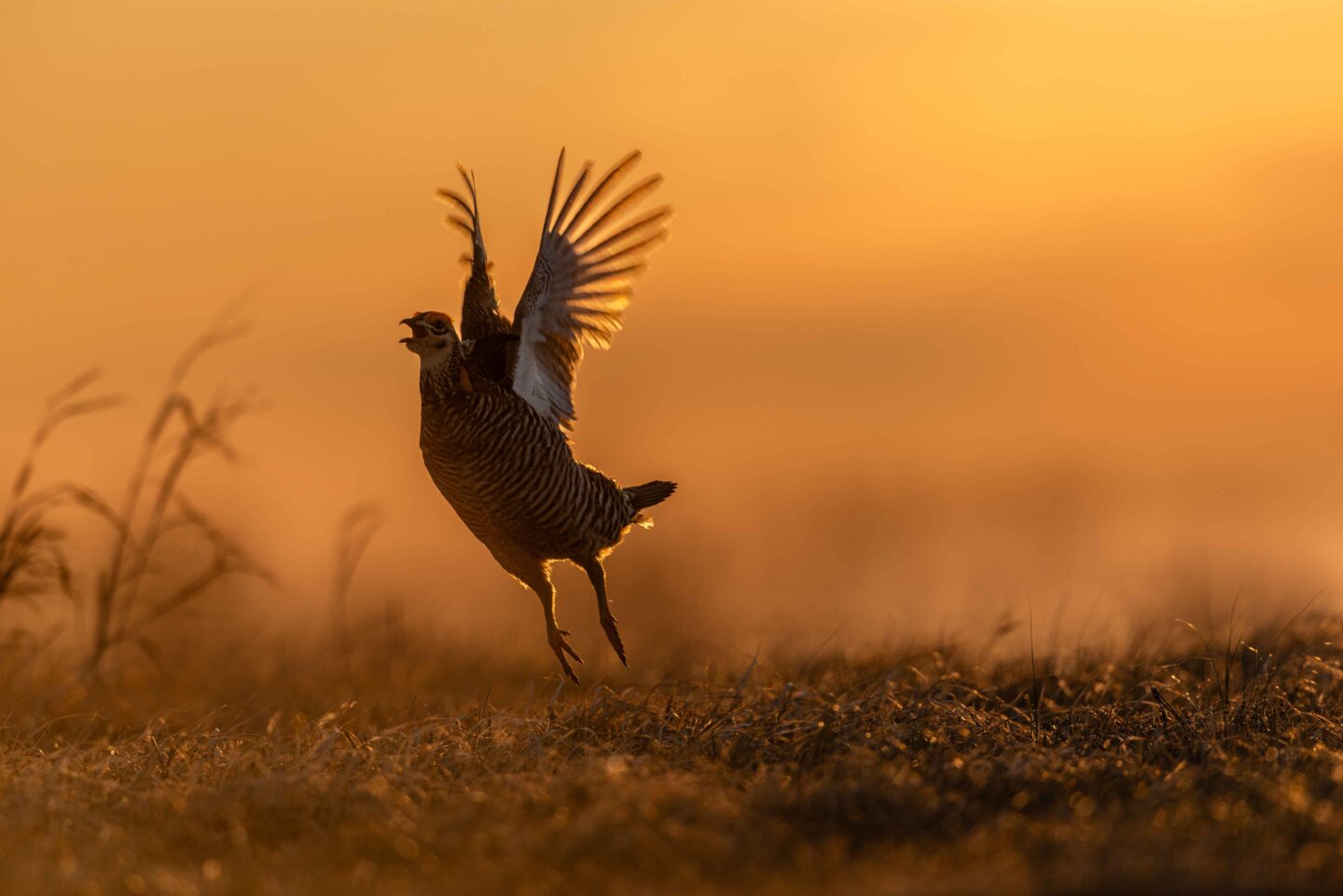
In a colorful bit of prose, O’Connell wrote an article in 1927 from the point of view of a prairie chicken pleading its case before “the court of public opinion.”
“Today, Your Honor, we are faced with extinction,” O’Connell wrote, representing the impassioned bird. “The White Man has come in ever increasing numbers, pushing farther and farther westward until today there is no place left for us. Not only is it impossible for us to find suitable places where we can obtain food and build our nests — worse than that, Your Honor, it is impossible for us to find a place where White Man will even let us rest in peace and security. There is only a handful of us left.”
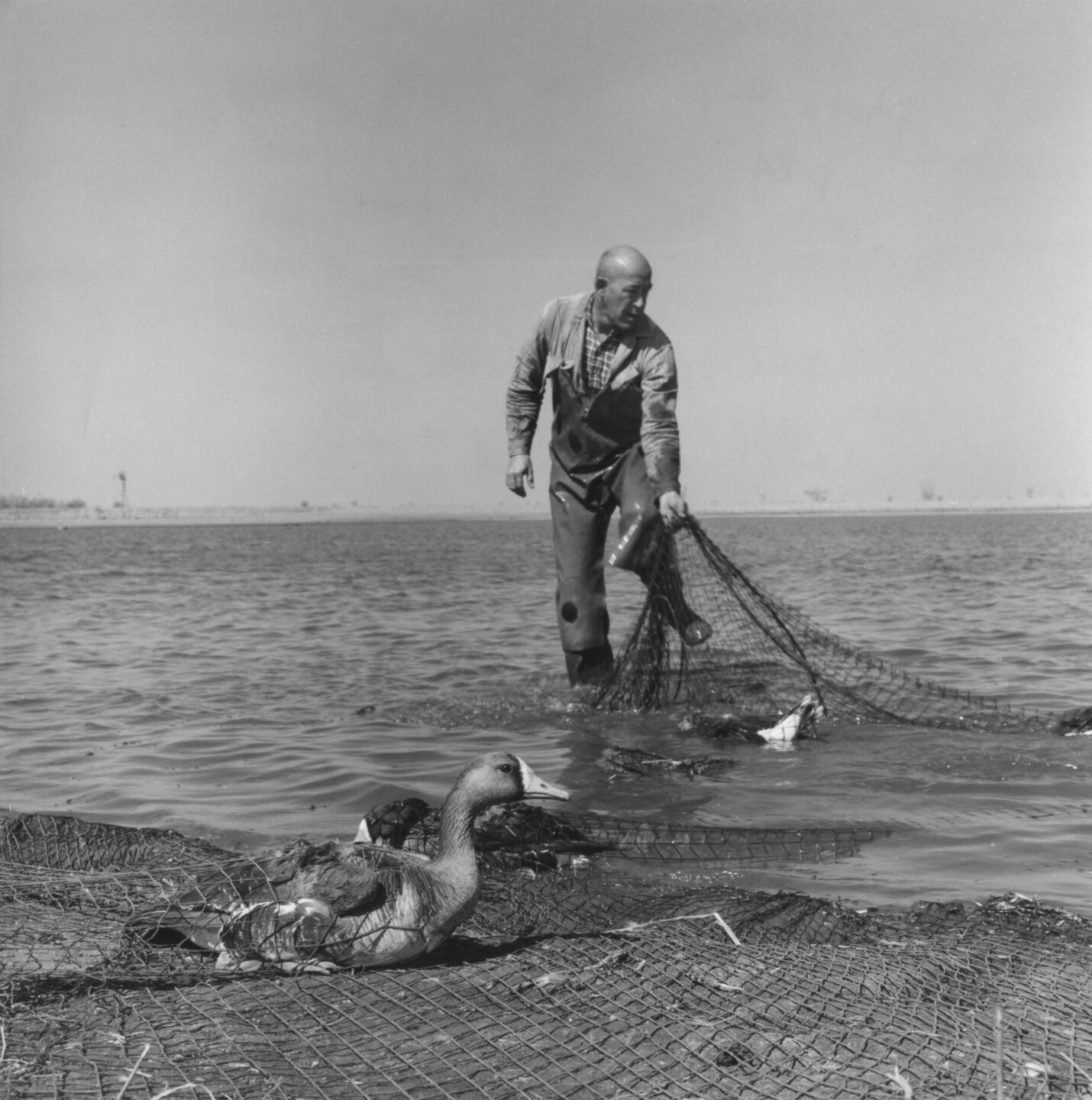
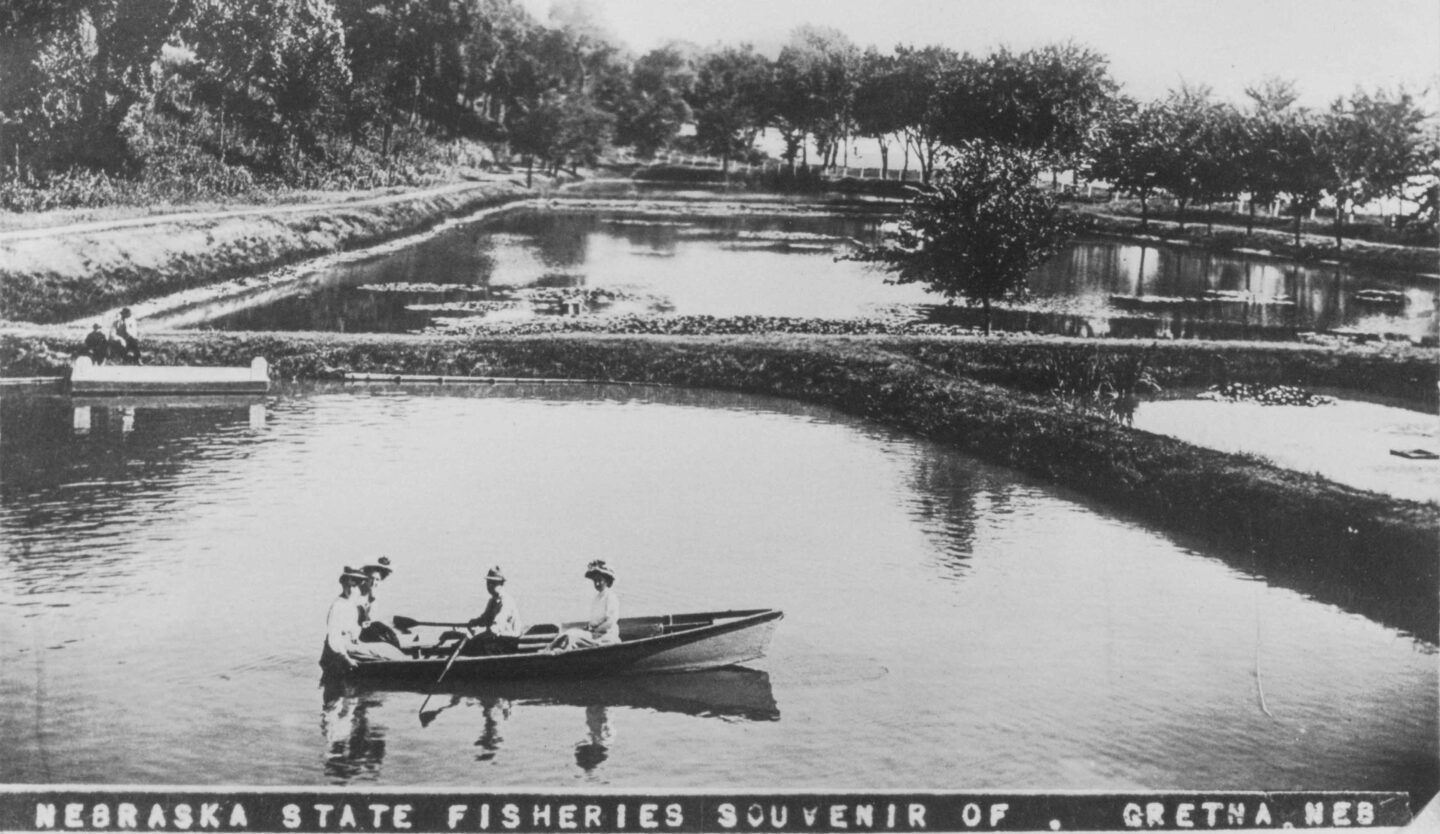
With so little wildlife on the landscape, much of the magazine’s content focused on the agency’s successful efforts in establishing fish populations. The pages showed photos of people holding their catch, the fruits of stocking efforts that had taken place since the agency’s creation as the Nebraska Fish Commission in 1879.
It also spread conservation messages to help wildlife, with the most important messages earning mention on a full back-page cartoon to drive home the message.
The value of habitat, whether leaving it or creating it, was a prime topic in the 1950s, likely in response to the ever-increasing intensity of agriculture that followed World War II. During that decade, articles written by wildlife biologists and others — based on what they believed to be the truth at the time — often promoted planting some species of trees and shrubs that are now considered invasive. Several stories in the 1950s stumped for creation of the Soil Bank program, including some by Mel Steen, the Game and Parks director, who wrote the soil bank plan while in Missouri.
As habitat and even pheasant numbers declined, the writers encouraged feeding game birds to get them through the winter and installing flushing bars on horse-drawn mowers to give birds warning to get out of the way.
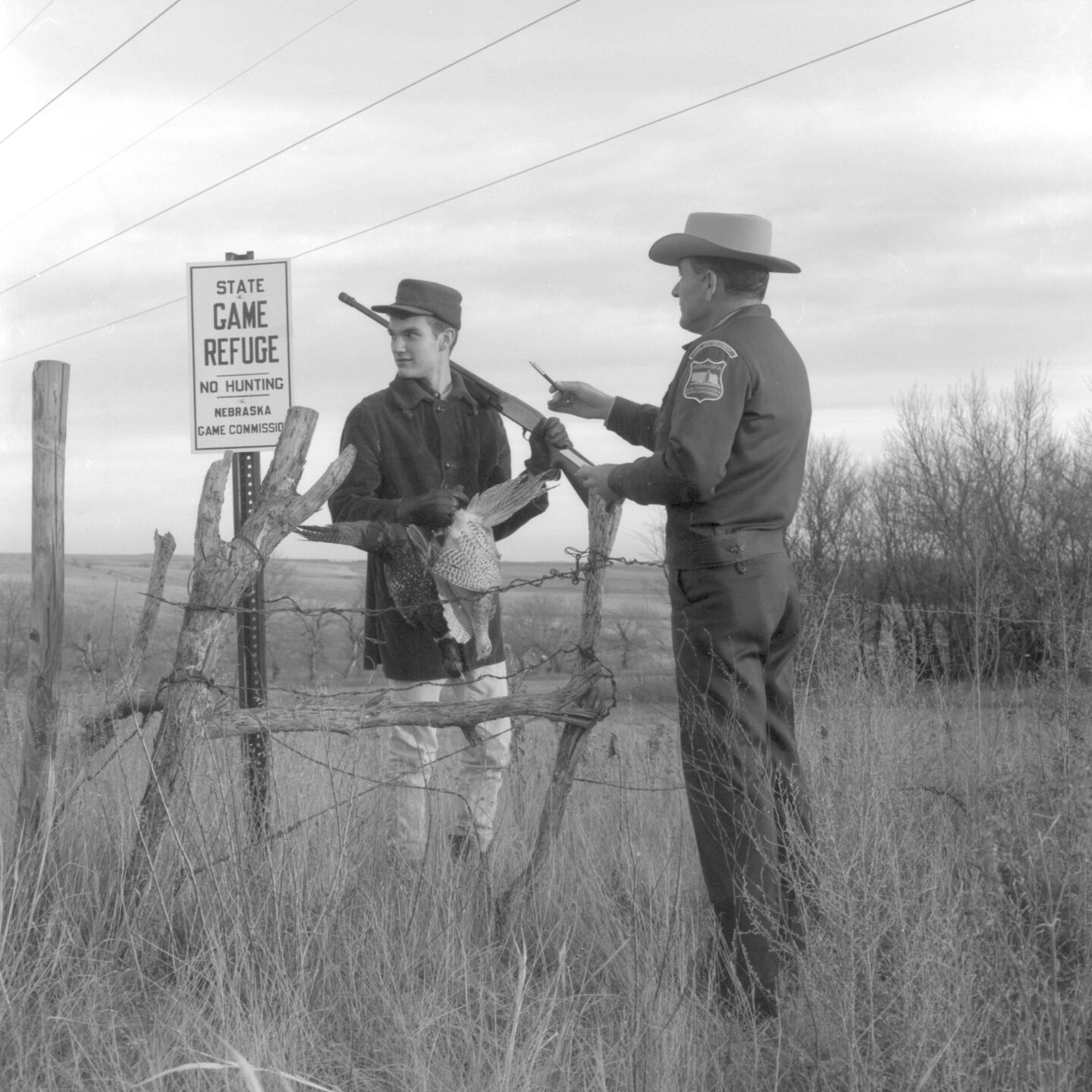
While conservation was a primary topic in the first issues, not all wildlife was looked upon favorably. Along with free-roaming housecats, some species were identified as “enemies of wildlife” — crows, goshawks, sharp-shinned hawks and turtles among them. Any species perceived to be harmful to game animals was frowned upon. All insects were considered to be a nuisance, and getting rid of them was seen as a benefit of having game birds.
While the words have had an impact, Nebraskaland imagery has surely done its part for developing the public’s appreciation for wildlife.
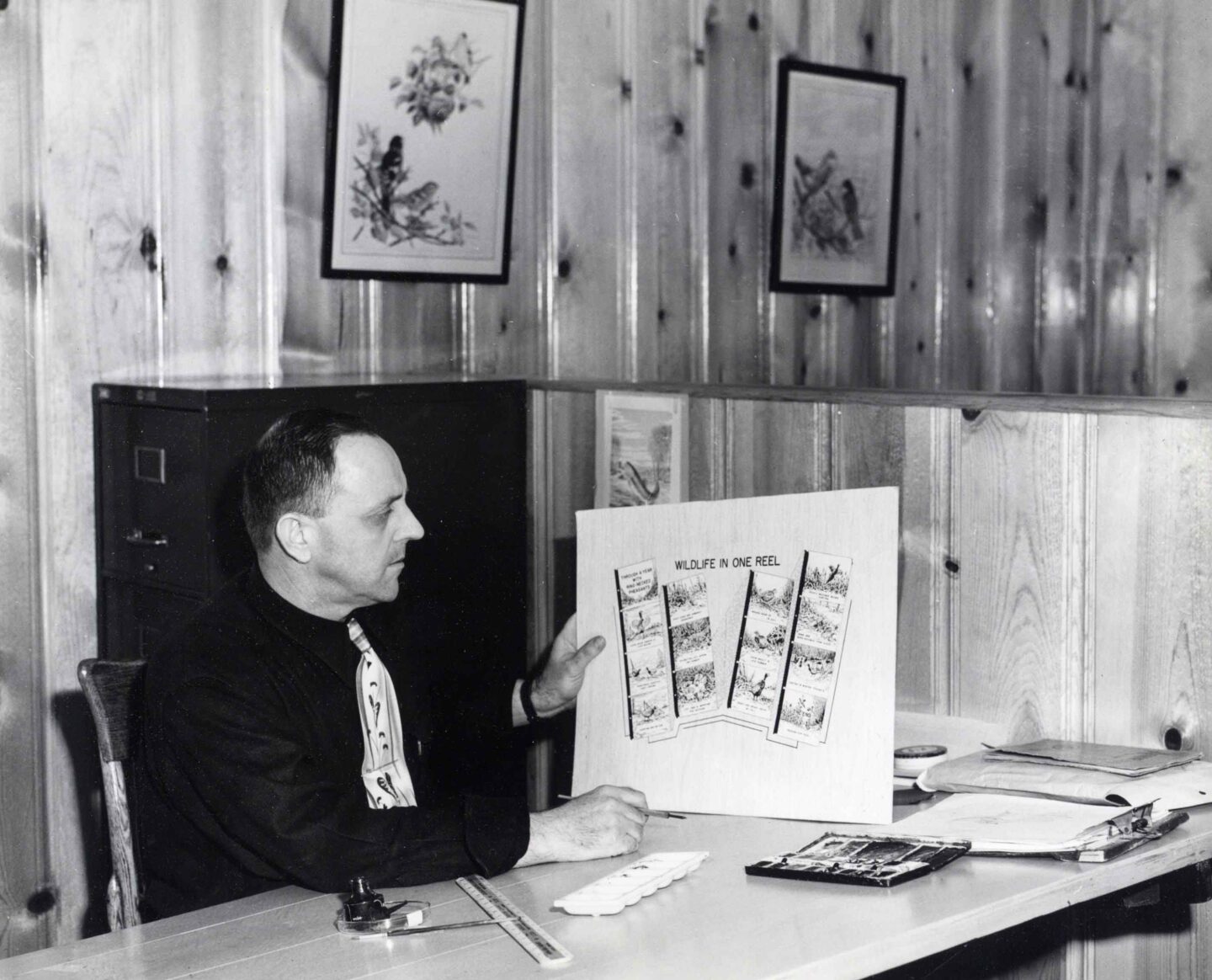
Artist C.G. “Bud” Pritchard joined the staff in 1949, bringing wildlife scenes to the cover and natural history articles until his retirement in 1974. As camera technology improved, staff photographers — the first of whom were hired in 1957 — brought high-quality photographs of countless species to the pages.
As game species rebounded and became plentiful enough to hunt, the pages began telling about people pursuing them. For instance, each of the early deer seasons, the first in 1945 and the second in 1949, were celebrated in the pages of the magazine, including reports on hunter success and the average weight of harvested deer and photos of happy hunters.
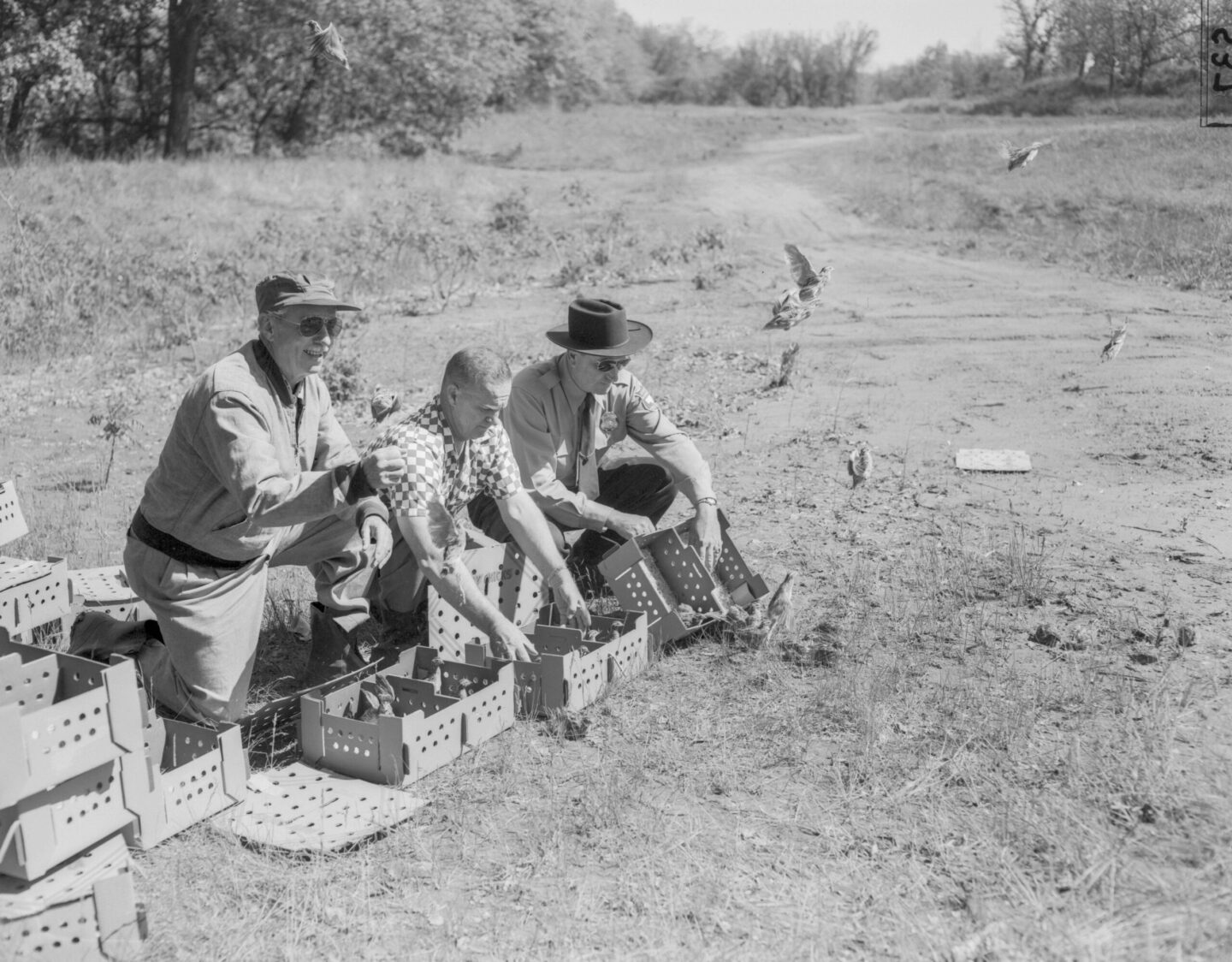
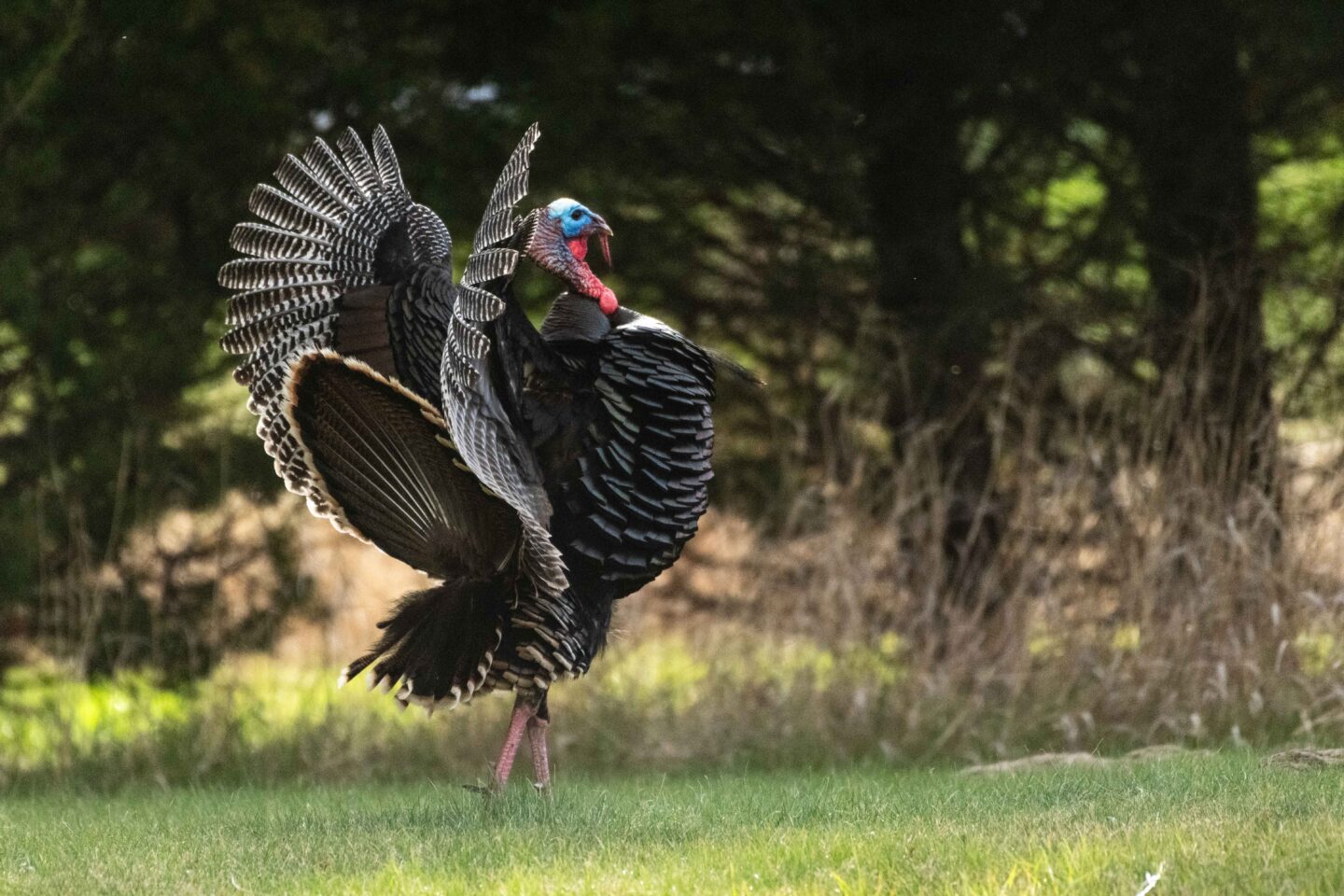
The magazine also has helped celebrate the reintroduction of species. It reported on the release of Merriam’s wild turkeys from South Dakota and Wyoming to the Pine Ridge in the winter of 1958-1959, an effort that proved successful after numerous other attempts failed. In 1958, it told of the release of pronghorns south of Bassett to restore a population lost to settlement.
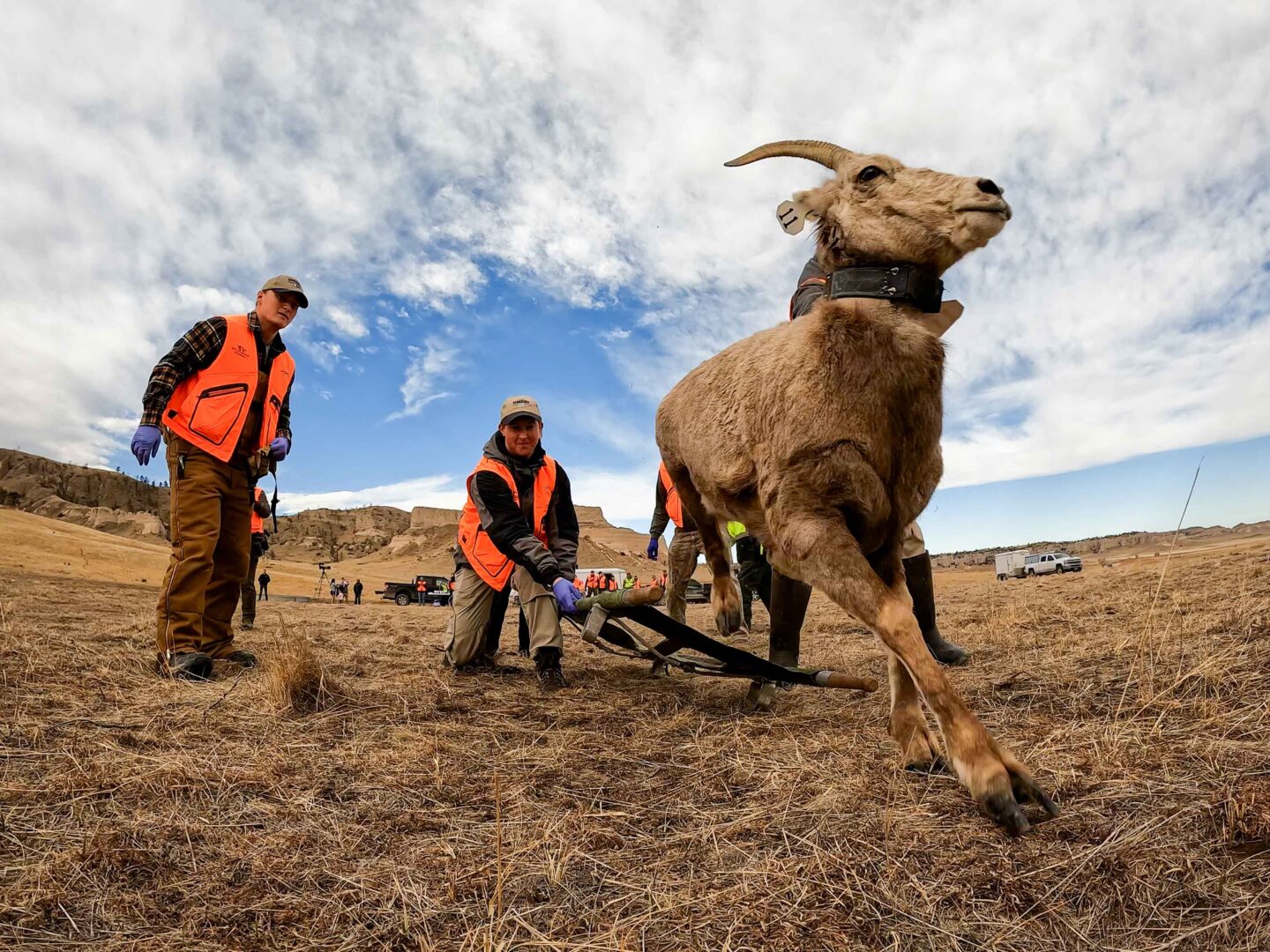
It told about the bighorn sheep brought from South Dakota’s Custer State Park to be placed in a 500-acre enclosure at Fort Robinson State Park in 1981, and when that growing herd was released from the pen in December 1988. Nebraskaland photographers accompanied wildlife division staff when they obtained sheep for ensuing releases from Colorado, Montana and Alberta, Canada.
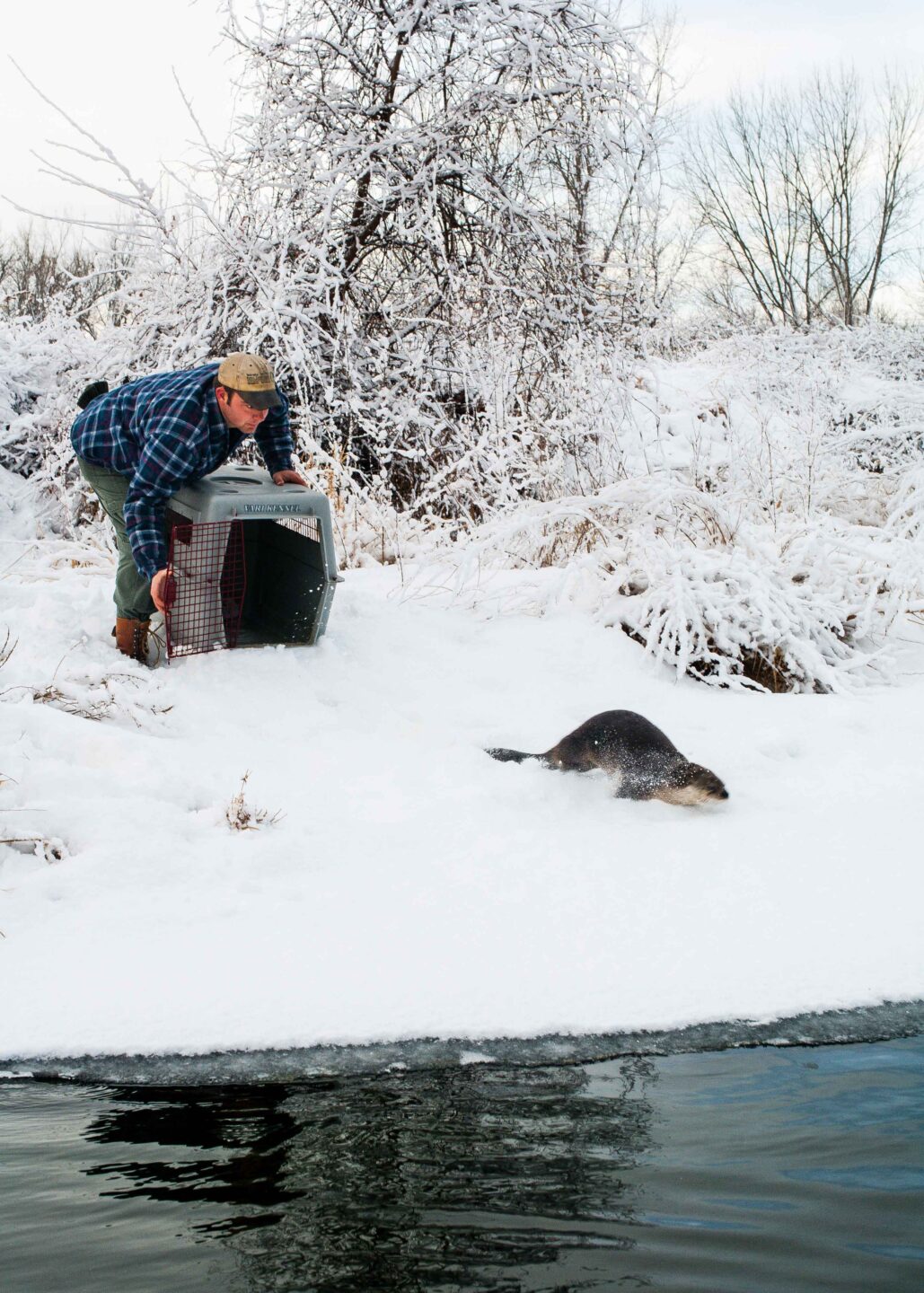
The magazine also told about releases of river otters on the Platte, Niobrara and Elkhorn rivers between 1986 and 1991, and the species’ recovery and removal from the threatened list in 2020.
Just as state wildlife action plans such as the Nebraska Natural Legacy Project have brought a focus to a wide array of animal species in need of conservation, the pages of Nebraskaland have reflected a more holistic approach to conservation by the agency. You’d be hard-pressed to find a wildlife species that hasn’t graced the cover of Outdoor Nebraska or Nebraskaland or at least mentioned within its pages.
In the magazine’s time, Canada geese have risen from near extinction to being considered a nuisance in areas. The coverage of that species included reintroduction of geese to the Sandhills after being raised in pens at Sacramento-Wilcox Wildlife Management Area. The publication also helped spread the word about the harmful effects of the pesticide DDT, and documented the return of bald eagles and ospreys after it was banned. Even trumpeter swans have become a common sight in places.
Magazine.
As the agency’s conservation officers and wildlife professionals have led the charge in preserving and bringing back populations of living animals and plants, the magazine has been there to document progress and deliver the conservation messages that aided in the success. May the coming century bring as many triumphs to report.
As the scope of research efforts for the state’s fauna and flora has increased, Nebraskaland has delivered findings to the people. Often, biologists have penned the articles.
There are still many challenges on the conservation front. Among them are disease, predation and, of course, habitat loss from, as O’Connell put it, the “ever-grasping hand of commerce.”
However, if the first readers of Outdoor Nebraska could have jumped ahead 100 years, they surely would marvel at the wildlife populations of today. O’Connell would be glad to see there are still prairie chickens around to state their case.
As the agency’s conservation officers and wildlife professionals have led the charge in preserving and bringing back populations of living animals and plants, the magazine has been there to document progress and deliver the conservation messages that aided in the success. May the coming century bring as many triumphs to report.