Story and photos by Eric Fowler
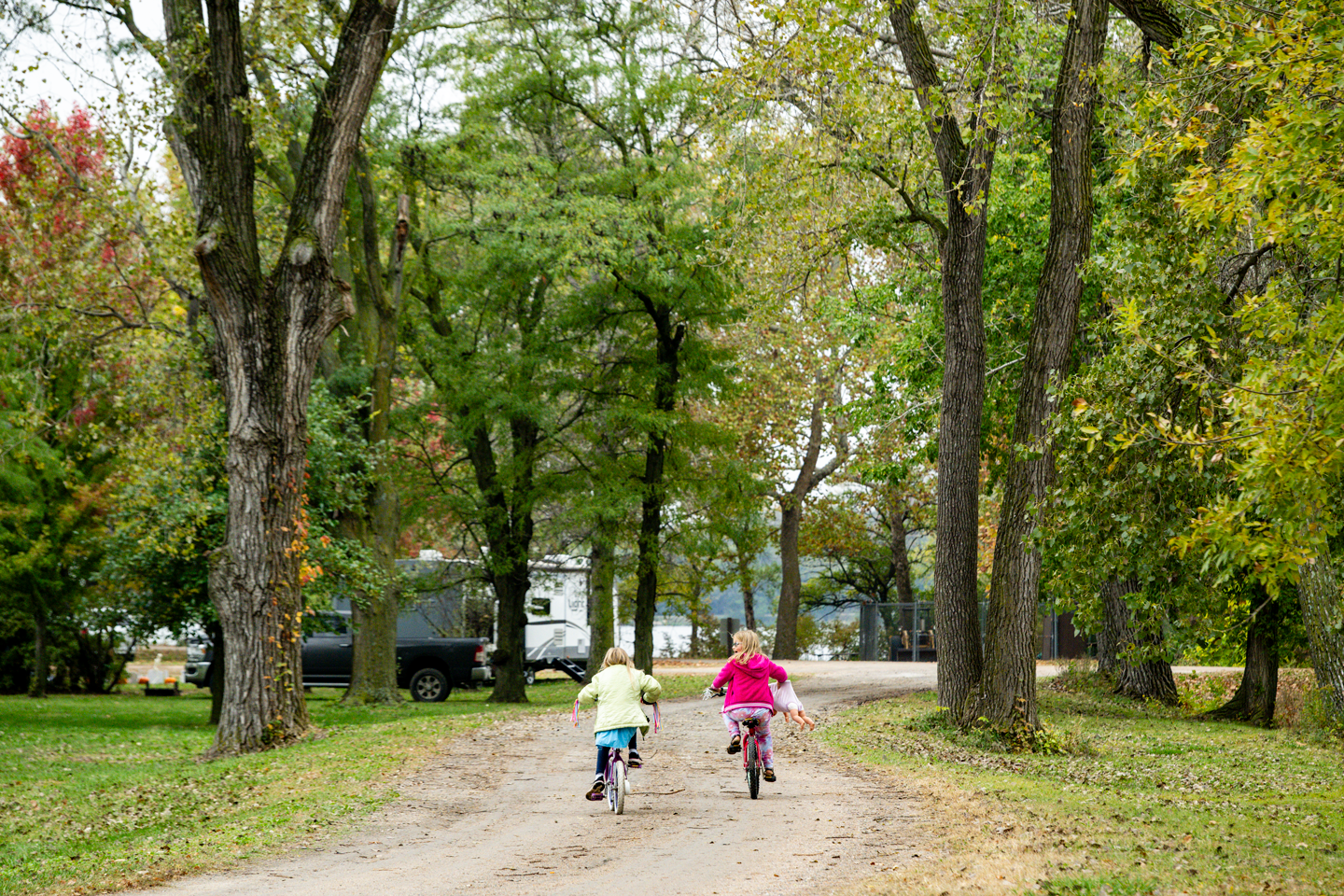
Talk to the people who go to Alexandria State Recreation Area, and they will tell you how great it is. And why: because no one’s there.
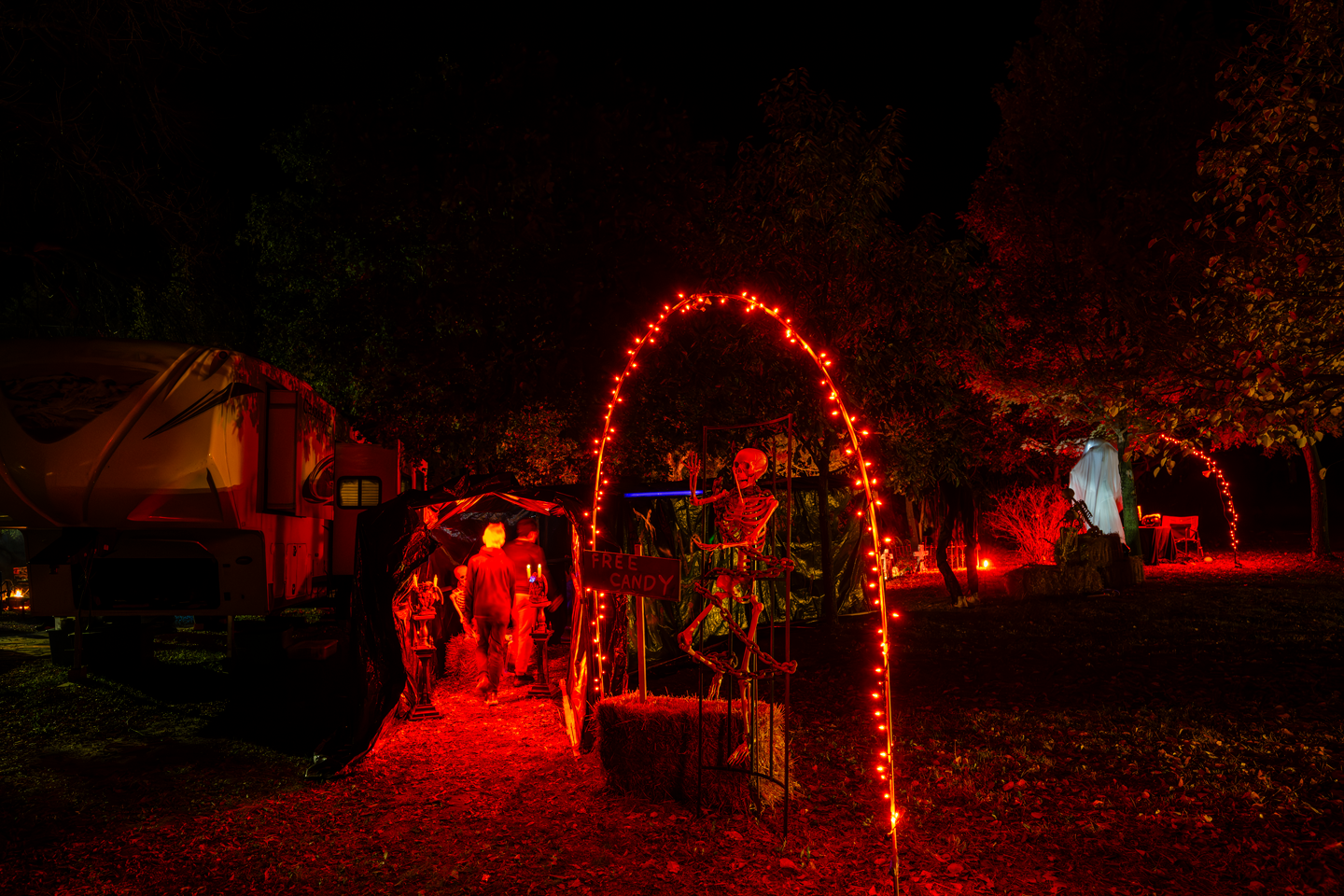
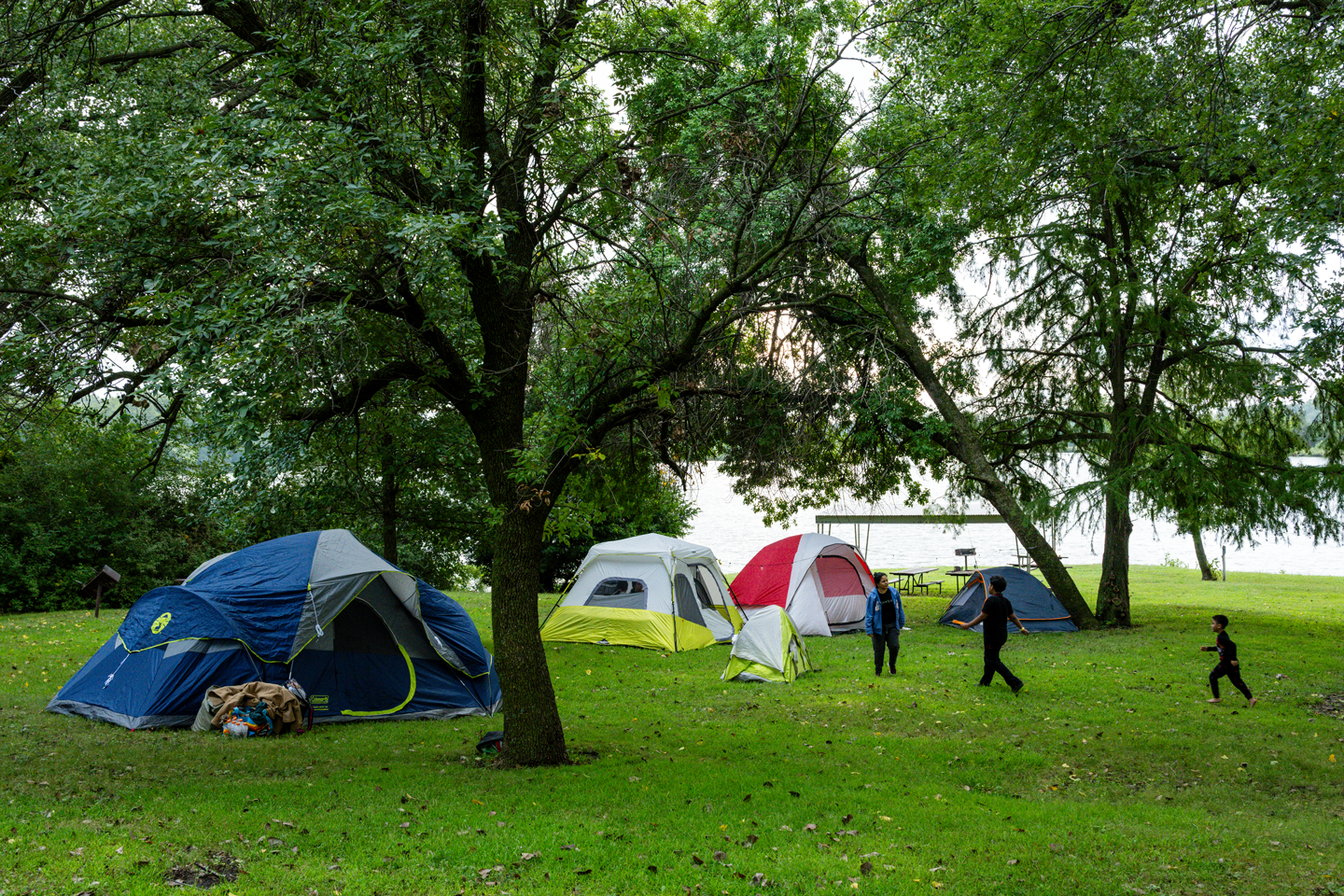
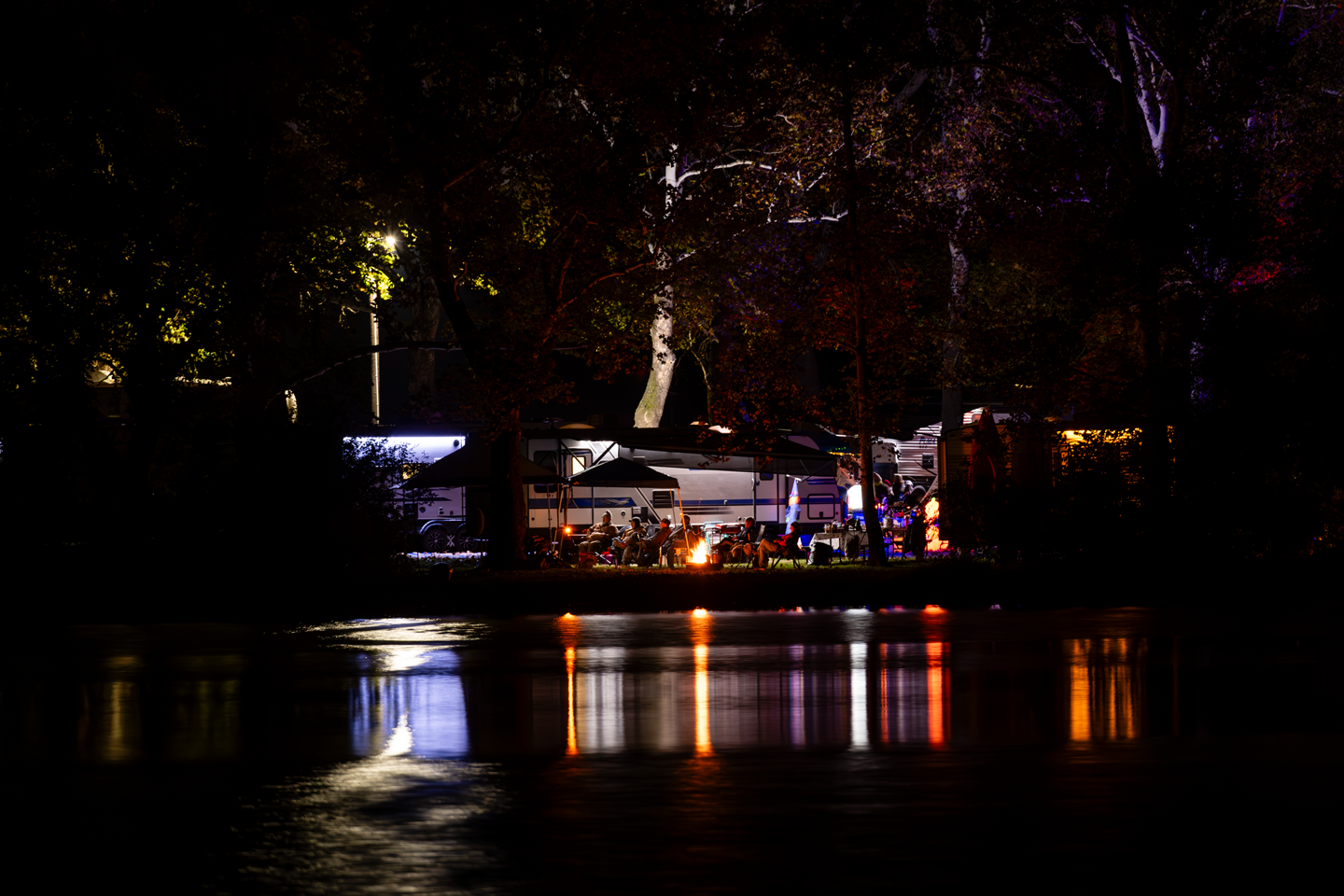
Indeed, the campgrounds at the quiet, secluded getaway northwest of Fairbury are rarely full. About the only time they are is during the annual Camp Spook Halloween celebration in October. The rest of the year, even on holiday weekends, you can almost have your pick of the 53 sites in the park’s two campgrounds.
The main draw at the park, affectionately known to locals as the Alexandria State Lakes, is the two spring-fed lakes. The lakes didn’t exist when the Game, Forestation and Parks Commission purchased the 40 acres in 1930; there was only a spring-fed marsh with a muck bottom known to grab ahold of the feet of duck hunters and wayward cattle and not let go.
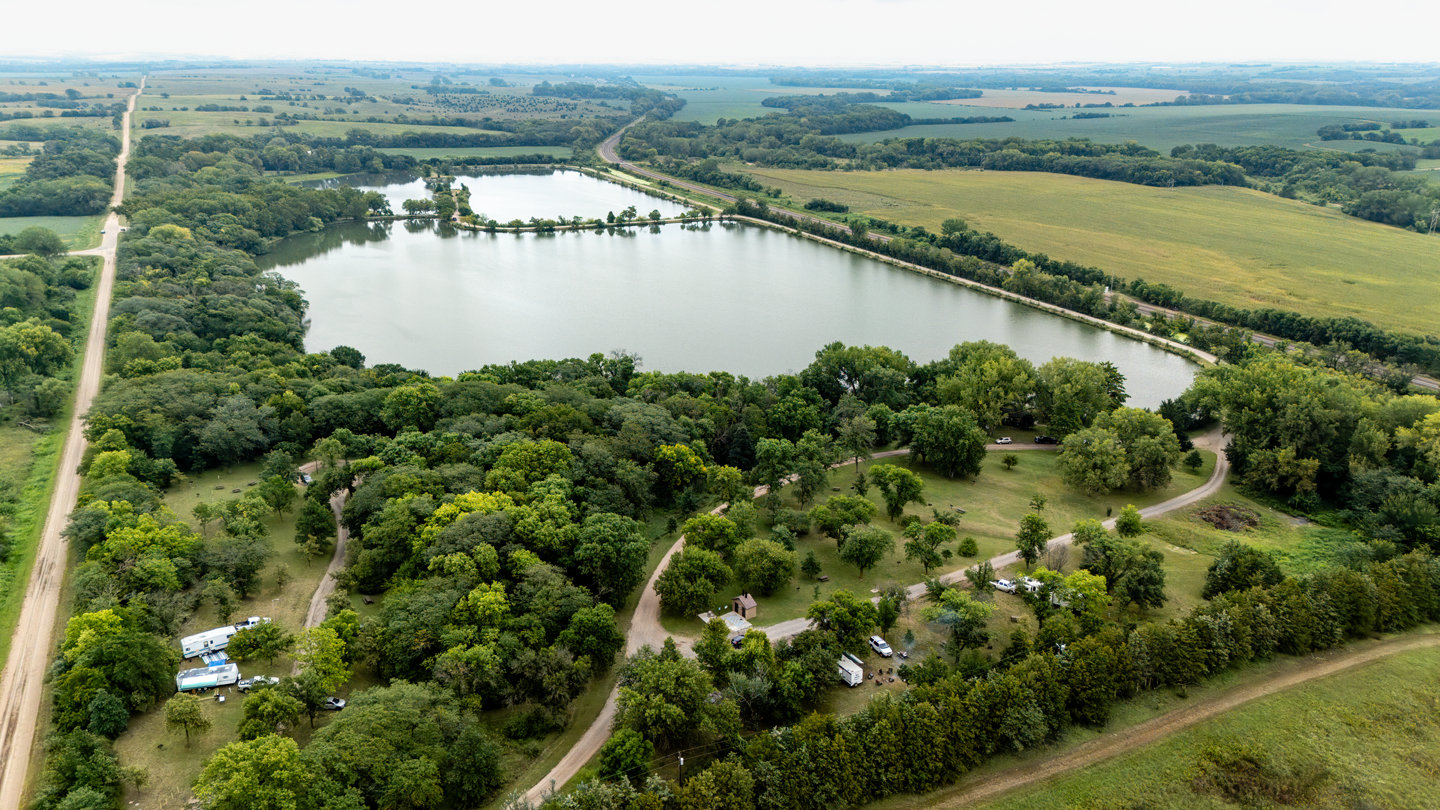
Dikes were built to capture and hold the spring water and create three terraced lakes. It appears, however, that the Commission decided the north lake, likely shallow and better at raising mosquitoes than fish, had to go. In what may have been the first aquatic habitat project in the state, the lakes were drained in 1942, one dike removed and others raised, and the two remaining lakes deepened and restocked with fish.
The Commission purchased another 55 acres on the west side of the park in 1949 and built a third lake, the largest, increasing the amount of water on the area to 43 acres. In 1996, a portion of the dike separating the two east lakes was removed as part of another aquatic habitat project, and the park once again had just two lakes.
When the park opened in 1933, it was one of 26 that had been established in the state by the Commission and its predecessors. Hungry for places to recreate, the park was a hub of activities, including church picnics, family reunions and an annual fireworks show on Independence Day.
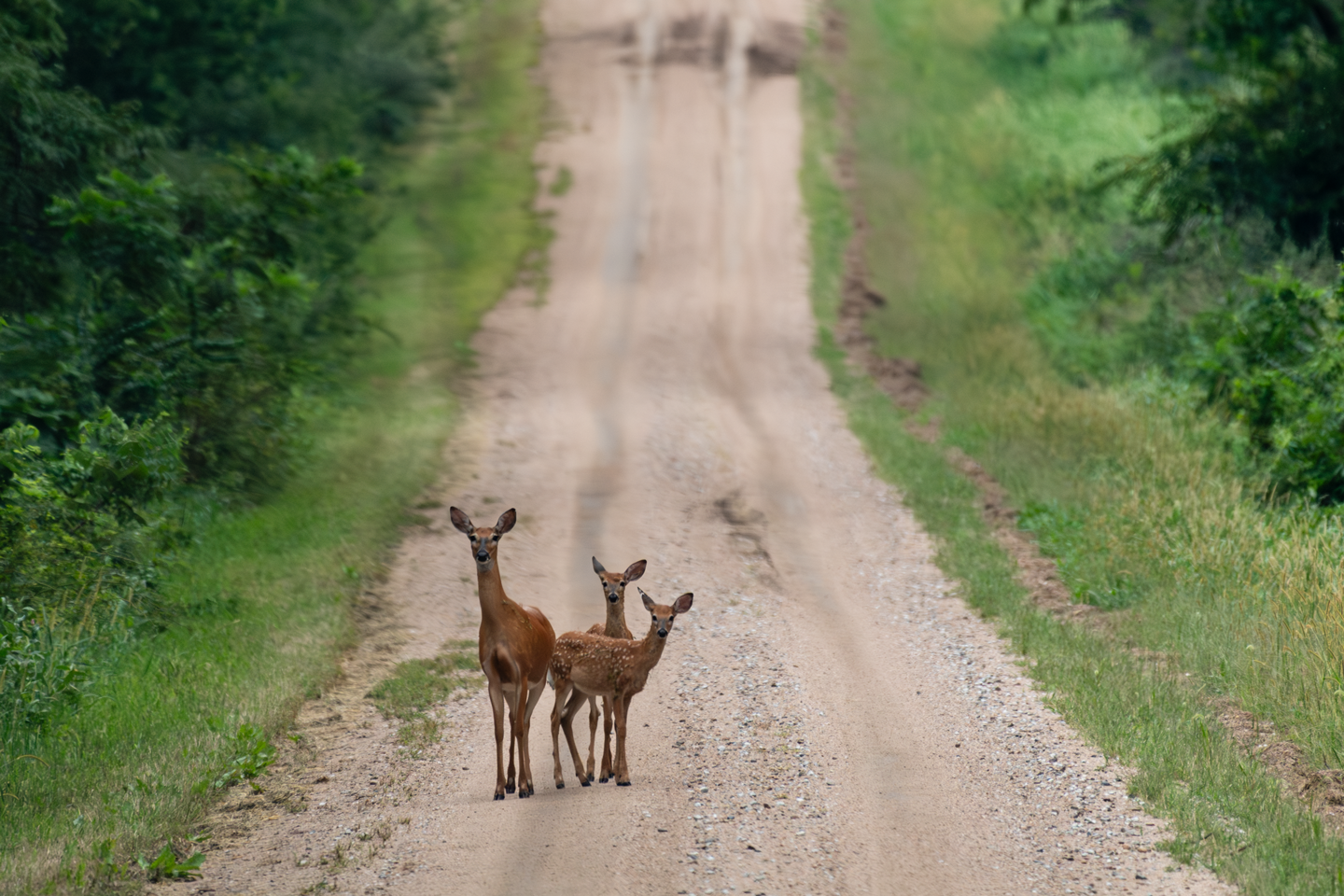
Alexandria and Alexandria West wildlife management areas, featuring native tallgrass prairie, oak woodlands and nearly 2 miles of Big Sandy Creek, cover more than 1,200 acres to the north and west of the park. The areas are popular among deer, small game and quail hunters, as well as birdwatchers and nature lovers.
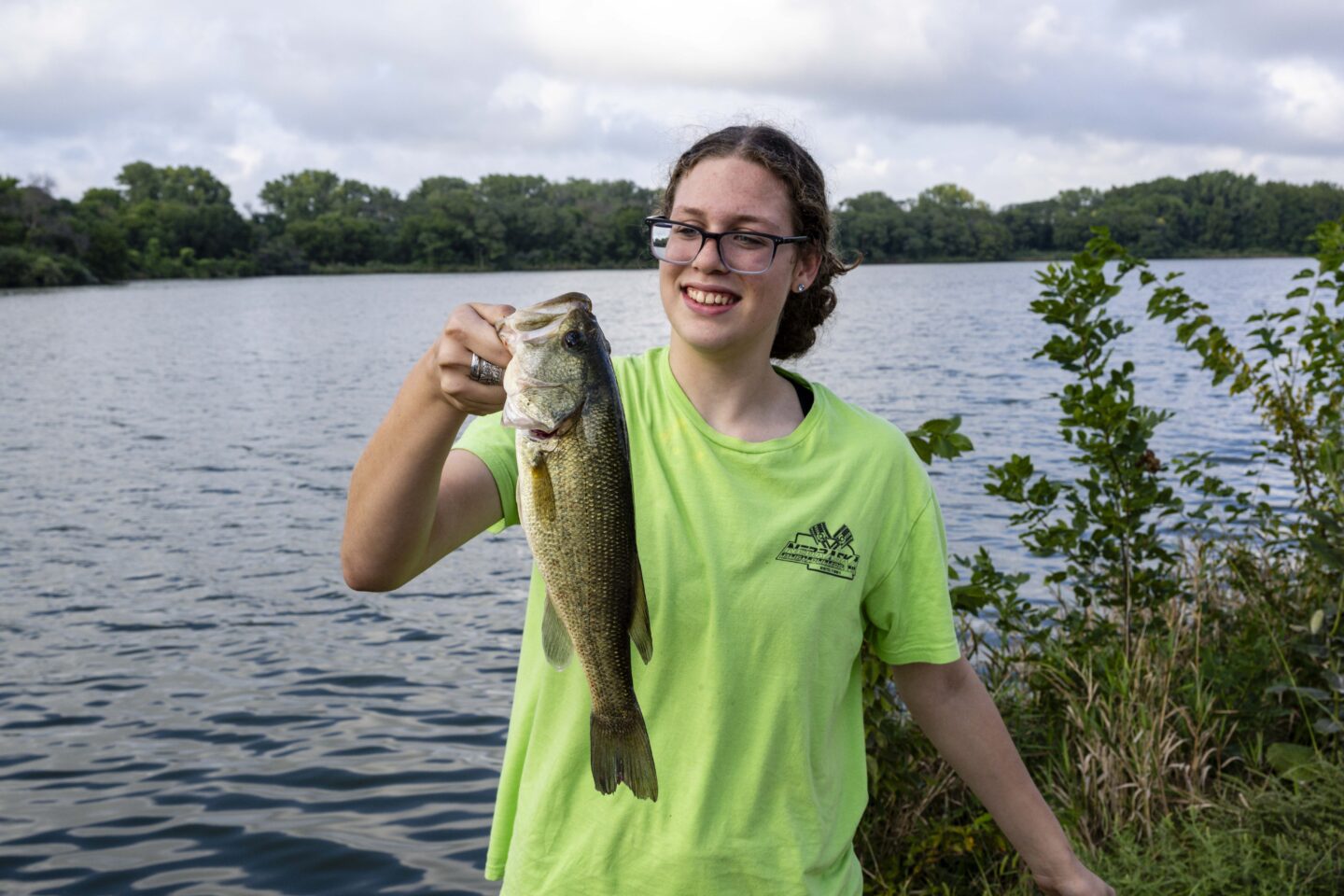
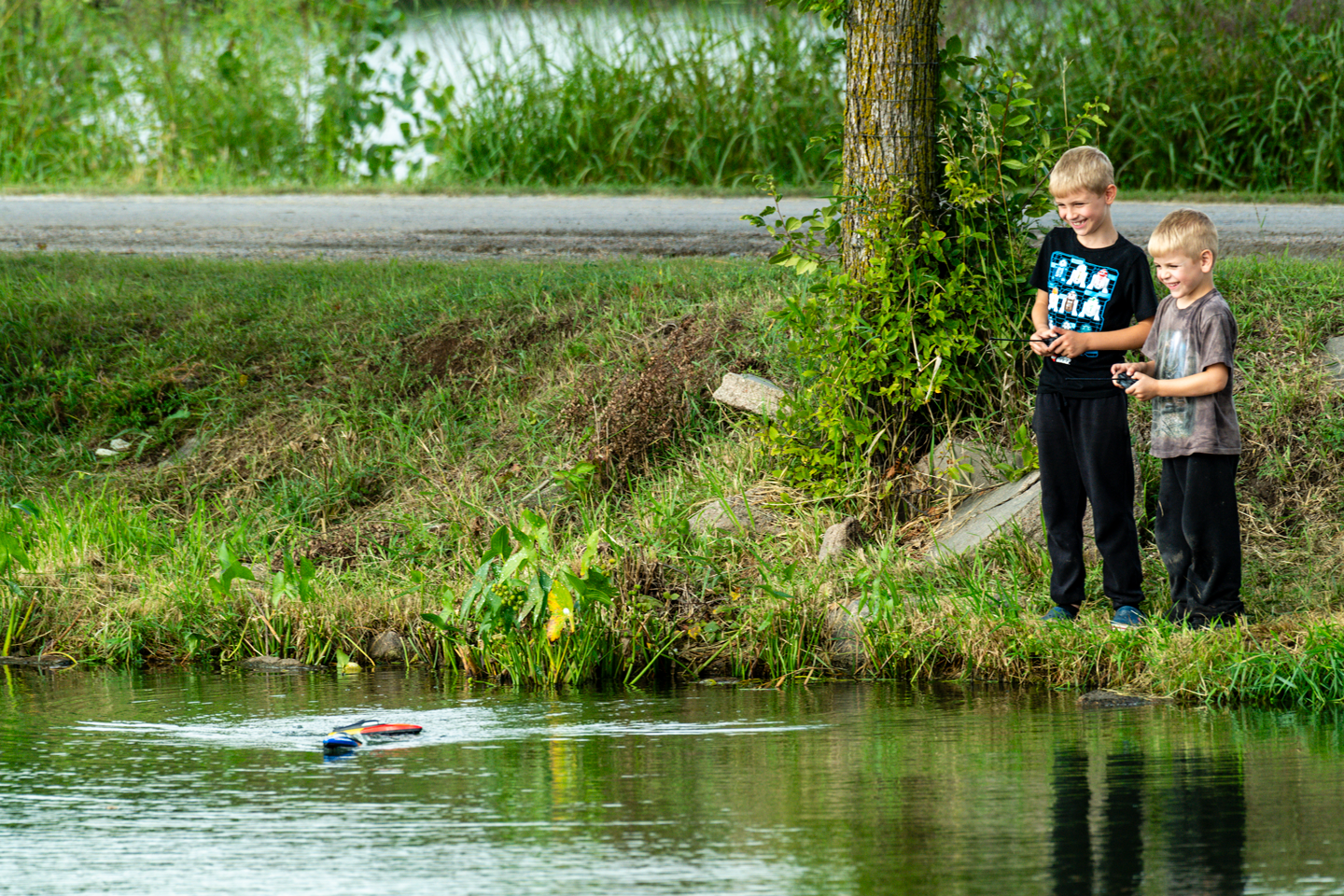
The lakes aren’t what they used to be, which might be why the park is so quiet these days. The aging outlet structures are leaking, which has left the lakes a few feet lower than they should be, and common carp have muddied the waters. Yet the area still has a quality channel catfish population, as well as some largemouth bass and other panfish, that keep anglers busy. And the lakes remain a great place to paddle a canoe or kayak. Game and Parks hopes to find funding to fix the outlets, but the repairs will carry a hefty price tag.
While some regulars wish more people would visit the hidden gem, others are happy that few people know about the park — part of the reason it is so quiet. Whether more visitors come or not, the park will likely remain a peaceful retreat, and a great place to park a camper or pitch a tent, sit around the campfire and look up at the stars.