
By Monica Macoubrie, Wildlife Education Specialist
If you’ve ever taken a kid outside and heard “it’s too hot,” “there’s a bug on me” or “can we go back inside?” … you’re not alone. In Nebraska, we have so much open space to explore, but that doesn’t automatically mean kids, or even adults, feel comfortable in it. That comfort must be built slowly and intentionally.
The outdoors isn’t something to avoid — it’s something to be a part of. However, nature confidence doesn’t start with a perfect hike or some magical, screen-free moment. It usually starts small, and it’s usually a little messy.
Something small could be a stick in the backyard, prompting a closer look or play. Or a walk that took twice as long because you found something interesting to look at every 10 feet.
Let Them Be New at It
A lot of kids aren’t used to being outside for long stretches of time, and that’s OK. The first few times you go out, don’t expect much. Go somewhere easily accessible, like a local park, where the trails are simple and there’s plenty to see without having to “work” for it. And then, let kids lead.
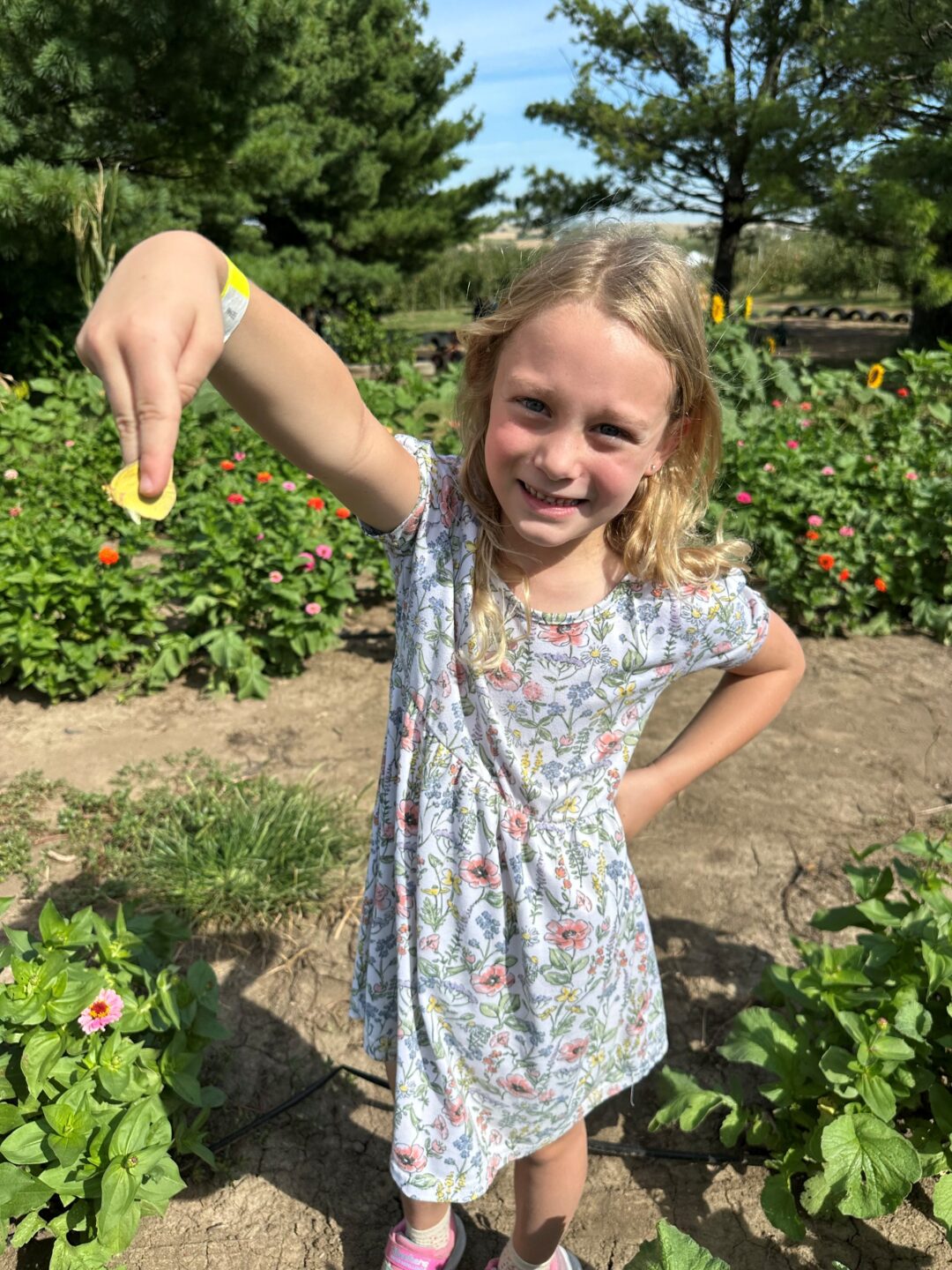
If a child wants to crouch down and study a beetle for 15 minutes, that’s not wasted time—that is the activity. That’s how confidence begins: Feeling safe to be curious instead of rushed.
I remember one hike with my daughter when she was still in a stroller. We planned to reach the top of a beautiful trail for the view, but we spent nearly two hours covering about 1,000 feet — and eventually had to turn back. Still, she talks about that hike all the time, because she got to look at the leaves, climb a tree and search for snails. Those moments built her confidence, even though it was frustrating for me at the time to adjust our plans. In the end, it was completely worth it.
The Truth About Bugs, Mud and Wind
Nebraska is not always gentle. It’s windy, it’s buggy, and there are mosquitoes — sometimes all at once. If you wait for the perfect day to go outside, you never will.
It’s tempting to try to make everything comfortable so kids don’t complain, but that usually backfires. Instead, be real about it.
“Yeah, it’s windy today. That’s kind of what the prairie does.” Or say, “The mosquitoes are annoying, but we can handle it.”
That honesty sets a different tone — it shows kids that a little discomfort isn’t something to avoid. It’s just part of the experience.
And when kids start to see that discomfort isn’t a dealbreaker, something shifts. They begin to realize they can handle more than they thought, and that not everything has to be perfect to be enjoyable. A visit near the Platte River to see the crane migration is a perfect example: It’s chilly, a little muddy, maybe not the most comfortable, but still unforgettable.
Those are often the moments that stick the most.
Teach Them to Feel Capable
You don’t need to turn every outing into a lesson, but a little knowledge goes a long way. Show them what poison ivy looks like. Point out animal tracks. Talk about why certain animals and plants are found and grow where they do.
Places like Nebraska state parks or local nature areas make this easy because there’s already so much to notice. The goal isn’t to make them experts, it’s to help them feel like they understand what’s around them. That’s what replaces fear with confidence.
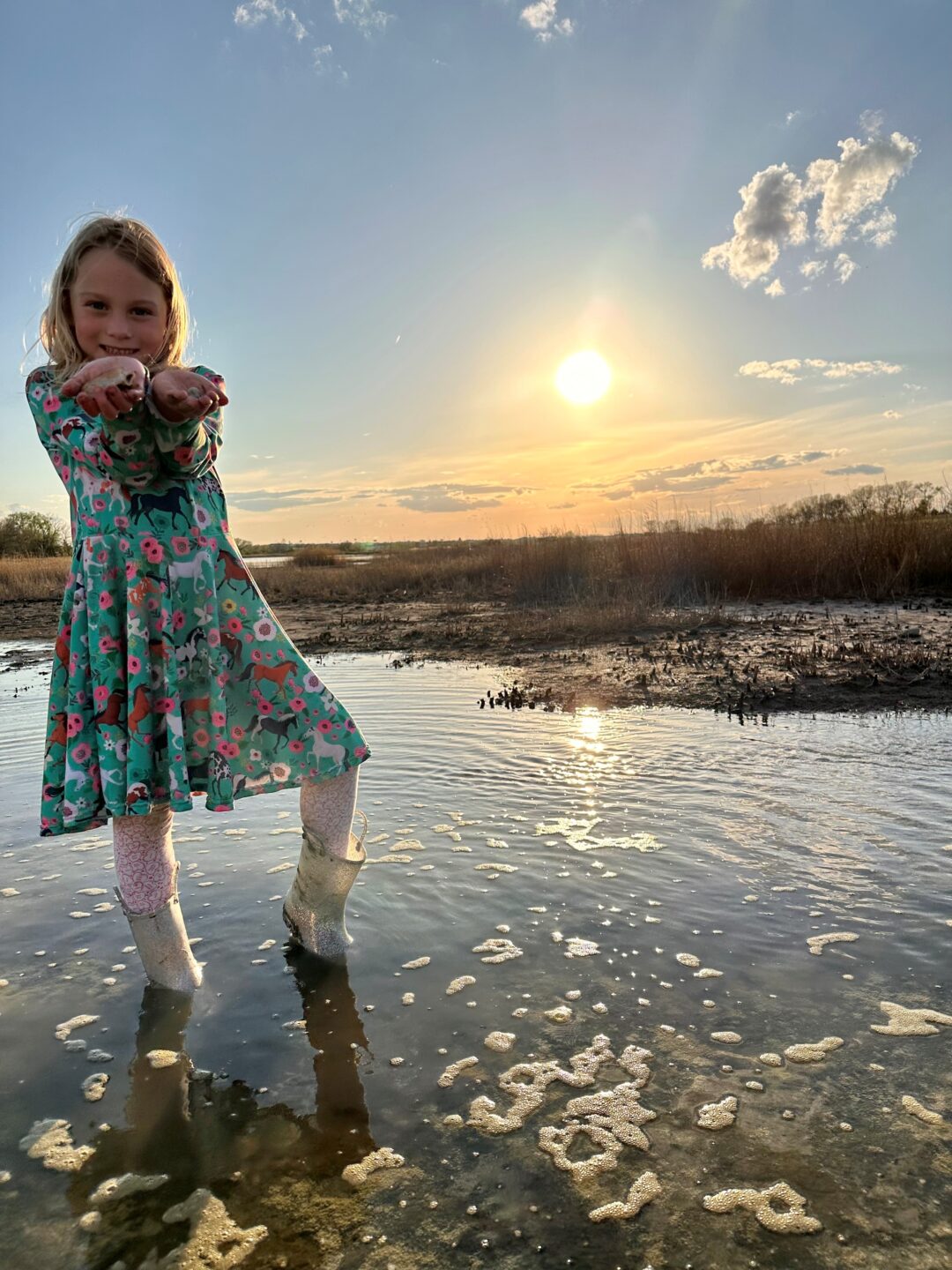
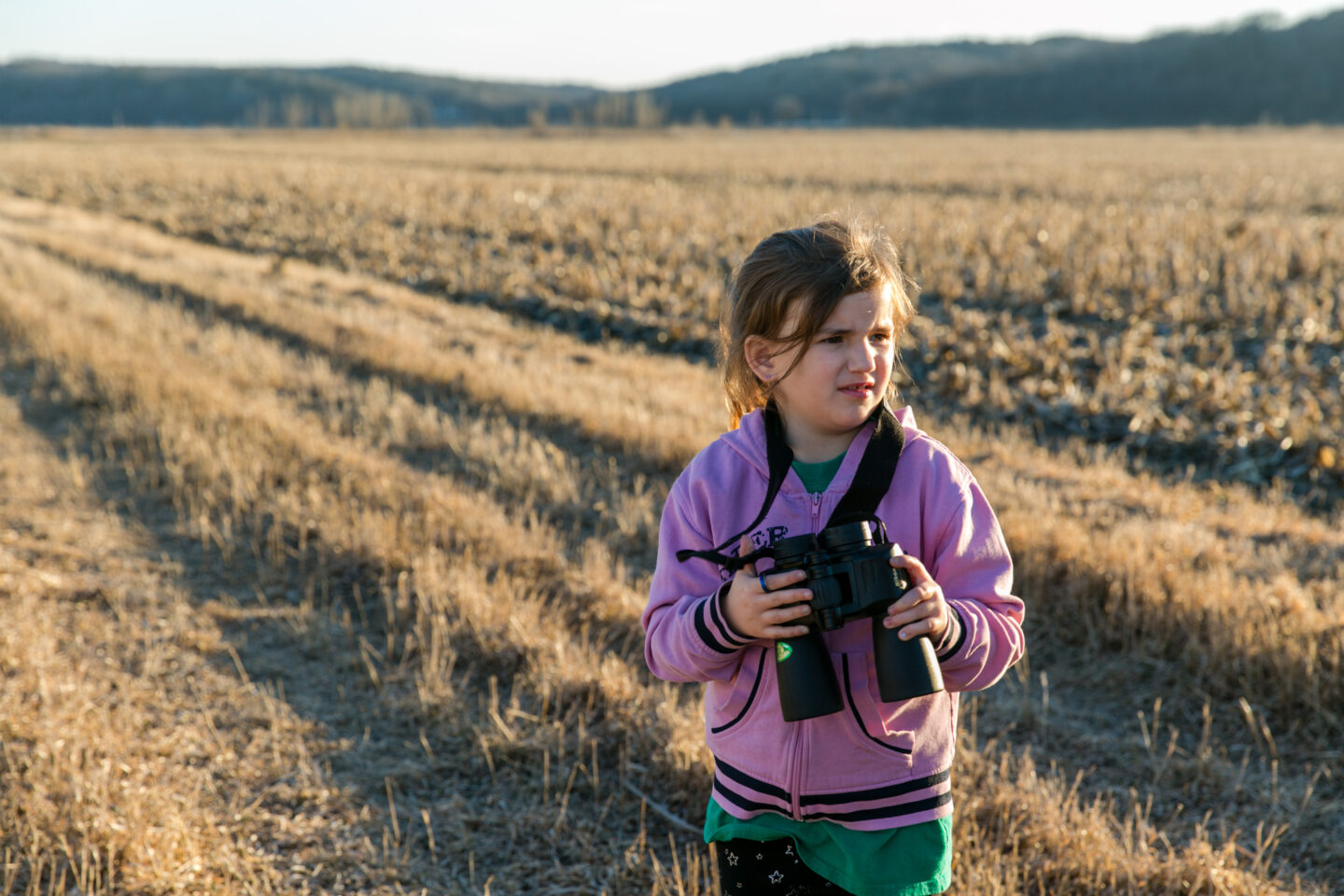
My daughter has been going outside with me since the first week she was born, and seven years later, I can see how nature confident she’s become. She picks up snakes on trails, avoids plants she doesn’t know, and understands her limits when climbing trees. She still looks to me for advice on some things, but at this point, I’m more of a guide than a protector. Watching her explore, problem-solve and take careful risks on her own is one of the most rewarding parts of being a parent—and it all started with simply stepping outside together.
Give Them Freedom (Even If It Makes You Nervous)
It’s hard not to hover, especially when you know all the things that could go wrong. But confidence doesn’t come from everything going perfectly. It comes from trying, adjusting and realizing, “I can handle this.”
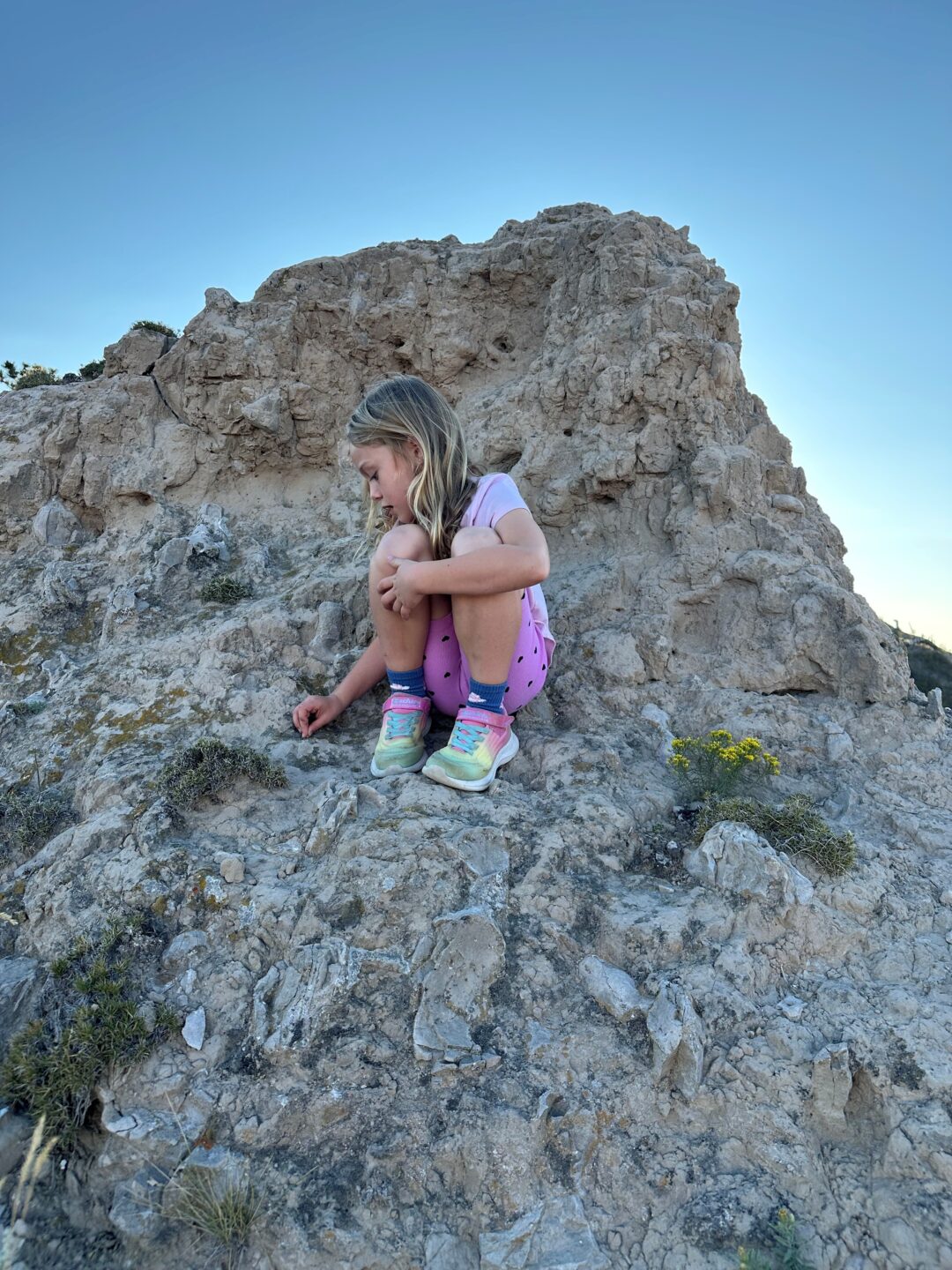
Let them climb the slightly-too-high rock, even if it takes a few tries to find the right foothold. Let them figure out how to cross a shallow stream, testing which rocks are steady and which ones wobble. Let them wander a little ahead on the trail (within reason), so they can feel what it’s like to lead instead of follow.
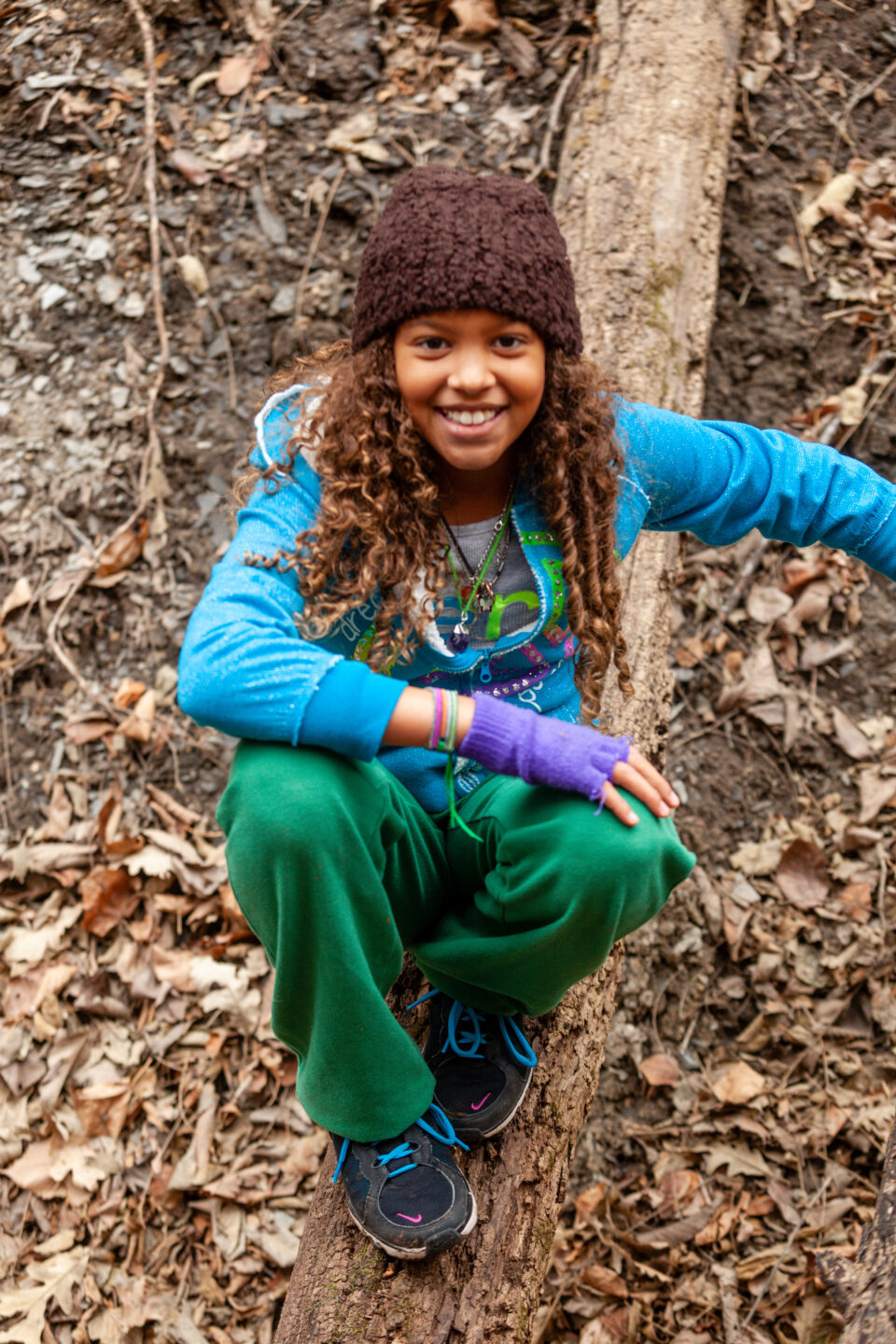
Those small moments of independence matter. They’re where problem-solving starts to click. Where balance improves. Where decision-making begins to feel natural instead of scary. And yes, sometimes it means scraped knees, wet socks or taking longer than you planned. But it also means raising kids who trust themselves — who aren’t afraid to explore, try again and keep going, even when something feels just a little bit hard.
You Don’t Have to Have All the Answers
One of the best things you can do is admit when you don’t know something.
“What kind of bird is that?” “I’m not sure, what do you notice about it?”
That back and forth builds more curiosity than having a perfect answer. It shows kids that not knowing isn’t a dead end — it’s a starting point. And it gives them permission to wonder out loud, make guesses and even be wrong without feeling shut down.
It also changes your role. You’re no longer the one leading with all the answers. Instead, you’re exploring together. And that shared discovery is often what is most memorable and meaningful for both of you.
Make the Outdoors a Part of Your Life, Not a Big Event
The biggest shift happens when being outside isn’t a big “special trip.” It’s just something you do. A quick walk after dinner. Ten minutes in the yard. A weekend stop somewhere familiar.
In Nebraska, the landscape changes constantly. Go to the same spot in spring, summer, fall and winter, and it will be completely different every time. Kids start to notice those changes, and that’s when they really begin to connect.
Why This Is All Worth It
When kids feel comfortable outside, everything changes. They’re more willing to explore, they become more observant and just more confident in general. And maybe most importantly, they start to care about the animals, the land, the seasons … everything that makes Nebraska what it is.
You’re not just raising kids who can handle the outdoors. You’re raising kids who feel like they belong in it.