

By Monica Macoubrie, Wildlife Education Specialist
In nature, nothing is truly random. Not even poop — or, more scientifically, scat. While humans often see animal droppings as a nuisance or a mess, wildlife use scat as an important communication tool. It can reveal an animal’s identity, health, territory and even social status.
Each pile, pellet or plop tells a story about what an animal has been eating, who has been in the area, how healthy they are and which spaces they claim. Paying attention to where animals choose to poop can uncover complex behaviors and ecological strategies that often go unnoticed by the casual onlooker.
Foxes – Masters of the Trail-Top Poop
Foxes are some of the most deliberate poopers in the animal world. They often leave their scat in the middle of a trail, on top of a rock or stump, or even on a raised mound.
While humans might call that “lazy,” it’s the opposite — it’s communication.
Foxes use scat to mark their territory and send messages to other foxes (and predators). By placing it in a highly visible spot, scat is more noticeable and its scent travels farther. The message is clear: “I live here. This space is mine.”
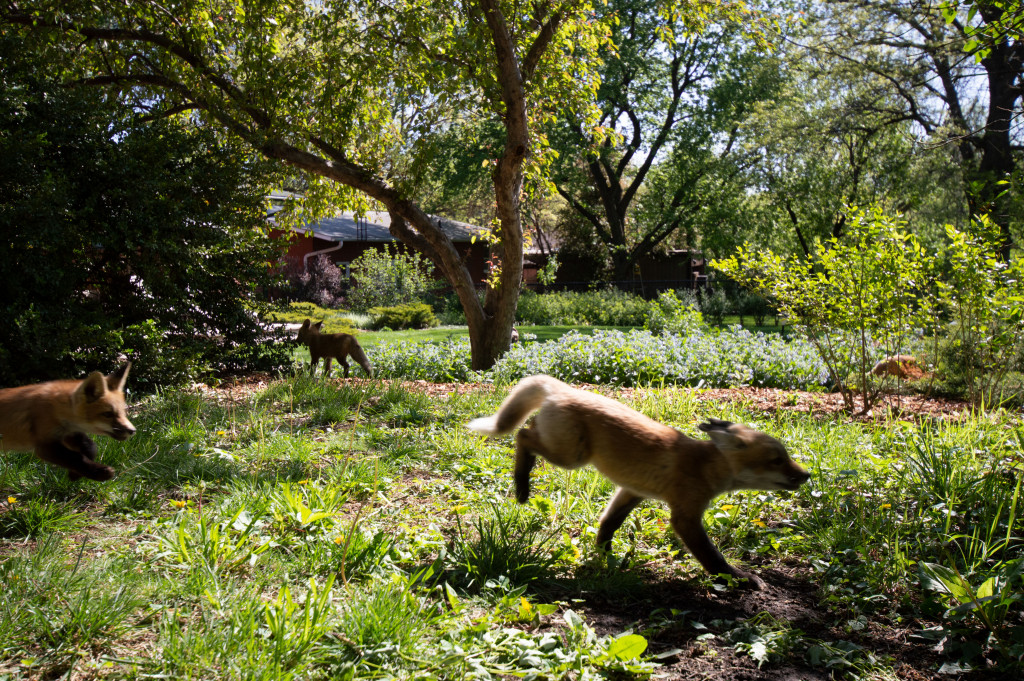
Near my home in Lincoln, we have a few foxes that occasionally trot up to our fence, curious about their domestic “neighbors.” And where there are foxes, there is fox poop. I used to think those strategically placed piles were a personal critique of our backyard habitat or some sort of foxy grudge. Turns out, I shouldn’t take it so personally. It wasn’t a vendetta — it was just a general announcement. This behavior is deeply instinctual for foxes, especially in urban areas where territories often overlap. With so many foxes in smaller spaces, it needs to be clear who runs which area.
Deer – Invisible Poop With a Purpose
Unlike carnivores, deer are less interested in sending messages and far more focused on staying hidden. Their pellet-like scat is usually dropped in loose clusters across bedding areas, feeding grounds or along forest edges — much less conspicuous than their foxy neighbors. As a prey species, deer rely on remaining undetected, so they don’t advertise their presence by leaving poop in highly visible areas.
Even if you don’t always notice it, deer scat still tells a story. The number of pellets and how widely clusters are spread can give clues about herd size, diet and seasonal movements. Adult deer are also remarkably regular. White-tailed deer typically empty their bowels 10–15 times per day during fall and winter, with that number jumping to roughly 20–30 times per day in spring and summer. Holy scat!
During winter, when deer are conserving energy and eating a lower-quality diet, pellet piles tend to be smaller and more frequent, an adaptation to the changing seasons.

Raccoons – The Communal Poop Pile
As an adult — and especially one with a child — my least favorite invention in the world is the porta-potty. I can hardly describe the sheer horror and panic that hits me when nature calls and my only option is a communal hole, containing the – well, let’s say “diverse deposits” of countless humans. And if you think that’s bad, try holding a young child over that same hole to make sure they don’t fall in. Delightful.
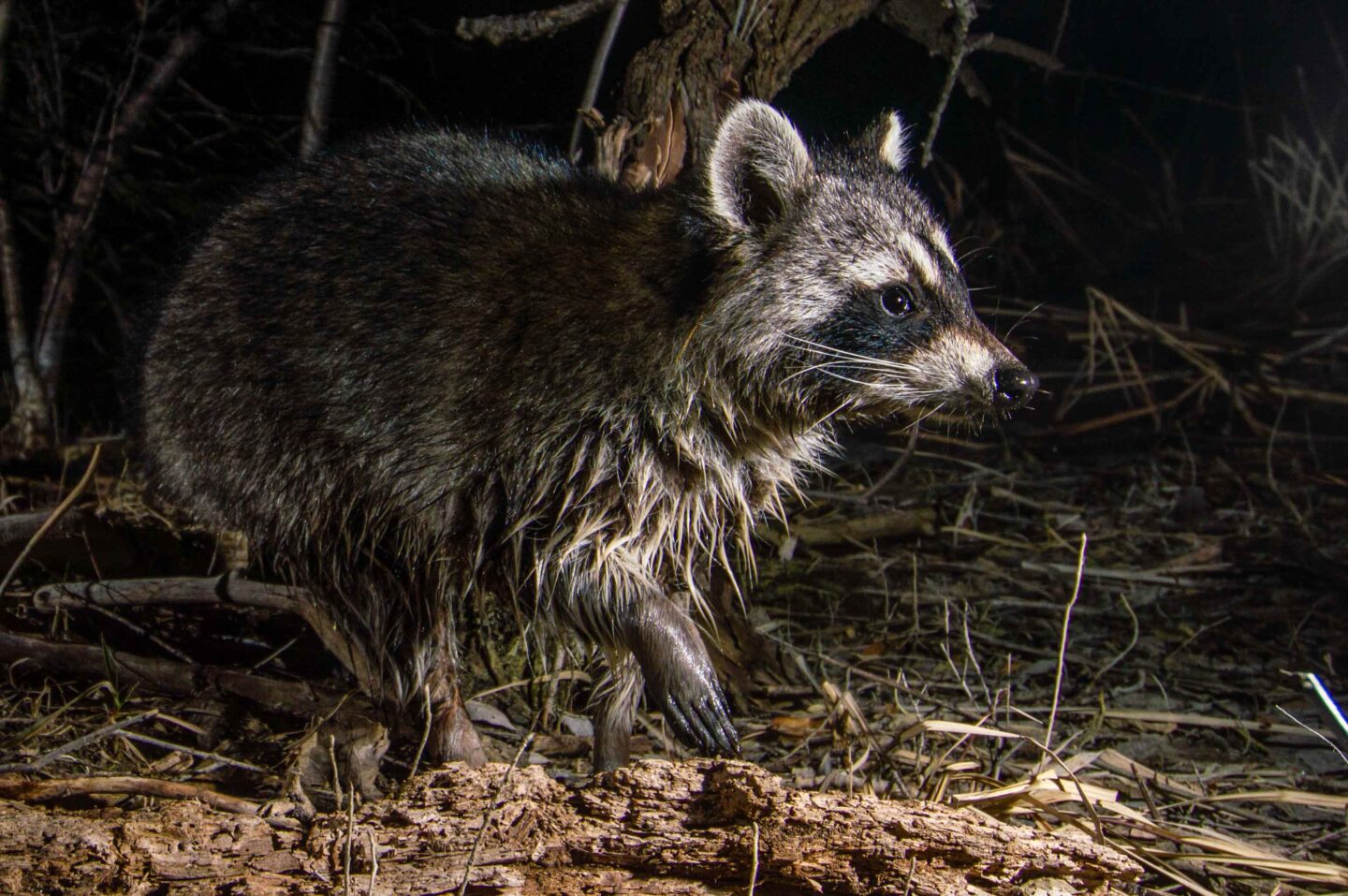
But speaking of communal holes, raccoons have their own version and it’s surprisingly much more organized than any porta-potty. Rather than leaving their droppings just anywhere, raccoons create latrines — shared poop sites used by multiple individuals over time. These latrines are typically found on flat surfaces, such as logs, rooftops, tree bases, and even decks, attics or garages.
So, why bother? These communal toilets serve as information hubs. Raccoon scat carries hormones and individual scents that communicate important details to others in the area. This behavior might seem quirky, but communal latrines have existed for a long time — at least since the Triassic period, 50–250 million years ago. Latrines help raccoons share crucial information about territory, food sources and reproductive status.
While fascinating for raccoons, these areas can pose hazards to humans and pets. Raccoons are the primary hosts of Baylisascaris procyonis, a roundworm that can be harmful if ingested. The eggs are passed in raccoon feces, so keep children, dogs and yourself away from these “communal info centers.”
Birds – Purposeful Poops
It’s often hard to imagine that birds poop with purpose. Most of the time, it just seems random — and sometimes cruel or funny — especially when bird droppings land in particularly inconvenient places for humans.
But first, a quick side note: What is bird poop? Unlike most animals, which have separate exits for urine and feces, birds eliminate both waste products through the cloaca. They excrete uric acid or guanine, which reduces water loss. Uric acid forms the sticky, white paste many of us have struggled to clean off windows.
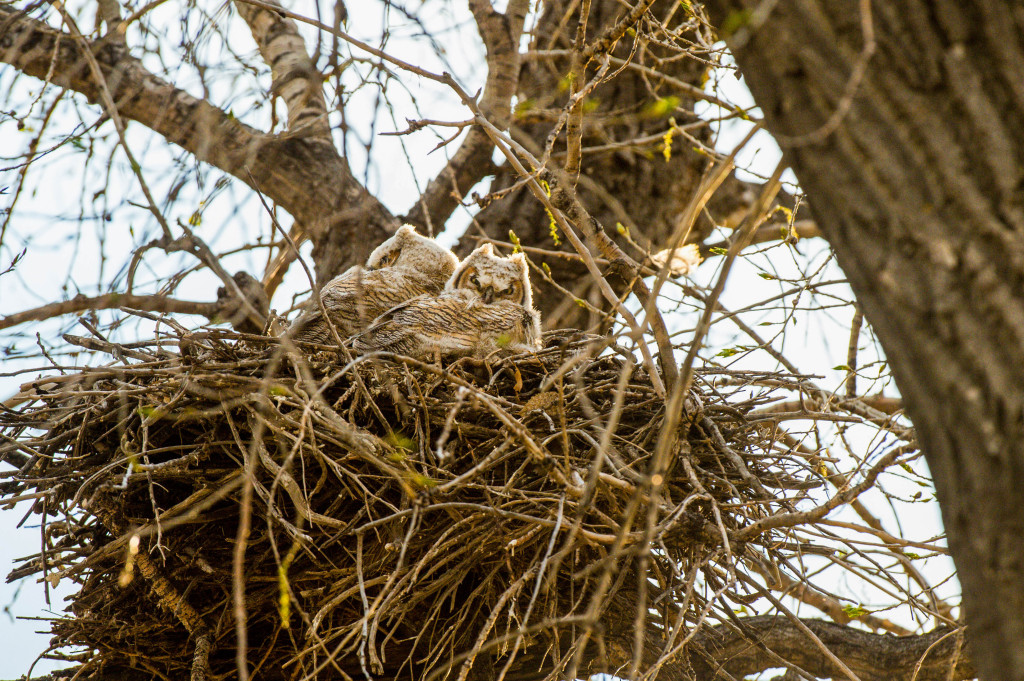
However, what may look like chaotic splatter from the sky is often intentional. For example, raptors, such as hawks, eagles and owls, will frequently “whitewash” the edges of their nests, keeping the interior clean by shooting feces outward. This whitewashed border also acts as a warning sign to other animals, signaling territory, boundaries and even reproductive status.
Surprisingly, bird nests are often quite clean — though this varies by species. Swallows, for instance, have messy nests. Many baby birds produce their waste in “fecal sacs,” which parents carry away or even eat. Older chicks learn to back up to the edge of the nest and deposit droppings over the side, preventing buildup and keeping their home tidy.
Whether you’re a fox confidently leaving your calling card in the middle of a bike trail, or a deer quietly dropping pellets in the bushes, every pile has a purpose. Scat reveals just how intentional wildlife behavior really is. The next time you come across scat outdoors, don’t just wrinkle your nose — unless it’s a porta-potty. Pause for a moment and read the story it’s telling.