Daryl Bauer, Fisheries Outreach Program Manager
There is not an angler alive that does not dream of catching big fish, big specimens of whatever species. Have been around a few of those anglers who have accomplished that and then went through the steps of certifying those fish as potential state records (rules are in every copy of the Fishing Guide).
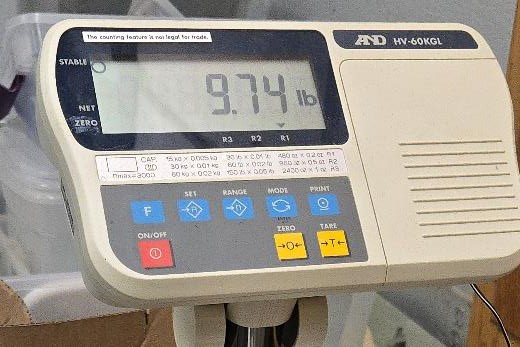
Cannot count the number of times I have heard anglers lament that a fish surely lost weight between the time it was caught and the time it was officially weighed? Is that true? Where did the weight go?
Obviously, a fish that pukes up its last meal, expresses eggs, or is bleeding is going to lose some weight. Seldom is that the case, so where would the lost weight go? Evaporate into thin air?
Exactly.
Actually, that is the truth. If the fish is kept wet, even if it dies, it is not going to lose weight. In fact, it might actually gain weight!
It’s science.

It all has to do with fish physiology and osmoregulation. The salt content of freshwater fish is higher than the salt content of the water where they live. That means that simply by osmosis, water from the environment is absorbed into the flesh of freshwater fish. No, freshwater fish do not drink water. They do not have to because they are absorbing water all the time. As a result, freshwater fish produce large quantities of dilute urine. Ever had a bluegill pee on you?
When a freshwater fish perishes, it quits voiding excess water. As a result, if they are kept in water, at least kept wet, when those fish die, they will actually gain a little weight.
Sure, dry out a dead fish and it will lose weight. However, keep that fish wet and preferably cool, and you can be sure it will not lose weight and may actually gain a little bit.
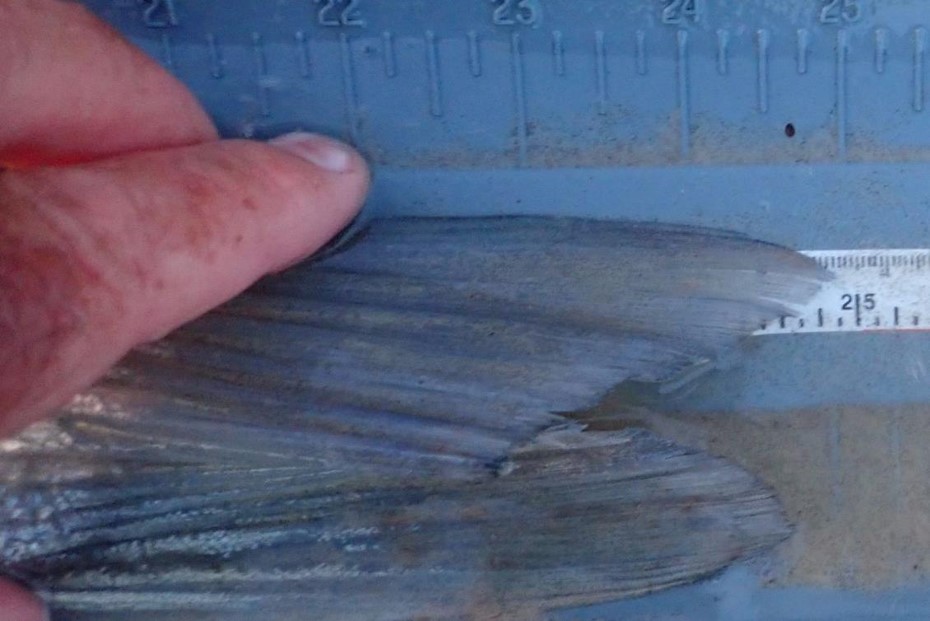
However, if you want to talk about the length of fish, research has shown that harvested fish can actually shrink a little bit in length especially if kept cool or on ice. Might want to keep that in mind where length limits apply.