
By Greg Wagner
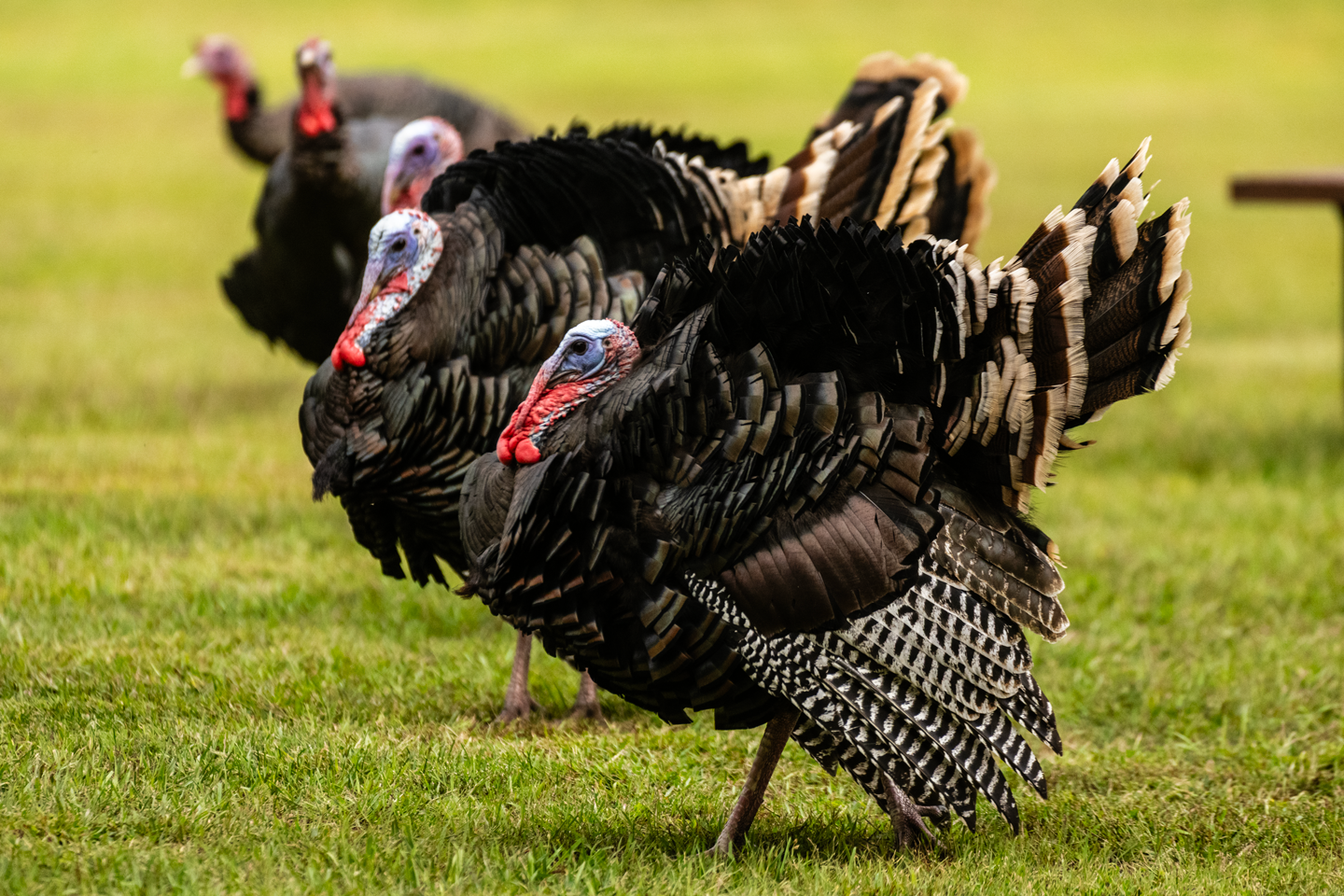
Spring wild turkey hunting often occupies the limelight with vocal gobblers and intense breeding action, but don’t overlook fall wild turkey hunting in Nebraska that offers a unique, highly rewarding experience.
For turkey hunters looking to expand their season, enjoy quieter woods, and test a different set of field skills, the Nebraska fall season (running October 1 through November 30) presents a compelling opportunity.
“Fall turkey hunting is a great way to disconnect from busyness and reconnect with nature,” said Carlie Gizel, Wildlife Biologist and Wild Turkey Program Manager for the Nebraska Game and Parks Commission and National Wild Turkey Federation. “You get to enjoy the outdoors and the chase of the bird with a fraction of the hunting pressure of the spring season,” added Gizel.
According to Gizel, while about 27,500 permits were sold and about 10,500 birds telechecked this spring, only about 3,200 permits and 370 birds were recorded for the fall 2025 turkey season. In other words, Gizel points out the most recent fall harvest was less than 4% of the most recent spring turkey harvest! “The fall season provides the opportunity to visit the more popular turkey hunting areas of the state without all the hype of the spring season,” emphasized Gizel.
Turkey hunters should double-check access and property boundaries out west, as some Open Fields and Waters (OFW) site contracts, fencing and landscapes remain affected by the wildfires earlier this year.
Gizel thanked the phenomenal efforts of Nebraskans across the state who counted turkeys in the summer turkey brood survey. Preliminary results from that show hunters and wildlife viewers can expect more young of the year birds than in 2025. Complete results will be published soon, but the poult-per-hen ratio was 2.5, up from last year’s 2.1. All areas of the state saw increases in this metric except for the northern panhandle and tallgrass prairies surrounding Norfolk.
From scouring the countryside, to busting up flocks and calling them back together, there are many interesting aspects to fall wild turkey hunting. Here is some information to get you started.
Fall Turkey Hunting Tips
The Basics
Pattern the wild turkeys. Scout, glass, look, and listen for them. Use your game cameras, talk to your landowners and area wildlife biologists to find out about turkeys and turkey movement. If you see a group of gobblers moving through or feeding in a specific area yesterday and today at the same times, most likely they’ll be there tomorrow at the same time. It is a similar situation for hens and poults. Set up where and when you are consistently seeing them and be there the next day for an ambush. Early morning and late afternoon periods are the best times to listen in the fall because that is when the flocks are either leaving the roost and going to roost. Those two time periods are when fall flocks are the most vocal. Keep in mind you’ll typically find wild turkeys in the same habitat where you find white-tailed deer in the fall.
Calling
Calling turkeys in the fall is an entirely different scenario than calling them in the spring. In fact, you need to know the language of wild turkeys to be successful. The “kee-kee” and assembly yelping calls are musts to master. Challenging the boss or matriarchal hen and appealing to her maternal instincts are important calling sequences to know. Fall turkeys are by far way more vocal than spring birds. Locating the roost and their food source is important to fall hunting success. Setting up along travel corridors between the two will most likely produce a shot at a turkey. Also, fall hunters often locate flocks of turkeys and use a technique called “scattering” — breaking up the flock on foot — and then sitting quietly in cover at that location to call them back together using assembly yelps or “kee-kees”. Separated turkeys are naturally vocal and eager to regroup. Some hunters even emit or throw out a raspy hen yelp call and then respond in kind when an old, matriarchal hen responds. Keep mimicking her call. She most likely will come and check you out.
Things to Note
One important note of caution: Since the turkeys are usually bunched up in flocks at this time of the year, be certain you do not hit more than one bird when you shoot. Take a few extra seconds to make sure nothing is near or behind your intended target before you squeeze the trigger of your shotgun or aim your bow. Another primary point for fall turkey hunting is practicing how to use the sun and shadows. Think about the old western cowboy movies, every gunfighter wanted the sun at his back. It’s the same way in turkey hunting. If the sun is at your back, it is far easier for you to see the turkeys and more difficult for the turkeys to see you.
Key Regulations
Season timeline: October 1 through November 30 statewide.
Permit/bag limit: A limit of one permit (with Habitat Stamp) per hunter with one turkey of either sex that may be taken.
Cancelling a tag: Immediately after a turkey is taken, the hunter must punch or notch the permit showing the sex of the bird and the date it was harvested. The mobile turkey permit allows a hunter to cancel the permit once the turkey is harvested.
Mandatory Telecheck: All harvested turkeys must be reported through Telecheck (online or via phone) within 48 hours of the date taken but no later than 1 p.m. on the day following the close of any portion of the season and before the carcass leaves the state.
Safety gear: If you are hunting during the November firearm deer hunting season, remember that turkey hunters are required to wear at least 400 square inches of hunter orange on their head, chest, and back.
Hunters can find more details in the Nebraska Turkey Guide.