
Daryl Bauer, Fisheries Outreach Program Manager
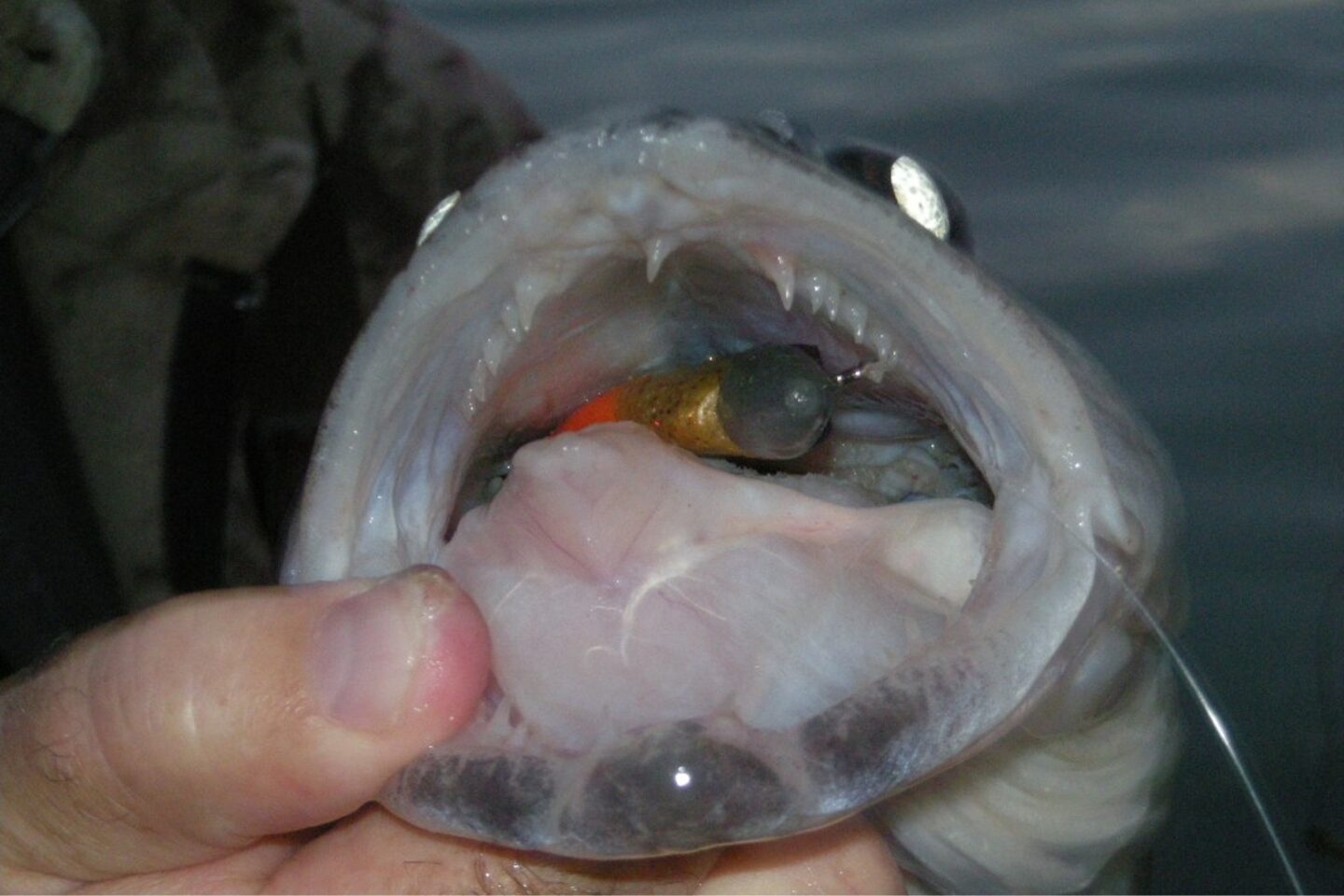
Anytime I hook and lose a fish the first thing I do is check my hooks.
Sure, there are a lot of variables that impact the hooking and landing of any fish. Not the least of which is “operator error”. A number of those variables may be beyond your control. However, one you CAN control is making sure your hooks are sharp.
Sharp hooks are an obsession with muskie anglers. I have often said that you can learn many things fishing for a variety of species of fish. What you learn fishing for one species often is applicable to another. You may never intentionally target muskies, but you better believe sharp hooks will be just as important for those walleyes, catfish, trout, bluegills and crappies that you will target!
Always start with quality hooks. There are an infinite variety of brands, styles, shapes and sizes of hooks available now. Those hooks may be a dime a dozen or cost a few bucks a piece. Buy the best you can afford. It makes a difference! Grandpa may have had a couple, three boxes of assorted hooks in the bottom of his old tackle box. Take those and put them in a place where you can remember and honor Gramps. That is where they belong.
Not going to tell you the brand, style or model number of the hooks you should be buying. You will have to decide that for yourselves. You can find some that are “lazer-sharpened”, “chemically-sharpened”, or even sharpened by crusty old fishermen working in a bait shop somewhere in Finland. Whatever. All I know is quality hooks are usually worth the extra money they might cost.
However, never assume that brand new hooks right out of the box are sharp. Test them! My thumbnails almost always have scratches and scrapes from testing hooks. All of your hooks should be “sticky”-sharp and easily grab when pulled across your thumbnail.
If they do not, you have two choices: You can either replace the hook(s) or you can sharpen them. That depends on the bait, lure, and style of hook(s). Again, that also is a call you will have to make. Some of them I replace, some of them I sharpen.
Regardless, at some point you likely will have hooks that need sharpened or touched-up. I often find that banging baits off of cover, especially rocky cover, or even hooking fish, will result in hook points that get rolled and need re-sharpening. Not going to tell you that you have to buy a certain brand of hook-sharpening tool, but I will tell you what I use:
For relatively small hooks, I love a small diamond hook-sharpener. I will use that tool even to sharpen the small hooks on flies and ice-fishing jigs.
You can find a number of files that work on larger hooks. Again, pick what you like. One of these is always within my reach, hook-sharpening file.
Suppose I could write another blog post on HOW to sharpen hooks. If you wish, go on YouTube and you can find a bunch. I will say that you want cutting edges on the outside and inside edges of the point. Sharpen them that way. Usually, it will only take a few strokes to sharpen a quality hook.
Learned a long time ago that attention to little details will make a lot of difference in the number and size of fish you catch. One of those details is your hooks. Spend some money and time making sure they are sharp. You will be glad you did!