By Monica Macoubrie, Wildlife Education Specialist
There’s something magical about peeking into the hidden lives of Nebraska’s wildlife, and trail cameras give us that rare chance. These motion-activated cameras capture moments we might never witness in person — deer wandering through prairies at dawn, owls swooping silently in the night or curious raccoons investigating the lens. Each snapshot tells a story, giving us clues about animal behaviors, habitats and seasonal changes.
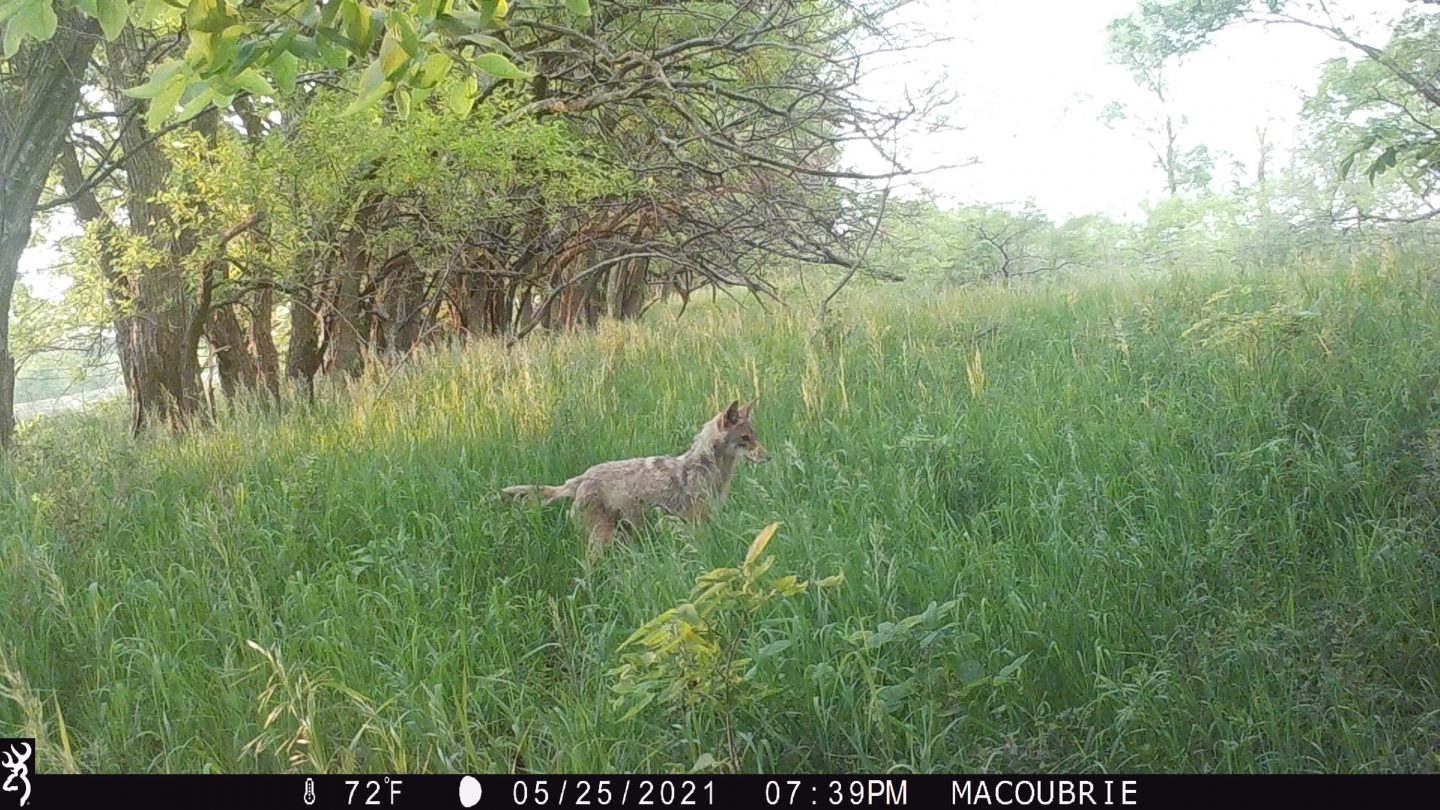
The first time I used a trail camera was when I started hunting. I mainly wanted to see if the area I had in mind held any wildlife worth watching. After setting up the camera and returning about a month later to check the memory card, I was amazed at the activity it had captured. Not only were there deer moving through, I also discovered turkeys strutting, a coyote passing by under the cover of darkness, and even a family of raccoons making regular appearances. What surprised me most was how much activity was happening when I wasn’t around. Trail cameras quickly taught me that the landscape is far from quiet — wildlife rhythms just run on a different schedule than ours.
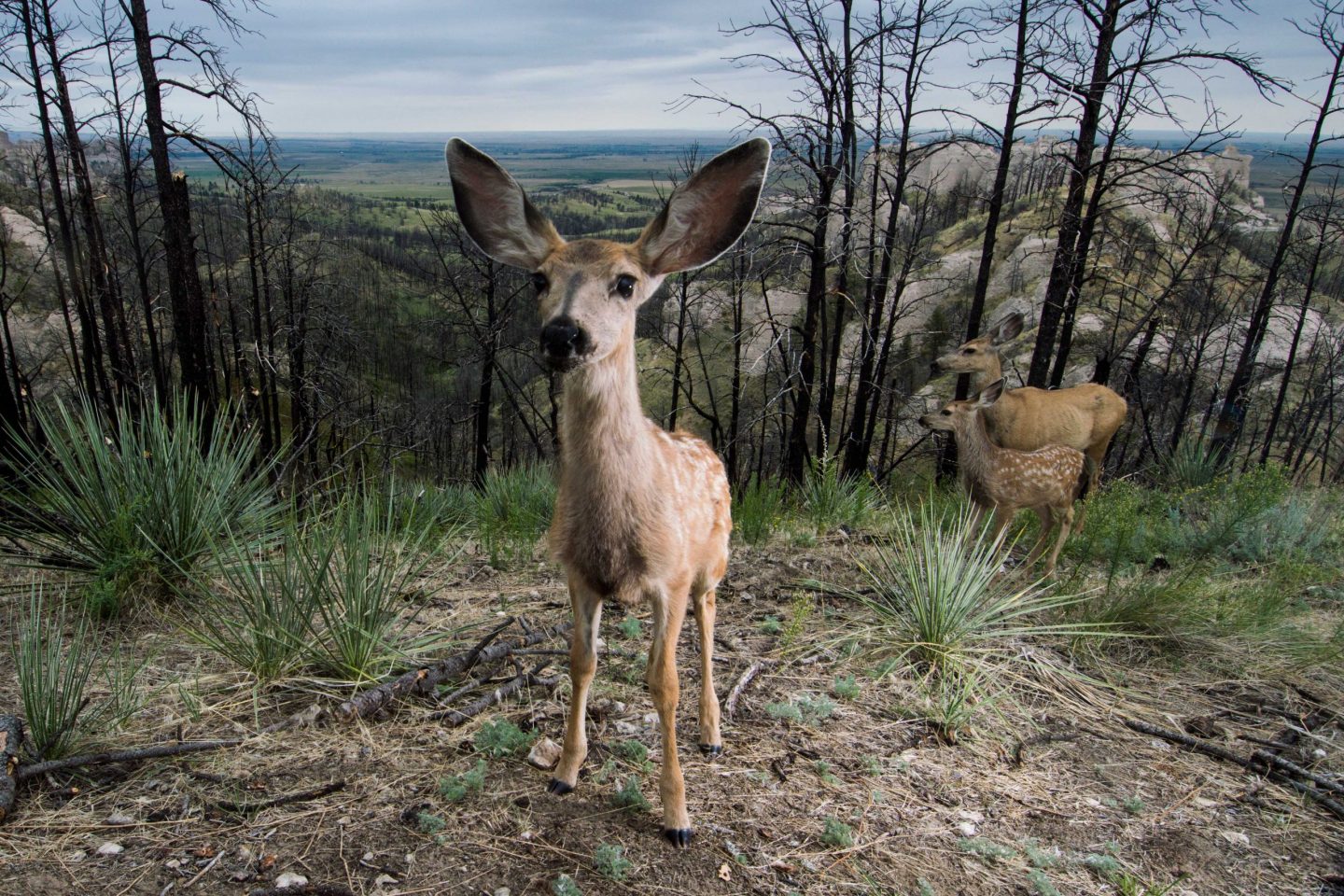
Over time, I’ve come to see trail cameras as more than tools for hunting—they’re like windows into the hidden world of wildlife. Once, mine captured nearly 100 frames of a red-tailed hawk swooping down on prey in the snow, each shot revealing a new step in the drama until the whole sequence told a story. Another time, a doe and her twin fawns paused in front of the lens, gently nuzzling and grooming each other in a moment so tender I never would have witnessed otherwise. These snapshots, frozen in time, felt like treasures.
What’s fascinating is that trail cameras don’t just capture the “big” wildlife we usually think of — they also shine a light on the smaller, often overlooked creatures: A skunk shuffling confidently past, a squirrel stashing away acorns or an opossum stopping to sniff the lens all add layers to the story of our ecosystems. Even birds get curious, sometimes flying straight into the frame and leaving only a blur of feathers behind. During the COVID years, when there wasn’t much else to do, I set a camera near a bird feeder and ended up watching the daily lives of cardinals, sparrows, starlings and finches — moments I likely never would have seen otherwise.
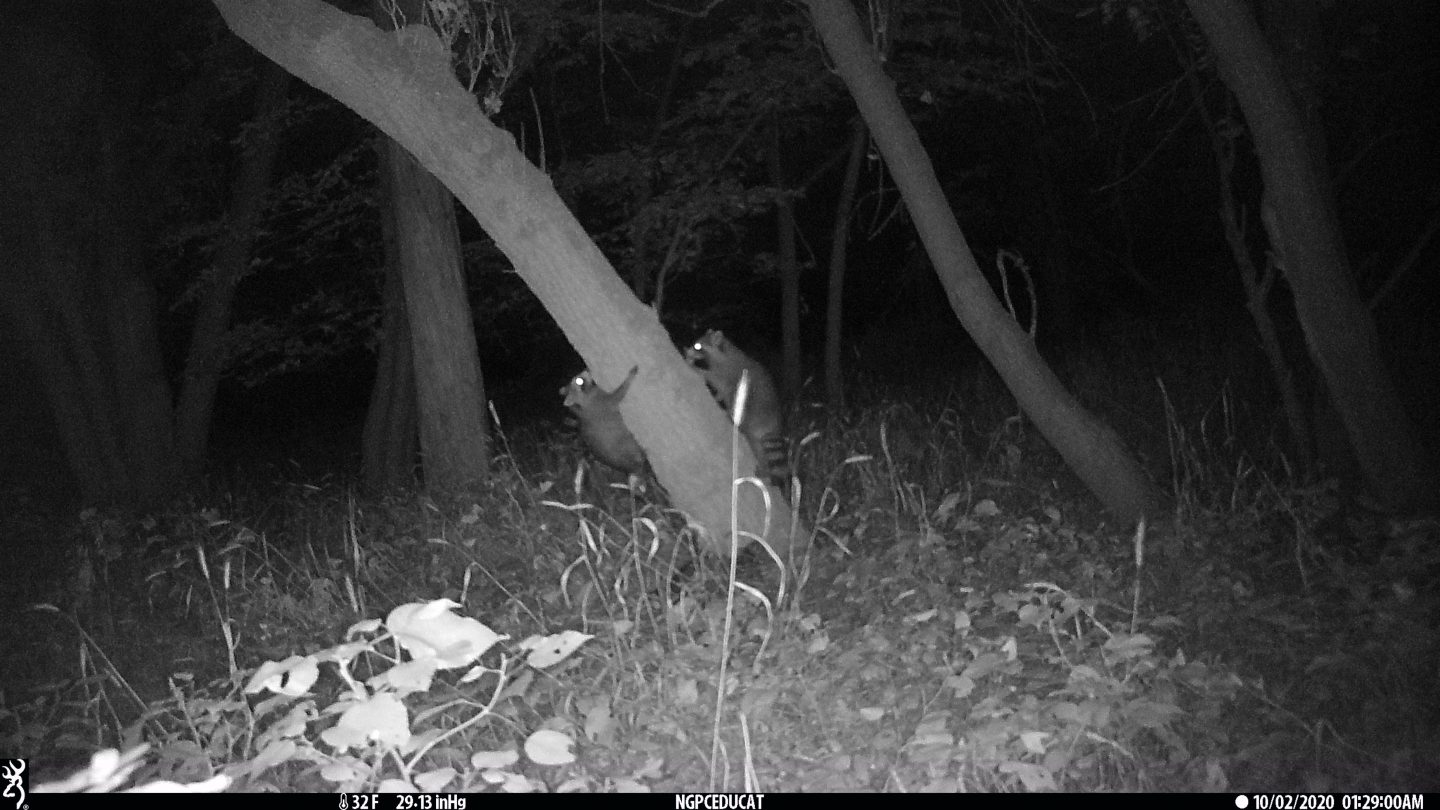
One of the funniest things about trail cameras is that you never know what you’ll get. Sometimes they capture incredible wildlife moments, like a curious fox peeking at the lens or a fawn leaping through the frame, and other times, you end up scrolling through 500 photos of grass swaying in the wind or the same family of raccoons going back and forth between the same two trees for half the night. It’s all part of the fun, and even those “boring” shots remind us that nature keeps moving, even when no one’s watching.
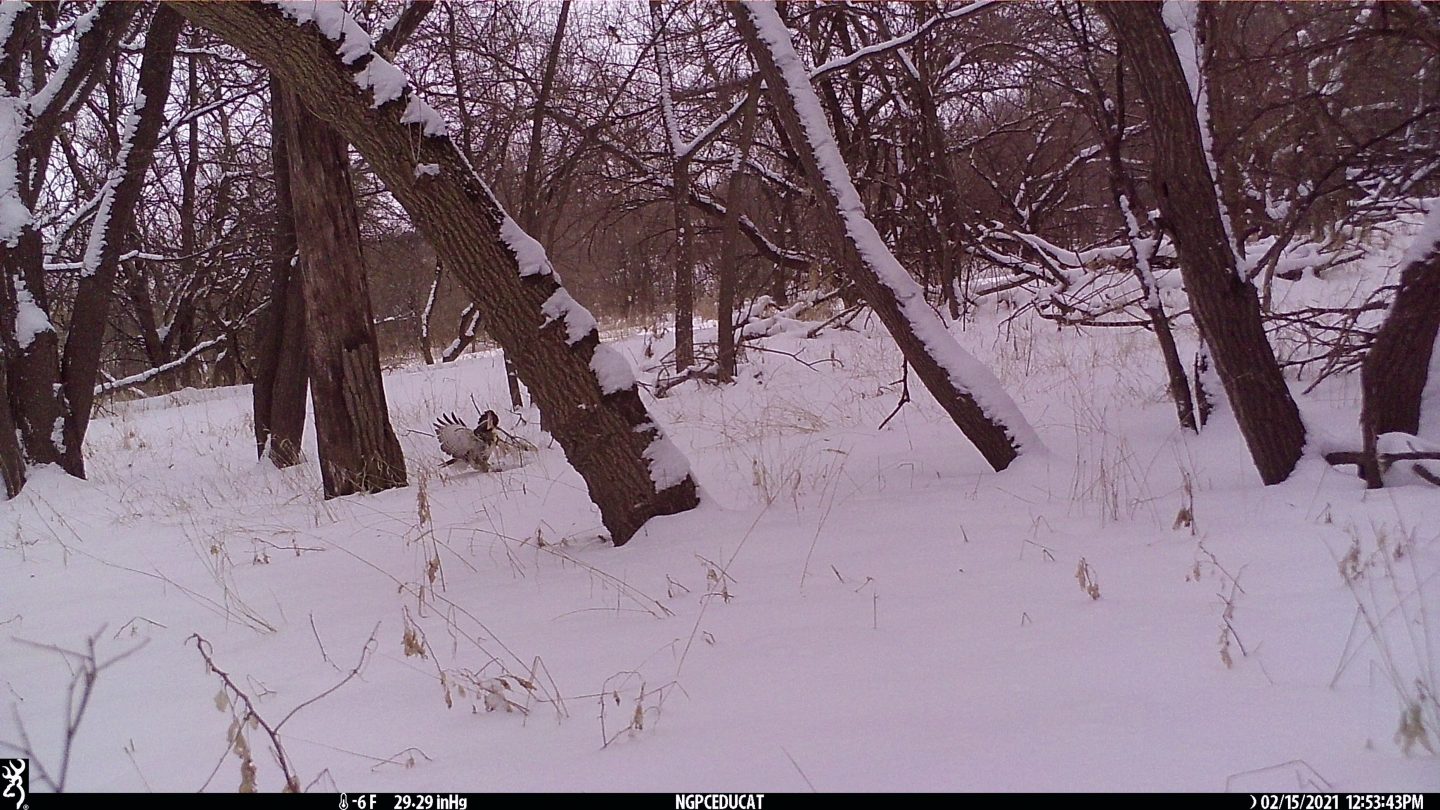
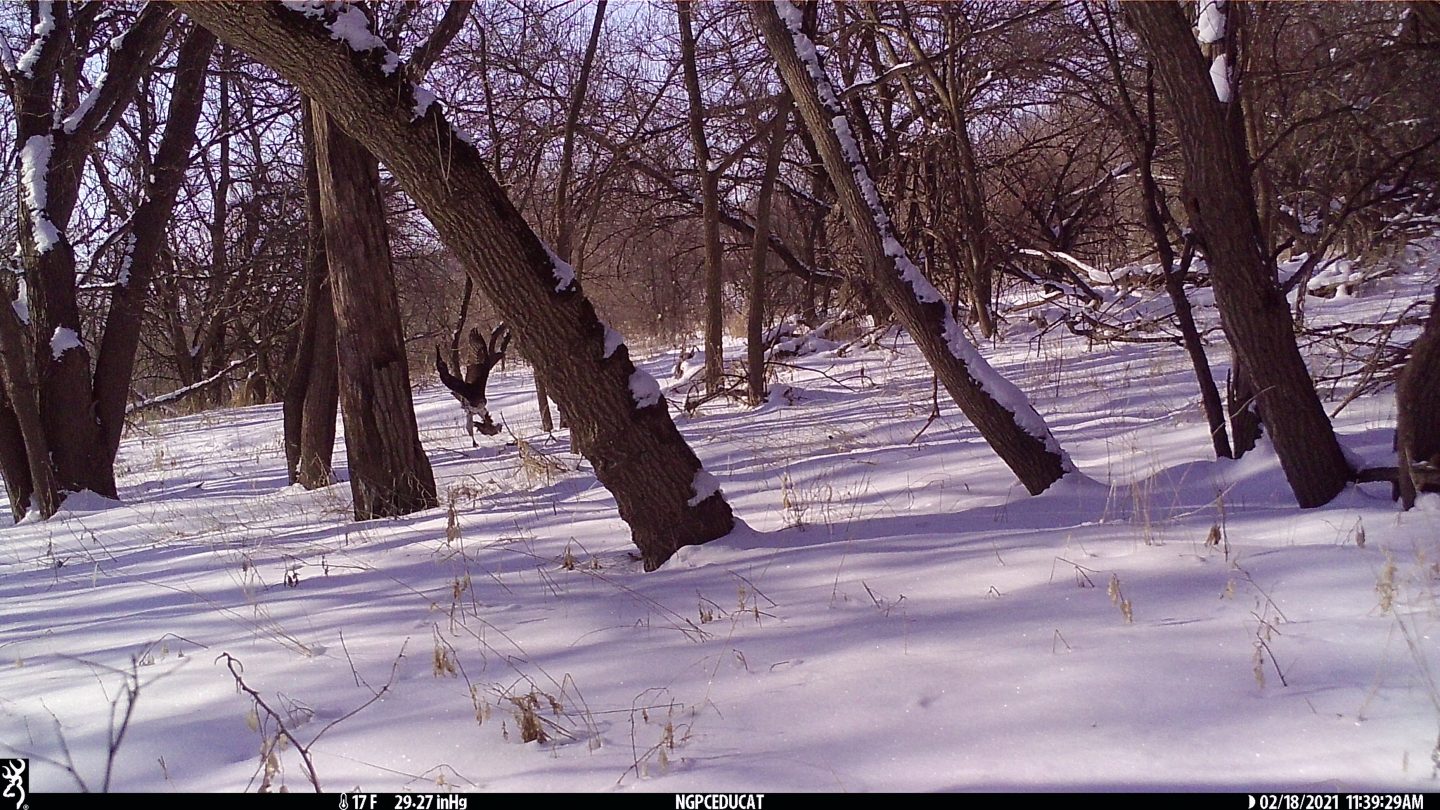
Trail cameras also provide valuable insights into seasonal changes. In spring, you might see bucks shedding their antlers or wildflowers beginning to bloom in the background. Summer brings young animals learning their way in the world — gangly fawns taking their first steps or young turkeys trailing behind their mothers. Fall often captures rutting behavior, migration and animals preparing for the colder months ahead. Winter images are some of the most striking, such as deer plowing through snowdrifts, coyotes leaving tracks across frozen ground or a great horned owl perched stoically against the cold.
Whether you’re a hunter, a wildlife enthusiast or simply curious about the natural world, trail cameras offer a unique way to connect with Nebraska’s wild places. They remind us that even when we’re not watching, life is happening all around us — wild, resilient and beautiful. And sometimes, it only takes a simple camera strapped to a tree to open our eyes to just how much life shares our backyards and prairies.